
What Is Qing Guo? Medicinal Part, Identification, and Common Preparations
What is Qing Guo? Many people first encounter this name in the ingredient information for traditional Chinese medicines used to soothe the throat, preserved fruits, or traditional foods. Qing Guo comes from the mature fruit of the Chinese olive, a plant in the olive family. In Chinese usage, “Qing Guo” and the edible olives commonly mentioned in everyday life generally come from the same plant, although their processing methods, applications, and linguistic contexts are not exactly the same. Understanding Qing Guo’s appearance, medicinal part, and traditional uses can help when reading herbal medicine information and product instructions.
It is important to note that the Chinese term “olive” and the Mediterranean olive in English-language contexts do not always refer to the same plant. In this article, Qing Guo primarily refers to the mature fruit of the Chinese olive as used in traditional Chinese medicine.
What Does Qing Guo Look Like? How Can It Be Identified?
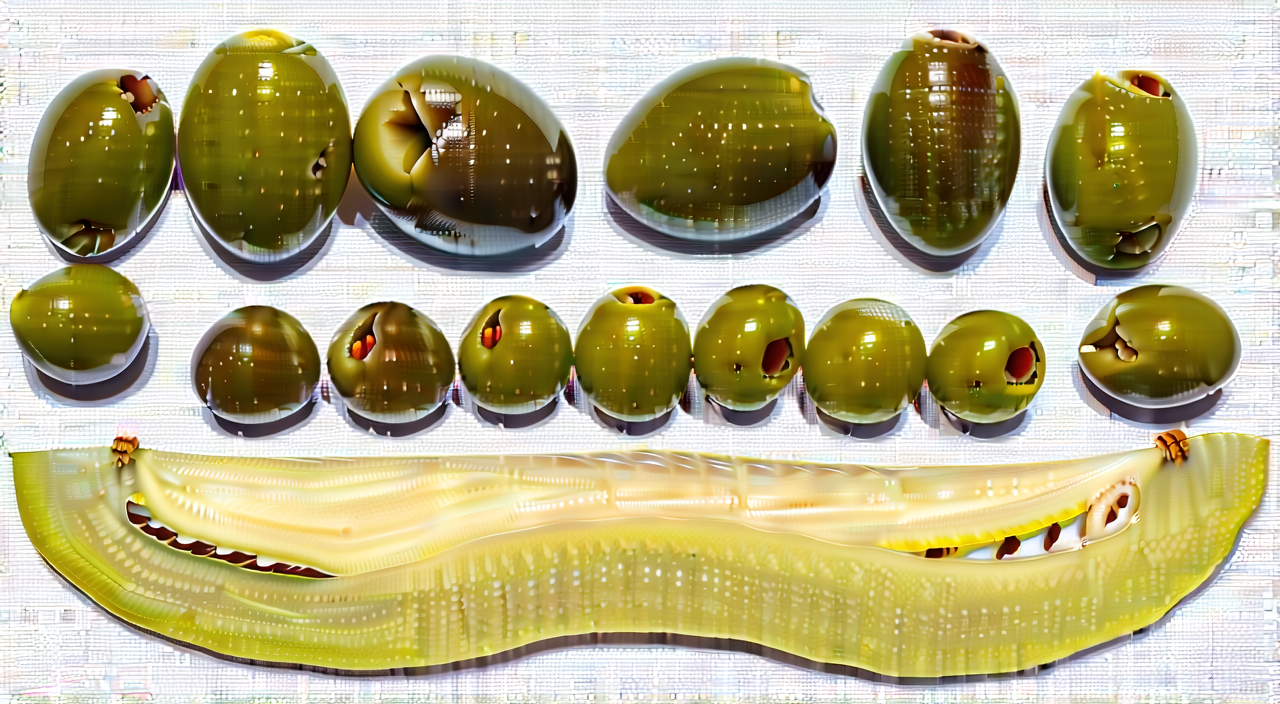
Qing Guo is the fruit of the Chinese olive. It is usually spindle-shaped, ovate, or slightly elliptical, with its size varying according to the variety, place of origin, and harvesting condition. The surface of fresh fruit is generally blue-green. As it matures or dries, it may gradually turn blue-yellow or yellowish-brown, and the skin may show small spots or longitudinal wrinkles. Dried fruit does not necessarily retain the bright green color of fresh fruit, which is an important point to keep in mind when identifying it.
Qing Guo has relatively thick, firm flesh and contains a hard pit. The pit is usually spindle-shaped or fusiform, with distinct ridges or grooves on its surface. It is quite hard and should not be bitten or crushed directly. When cut open, the layers between the flesh and pit can be observed. The flesh of dried fruit may shrink and become darker than that of fresh fruit.
Taste is another reference point for identifying Qing Guo. When eaten fresh, it usually tastes sour and astringent at first, followed by a gradual sweet aftertaste. This is why it is often described traditionally as “astringent first, sweet afterward.” The intensity of its sour, astringent, and sweet notes varies with maturity. After salting, sugaring, or other processing, the taste changes considerably, so the original fruit’s characteristics cannot be judged solely by the sweetness of a processed product.
When identifying the herbal material, observe its shape, color, longitudinal wrinkles, pit, and aroma together rather than relying only on the single feature of being a “green fruit.” For dried fruits with an unknown source or significant differences in appearance, refer to reliable herbal medicine information and seek professional identification.
What Is the Medicinal Part of Qing Guo?
The medicinal part of Qing Guo is primarily the mature fruit of the Chinese olive. In traditional herbal use, fresh Qing Guo may be used, or mature fruits may be harvested and dried into a form that is easier to store and combine with other ingredients. Fresh fruit has a higher water content and a more pronounced taste and aroma, while dried fruit is generally firmer and darker. The method of preparation before and after use may vary according to the specific product.
“Mature fruit” is the key point in the herbal description of Qing Guo. It does not mean that the leaves, bark, or pit of the Chinese olive tree are used separately as the primary medicinal part, nor is it the same as candied fruit or salted fruit intended for direct consumption. Foods, sliced herbal materials, and traditional Chinese patent medicines available on the market may use different raw-material specifications, so check the product label, ingredient list, and instructions carefully.
The flesh and pit of Qing Guo are often seen together because of the fruit’s structure, but the herbal name generally refers to the entire mature fruit as the medicinal part. When purchasing loose herbal materials, pay attention to their source, degree of dryness, signs of mold, and storage conditions. Materials with an unusual odor, excessive moisture, softness, or abnormal color should not continue to be used.
How Does Traditional Chinese Medicine Understand Qing Guo?
Traditional Chinese medicine commonly views Qing Guo in terms of clearing heat, benefiting the throat, promoting the production of body fluids, and detoxifying. It often appears in discussions of throat discomfort, thirst, and related dietary therapy or herbal combinations. These descriptions reflect traditional herbal theory and use experience. They are not equivalent to a modern medical diagnosis and cannot determine the specific cause of any particular throat symptom.
In everyday contexts, Qing Guo is often associated with throat discomfort related to voice use, dry environments, or dietary irritation. Traditional applications are determined according to the overall presentation, individual constitution, and herbal combination rather than a single symptom. For occasional and mild throat discomfort, people can first focus on general care such as getting adequate rest, drinking water, and reducing alcohol, tobacco, and spicy irritants, while also reading the relevant product instructions.
If a sore throat does not improve, or if it recurs and is accompanied by fever, difficulty swallowing, abnormal breathing, marked swelling, or other symptoms, consult a doctor promptly. Qing Guo and its preparations should only be understood as relating to traditional uses. Whether they are appropriate for an individual still depends on the symptoms, constitution, and professional advice.
What Areas Can Modern Research Help Explain?
Modern research on Qing Guo commonly examines polyphenols, flavonoids, organic acids, volatile constituents, and other phytochemicals in the fruit. Researchers may also investigate its antioxidant, antibacterial, or inflammation-related effects in laboratory settings. Some studies are based on in vitro experiments, animal experiments, or constituent analysis, and their conditions are not the same as actual use in humans.
Therefore, experimental findings cannot be directly equated with a definite effect of a particular food, sliced herbal material, or traditional Chinese patent medicine on an individual’s symptoms. Differences in variety, origin, maturity at harvest, processing methods, and extraction techniques may also affect constituent levels. Modern research is best regarded as supplementary background for understanding Qing Guo, rather than a basis for replacing diagnosis, medication, or appropriate medical treatment.
What Are the Differences Between Qing Guo, Phyllanthus Emblica, and Smoked Plum?
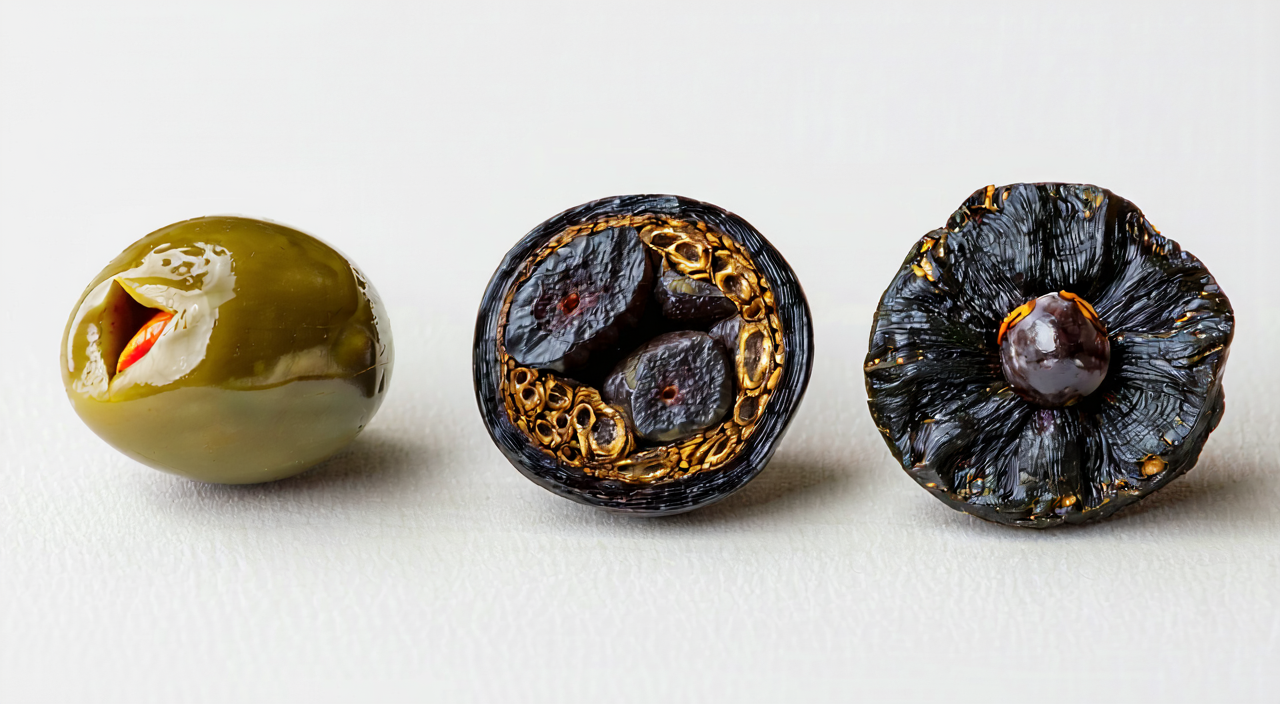
Qing Guo, Phyllanthus emblica, and smoked plum may all appear in discussions of traditional fruit-based herbal materials or products related to throat soothing and astringency. However, they are not the same herbal material and can be distinguished by their source, appearance, and taste.
| Name | Appearance and pit | Taste characteristics | Common identification clues |
|---|---|---|---|
| Qing Guo | Usually spindle-shaped or ovate, with relatively thick flesh and a hard pit inside | Sour and astringent at first, followed by a sweet aftertaste | The fruit is relatively long; dried specimens often have longitudinal wrinkles, and the hard pit has ridges |
| Phyllanthus emblica | Usually nearly spherical, with ridges on the surface and a rounded or hard pit | Sour and astringent at first, followed by a more noticeable sweet aftertaste | Usually rounder in shape, with surface textures different from those of Qing Guo |
| Smoked plum | Usually nearly spherical or flattened and round, with a hard pit; commonly black or dark brown | Strongly sour, with smoky or dried-fruit notes | Usually made by processing fruit from plum species, with a much darker color than Qing Guo |
The features above are intended only as general educational observations and cannot replace professional identification. In particular, raw materials in sliced form, powdered form, or compound preparations are often difficult to identify accurately based on color and taste alone. Choose products with clear labeling and reliable sources when purchasing or using them.
What Common Qing Guo Preparations Are Available?
Traditional Chinese patent medicines and compound preparations developed around Qing Guo commonly include Qing Guo pills, Qing Guo granules, and throat-soothing dripping-pill preparations. Their ingredients, dosage forms, specifications, intended users, and recommended dosages may differ considerably. Even when several products contain “Qing Guo” in their names, they should not be assumed to have the same formula.
Qing Guo pills generally come in pill form and can be stored and taken according to the instructions. Qing Guo granules usually need to be dissolved before use, so check the amount in each sachet, preparation method, and storage requirements. Throat-soothing dripping pills are a different dosage form and may contain several herbal ingredients; the overall characteristics of the preparation cannot be judged solely by the presence of Qing Guo.
These preparations may be considered in the context of traditional approaches related to soothing the throat and promoting the production of body fluids, but they should not be used independently as treatment plans for specific diseases. Read the product instructions carefully before use, including the ingredients, contraindications, precautions, and appropriate age range. Children, people who are pregnant or breastfeeding, those taking other medications, people with chronic conditions, and anyone sensitive to certain ingredients should consult a doctor, pharmacist, or other qualified professional first.
What Precautions Should Be Taken When Using Qing Guo?
Qing Guo has a distinctly sour and astringent taste, and some people may experience stomach discomfort after eating the fresh fruit or products containing Qing Guo. People with excessive stomach acid, a clear tendency toward reflux, or frequent stomach pain should carefully observe their individual response and avoid consuming large amounts on an empty stomach. Those with a tendency toward cold-related digestive discomfort or diarrhea, or who feel unwell after consuming cooling foods, should not independently use large amounts over an extended period based solely on descriptions of traditional benefits.
Qing Guo preserved fruit, candied fruit, and some granule products may contain sugar. People who need to limit their sugar intake should check the nutrition facts and ingredient list and consider these products alongside other sources of sugar in their daily diet. Preserved fruit is a processed food and should not be equated simply with dried herbal material. Its sweet-and-sour taste is also not a reason to consume it excessively.
If a sore throat persists, recurs frequently, or is accompanied by marked anxiety, chest tightness, palpitations, abnormal breathing, difficulty swallowing, persistent fever, unexplained weight loss, or other symptoms, consult a doctor as soon as possible. Severe abdominal pain, persistent vomiting, black stools, or other warning signs of digestive tract problems also require prompt medical attention. This article is intended only as general educational information about traditional Chinese herbal materials and cannot replace professional diagnosis or treatment advice.
Summary
Qing Guo primarily refers to the mature fruit of the Chinese olive. Common characteristics include a spindle-shaped or ovate form, longitudinal wrinkles on the surface, a hard pit, and a taste that is usually sour and astringent at first before developing a sweet aftertaste. It differs from Phyllanthus emblica and smoked plum in shape, pit, and taste. The formulas of Qing Guo pills, Qing Guo granules, and throat-soothing dripping pills also vary. People with excessive stomach acid, cold-related digestive discomfort, or persistent symptoms should make cautious decisions based on product instructions and professional advice. This article is for general educational reference only.