
What Is Phyllanthus Emblica? Medicinal Parts, Identification, and Common Preparations
What is Phyllanthus emblica? It is a traditional Chinese medicinal material made from the mature fruit of the plant and traditionally known as “amalaka.” In some regions, it is also used to make dried fruit, candied fruit, and preparations intended to soothe the throat and promote fluid production. Fresh Phyllanthus emblica fruit, dried fruit, and processed extracts are not exactly the same in appearance, taste, or use and should not be treated as interchangeable. To understand this medicinal material, it is helpful to begin with the fruit’s form and medicinal part, then consider traditional Chinese medicine perspectives, modern research, and individual circumstances.
What Does Phyllanthus Emblica Look Like?
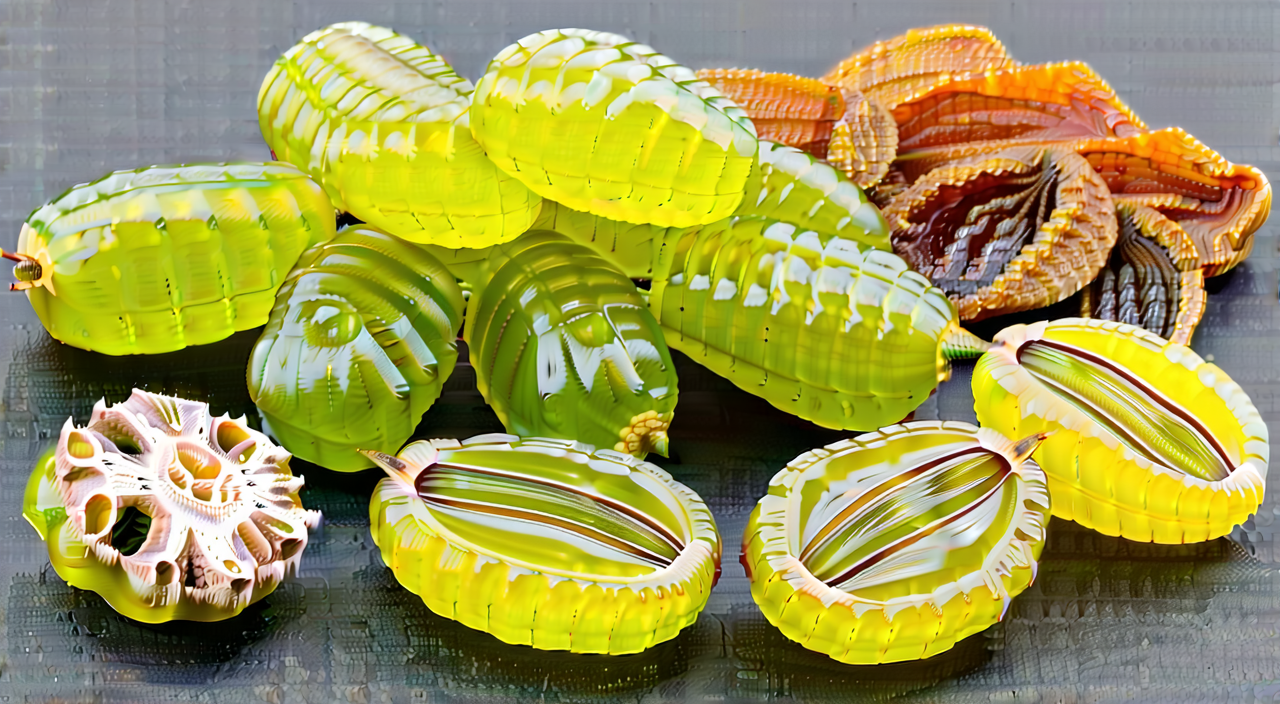
Phyllanthus emblica fruit is usually nearly spherical or slightly flattened and relatively small. After ripening or drying, its color may gradually change from yellowish green to yellow-brown or brownish black. Its surface has distinctive identifying features, often showing six prominent longitudinal ridges that give the fruit a segmented outline. Differences in growing region, maturity, and drying method may affect its color, size, and surface luster, so color alone cannot provide a definitive identification.
Fresh Phyllanthus emblica has crisp flesh. When bitten, it often produces a pronounced sour and astringent sensation at first, followed by a gradual sweet aftertaste. This “sour and astringent first, sweet afterward” flavor is an important impression for many people identifying the fruit. Dried fruit is firmer and more resilient, and its surface may shrink, wrinkle, or become darker. A hard seed is found inside the fruit, and the structure between the flesh and seed can be seen in sliced medicinal material.
Identification should involve a combination of the fruit’s shape, longitudinal ridges, color, seed, and taste. If the product has already been sliced, crushed, powdered, or extracted, its original appearance may no longer be obvious. In such cases, identification should be based on the ingredient name, product information, and reliable labeling rather than smell or taste alone.
What Is the Medicinal Part of Phyllanthus Emblica?
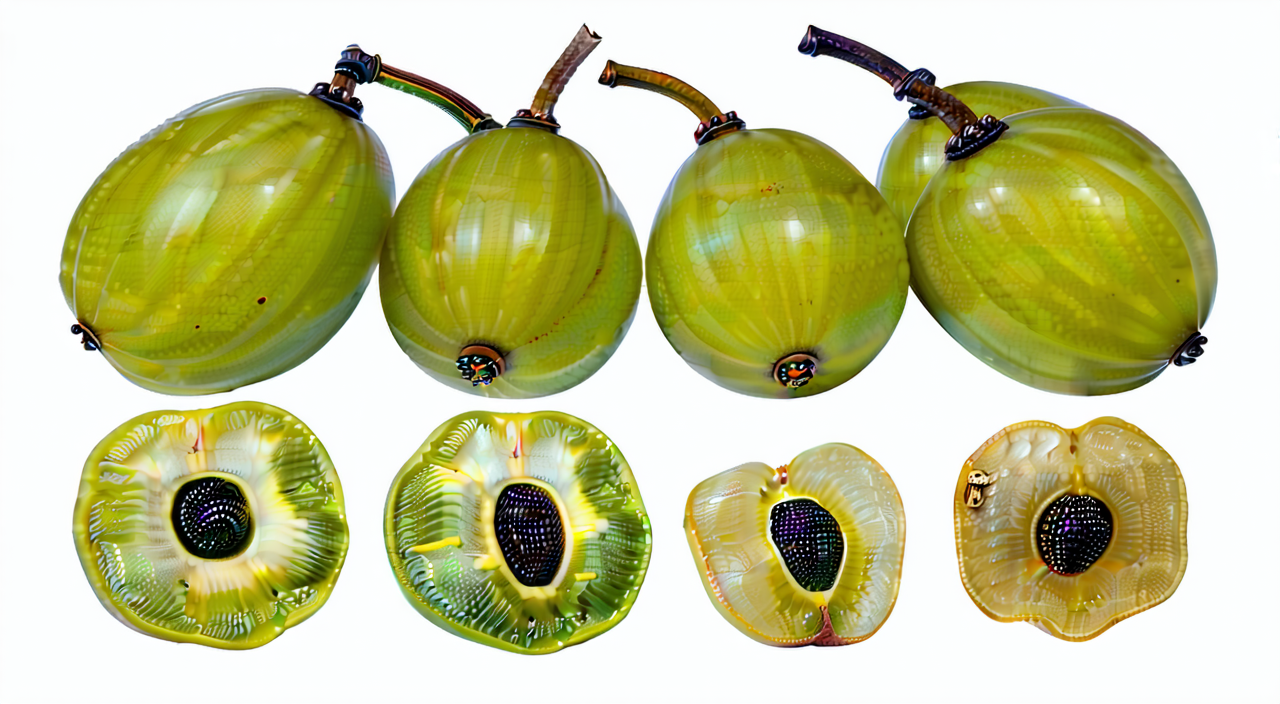
The medicinal part of Phyllanthus emblica is mainly the mature fruit. It is generally harvested after the fruit ripens and then washed, dried, and processed for use as a traditional Chinese medicinal material. Dried Phyllanthus emblica commonly appears on the market as whole fruit, slices, coarse pieces, or powder. Fresh fruit is more often eaten as food or processed further.
It is important to distinguish fresh fruit, dried fruit, and extracts. Fresh fruit has a higher water content, a sour and astringent taste, and different storage and transportation requirements. Dried fruit has undergone dehydration, which changes its weight, texture, and flavor. Extracts are made by processing certain components through an extraction method, and their composition and concentration depend on the raw material, extraction process, and product standards. Therefore, when reading the instructions for Phyllanthus emblica lozenges, granules, or other compound preparations, follow the actual formula and labeled directions.
From the perspective of medicinal material identification, the mature fruit is the core medicinal part. The seed, fruit stem, and debris produced during processing should not be broadly understood as being exactly the same as the fruit flesh in medicinal use. Different processed forms may also affect the appearance and method of use, so the product information or advice from a qualified professional should be consulted.
How Does Traditional Chinese Medicine View Phyllanthus Emblica?
Traditional Chinese medicine commonly views Phyllanthus emblica in terms of clearing heat, cooling the blood, promoting fluid production, relieving cough, and supporting digestion and the stomach. Its sour, astringent, and sweet-aftertaste profile is also traditionally associated with promoting fluid production and astringent effects. Traditional records and folk experience generally focus on throat discomfort, dry mouth and thirst, poor appetite, or certain heat-related manifestations. These are traditional applications and should not be equated with modern medical conclusions about treating disease.
In different combinations, Phyllanthus emblica may be used with other herbs traditionally associated with clearing heat, benefiting the throat, promoting fluid production, or regulating the spleen and stomach. Different combinations may have different focuses. For example, formulas intended to soothe the throat and promote fluid production may address throat dryness or the needs of people who use their voices extensively. When combined with herbs traditionally used to support digestion, the focus may be on dietary stagnation and poor appetite. Whether a particular preparation or combination is suitable should be assessed in light of individual constitution, symptoms, age, underlying conditions, and current medications.
If throat discomfort persists or frequently returns, or is accompanied by significant pain, difficulty swallowing, abnormal breathing, persistent fever, or other concerning symptoms, do not rely solely on Phyllanthus emblica products for self-treatment. Seek advice from a doctor or qualified professional promptly.
What Does Modern Research Say About Phyllanthus Emblica?
Modern research often examines the vitamins, phenolic acids, flavonoids, tannins, and other polyphenolic compounds found in Phyllanthus emblica. Some experimental studies investigate antioxidant activity, cell protection, metabolism-related indicators, or inflammatory pathways. These findings help researchers understand the fruit’s chemical characteristics and potential research value, but there remains a gap between laboratory or animal studies and conclusions from human clinical research.
It is important to distinguish between “certain compounds being detected” and “a clear effect occurring in a specific population.” The presence of vitamins and polyphenols in Phyllanthus emblica does not mean that eating the fruit or using related preparations can replace standard medical care, nor does it establish a definite effect on a particular disease. Existing studies may differ considerably in raw material form, extraction method, dosage, and outcome measures. A result from one experiment cannot be directly applied to all fresh fruit, dried fruit, or finished preparations.
For consumers, modern research is best used as a reference for understanding the fruit’s components and areas of study. For persistent symptoms, chronic conditions, pregnancy, childhood use, or combinations with multiple medications, consult a doctor, pharmacist, or other qualified professional first.
How Is Phyllanthus Emblica Different from Chinese Olive and Hawthorn?
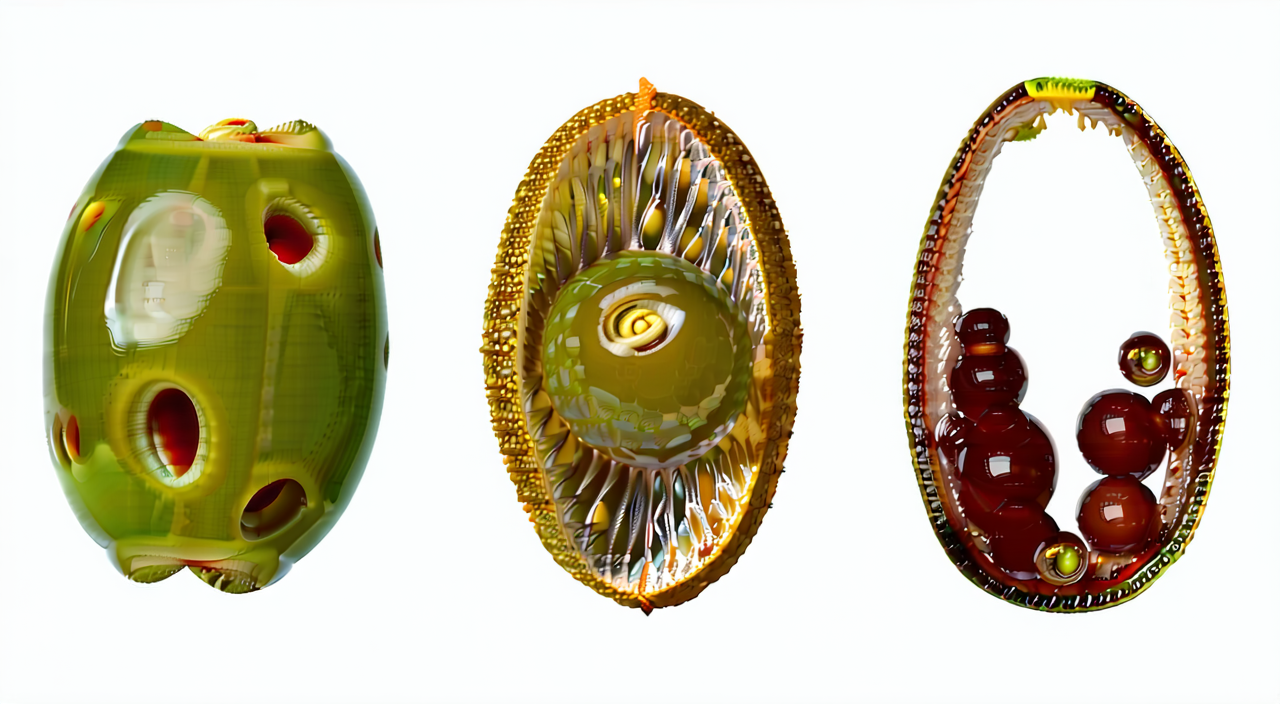
Phyllanthus emblica, Chinese olive, and hawthorn may all appear as fruit-based materials, but their botanical sources, forms, and flavors are different.
| Comparison | Phyllanthus emblica | Chinese olive | Hawthorn |
|---|---|---|---|
| Common fruit shape | Nearly spherical or slightly flattened | Usually oval or elongated oval | Usually nearly spherical, often red or dark red when ripe |
| Surface features | Usually has six longitudinal ridges and a distinct segmented outline | Relatively smooth and elongated | Usually relatively smooth, with visible dots and often a calyx mark at the top |
| Internal structure | Has a relatively hard seed; the flesh is sour and astringent at first, followed by a sweet aftertaste | Has a large hard pit; the flesh is relatively thick and often has a distinctive fragrance | Usually contains several relatively hard small pits; the flesh is sweet and sour or predominantly sour |
| Traditional use | Commonly viewed in terms of promoting fluid production, clearing heat, and benefiting the throat | Commonly viewed in terms of soothing the throat and promoting fluid production | Commonly viewed in terms of supporting digestion, reducing food accumulation, regulating qi, and dispersing blood stasis |
Actual medicinal materials may vary according to growing region, maturity, and processing method. The most notable features of Phyllanthus emblica are its six longitudinal ridges and its sour and astringent taste followed by a sweet aftertaste. Chinese olive is generally more oval, with different flesh and pit structures, while hawthorn commonly has red skin and several small pits. Once the material has been made into powder, granules, or a compound preparation, it is usually difficult to distinguish by appearance alone. Check the formula and product label instead.
What Are Common Phyllanthus Emblica Preparations?
Phyllanthus emblica lozenges are a relatively common preparation. They typically combine Phyllanthus emblica with other ingredients traditionally used to soothe or benefit the throat or promote fluid production, producing a product intended to dissolve in the mouth. Phyllanthus emblica granules are often based on dried extracts or extracts of processed medicinal slices and should be dissolved or taken according to the product instructions. Formulas, specifications, excipients, and intended users may differ between brands, so the name alone cannot be used to infer the exact effects.
There are also compound preparations for soothing the throat and promoting fluid production that contain Phyllanthus emblica as one ingredient. These formulas may include other plants or medicinal herbs based on traditional combination principles, and their particular focuses may vary. When selecting and using them, pay attention to the ingredients, directions and dosage, precautions, storage conditions, and any stated age range. People managing chronic conditions, taking prescription medication, or sensitive to certain ingredients should seek professional advice beforehand.
Phyllanthus emblica preparations are processed products and are not equivalent to eating fresh fruit directly. Sugar, sweeteners, acidulants, and other excipients in the preparation may also affect the experience of use. This is especially important when reviewing the ingredient information for granules, candied fruit, and lozenges.
What Precautions Should Be Taken When Using Phyllanthus Emblica?
Phyllanthus emblica has a sour and astringent flavor. People with excess stomach acid, a noticeable tendency toward reflux, or discomfort after eating sour foods should use it cautiously and monitor their response. Those with a traditional pattern described as spleen and stomach deficiency-cold, a tendency toward abdominal pain or diarrhea, or sensitivity to cold and raw foods should also avoid using it independently for a long time or in large amounts. These traditional constitution descriptions do not replace medical diagnosis but may serve as a reference when reading product information or consulting a professional.
People with abnormal glucose metabolism should pay attention to the product formula. Fresh Phyllanthus emblica is not the same as processed candied or preserved fruit, which often contains added sugar or syrup. Some granules and lozenges may also contain sucrose, glucose, or other sweetening excipients. People managing blood glucose should review the nutrition facts and ingredient list and include the product in their overall dietary assessment rather than focusing only on the ingredient name “Phyllanthus emblica.”
People who are pregnant or breastfeeding, children, older adults, and those with liver or kidney problems or taking multiple medications should consult a doctor or pharmacist before using related preparations. Seek professional help promptly if persistent vomiting, severe abdominal pain, black stools, significant unexplained weight loss, chest tightness, palpitations, or ongoing anxiety or depressive symptoms occur. This article is for educational reference about traditional medicinal materials only and cannot replace professional diagnosis or treatment advice.
Summary
Phyllanthus emblica is a traditional Chinese medicinal material made from the mature fruit. Common features include a nearly spherical fruit, six longitudinal ridges, a hard seed, and a sour and astringent taste followed by a sweet aftertaste. It differs from Chinese olive and hawthorn in fruit shape, internal structure, and traditional applications, while fresh fruit, dried fruit, extracts, and preparations should not be treated as interchangeable. Phyllanthus emblica lozenges, granules, and compound preparations for soothing the throat and promoting fluid production have different formulas. Before use, consider the product information, individual circumstances, and professional advice. This article is for educational reference only and cannot replace professional diagnosis or treatment advice.