
What Is Corn Silk? Medicinal Parts, Identification, and Common Formulas
Many people throw away the fine strands at the top or around the ear of corn when eating it, but these slender, thread-like structures are not merely ordinary waste. Corn silk comes from the styles and stigmas of female maize flowers and has a history of use in traditional herbal medicine. It is important to note that corn silk on fresh corn is an agricultural byproduct; only after standardized harvesting, sorting, and drying does it more closely fit the context of medicinal use. This article explains what corn silk is by examining its appearance, medicinal parts, traditional understanding, and precautions for use.
What Does Corn Silk Look Like? How Can It Be Identified?
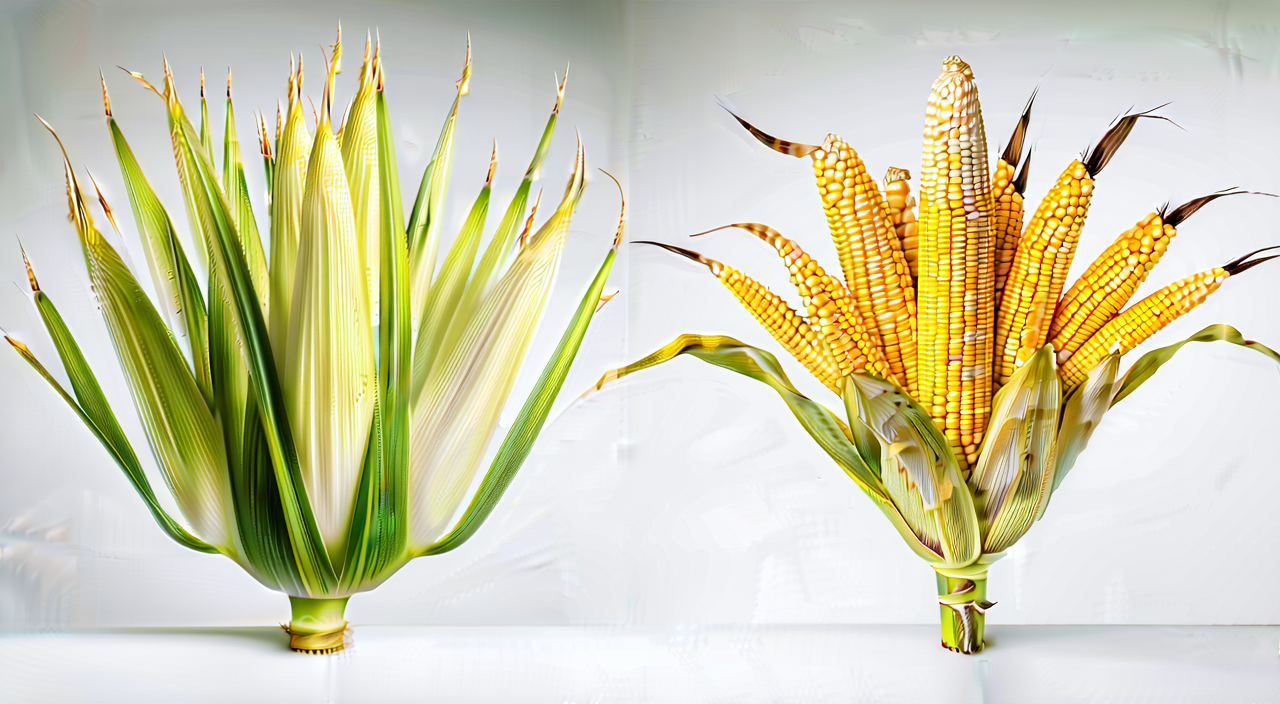
Corn silk is usually slender and thread-like, ranging from several centimeters to more than ten centimeters in length. Its exact appearance is influenced by the corn variety, degree of maturity, and harvest time. Fresh corn silk is commonly light green, yellow-green, or pale yellow. After drying, its color gradually changes to pale yellow or yellowish brown. Depending on storage time and processing conditions, it may also become brownish.
Its texture is relatively soft with slight flexibility, unlike the hard, woody texture of branches. Much of the corn silk extends from the top of the ear or near the husks, where the strands become intertwined and form bundles. Its odor is usually mild. Some samples have a light grain-like or herbal fragrance and may taste slightly sweet, although differences in origin and degree of drying can affect these characteristics.
When identifying corn silk, observe four points: first, whether it has an overall thread-like appearance; second, whether the strands are bundled and intertwined; third, whether the color ranges from pale yellow to brownish; and fourth, whether the sample is clean and dry, without an obvious moldy or sour odor, dirt, sand, or unusual discoloration. If purchasing dried medicinal material, also check the packaging information, place of origin, batch number, and storage conditions. Quality cannot be judged by color alone.
What Are the Medicinal Parts of Corn Silk?
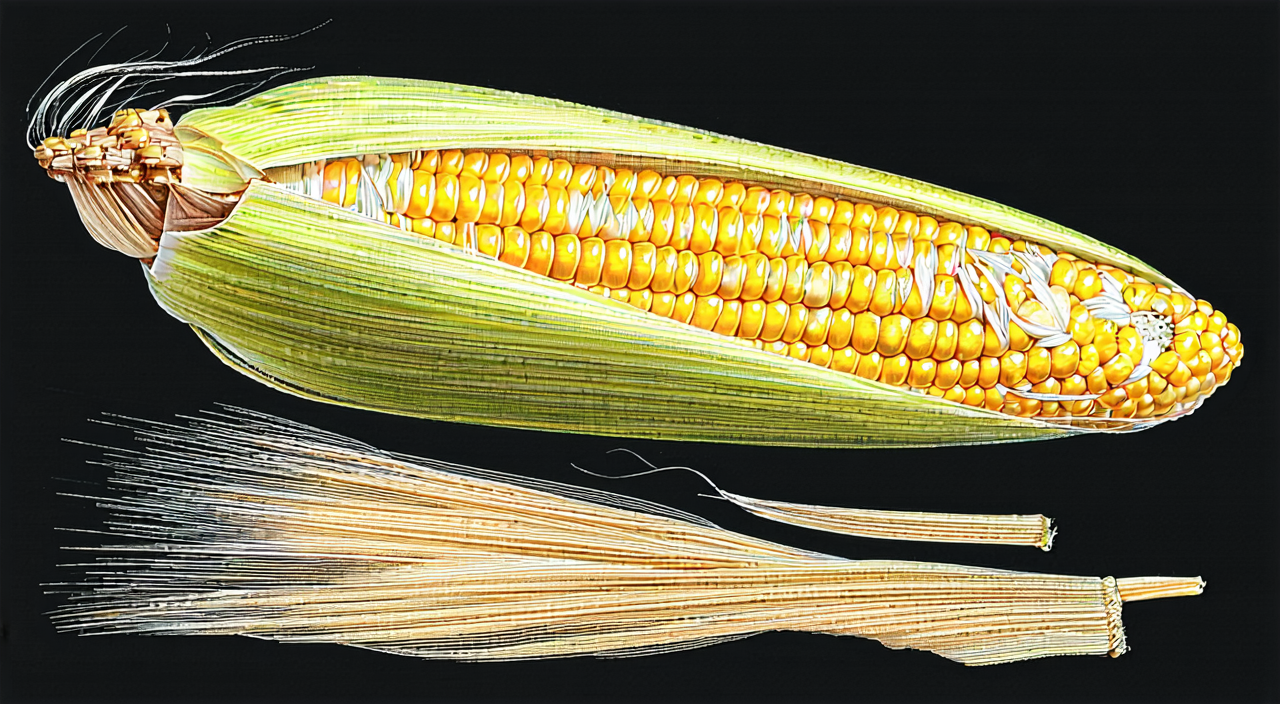
The medicinal parts of corn silk are mainly the styles and stigmas of maize. Maize belongs to the grass family. During pollination, its female flowers develop numerous slender styles and stigmas. These structures extend from the top of the husks and are what people commonly recognize as corn silk. They are not the roots, stems, or leaves of corn and should not be confused with the corn kernels.
Traditional harvesting generally takes place around the period before or after corn reaches maturity, or during another suitable growth stage. The styles and stigmas are collected, cleaned of impurities, and then dried in the shade, under the sun, or through another standardized drying method. Fresh corn silk has a high moisture content and is vulnerable to dampness, mold, and microbial contamination. Dried material should be protected from moisture and light and kept well ventilated. When collecting it at home, also consider whether the plants have been exposed to pesticides, herbicides, or other contaminants.
The relationship between corn silk and the styles and stigmas of corn can therefore be understood simply: “corn silk” is the commonly used name, while “styles and stigmas” is the more specific description of the plant structures and medicinal parts. Processing methods and quality standards may vary among products, so check the formal label and instructions before use.
How Does Traditional Chinese Medicine Understand Corn Silk?
Traditional Chinese medicine commonly understands the use of corn silk from the perspectives of promoting urination and dispelling dampness. Descriptions frequently found in folk use and traditional herbal records include reducing edema through diuresis and promoting urination to relieve dampness-related jaundice. These descriptions belong to traditional theory and usage experience and do not constitute modern medical diagnoses or treatment conclusions for any disease.
From the perspective of pattern differentiation in Chinese medicine, the causes of signs associated with fluid and dampness are not singular. They may be related to diet, digestive function, constitution, external influences, or other health conditions. Even when changes in urination, swelling, or abnormal skin color occur, one should not determine suitability for corn silk solely on the basis of one symptom. Traditional formulas are usually developed according to the combination of symptoms, tongue and pulse characteristics, and the individual’s circumstances, with other herbs added as appropriate.
Corn silk tea is a commonly mentioned simple form of use. Formulas for reducing edema through diuresis or relieving dampness-related jaundice may also include corn silk as one of several ingredients. Suitability still needs to be assessed in light of individual constitution, symptoms, medications, and professional advice. Traditional applications should not be treated as a basis for replacing medical evaluation or treatment without guidance.
How Does Modern Research View Corn Silk?
Modern research on corn silk covers a range of areas, commonly including diuretic effects, blood sugar, blood pressure, antioxidant activity, and certain phytochemical constituents. Some experimental studies have observed that corn silk extracts may affect urinary output, glucose metabolism, or vascular-related indicators. However, laboratory, animal, and small human studies can differ, and the extracts, dosages, and preparation methods used are not necessarily the same.
Therefore, research related to blood sugar does not mean that corn silk can replace a blood glucose management plan, and research related to blood pressure does not mean that it can replace standardized monitoring and prescribed medication. Research on diuretic effects likewise cannot simply be used to conclude that corn silk is suitable for everyone with edema or abnormal urination. The quality and sample size of the available evidence, as well as data on long-term use, still require careful analysis. Consumers should not adjust their medications based solely on online articles or individual studies.
If you experience persistent thirst, marked changes in urine volume, recurrent swelling, or abnormal blood pressure or blood sugar, consult a doctor or qualified professional first to identify the cause before discussing whether related herbal products are appropriate.
How Does Corn Silk Differ from Juncus Medulla and Cogongrass Rhizome?
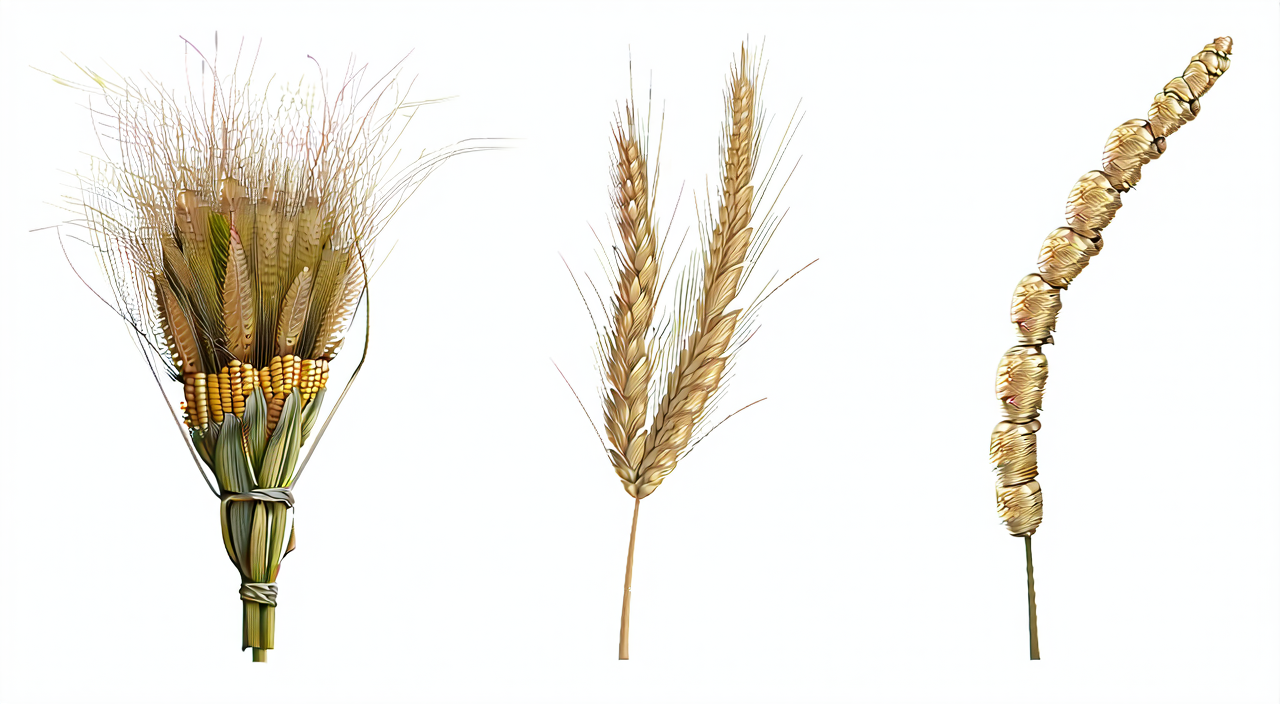
Corn silk, Juncus medulla, and cogongrass rhizome may all appear in traditional discussions related to promoting urination or clearing heat, but their botanical sources and medicinal parts are completely different.
| Herb | Main form | Medicinal part | Key identification features |
|---|---|---|---|
| Corn silk | Slender, thread-like strands | Styles and stigmas | Soft and bundled, ranging from pale yellow to brownish |
| Juncus medulla | Slender, cylindrical stems | Stem pith | Light in texture, with a white or off-white pith visible inside |
| Cogongrass rhizome | Slender, root-like structure | Rhizome | Surface has nodes; the cut surface is hollow or shows a fibrous structure |
Corn silk comes from the female flower structures of maize, Juncus medulla uses the pith of the stem, and cogongrass rhizome comes from the rhizome. The three should not be substituted for one another simply because they are all associated with discussions of dampness, urination, or clearing heat. When purchasing loose herbs, if the appearance is similar or the source is unclear, verify the name, medicinal part, and quality information with a reputable supplier.
Which Traditional Formulas Use Corn Silk?
Corn silk tea is a relatively common traditional form of use. It is typically prepared by decocting corn silk alone or combining it with other foods or herbs, serving as an introductory example of the traditional diuretic direction associated with corn silk. Practices regarding dosage, preparation, and suitable users may vary by region, so fixed methods circulated online should not be regarded as a universal standard.
In formulas for reducing edema through diuresis, corn silk may sometimes be combined with other herbs traditionally used to promote urination, support digestion, or regulate fluid and dampness. In formulas for relieving dampness-related jaundice, it may also be used with other herbs according to the overall pattern. The focus of a formula is not limited to one ingredient; it also includes the relationships among the ingredients, dosage, processing methods, and intended users.
When using patent medicines, compound formulas, or herbal preparations, assess them together with the product instructions, individual constitution, medical history, and professional advice. If you are already taking antihypertensive drugs, blood glucose-lowering drugs, diuretics, or other long-term prescription medicines, do not add corn silk products on your own, and do not stop or change the dosage of prescribed medication without medical advice.
What Precautions Should Be Taken When Using Corn Silk?
First, corn silk may affect factors such as urine volume, blood pressure, or blood sugar. People taking diuretics, antihypertensive drugs, or blood glucose-lowering medicines should be particularly alert to potential additive effects. Anyone with naturally low blood pressure, a tendency to feel dizzy, or a history of hypoglycemia, electrolyte imbalance, or dehydration should consult a doctor or pharmacist before use.
Second, frequent urination does not necessarily mean that the body needs continued diuresis. Using related herbal products during hot weather, inadequate fluid intake, vomiting, diarrhea, or heavy sweating may further complicate fluid and electrolyte management. If you experience marked fatigue, thirst, palpitations, dizziness, muscle cramps, or abnormal urination, stop self-administering the product and seek professional advice promptly.
People who are pregnant or breastfeeding, children, older adults, and those with kidney, heart, or liver and gallbladder problems should receive an individualized assessment before use. During pregnancy in particular, long-term consumption or self-directed combination with other formulas based solely on folk experience is not recommended.
In addition, agricultural byproducts may carry quality risks such as pesticide residues, mold contamination, or heavy metals. Do not use corn silk that is moldy, damp, has an unusual odor, or comes from an unknown source. Do not use uncleaned field material directly as a medicinal herb for long-term consumption. For severe, persistent, or recurrent edema, jaundice, or abnormal urination, or when accompanied by marked anxiety, depression, palpitations, chest tightness, pain, breathing abnormalities, severe abdominal pain, persistent vomiting, black stools, unexplained weight loss, or other concerning symptoms, consult a doctor or qualified professional as soon as possible.
Summary
Corn silk consists of the styles and stigmas of female maize flowers. It usually appears as soft, slender, bundled strands ranging from pale yellow to brownish, and standardized drying is needed before it more appropriately fits the context of medicinal material identification. Traditional Chinese medicine commonly understands it in relation to reducing edema through diuresis and relieving dampness-related jaundice. Modern research has explored areas including diuresis, blood sugar, and blood pressure, but research findings cannot directly replace diagnosis or prescription medication. Before use, consider possible drug interactions, low blood pressure, hypoglycemia, electrolyte abnormalities, pregnancy, and pesticide residues. This article is for educational reference only and cannot replace professional advice.