
What Is Catechu? Medicinal Parts, Identification, and Common Formulas
Catechu is not made from the leaves or fruits of the catechu tree. Rather, it is a traditional Chinese medicinal processed product made by decocting, concentrating, and drying the debarked branches and stems of the catechu tree. It usually appears as irregular dark-colored blocks. Because it has a distinctly astringent taste when placed in the mouth or on the tongue, it is often compared during Chinese medicinal material identification with substances such as gallnuts and dragon’s blood, which are also traditionally associated with astringent or hemostatic uses.
When learning about catechu, overseas Chinese readers may encounter several cases of overlapping terminology. Catechu and catechu paste are sometimes used as similar terms, while certain historical texts or folk product names may also use names that overlap with processed betel nut products. In practice, identification should consider the medicinal source, processing method, appearance, and product labeling rather than relying on the name alone. The following sections provide an educational overview of its form, medicinal source, traditional Chinese medicine concepts, and precautions for use.
What Does Catechu Look Like? How Is It Identified?
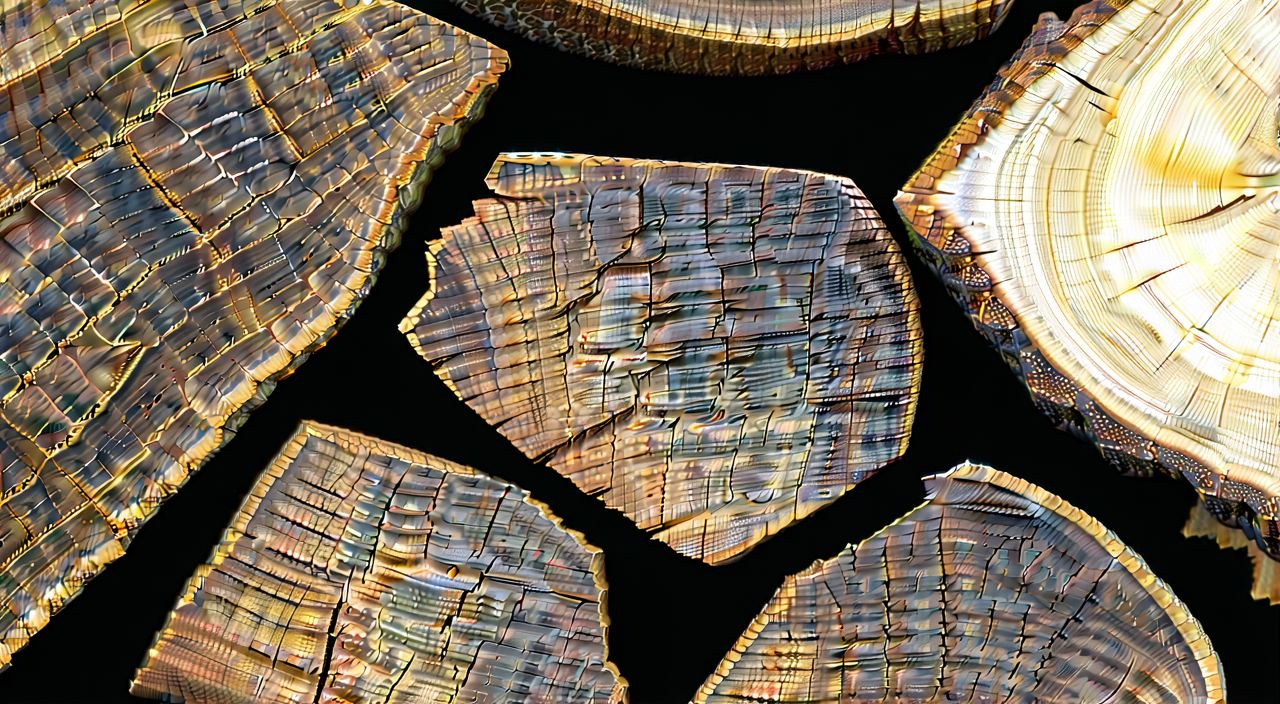
Common Appearance Characteristics
Dried catechu is usually found in irregular blocks, pieces, or fragments, with sizes that vary. Its surface is generally brown to dark brown. Some pieces are relatively smooth, while others may show fine cracks, uneven areas, or marks left by processing and breaking. The material is often hard yet brittle and may fracture when pressure is applied. Differences in color, size, and surface condition between batches may be affected by the raw material, the degree of decoction and concentration, the drying method, and storage conditions.
The cut surface of catechu is usually more informative than its exterior. A fresh cut surface may range from reddish brown and brown to dark brown, and some samples have a certain degree of gloss. Its odor is generally not particularly strong. When tasted, it commonly produces a pronounced astringent sensation, sometimes followed by a slight bitterness. Traditional identification considers color, texture, cut surface, odor, and taste together rather than relying on any single feature.
What to Watch for During Identification
If the medicinal material has an unusually bright color, an abnormally oily sheen, or a pungent odor, or if the fragments contain large amounts of unidentified powder, its source should be treated with caution. Catechu is a processed product, and reliable identification cannot be completed using online images alone. Its color may also change as a result of oxidation, moisture exposure, or light. When purchasing or using packaged products, check the standardized name, source, batch number, net contents, production information, and storage requirements. This can help prevent resinous materials, dyed products, or other dark processed substances with similar appearances from being mistaken for catechu.
What Is the Medicinal Source of Catechu?
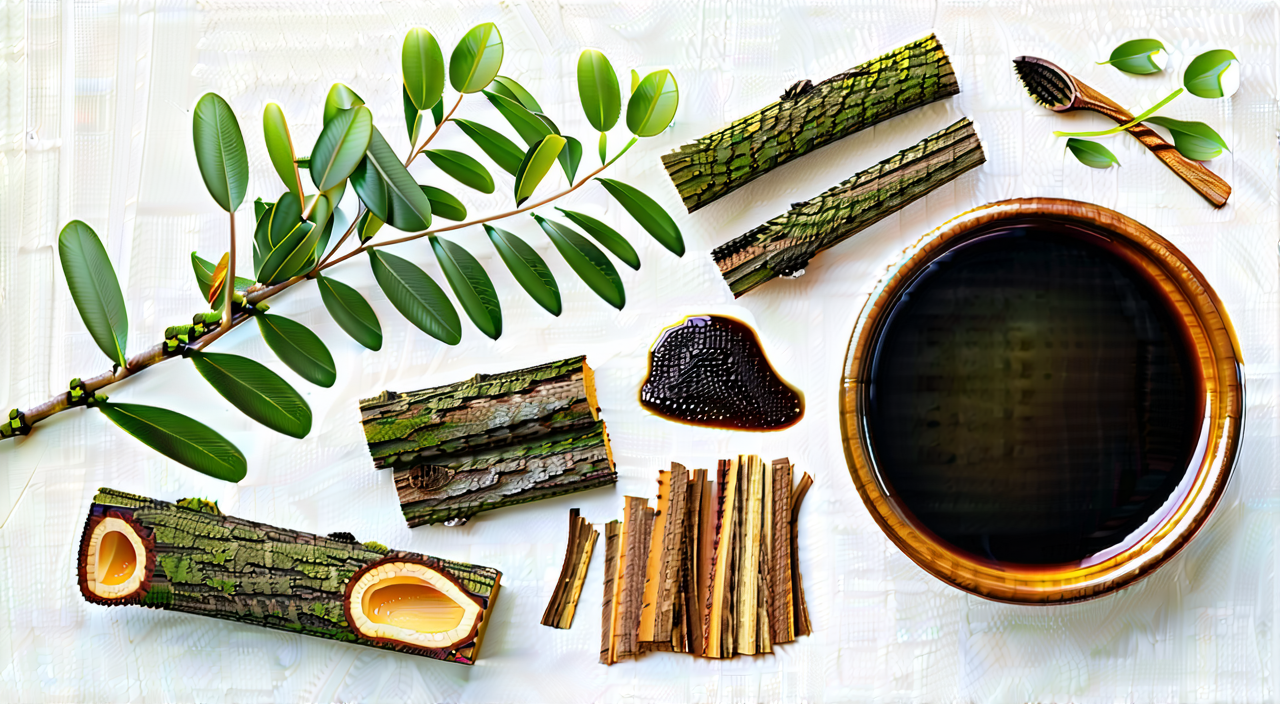
Strictly speaking, catechu is not a complete plant part used directly as medicine. It is a dried decoction extract made from the branches and stems of the catechu tree. Traditional processing generally involves selecting branches or stems of a certain specification, removing the outer bark, cutting or otherwise preparing them, and then decocting them in water so that soluble constituents enter the decoction. The liquid is concentrated into a relatively thick paste, which is then cooled, dried, and cut or broken into pieces to produce the catechu sold on the market.
Therefore, the medicinal source of catechu can be summarized as the water-decocted, concentrated, and dried product of catechu tree branches and stems. It differs from medicinal materials made directly from bark, leaves, flowers, or fruits, and it is not the same as unprocessed plant powder. Catechu paste may sometimes refer to the paste formed during processing and may sometimes be used broadly for dried catechu products. The specific meaning should be confirmed from the context and product label.
Terminological usage also requires attention. In some regions or older sources, catechu, catechu paste, and certain processed betel nut products may have been referred to using overlapping names. This does not mean that their botanical sources, processing methods, or medicinal standards are the same. When used in a formula or topical preparation, the formal medicinal name and product quality information should be followed.
How Does Traditional Chinese Medicine Understand Catechu?
Traditional Chinese medicine commonly understands catechu in terms of astringing,止血, reducing swelling, and promoting tissue healing. Based on traditional herbal texts and formula applications, its commonly described traditional uses include promoting blood circulation and relieving pain, stopping bleeding and promoting tissue repair, drying dampness and astringing sores, as well as clearing the lungs and transforming phlegm. These descriptions summarize traditional theory and historical applications and do not represent a diagnosis for any particular disease or individual symptom.
For topical use, catechu is often included in traditional formula approaches for skin damage, moist wounds that fail to heal properly, or localized oral discomfort. These applications primarily reflect its traditional astringent, dampness-consolidating, and tissue-healing properties. In formulas related to injuries from falls or blows, it may be combined with herbs traditionally used to promote blood circulation and relieve pain. The composition, proportions, dosage form, and directions for use can vary considerably between formulas. The presence of catechu alone does not mean that all such formulas have exactly the same indications.
In internal formulas or traditional combinations involving the respiratory tract, catechu has also been used in approaches related to clearing the lungs and transforming phlegm. Such applications require greater attention to pattern differentiation and professional judgment. For coughing, phlegm, chest tightness, or abnormal breathing, the underlying cause should first be assessed. Catechu should not be used on one’s own as a substitute for appropriate examination and treatment.
What Can Modern Research Tell Us?
Modern research commonly examines polyphenols, catechins, and other analyzable constituents in the plant from which catechu is derived. Experimental investigations have explored areas such as antioxidant activity, astringency, and localized antimicrobial activity. It is important to emphasize that findings from laboratory, animal, or in vitro studies cannot be directly equated with effects in humans, nor can they be used to determine the treatment of disease.
Catechu is a decoction-extract product, and its composition may be influenced by the origin of the raw material, the harvested plant part, decoction time, degree of concentration, and storage conditions. Test results may therefore differ between products. Modern research is more useful for understanding the chemical and processing characteristics of the medicinal material and should not be used as a basis for independently increasing the dose, extending the duration of use, or replacing professional advice.
How Does Catechu Differ from Gallnuts and Dragon’s Blood?
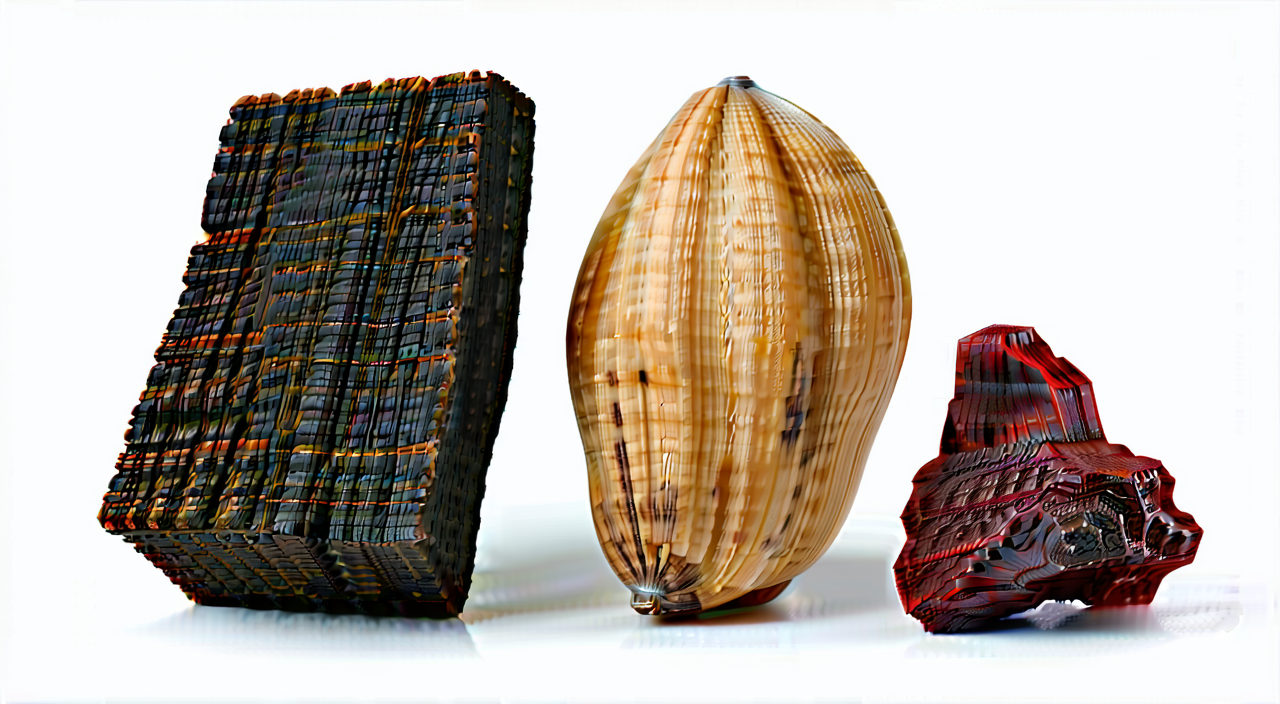
Catechu, gallnuts, and dragon’s blood may all be associated with traditional hemostatic, astringent, or topical uses, but their sources and forms are different.
| Medicinal Material | Main Source | Common Form | Key Identification Features |
|---|---|---|---|
| Catechu | Water-decocted, concentrated, and dried product made from catechu tree branches and stems | Irregular brown to dark brown blocks | The cut surface may be glossy, the taste is astringent, and it is a decoction-extract product |
| Gallnuts | Insect galls formed when insects such as gall aphids infest plants | Usually irregular sac-like or angular structures with wrinkles and projections | An insect gall rather than a stem decoction; the outer shell shape is distinctive |
| Dragon’s blood | Resin or resinous secretion from certain plants | Red, dark red, or reddish-brown resinous blocks | Usually more red in color, with texture and cut-surface characteristics different from catechu |
In simple terms, catechu is the concentrated and dried product of decocted branches and stems; gallnuts are insect galls formed when plant tissue is affected by insects; and dragon’s blood is primarily a resinous medicinal material. All three may appear as dark-colored blocks, but their sources, processing methods, and traditional application emphases differ. If the appearance is difficult to judge, confirmation through a reputable source and professional identification is recommended.
Which Formulas Contain Catechu?
Qili San
Qili San is one of the names used for a traditional Chinese patent medicine or formula. Its historical applications are commonly associated with injuries from falls or blows, blood stasis, and pain. The exact composition may vary according to formulation standards, region, and product version. Some formulas contain catechu together with herbs traditionally used to promote blood circulation, relieve pain, or disperse blood stasis. It should not be considered a universal solution for every type of injury. In particular, deep or heavily contaminated wounds, persistent bleeding, or suspected fractures require prompt professional care.
Catechu Powder
Catechu Powder is generally the name of a powder preparation in which catechu is one of the principal medicinal ingredients. Traditionally, it may be used in approaches involving the mouth, skin, or localized topical application. Different products called Catechu Powder may vary in composition, concentration, application site, and directions for use. The name alone should not be used to determine the dose. Before use, read the product instructions, confirm whether it is intended for topical use, and do not take a topical powder orally.
Topical Formulas for Oral Ulcers
Some traditional topical formulas or Chinese patent medicines intended for local oral use combine catechu with other ingredients traditionally associated with astringing, clearing heat, or promoting tissue repair. These are used in traditional approaches to oral mucosal discomfort. Because the oral mucosa is sensitive, topical products should be used strictly according to their instructions. If an ulcer does not heal for a long time, keeps recurring, is extensive, or is accompanied by severe pain, fever, difficulty swallowing, weight loss, or other symptoms, consult a doctor or oral health professional rather than relying solely on topical medicinal materials.
What Precautions Should Be Taken When Using Catechu?
First, catechu has a pronounced astringent taste and astringent properties. Direct contact with the mouth or other mucous membranes may cause irritation, dryness, stinging, or discomfort in some people. For topical products, confirm the intended application site, concentration, and frequency of use. Stop using the product and consult a professional if significant discomfort occurs. Do not apply powders of unknown origin directly to the eyes, deep wounds, or large areas of damaged skin.
Second, the condition of an injury must be assessed appropriately. If there is persistent bleeding, a deep laceration, a retained foreign object, an animal bite, significant redness and swelling with pus, fever, or restricted movement, a catechu-based topical product cannot replace wound cleaning, disinfection, suturing, or other standard care. Seek medical attention promptly if signs of infection have developed.
People who are pregnant or breastfeeding, children, older adults, and those taking anticoagulant or antiplatelet medications should consult a doctor or pharmacist before using catechu-containing internal preparations or compound products. Long-term or high-dose internal use should not be attempted without professional guidance. People with chronic conditions should also tell a healthcare professional the specific product, dose, and duration of use.
Finally, pay attention to dyeing, adulteration, and storage. Products with an unusually uniform color, obvious color leaching, an abnormal odor, or incomplete packaging information should not be used casually. Catechu should be stored away from light and moisture according to the instructions. If it becomes moldy, develops an unusual odor, or undergoes an obvious change in appearance or texture after exposure to moisture, continued use is not recommended.
Summary
Catechu is a block-shaped processed product made by decocting, concentrating, and drying the branches and stems of the catechu tree. It is commonly brown to dark brown, may have a glossy cut surface, and has a distinctly astringent taste. It is not the same medicinal material as gallnuts, which are insect galls, or dragon’s blood, which is resinous. Catechu may traditionally be used in Qili San, Catechu Powder, and certain topical formulas for oral use, but suitability should be assessed according to the product instructions, individual circumstances, and professional advice. This article is for educational reference only and cannot replace professional diagnosis or treatment advice.