
What Is Toad Venom? Its Medicinal Source, Identification, and Common Preparations
What is toad venom? It is neither toad skin nor an ordinary animal-derived medicinal material, but a medicinal substance produced by drying and processing secretions from the glands of specific toad species. In traditional Chinese medicine, toad venom has potent medicinal effects as well as significant toxicity, so its sourcing, processing, distribution, and use are generally subject to relevant regulations. When learning about preparations such as Liushen Pills and Toad Venom Pills, overseas Chinese readers often ask questions such as “What does toad venom look like?” and “What is the difference between toad venom and toad skin?” The following overview explains these issues from the perspectives of medicinal origin and safety education.
What Does Toad Venom Look Like? How Can It Be Identified?
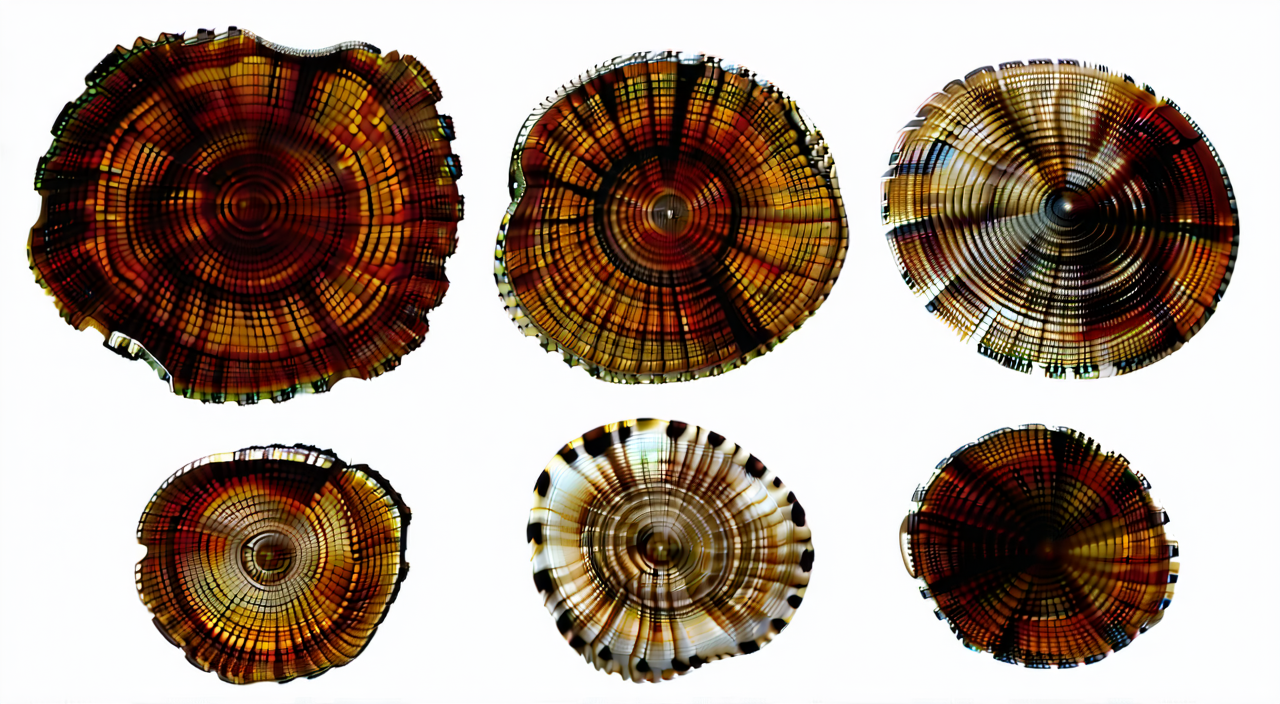
Commercial toad venom commonly appears as flattened, round masses, flakes, or irregular blocks. The outer surface is usually brownish-black, reddish-brown, or dark brown. Some samples have a relatively glossy surface, although their appearance may vary depending on the degree of drying, storage conditions, and processing methods. The texture is often brittle or slightly sticky, and it may change when exposed to heat or moisture.
The cut surface is one of the important features used when observing toad venom. Its fracture commonly has a keratin-like or waxy luster, with colors ranging from light brown to reddish-brown and a relatively dense texture. Toad venom also has a distinctive odor, usually with a pungent or fishy quality. Color, shape, or odor alone cannot confirm authenticity. Formal identification should still rely on pharmacopoeial standards, professional testing, and information from a compliant supply chain.
It is especially important not to identify toad venom by licking it or trying a small amount. Because it contains complex active constituents and may be highly toxic, nonprofessionals should not independently identify, repackage, or handle samples from unknown sources.
What Is the Medicinal Part of Toad Venom?
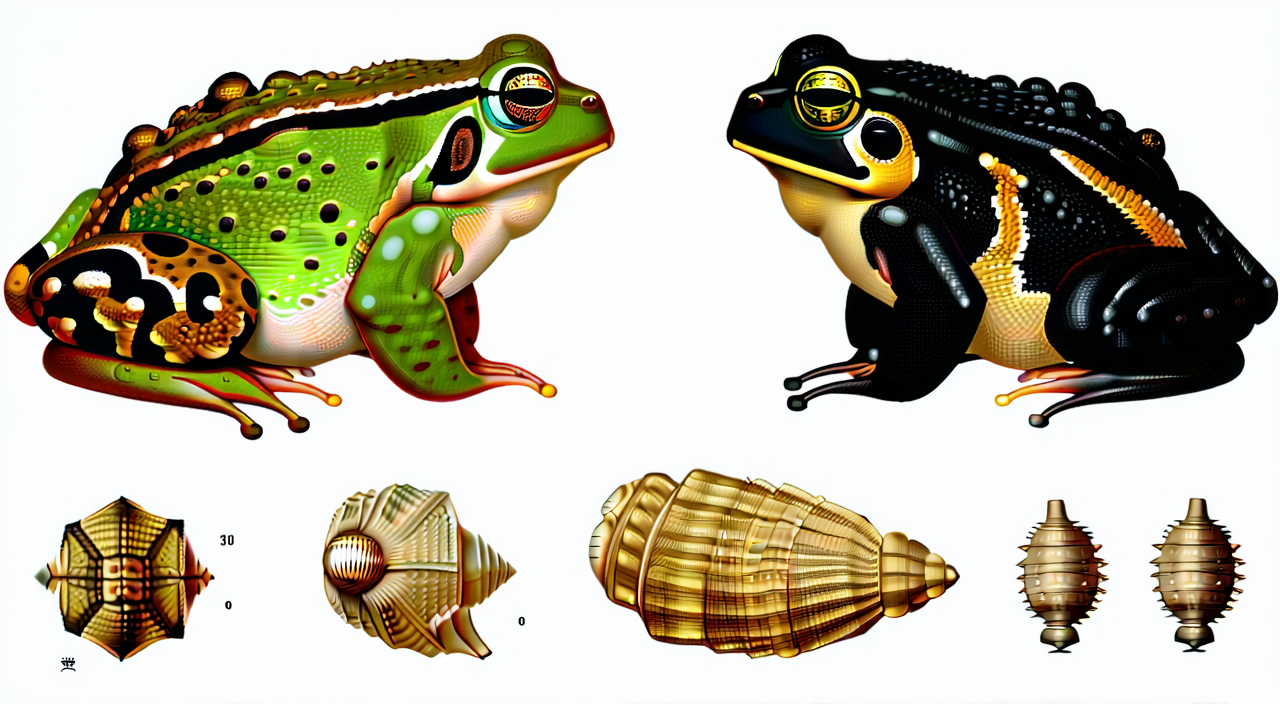
From the perspective of medicinal origin, toad venom is the dried and processed secretion from the postauricular and skin glands of the Asiatic toad or black-spectacled toad. In other words, the medicinal material primarily consists of glandular secretions produced by the toad, not the entire animal and not simply toad skin.
The formation of toad venom is related to the animal species, the composition of the glandular secretions, drying and processing methods, and storage conditions. The appearance and composition may vary between batches, so properly sourced medicinal materials generally require origin verification, quality testing, and standardized management. This article explains only the medicinal source and does not provide instructions for collection, extraction, drying, or preparation. Capturing toads and collecting their secretions independently may cause harm to the animals and may also create risks of poisoning, contamination, and legal noncompliance.
When purchasing products across borders or reviewing product information, check whether the product clearly lists its ingredients, approval details, manufacturer, and directions for use. Toad venom or related preparations with unclear origins, damaged packaging, or no compliant labeling should not be used without professional guidance.
How Does Traditional Chinese Medicine Understand Toad Venom?
Traditional Chinese medicine commonly considers toad venom from the perspectives of detoxification, pain relief, and opening the orifices to restore consciousness. Some materia medica and formula systems also incorporate it in traditional approaches related to boils, throat discomfort, oral and tongue problems, and localized swelling and pain. These descriptions belong to the traditional medicinal and application context and do not constitute diagnoses or treatment conclusions in the sense of modern medicine.
Toad venom has potent medicinal properties, and traditional use places strong emphasis on dosage, processing, compatibility with other ingredients, and the appropriate scope of use. The amount of toad venom, combined ingredients, dosage form, and approved indications may differ among preparations. The fact that one preparation contains toad venom does not mean that all products have the same effects or directions for use. Suitability should be assessed in light of an individual’s constitution, symptoms, medical history, current medications, and the product instructions.
People who are pregnant or breastfeeding, children, older adults, and those with heart disease, rhythm problems, or impaired liver or kidney function should consult a doctor or pharmacist first. The name of a traditional medicinal material and its customary uses cannot replace an individualized professional assessment.
What Risks Are the Focus of Modern Research?
Modern research often examines bufadienolide compounds in toad venom and their effects on the cardiovascular and nervous systems. In pharmacological studies, these compounds may display effects resembling those of cardiac glycosides. This also means that the safety margin may be narrow, and overdose, accidental ingestion, combined exposure to similar ingredients, or individual sensitivity may increase the risks.
Potential risks associated with toad venom include arrhythmia, abnormal heart rate, nausea, vomiting, dizziness, fatigue, changes in mental status, and nervous system abnormalities. In severe cases, seizures, circulatory instability, or other life-threatening symptoms may occur. Responses vary among individuals, so previous traditional use or the belief that a product contains “only a small amount” should not lead to complacency.
If toad venom or a preparation containing it is accidentally swallowed and symptoms such as nausea, persistent vomiting, palpitations, chest tightness, dizziness, seizures, abnormal breathing, or changes in consciousness occur, stop exposure immediately and contact local emergency services or a poison control center as soon as possible. Do not induce vomiting or attempt to neutralize the toxicity with alcohol, milk, or other foods. When seeking medical care, take the original packaging or ingredient information if possible.
What Is the Difference Between Toad Venom, Toad Skin, and Bezoar?
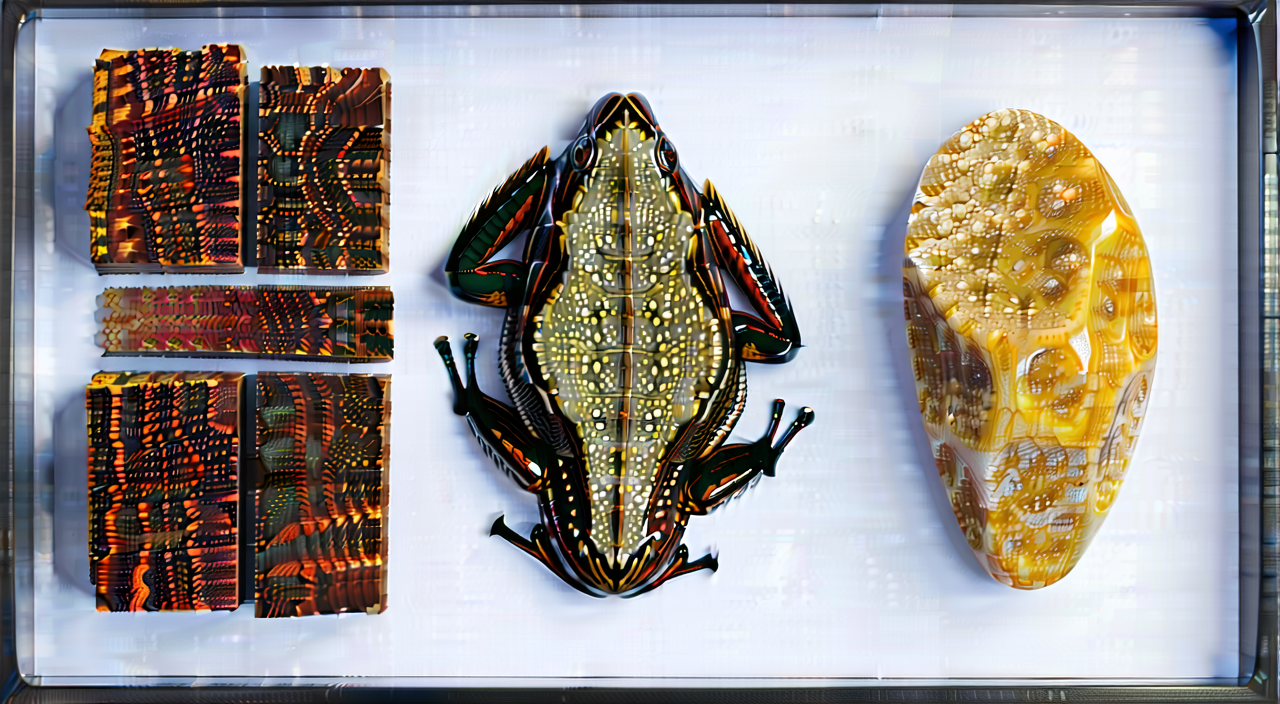
Toad venom, toad skin, and bezoar may all be discussed in connection with animal-derived medicines or traditional medicinal materials, but their origins and forms are different.
| Name | Primary source | Common form | Key point |
|---|---|---|---|
| Toad venom | Secretions from the postauricular and skin glands of the Asiatic toad or black-spectacled toad | Flattened, round masses, flakes, or irregular blocks | A dried and processed glandular secretion with significant toxicity |
| Toad skin | The skin of a toad | Dried skin pieces or sections | An animal skin that should not be understood as the same medicinal material as toad venom |
| Bezoar | Stone-like material found in the gallbladder, bile ducts, or hepatic ducts of cattle, depending on applicable standards | Usually spherical, oval, or irregular blocks | A stone-like animal-derived medicine with an entirely different source from toad venom |
Similarity in appearance does not mean that these substances can substitute for one another. Although toad venom and toad skin both come from toads, they differ in medicinal part, constituent profile, traditional applications, and risk management. Bezoar, meanwhile, comes from the biliary system of cattle and cannot be identified solely by its color or block-like appearance. Unlabeled samples should not be used independently based on a name or appearance.
What Common Preparations Contain Toad Venom?
In legally approved traditional Chinese patent medicines, toad venom may be included as one component of a compound formula. Common names include Liushen Pills, Toad Venom Pills, and Plum Blossom Pointing-Tongue Elixir. The formula composition, approval information, and package insert may vary by region, manufacturer, and dosage form, so the label of the legally marketed local product should be followed.
These formulas or traditional Chinese patent medicines are often used within traditional approaches for related conditions, but their indications should not be inferred from their names alone. Different products should not be combined, used in overlapping doses, or taken at increased doses without professional advice. When reading the label, pay particular attention to the ingredient list, contraindications, adverse reactions, storage requirements, and warnings for special populations. Anyone taking medications that affect heart rate, blood pressure, or electrolyte levels should explain their situation to a doctor or pharmacist first.
Children, pregnant people, breastfeeding individuals, and those with chronic diseases should not independently try preparations containing toad venom. For severe, persistent, or recurring throat discomfort, pain, swelling, or related symptoms, the cause should first be clarified so that a professional can determine whether the relevant treatment is appropriate.
What Precautions Are Needed When Using Toad Venom?
Toad venom is highly toxic. Consumers should not independently collect it, taste or ingest samples from unknown sources, or apply unprocessed toad venom to mucous membranes, the eyes, or damaged skin. If significant irritation occurs after contact, promptly rinse the exposed area with plenty of clean water and seek professional help according to the symptoms. Do not store toad venom powder together with food, beverages, or other medicinal materials, as this could result in accidental ingestion or cross-contamination.
When using a legally approved preparation containing toad venom, follow the product instructions and professional advice strictly. Do not independently divide doses, alter the dosage form, or combine it with other products containing similar animal-derived ingredients. If palpitations, chest tightness, nausea, vomiting, dizziness, seizures, abnormal breathing, fainting, or similar symptoms occur, seek emergency medical care immediately. Severe, persistent, or recurring symptoms, as well as symptoms accompanied by marked anxiety, depression, pain, or other abnormalities, should also be evaluated by a doctor or qualified professional.
Summary
Toad venom is a dried and processed preparation made from secretions of the postauricular and skin glands of the Asiatic toad or black-spectacled toad. It commonly appears as a brownish-black to reddish-brown mass with a keratin-like cut surface, but authenticity cannot be confirmed by appearance alone. Its medicinal source differs from that of toad skin and bezoar, and preparations containing it are subject to significant usage restrictions. Because toad venom may pose cardiovascular and nervous system risks, it should not be collected, tasted, or applied externally without professional guidance. Use should be assessed in light of the product instructions, individual circumstances, and professional advice. This article is for educational reference only and cannot replace professional diagnosis or treatment recommendations.