
What Is Cantharides? Medicinal Parts, Identification, and Common Preparations
What is cantharides? Many people first hear about it through the name of a medicinal material, traditional medical texts, or certain professional preparations. Unlike ordinary ornamental beetles, cantharides comes from specific blister beetles in the Meloidae family. The dried whole insect may be used medicinally and contains the highly toxic compound cantharidin. Because both oral and topical use may cause significant irritation and serious injury, cantharides is not a household remedy suitable for self-experimentation. The following sections explain its source, appearance, traditional understanding, and modern safety risks.
What Does Cantharides Look Like? How Can It Be Identified?
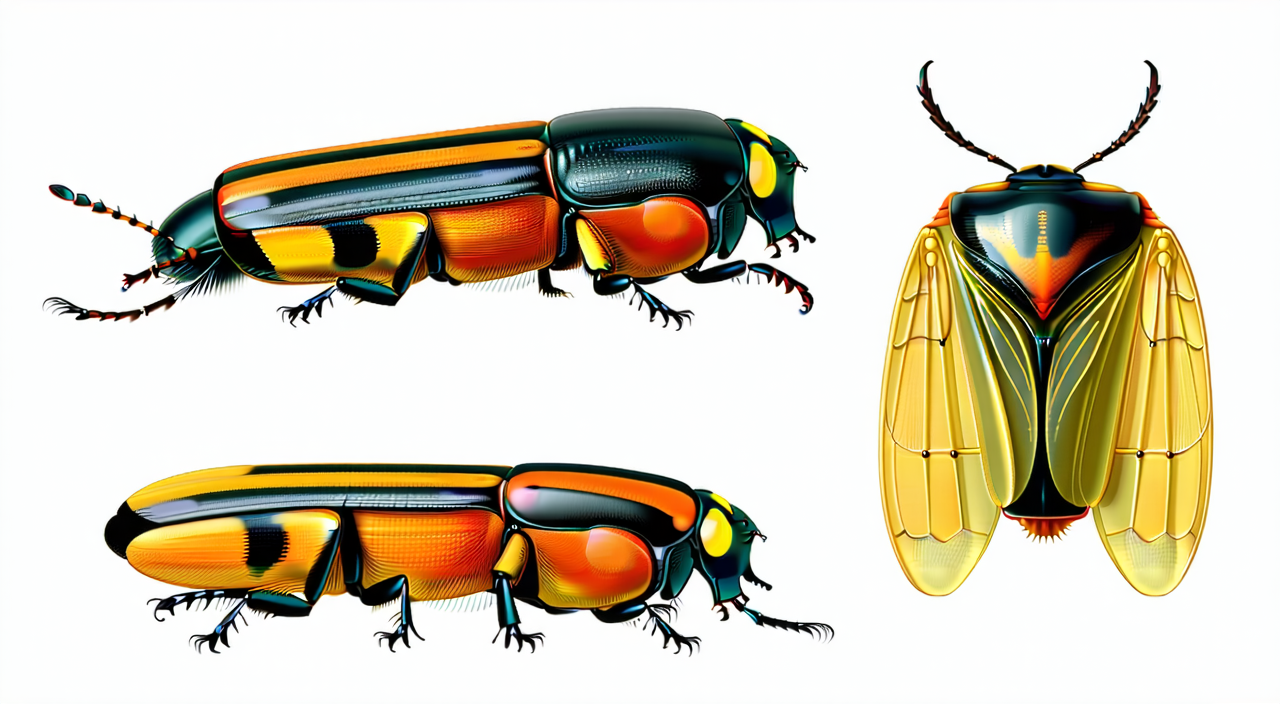
In traditional medicinal materials, cantharides mainly refers to the dried bodies of the southern large blister beetle or the yellow-and-black small blister beetle. Adults are generally elongated and oval, with bodies consisting of the head, thorax, and abdomen and covered by relatively hard wing cases. Color varies among species and individual insects. Common features include a black or dark base color with orange-yellow, yellow-brown, or reddish-yellow transverse stripes or patches.
Viewed externally, the wing cases cover the abdomen, while the legs are slender and the head and thorax are relatively distinct. After drying, the insect body is often fairly intact but becomes brittle. The markings and body proportions of the yellow-and-black small blister beetle may differ from those of the southern large blister beetle. Proper identification of the medicinal material also requires consideration of its source, physical characteristics, specifications, and professional testing; color or online photographs alone are not sufficient.
It is especially important to understand that insects with similar appearances do not necessarily have the same chemical composition or risks. Beetles captured in the wild, dried insect specimens, and insects from unknown sources must not be used as medicinal materials simply because they look like cantharides. This section is intended only for general natural-science education and basic identification, and does not provide a basis for personal collection, processing, or medicinal use.
What Is the Medicinal Part of Cantharides?
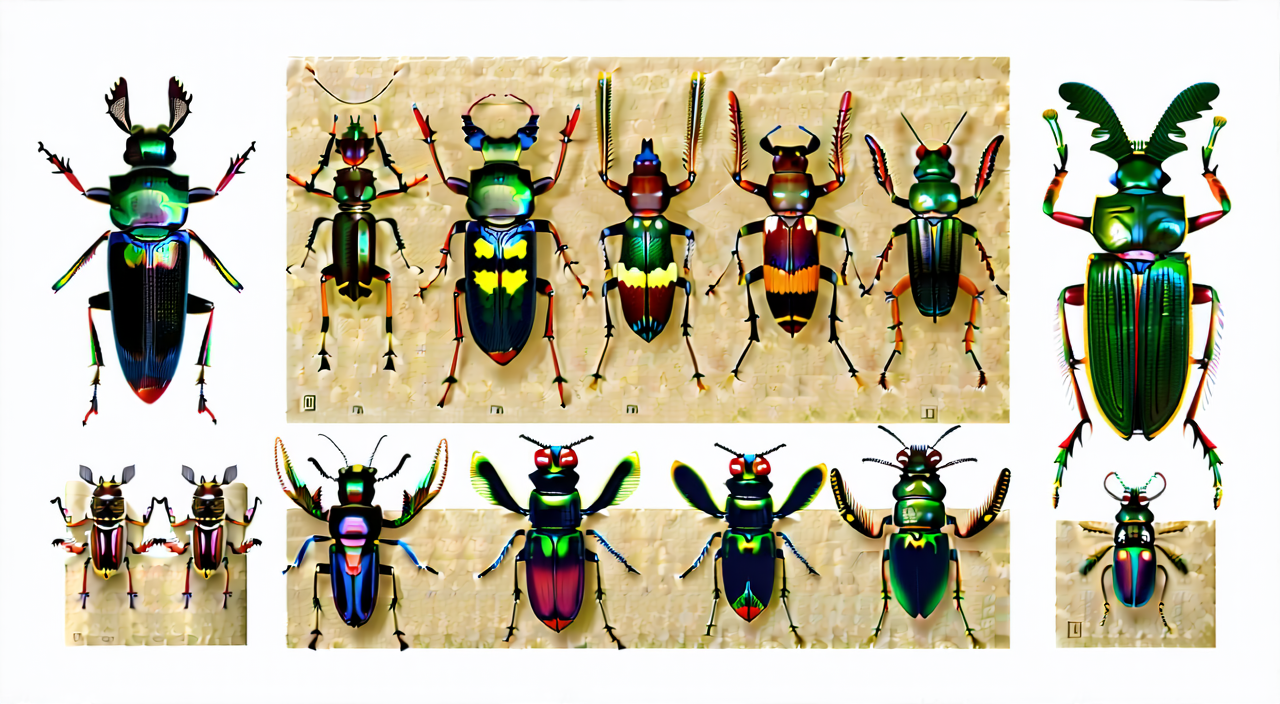
The medicinal part of cantharides is generally the dried whole insect, rather than a particular section such as a root, stem, or leaf, or an isolated tissue. After standardized processing, the material retains the insect’s overall form. Its specific quality, specifications, and permitted uses should be determined according to legally recognized medicinal-material standards and testing by professional suppliers.
Traditional processing references include methods such as stir-frying with rice. The purpose is to alter the state of the material, reduce irritation, or facilitate subsequent use through standardized processing. This does not mean that the toxicity is completely eliminated, nor does it mean that home processing is safe. Stir-frying with rice involves requirements for temperature, duration, containers, operating conditions, and quality control. It should not be attempted at home based on written descriptions. Processed cantharides must not be ground into powder, soaked in alcohol, or swallowed directly.
For Chinese-speaking users overseas, the medicinal name, species source, and regulatory requirements may differ by country or region. If a product is labeled as cantharides, cantharides powder, cantharides extract, or a product containing cantharidin, first verify its legality, ingredients, and permitted uses, and consult a local doctor, pharmacist, or other qualified healthcare professional.
How Does Traditional Chinese Medicine Understand Cantharides?
Within traditional materia medica and traditional Chinese medicine, cantharides is often understood in terms such as “attacking toxins and eroding sores” and “breaking up blood stasis and removing blood stagnation.” Historically, it has also been associated with topical approaches for certain skin conditions, areas of stagnation, or localized lesions. These concepts belong to traditional theory and historical application contexts. They should not be directly equated with indications in modern medicine, nor should they be used as a basis for deciding on oral or topical use without professional guidance.
Cantharides is potent and toxic, and traditional texts generally emphasize dosage, processing, compatibility with other substances, and contraindications. Even when historical records describe specific uses, they must not be copied without considering modern drug regulation, product instructions, and individual circumstances. Children, pregnant or breastfeeding individuals, and people with abnormal liver or kidney function, digestive-tract problems, or sensitivity to irritants should especially avoid handling or using it without professional advice.
When cantharidin-related preparations are involved, suitability must be assessed based on the specific product, application site, dosage form, medical history, and professional recommendations. Traditional uses can serve only as an introduction to the background of this medicinal material and cannot replace a doctor’s assessment of an actual health problem.
What Risks Involving Cantharidin Are Highlighted by Modern Research?
One of the main risk compounds in cantharides is cantharidin. Cantharidin is highly irritating to the skin, mucous membranes, and urinary system. Contact or ingestion may cause burning pain, redness, swelling, blisters, and erosions. Once absorbed into the body, it may also damage the urinary tract, resulting in painful urination, increased urinary frequency, blood in the urine, or changes in urine output.
In more serious cases, cantharidin poisoning may affect the gastrointestinal tract, liver, and kidneys, causing nausea, vomiting, abdominal pain, difficulty swallowing, dehydration, or abnormal laboratory results. High-dose exposure may lead to acute kidney injury, liver and kidney toxicity, or even be life-threatening. Topical use is not inherently safe either; application to damaged skin, mucous membranes, areas around the eyes, or large areas of the body increases the risks of absorption and irritation.
If accidental ingestion, misuse, or contact is followed by blood in the urine, persistent abdominal pain, repeated vomiting, marked burning in the mouth or throat, dizziness, weakness, reduced urine output, jaundice, or altered consciousness, stop contact immediately and seek emergency medical care as soon as possible. Bring the product packaging or ingredient information with you. Do not induce vomiting or use alcohol, oils, or other home remedies for treatment.
How Does Cantharides Differ from Ordinary Beetles and Other Blister Beetles?

“Beetle” is a broad insect classification, and many insects with different appearances may be called beetles in everyday language. Cantharides generally refers to blister beetles from specific sources that meet medicinal-material standards. The term “blister beetle” may refer to a related group of insects and may also appear in local common names or commercial product names. Similar names therefore do not mean that materials can be substituted for one another.
Ordinary beetles, ladybirds, leaf beetles, and other insects with black-and-yellow markings may be confused with cantharides in photographs. Body color, length, or the presence of wing cases alone cannot reliably confirm a species, much less determine its cantharidin content or medicinal value. Identification of medicinal materials should rely on standardized sourcing, examination of physical characteristics, necessary microscopic or physicochemical testing, and professional judgment.
For these reasons, individuals should not capture insects outdoors or use insects from unknown sources for soaking in alcohol, topical application, grinding into powder, or other forms of processing. For samples suspected to be cantharides, the most important precautions are to avoid repeated bare-hand contact and to have them handled by a professional institution.
What Common Preparations Contain Cantharides?
Preparations associated with cantharides mainly include legally approved cantharidin-related products used within professional healthcare systems, as well as certain topical preparations that have appeared historically. Regulations concerning ingredients, concentrations, dosage forms, permitted uses, prescription requirements, and sales channels may differ between countries and regions. A product’s nature cannot be determined from its name alone.
Professional medical preparations generally provide clear information about the active ingredient, concentration, application site, and warnings. Historical topical preparations mainly reflect traditional medicine and early pharmaceutical-use contexts; they do not mean that people can prepare or use them independently today. In particular, solutions, creams, tinctures, and other preparations containing cantharidin should be used strictly according to approved instructions, professional guidance, and local regulations.
This article does not recommend the use of any specific preparation. For any product containing cantharides, cantharidin, or related extracts, first verify the complete ingredient list, manufacturing information, and approval details. Then consider your individual circumstances and professional advice. Do not combine different dosage forms or independently increase the contact area, frequency, or duration of use.
What Precautions Are Needed When Using Cantharides?
Cantharides is a high-risk medicinal material with prominent toxicity warnings, and ordinary individuals should not take it orally without professional supervision. Do not soak cantharides in alcohol, grind it into powder for ingestion, or apply unprofessionally guided cantharides or related products to warts, wounds, eczema, mucous membranes, or other skin lesions. Claims such as “small amounts,” “localized use,” or “processed” cannot guarantee safety.
When handling suspected medicinal materials or preparations, avoid contact with the eyes, mouth, nose, and damaged skin, and wash your hands promptly afterward. If accidental ingestion, burning or blistering of the skin, eye exposure, blood in the urine, abdominal pain, vomiting, or reduced urine output occurs, seek medical attention promptly or contact a local poison information service. Severe, persistent, or recurring symptoms, or symptoms accompanied by obvious palpitations, chest tightness, abnormal breathing, or ongoing unexplained weight loss, also require consultation with a doctor or other professional. Do not attempt to treat these conditions with cantharides on your own.
Summary
Cantharides is a medicinal material consisting of the dried whole body of specific blister beetles in the Meloidae family. It may have an elongated oval body, wing cases, and black-and-yellow markings, but it should not be identified or used independently based on appearance. The cantharidin it contains is significantly toxic, and both oral and topical exposure may damage the urinary tract, liver, kidneys, and other tissues. Related preparations should be limited to legal, standardized use under professional guidance. This article is for general educational reference only and cannot replace professional diagnosis or medication advice.