
What Is Asafoetida? Medicinal Parts, Identification, and Common Formulas
What is asafoetida? For people encountering this medicinal material for the first time, its strong, garlic-like odor is often the most memorable feature. Asafoetida is not an ordinary spice, nor is it interchangeable with every aromatic medicinal material that appears in resin form. In traditional herbal medicine, asafoetida generally refers to the oleo-gum-resin exuded from the roots and rhizomes of plants such as Xinjiang asafoetida and Fukang asafoetida. It is collected, allowed to coagulate, and dried before use. Differences in source, processing methods, and storage conditions may affect its color, hardness, and odor intensity.
It is important to note that in commercial contexts, spice resins with similar names may also be discussed together with medicinal asafoetida. Their sources, specifications, uses, and suitable users may not be the same, so they should not be identified solely by odor or name. The following sections explain the material’s appearance, traditional applications, and precautions for use.
What Does Asafoetida Look Like? How Can It Be Identified?
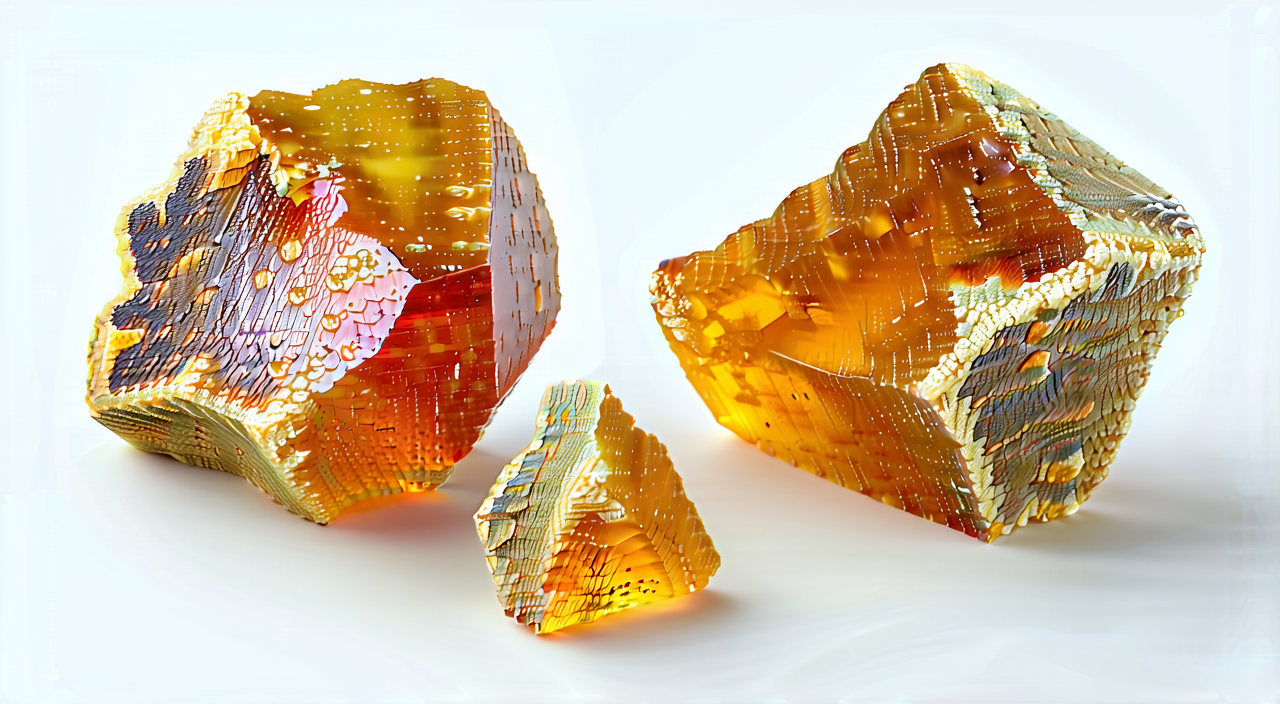
Asafoetida is usually found in irregular blocks, clumps, or paste-like masses, and samples may contain coagulated pieces of different sizes. Common colors range from yellowish white and pale yellow-brown to reddish brown, changing with storage time, oxidation, and the amount of impurities present. Its texture may be somewhat sticky or may become hard as it dries, and its surface is not necessarily smooth or even.
When cut or broken, some samples reveal a waxy or resin-like fracture surface, which is often more uniform in color than the exterior. Asafoetida’s most distinctive identifying feature is its odor: strong and pungent, often described as garlic-like or sulfurous. The odor is affected by temperature, airtightness, and freshness, and it is usually most noticeable when the package is first opened.
What to Observe When Identifying It
First, examine the form: is it an irregular block or paste-like substance formed by coagulated resin? Second, check the color: does it range from yellowish white to reddish brown? Third, inspect the fracture surface: does it have a waxy or resin-like texture? Fourth, smell it: does it have a distinct and pronounced garlic-like odor? No single feature is sufficient to confirm the identity of a variety. If it is intended for medicinal use, also consider the reliability of the source, product labeling, batch information, and professional identification.
What Are the Medicinal Parts of Asafoetida?

The medicinal part of traditional asafoetida is primarily the oleo-gum-resin exuded from the roots and rhizomes of plants such as Xinjiang asafoetida and Fukang asafoetida. After the plant tissue is naturally or artificially stimulated, its milky secretions gradually emerge, coagulate when exposed to air, and are then collected and dried to produce the medicinal material. Because it is not an entire root, leaf, or fruit, its appearance mainly reflects the color, hardness, and coagulation state of the resin.
After collection, asafoetida is generally dried and stored in suitable conditions, away from high temperatures, moisture, and strong odors. Oleo-gum-resins can readily absorb surrounding odors and may soften or stick together when temperatures change, so the quality of the packaging seal can affect the user experience. Medicinal resin and asafoetida-type spices intended for seasoning may differ in plant source, processing specifications, and quality standards. Confirm the specific product labeling before use.
How Does Traditional Chinese Medicine Understand Asafoetida?
In traditional Chinese medicine theory, asafoetida is often understood in terms of its strong odor and its dispersing and mobilizing qualities. Traditional descriptions commonly include resolving food accumulation, transforming concretions, dispersing masses, and expelling parasites. Terms such as “resolving accumulation” and “transforming masses” belong to traditional classifications of effects. They are intended to help explain classical texts and formula combinations, and do not represent conclusions about modern medical diagnosis or treatment.
From the perspective of herbal combinations, asafoetida is often discussed in traditional approaches related to food accumulation, abdominal masses, abdominal accumulations, or parasitic accumulation. Because its odor is pungent and intense, traditional use generally emphasizes dosage, formulation, and individual differences. A person should not decide to use it in large amounts or for an extended period based solely on the traditional description of one herb. If persistent abdominal discomfort, significant pain, repeated vomiting, black stools, unexplained weight loss, or an unusual palpable mass occurs, consult a doctor promptly rather than relying only on herbal care.
How Does Modern Research View Asafoetida?
Modern research commonly examines the volatile compounds, resin components, and coumarins found in asafoetida and related plants. Researchers may study these materials through component analysis, in vitro experiments, or reviews of traditional applications. Such studies can help clarify the herb’s chemical composition, the source of its odor, and variations in quality. However, experimental findings cannot be directly equated with confirmed effects in humans and cannot replace clinical diagnosis or medication advice.
The source of an asafoetida sample, harvest time, drying conditions, and storage state can all influence its chemical composition and odor. When reading modern research, consider whether the material studied belongs to the same species, plant part, and processing method as the product on hand. For patent medicines or compound products, decisions should be based on the complete formula, dosage form, directions, dosage, and product information.
What Is the Difference Between Asafoetida, Benzoin, and Frankincense?
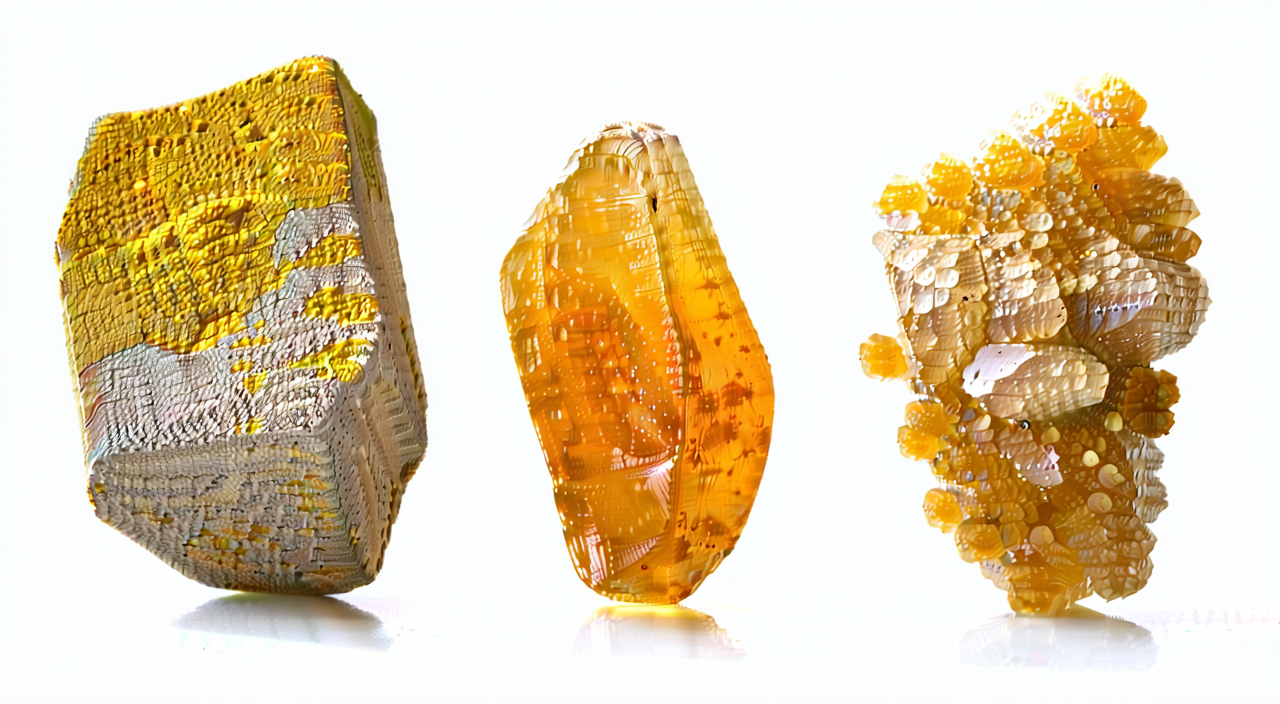
Asafoetida, benzoin, and frankincense are all resinous medicinal materials that are frequently discussed, but their sources, appearances, and odors differ. Asafoetida is mainly associated with the oleo-gum-resin from the roots or rhizomes of plants such as Xinjiang asafoetida and Fukang asafoetida. Its color may range from yellowish white to reddish brown, while its most prominent characteristic is a strong garlic-like odor with a pungent quality.
Benzoin generally comes from trees of the genus Styrax. It commonly appears as tear-shaped pieces, blocks, or granules, with colors ranging from yellowish white and pale brown to reddish brown. Its odor is more aromatic and balsamic-like, clearly different from asafoetida’s garlic-like smell. Frankincense mainly comes from trees of the genus Boswellia. It is commonly found as milky white, pale yellow, or yellow-brown granules, with resinous and balsamic characteristics. Its aroma when burned or heated also differs.
In practice, identification should not rely only on photographs or smell. Resin may change in color and odor after storage, adulteration, or processing. When purchasing or using medicinal materials, consider the source, form, labeling, and professional identification to avoid substituting products with similar names.
Which Formulas Use Asafoetida?
In traditional formula and patent medicine references, Asafoetida Pill is one of the more frequently mentioned formulas containing asafoetida. Traditionally, it is understood in terms of resolving accumulation and dispersing masses. Asafoetida Mass-Resolving Plaster belongs to the category of external plasters. Its traditional application is associated with masses and accumulations, but the specific application site, duration of use, and contraindications should follow the product instructions.
In addition, some traditional formulas for resolving accumulation and transforming concretions may combine asafoetida to reflect its pungent, dispersing, accumulation-resolving, and mass-breaking approach in formulation. The ingredients, dosages, preparation methods, and dosage forms of different formulas can vary greatly. The presence of asafoetida in a formula name does not mean it is automatically suitable for a particular symptom. For Asafoetida Pills, Asafoetida Mass-Resolving Plaster, or other products containing asafoetida, consider personal constitution, current symptoms, product instructions, and professional advice together.
What Precautions Are Needed When Using Asafoetida?
Asafoetida has a strong odor and pungent, potentially irritating properties. People who are pregnant or planning to become pregnant should exercise caution and consult a doctor or qualified professional before use. Those with sensitive digestive systems or a tendency toward stomach discomfort, diarrhea, or acid reflux should not independently try high doses or prolonged use.
People taking anticoagulant or antiplatelet medications, those with a bleeding tendency, or those preparing to undergo surgery should inform their doctor before using products containing asafoetida. Existing medications may interact with herbs or compound preparations, so suitability should not be judged solely by traditional uses.
People sensitive to strong odors, volatile compounds, or resinous substances may experience discomfort after exposure. When using external plasters such as Asafoetida Mass-Resolving Plaster, read the instructions first and avoid broken skin, the area around the eyes, and mucous membranes. If marked redness, itching, burning, blisters, or persistent irritation occurs, discontinue use and consult a qualified professional. If symptoms are severe or recurrent, or are accompanied by pronounced anxiety, palpitations, chest tightness, abnormal breathing, severe abdominal pain, persistent vomiting, black stools, or weight loss, seek medical attention promptly.
Summary
Asafoetida is primarily derived medicinally from the oleo-gum-resin exuded by the roots and rhizomes of plants such as Xinjiang asafoetida and Fukang asafoetida. It commonly has an irregular block-like or paste-like appearance, a waxy fracture surface, and a strong garlic-like odor. It differs from benzoin and frankincense in source, color, and aroma, and is traditionally used in formulas aimed at resolving accumulation and transforming masses. Whether formulas or external plasters containing asafoetida are suitable depends on the product instructions, individual circumstances, and professional advice. This article is for educational reference only and cannot replace professional diagnosis or treatment advice.