
What Is Xun Gu Feng? Medicinal Parts, Identification, and Safety Risks
What is Xun Gu Feng? People interested in traditional Chinese medicinal materials may encounter this name in classical materia medica texts, regional herbal catalogs, or folk practices related to dispelling wind and dampness. It is important to clarify that Xun Gu Feng is not an ordinary herb suitable for self-purchase, collection, or long-term use. In traditional contexts, Xun Gu Feng is often associated with the aerial parts of Aristolochia plants such as Aristolochia mollissima. Some sources may contain aristocholic acids, compounds that have attracted significant attention from modern medicine and drug regulatory authorities because of their association with severe kidney injury and an increased risk of urinary tract cancers.
Therefore, the information below is intended primarily to explain the plant source, traditional name, and safety risks. It does not provide instructions for wild collection, decoction, alcohol infusion, or self-directed combinations. Anyone who has used Xun Gu Feng from an uncertain source, especially for an extended period or at an unknown dosage, should inform a doctor or pharmacist.
What Does Xun Gu Feng Look Like? How Can It Be Identified?
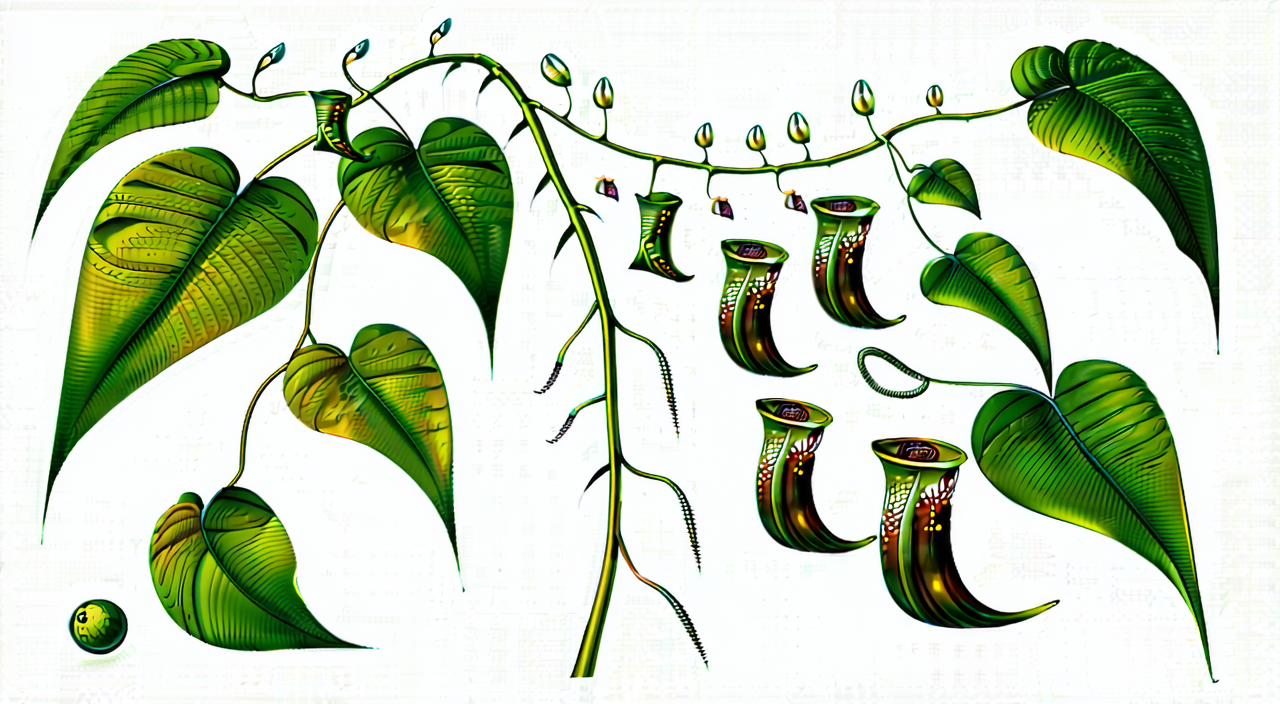
In the context of traditional medicinal materials, Xun Gu Feng generally refers to vine-like plants associated with the genus Aristolochia. These plants commonly have trailing or climbing growth habits and slender stems that can grow along surrounding plants or other supports. Their leaves are often heart-shaped or nearly heart-shaped, with a generally green surface and relatively distinct petioles. Some species may have fine hairs on the stems, petioles, or undersides of the leaves, which is one source of the “woolly hair” reference in the name Aristolochia mollissima.
The flowers are distinctive and usually do not resemble the familiar five-petaled flowers. Instead, they may have curved, tubular, or pouch-like perianth structures. Flower color, tube shape, hair coverage, and leaf size can vary according to species, geographic origin, and growth stage. The source of a medicinal material cannot be reliably confirmed from online images, a common name, or one or two visual characteristics alone.
It is especially important to understand that plant identification and medicinal safety are separate issues. Even if a plant appears similar to what is traditionally called Xun Gu Feng, this does not establish that it is suitable for medicinal use. Aristolochia species may look similar, share overlapping names, or differ in chemical composition. Nonprofessionals should not obtain or use these plants through wild collection.
What Are the Traditionally Used Medicinal Parts?
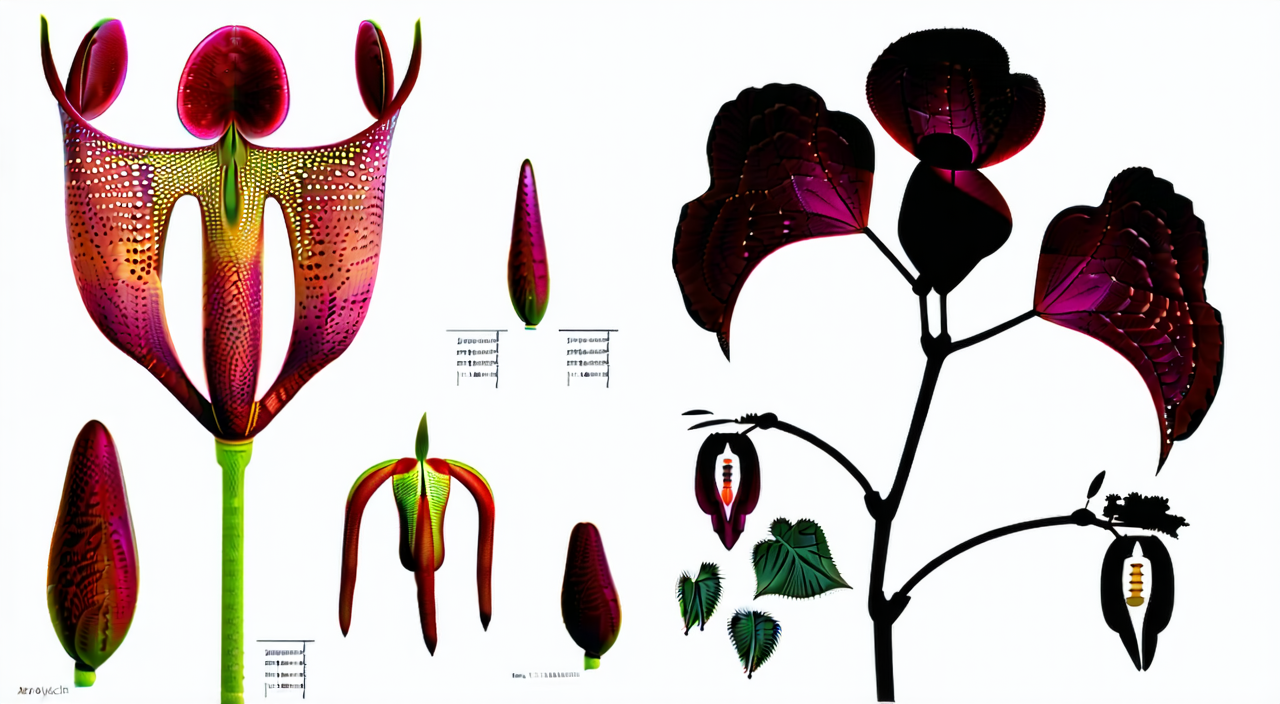
Traditional sources generally describe the aerial parts of Xun Gu Feng as the medicinal portion. Some regional practices or historical records also refer to the whole herb. In this context, the aerial parts usually include the stems, leaves, and flowers—the portions that grow above the soil. However, the medicinal name, botanical identity, harvesting period, and processing method may vary between regions and historical sources.
“Whole herb” and “aerial parts” are sometimes used interchangeably in local medicinal practices. Under modern quality-control standards for medicinal materials, however, the botanical source, medicinal part, and testing requirements should be clearly defined whenever possible. Dried vines or herbs with an unclear origin, incomplete labeling, or only a folk name cannot be identified as Xun Gu Feng based on appearance alone. Drying, cutting into sections, or grinding into powder does not eliminate potential risks.
From a regulatory and safety perspective, the medicinal name should correspond to the botanical source, medicinal part, and product standards. Overseas consumers who encounter an herbal product labeled with the name “Xun Gu Feng” should first review its complete ingredient list, source, and regulatory information. They should then consider local regulations and professional advice rather than making a decision based solely on the traditional name.
How Was Xun Gu Feng Traditionally Understood in Chinese Medicine?
In traditional Chinese medicine contexts, Xun Gu Feng has often been discussed in relation to experiential descriptions such as rheumatic pain, restricted movement of the muscles and bones, and joint pain. Traditional theory may explain its use in terms of dispelling wind, unblocking the channels, and relieving pain. Some regional materia medica sources also record folk uses associated with limb pain and limited mobility.
These descriptions reflect historical therapeutic experience and traditional theoretical classification. They do not constitute conclusions about modern clinical efficacy, nor can they replace an examination of the underlying cause. Joint or muscle pain may be related to overuse, inflammation, injury, nerve compression, or other diseases. General descriptions such as “rheumatic pain” or “bone and muscle pain” cannot determine whether medication is needed.
Because Xun Gu Feng may involve a potential risk from aristolochic acids, traditional claims cannot justify self-experimentation. Anyone with persistent pain, obvious joint swelling, or restricted movement—or symptoms such as fever, unexplained weight loss, or chest tightness—should consult a doctor promptly rather than self-using vine-based medicinal materials from an uncertain source.
What Do Modern Safety Studies Focus On?
Modern safety research focuses primarily on aristolochic acids and related compounds. Some Aristolochia plants may contain these substances, and their risks cannot be simply eliminated by drying, slicing, decocting, or mixing the material with other herbs. After ingestion, they may damage the renal tubules and renal interstitium. In severe cases, this can progress to chronic, progressive, or even irreversible kidney dysfunction.
Aristolochic acids are also associated with an increased risk of urinary tract cancers. These risks may be insidious, and obvious symptoms may not appear in the early stages. Therefore, the absence of current symptoms cannot be used to determine that exposure is safe. Changes in urine output, fatigue, nausea, reduced appetite, swelling of the lower limbs, or abnormal creatinine results should all be taken seriously. However, having no symptoms does not mean that there is no risk.
People with a history of long-term or repeated use—especially those with kidney disease, high blood pressure, or diabetes, or those taking multiple medicines that may affect the kidneys—should proactively tell their doctor the herb’s name, duration of use, and possible source. Depending on the circumstances, the doctor may arrange kidney-function tests, urine tests, or other relevant evaluations. Anyone experiencing markedly reduced urine output, blood in the urine, persistent vomiting, or lower-back discomfort should seek medical attention promptly.
What Is the Difference Between Xun Gu Feng, Qing Feng Teng, and Hai Feng Teng?
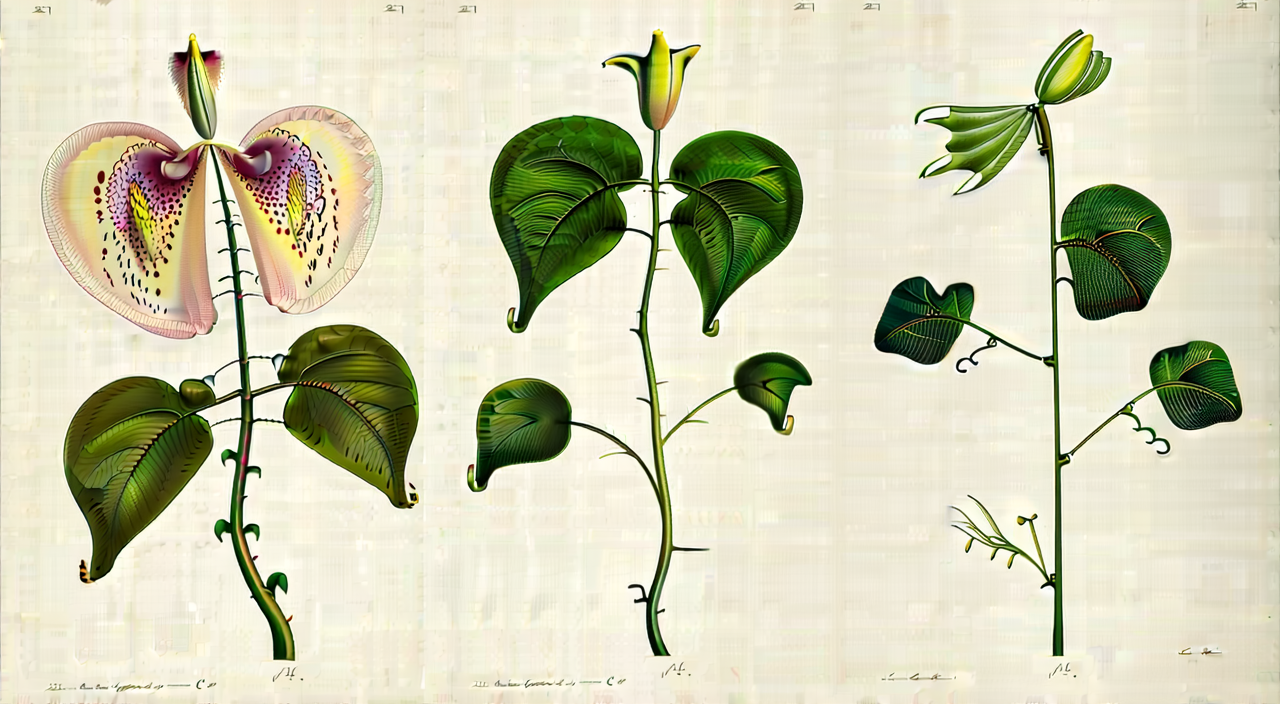
Xun Gu Feng, Qing Feng Teng, and Hai Feng Teng may all appear in traditional contexts involving dispelling wind, unblocking the channels, or managing rheumatic pain. However, they are not the same plant and should not be substituted for one another simply because their names all contain the word “feng.”
| Name | Common botanical source concept | Appearance or source clues | Key safety identification point |
|---|---|---|---|
| Xun Gu Feng | Often refers to Aristolochia-related plants such as Aristolochia mollissima | Vining stems, heart-shaped leaves, and distinctive flowers | Aristolochic acid risks must be specifically considered |
| Qing Feng Teng | Often associated with plants of the genus Sinomenium in the family Menispermaceae | Usually a vine, with different leaf, flower, and fruit characteristics | Use an officially recognized botanical source and complete labeling as the basis for identification |
| Hai Feng Teng | Often associated with pepper-family plants known as wind vines | Different leaf, node, and fruit-spike characteristics | Do not substitute it based on similarity of names |
The comparison above is intended only to explain the general concepts and should not be used as a guide for wild identification. Regional common names, commercial names, and names for processed products may cause confusion. Unprofessionally identified vines should not be used to make tea, decoctions, or alcohol infusions. Even if two medicinal materials have similar traditional uses, their safety profiles, indications, and regulatory requirements may differ.
What Traditional Formulas Were Used in the Past?
Historical sources or folk practices may mention Xun Gu Feng San, as well as traditional formulas designed around the concepts of dispelling wind, unblocking the channels, and relieving pain. These names are more useful for understanding historical medicinal culture and combination principles; they should not be treated directly as modern treatment plans. Formulas with the same name may differ according to dynasty, region, ingredient composition, and dosage.
For historical formulas containing Xun Gu Feng or other Aristolochia-derived medicinal materials, self-sourcing the ingredients for reproduction is not recommended, nor is it advisable to prepare decoctions or alcohol infusions according to online recipes. Modern treatment should prioritize safe alternatives with lawful quality control, clear sourcing, and compliance with local regulations. Specific choices should still be assessed according to symptoms, constitution, medical history, product information, and professional advice.
If the concern involves joint pain, limb numbness, or limited mobility, the cause of the symptoms should first be established. A doctor or qualified practitioner of Chinese medicine can then assess the appropriate management approach. Traditional formulas and herbal products cannot replace necessary examinations and should not delay treatment for serious disease.
What Precautions Are Important?
This article does not provide advice on purchasing, collecting, decocting, making alcohol infusions with, or dosing Xun Gu Feng. Products with ambiguous names, uncertain origins, or incomplete ingredient labels should be approached cautiously. In particular, “natural,” “traditional,” and “herbal” should never be automatically interpreted as meaning risk-free.
People with kidney disease, as well as those who have used Xun Gu Feng or other Aristolochia medicinal materials over a long period or repeatedly, should tell their doctor about the exposure. Anyone also taking prescription medicines, over-the-counter pain relievers, or other herbal products should disclose these as well so that a professional can assess the potential kidney burden and interactions.
Anyone experiencing persistent or recurring pain, severe anxiety, palpitations, chest tightness, abnormal breathing, persistent vomiting, black stools, reduced urine output, blood in the urine, or unexplained weight loss should consult a doctor or seek medical care promptly. Any suspected adverse effect related to a medicine or herbal product should not be managed by continuing to take it merely to see what happens.
Summary
Xun Gu Feng is traditionally associated with the aerial parts or whole herb of Aristolochia plants such as Aristolochia mollissima. Although it may have features such as vining stems, heart-shaped leaves, fine hairs, and distinctive flowers, it cannot be identified reliably from photographs or common names alone. Because some sources may contain aristolochic acids associated with severe kidney injury and cancer risk, Xun Gu Feng should not be self-used as an ordinary herb for rheumatic conditions. Anyone with previous exposure or long-term use should consult a doctor. This article is for educational reference only and cannot replace professional diagnosis or treatment advice.