
What Is Photinia Leaf? Medicinal Parts, Identification, and Common Formulas
Photinia leaf is a traditional Chinese medicinal herb derived from the dried leaves of the Photinia plant. Because its leaves are relatively thick and tough, it can easily be confused with other common medicinal materials that have leathery or thick leaves. Many people who search for “what is Photinia leaf” want to know what it looks like, which parts can be used medicinally, and how it differs from apocynum leaf and loquat leaf.
It is important to note that red-leaf Photinia, commonly seen in landscaping, is an ornamental greening plant and should not be regarded as a standardized medicinal source based solely on its name or appearance. The botanical origin, harvesting, drying, and processing methods of an herbal material all affect its identification and quality assessment. Plants collected from the wild or from landscaped areas should not be harvested and used on one’s own.
What Does Photinia Leaf Look Like? How Can It Be Identified?
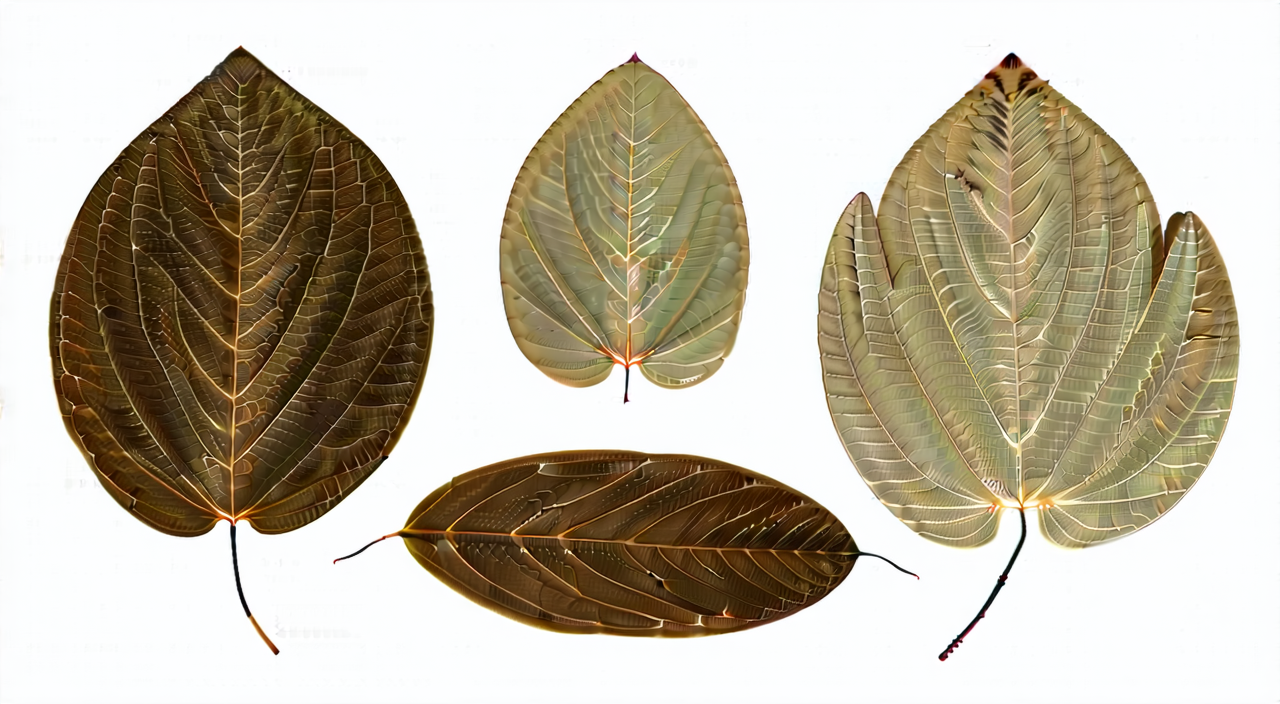
Photinia is an evergreen or semi-evergreen shrub or small tree. Its leaves are usually oblong, elliptic, or obovate, and are relatively thick with a distinct leathery texture. The leaf tip is generally pointed or gradually tapering, while the leaf base narrows gradually. Small serrations are usually visible along the margins. Leaf size and color may vary according to the growth stage and place of origin, so identification should not rely on a single feature.
When examined from the surface, the upper side of a Photinia leaf is usually brownish green, dark green, or brownish, with a relatively glossy texture. The underside is comparatively lighter, and the midrib and lateral veins are often clearly visible. After drying, the leaf may become brittle, but its relatively thick leaf tissue and prominent midrib can usually still be observed. When gently bent, it generally feels different from thin, soft herbaceous leaves.
Identification should involve a combined assessment of leaf shape, margin, venation, thickness, and source. If a sample consists only of scattered fragments, or if its color has changed significantly during long-term storage, accurate identification may be difficult based on visual inspection alone. In such cases, it is best to seek further identification from an experienced herbal-material professional.
What Is the Medicinal Part of Photinia Leaf?
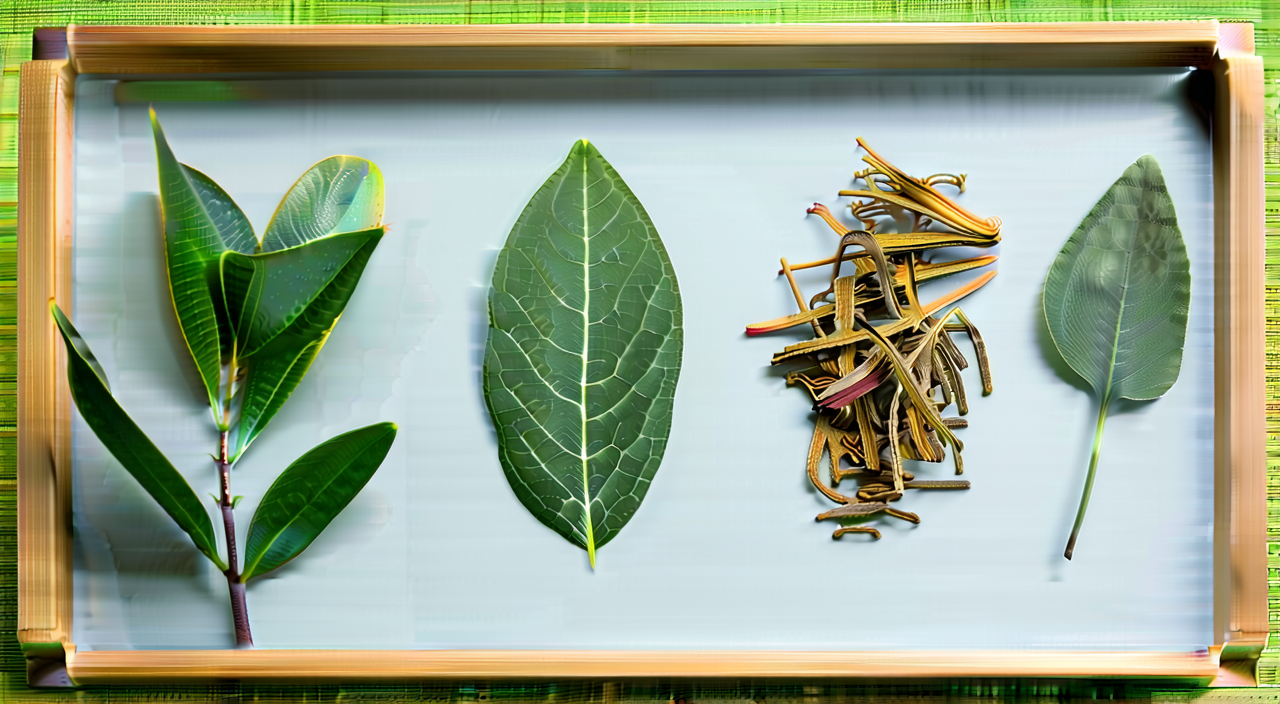
The medicinal part of Photinia leaf is the leaf of the Photinia plant. It is usually harvested during a suitable season and processed by removing impurities and drying before being used as a decoction piece or as a raw material for related preparations. Here, “leaf” refers to dried leaves that meet the requirements for medicinal origin and quality. It does not refer to the branches or fruit of the Photinia tree, nor does it include the leaves of every ornamental plant whose name contains “Photinia.”
After harvesting, the material should be kept appropriately dry to prevent moisture damage, mold, or contamination by other plant materials. When purchasing or identifying it, pay attention to the plant source, medicinal name, place of origin, and specifications listed on the product label. Leaves obtained from landscape pruning, roadside greenery, or unknown sources should not be used as medicinal materials even if they look similar, as they may involve incorrect species, pesticide residues, dust contamination, or improper harvesting and processing.
How Does Traditional Chinese Medicine Understand Photinia Leaf?
Traditional Chinese medicine commonly understands Photinia leaf from the perspectives of dispelling wind-dampness and strengthening the sinews and bones. According to traditional theory, wind-damp factors or inadequate nourishment of the sinews and bones may be associated with symptoms such as limited movement of the limbs and joints, soreness and weakness of the lower back and knees, and weakness of the sinews and bones. Therefore, in traditional materia medica and formula applications, Photinia leaf is often considered within treatment approaches that dispel wind-dampness and benefit the sinews and bones.
This traditional understanding belongs to the theoretical framework of traditional Chinese medicine and does not constitute a diagnosis or treatment conclusion for a specific disease. In actual use, practitioners usually also consider cold and heat, deficiency and excess, qi and blood, the tongue and pulse, and the duration of symptoms. Photinia leaf is rarely assessed independently of the overall condition. Whether it is suitable for a particular formula or product should be evaluated comprehensively in light of the individual’s constitution, symptoms, and professional advice.
For persistent or recurrent joint or muscle discomfort, or when symptoms are accompanied by obvious swelling, fever, injury, or restricted movement, consult a doctor or qualified professional first rather than attempting to manage the condition based solely on the name of an herbal material.
What Can Modern Research Tell Us?
Modern research may examine Photinia and its leaf constituents from the perspectives of phytochemical composition, antioxidant-related indicators, inflammation models, or other experimental approaches. Such studies help clarify the basic characteristics and potential directions of activity of the medicinal material. However, experimental studies and animal research differ from actual human use, and their findings cannot be directly used to infer definite clinical effects.
Therefore, when reading research or product information related to Photinia leaf, pay attention to the research subject, dosage, preparation method, and stage of research. The “active constituents” or “mechanisms of action” mentioned in online articles do not automatically indicate that a particular product is suitable for individual use, nor can they replace a formal medical assessment. For people with persistent discomfort or significant changes in their condition, professional diagnosis remains the more important basis for judgment.
How Does Photinia Leaf Differ from Apocynum Leaf and Loquat Leaf?
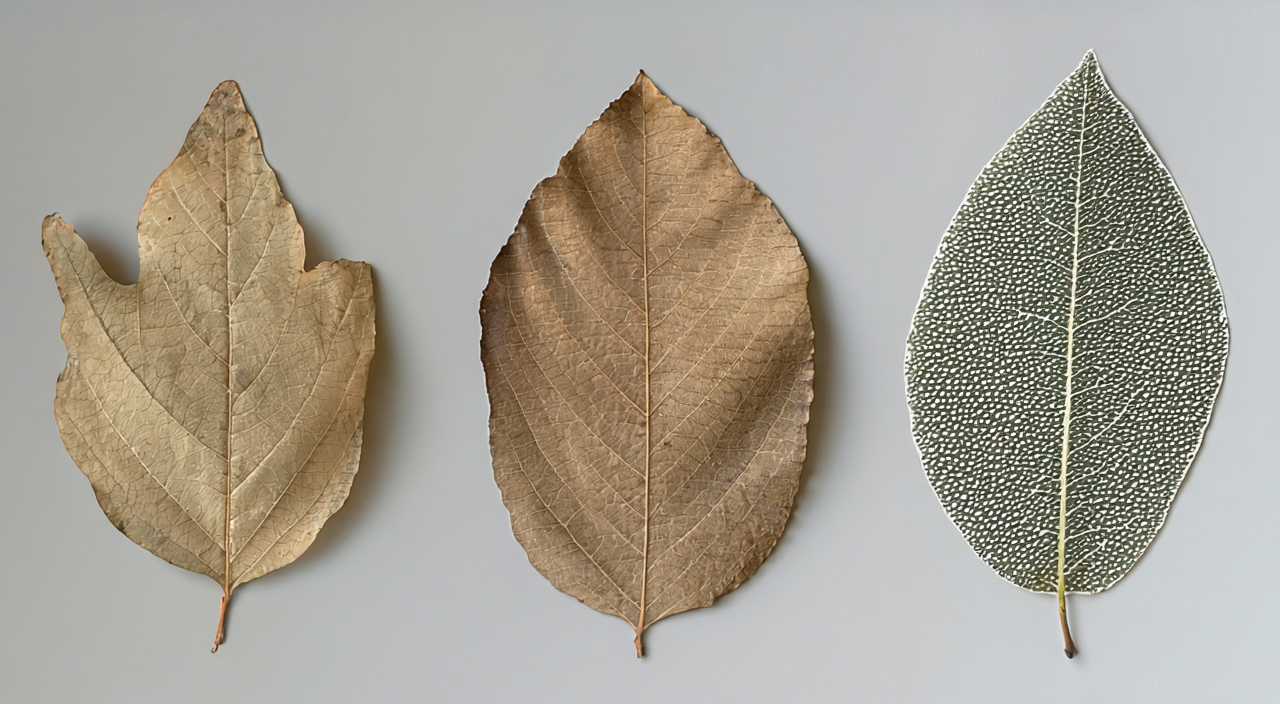
Photinia leaf, apocynum leaf, and loquat leaf may all appear as dried leaves, but they differ in botanical source, leaf structure, and traditional applications. They should not be substituted for or mixed with one another based only on color or thickness.
Difference from Apocynum Leaf
Apocynum leaves are usually narrower and often lanceolate or narrowly oblong-lanceolate. They are relatively thinner, and their margins are generally entire or have only barely visible fine teeth. Photinia leaves are usually thicker and have a more pronounced leathery texture, with relatively distinct serrations along the margins. Their midrib and lateral venation are also more noticeable. The color, venation, and texture of apocynum leaves may vary according to their place of origin and processing method, so actual identification should still consider an intact sample and its botanical source.
Difference from Loquat Leaf
Loquat leaves are generally oblong or lanceolate. They are relatively large and thick, with serrations commonly visible along the margins. The underside usually has obvious grayish-white or yellowish-brown hairs and feels relatively coarse, which is a useful feature when comparing it with Photinia leaf. Although Photinia leaf may also show variations in color, it typically does not have the distinctly dense, woolly texture characteristic of loquat leaf.
It should be noted that after drying, crushing, or prolonged storage, the hairs on the underside and the features of the leaf margin may become difficult to observe. For samples of unknown origin, missing labels, or highly similar appearance, self-substitution or mixing is not recommended. Identification should be based on standardized authentication and qualified medicinal-material sources.
Which Formulas Contain Photinia Leaf?
In traditional formula and Chinese patent medicine references, Photinia leaf may be found in combinations associated with names such as Photinia Pill and Photinia Powder. It may also appear in formulas designed around dispelling wind, eliminating dampness, and strengthening the sinews and bones. Formulas from different historical sources, dosage forms, and production standards may differ in composition, proportions, processing methods, and directions for use. Their specific contents should not be inferred from the formula name alone.
Photinia Pill generally appears in pill form, while Photinia Powder may be recorded as a powder preparation. In traditional applications, these formulas are often considered for situations involving wind-dampness, the sinews and bones, or impaired movement of the limbs. Formulas for dispelling wind and strengthening the sinews are not a single fixed prescription; the specific herbs should be confirmed according to the product instructions, source, and professional judgment.
If you need to learn about formulas containing Photinia leaf, first check the product label, complete ingredient list, directions and dosage, contraindications, and precautions. Pregnant or breastfeeding individuals, children, older adults, and people taking anticoagulants, antihypertensive drugs, or other prescription medicines should not select a formula based solely on information found online. Suitability should still be assessed according to individual circumstances and professional advice.
What Precautions Should Be Taken When Using Photinia Leaf?
First, pay close attention to mistaken identification of the source. Ornamental landscaping plants such as red-leaf Photinia should not be simply equated with medicinal Photinia. Plants in green belts or along roadsides, or those maintained through landscaping, may also have been exposed to pesticides, herbicides, and environmental pollutants. They should not be collected independently, washed, and then used as medicinal materials.
Second, consider individual constitution and special populations. The traditional applications of an herbal material do not mean that it is suitable for everyone. Pregnant or breastfeeding individuals, children, people with chronic diseases, and those with special constitutions should consult a doctor, traditional Chinese medicine practitioner, or pharmacist before use. If a rash, gastrointestinal discomfort, dizziness, or any other abnormal reaction occurs after taking it, stop using it on your own and seek professional advice.
Third, formula use should follow official instructions. Do not increase the dosage or extend the duration of use arbitrarily, and do not repeatedly combine Photinia leaf with other herbs that have similar traditional functions. For severe, persistent, or recurrent joint pain or weakness of the lower back and knees, especially when accompanied by fever, marked swelling, injury, unexplained weight loss, or other symptoms, consult a doctor promptly. This article is intended only as general educational information about Chinese medicinal materials and cannot replace professional diagnosis or treatment advice.
Summary
Photinia leaf is the dried leaf of Photinia. Its main characteristics include relatively thick leaves with a leathery texture, serrated margins, darker upper surfaces, and comparatively lighter undersides. It differs from apocynum leaf and loquat leaf in leaf shape, margins, and the hairs on the underside. Photinia Pill, Photinia Powder, and formulas for dispelling wind and strengthening the sinews can be understood as traditional combination approaches. Before use, confirm the source of the medicinal material, avoid collecting plants from landscaped areas, and make decisions based on individual circumstances, product instructions, and professional advice. This article is intended only for general educational reference and cannot replace professional medical diagnosis or treatment advice.