
What Is Potentilla? Medicinal Parts, Identification, and Common Formulas
Many people first encounter Potentilla in the names of Chinese medicinal materials, regional herbal remedies, or traditional formulas for diarrhea. It usually refers to the dried whole herb of a Potentilla species in the rose family, which has a history of use in traditional herbal medicine. However, the Rosaceae family and the Potentilla genus contain many species, and their appearance may vary with growing conditions and harvesting season. When encountering similar plants in the wild, do not rely on just one or two features for identification, and it is not advisable to collect or use them on your own.
What Does Potentilla Look Like? How Can It Be Identified?
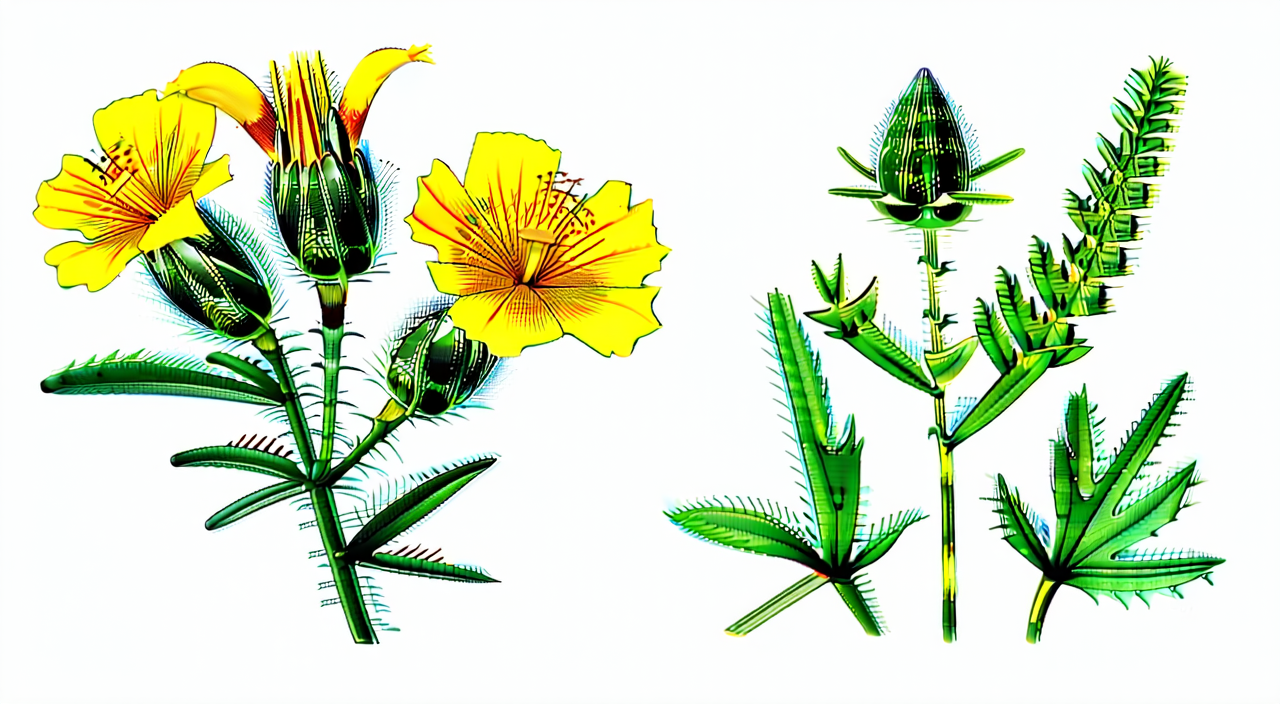
Potentilla is generally a perennial herb. Its form can be affected by soil, sunlight, and moisture. The stems are commonly trailing or ascending, although they may also be nearly erect. The roots are usually relatively prominent, with underground root-like structures. When examining the entire plant, multiple features—including the leaves, stems, flowers, and fruits—should be considered rather than flower color alone.
The leaves are among the more useful features for identifying Potentilla. They are usually pinnate compound leaves, with multiple leaflets arranged along both sides of a central axis. The leaflets are not always uniform: some have serrated margins, while others have relatively deep lobes. Overall, the foliage appears more finely divided than a simple trifoliate leaf. The petioles, stems, and leaf surfaces may bear fine hairs, and the density of this hair covering can vary with the condition of the plant.
During the flowering period, yellow flowers can be seen, usually with five petals. They commonly grow on the upper parts of the stems or at branch points. Stamens and pistils can be observed in the center of the flower. During the fruiting period, the petals fall away, leaving fruits made up of numerous small achenes clustered together. A single blurry leaf or small yellow flower is often insufficient for reliable identification. For medicinal plants, it is best to consult an authoritative botanical guide or specimen, or seek advice from an experienced professional.
What Are the Medicinal Parts of Potentilla?
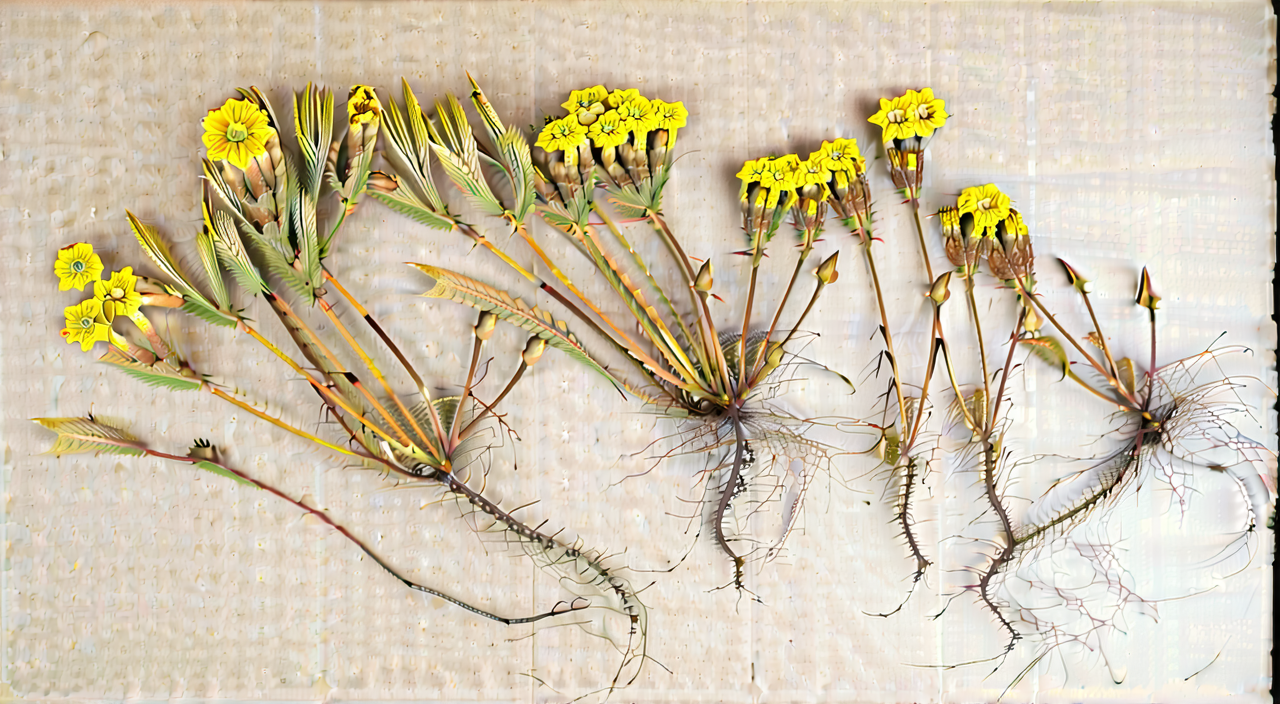
In traditional herbal medicine, Potentilla generally refers to the dried whole herb, meaning the entire above-ground plant—including the stems, leaves, flowers, and associated plant tissues—rather than only the roots or flowers. Differences in origin and processing practices may result in variations in appearance. After drying, the stems and leaves commonly shrink, the flowers become darker, and the texture becomes more brittle.
Harvesting is generally carried out during the flowering and fruiting period. After collection, the material is cleaned of soil and impurities before being sorted and dried. Harvesting during this period helps preserve relatively complete morphological features and facilitates later identification. When examining the dried herb, users may observe the texture of the stems, the arrangement of the leaves, the leaflet lobes, any remaining flowers, and the overall odor. However, these details should still be considered together with the source, labeling, and standardized identification.
It is important to note that dried whole herb should not be casually brewed as a tea or decocted for self-treatment. The plant source, processing method, dosage, and combination with other herbs all affect how it should be used. People outside China who encounter labels in different languages or loose herbs should first confirm the Chinese name, Latin name, or identification information provided by the supplier to avoid confusing a similar plant with Potentilla.
How Does Traditional Chinese Medicine Understand Potentilla?
According to traditional Chinese medicine theory, Potentilla is commonly associated with approaches described as clearing heat, detoxifying, cooling the blood, and relieving dysentery. The terms “clearing heat,” “cooling the blood,” and “relieving dysentery” are traditional descriptions of therapeutic directions found in classical materia medica and formulas. They are not equivalent to modern medical diagnoses and should not be used to assess a specific illness independently.
In traditional use, Potentilla is often associated with symptoms such as diarrhea and dysentery related to damp-heat, heat toxins, or the blood aspect. Some formulas combine it with other herbs according to the severity of symptoms, hot or cold patterns, deficiency or excess, and other manifestations, rather than relying on a single herb. TCM pattern differentiation may also consider the tongue, pulse, appetite, the nature of abdominal pain, and stool characteristics. Therefore, the treatment approach may differ between people with apparently similar diarrhea.
If diarrhea lasts for an extended period, keeps recurring, or is accompanied by significant abdominal pain, fever, bloody stool, black stool, persistent vomiting, thirst with reduced urination, dizziness, or marked fatigue, consult a doctor or qualified professional as a priority. Children, older adults, and people with underlying health conditions should be particularly alert to the risk of dehydration and electrolyte imbalance. Traditional herbal knowledge should not be used as a reason to delay medical care.
What Can Modern Research Tell Us?
Modern research commonly examines Potentilla from perspectives such as phytochemical constituents, in vitro experiments, animal studies, and quality control of medicinal materials. Research may involve tannins, flavonoids, and other constituents. However, the species, plant parts, extraction methods, and experimental conditions used in different studies are not always the same. Experimental findings cannot be directly equated with the actual effects of taking dried whole herb orally.
When reading related information, distinguish between laboratory observations, animal studies, and human clinical evidence, and pay attention to sample size, preparation form, and study quality. Some constituents may show antioxidant activity or the ability to inhibit the growth of certain microorganisms in experiments. These findings can only serve as leads for further research and do not justify treatment claims. For herbal products, accurate identification, contamination control, processing and storage, and complete labeling are equally important.
What Is the Difference Between Potentilla, Silverweed, and Mock Strawberry?
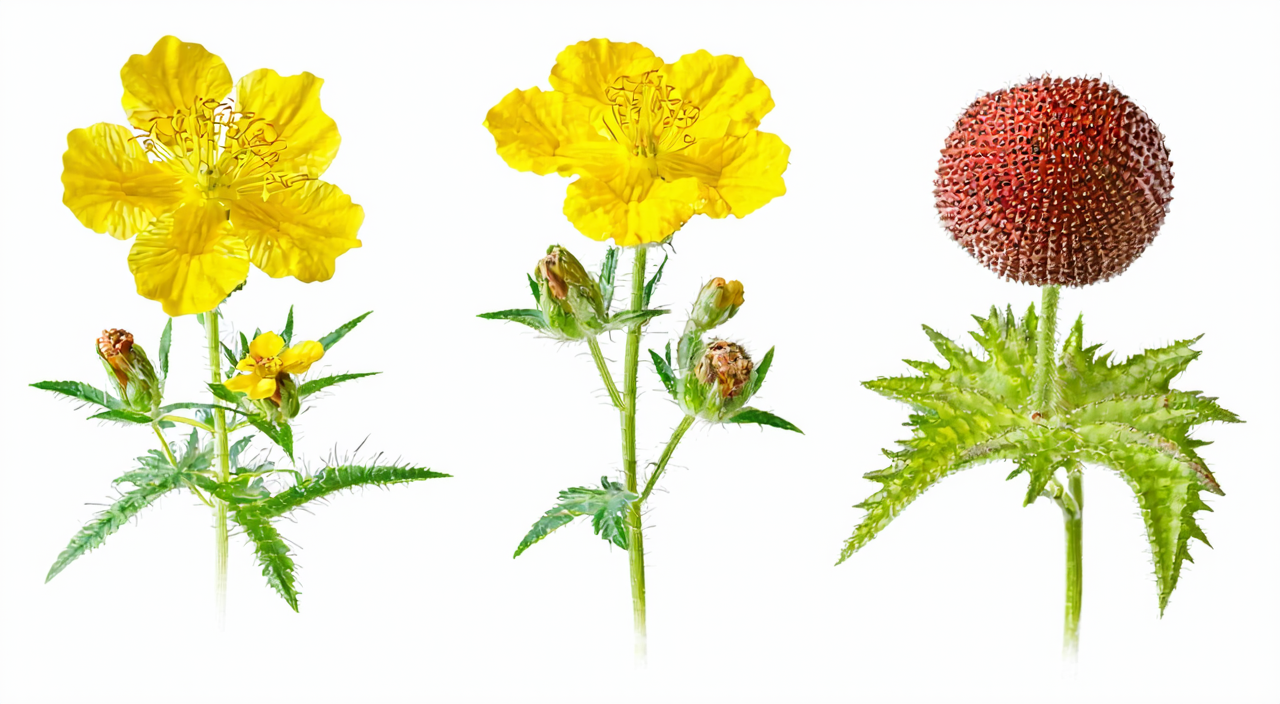
Potentilla, silverweed, and mock strawberry may all be confused in the wild or in herbal references, but they are not the same plant. Potentilla commonly has pinnate compound leaves with numerous leaflets. The leaf margins may be deeply lobed or serrated. Its flowers are yellow with five petals, and after flowering it produces clusters of small achenes.
Silverweed is also in the rose family. A common feature is the dense white or silvery-white hair covering on the undersides of its leaves, which creates a visual “silver” or “turned-white” appearance from a distance. Its leaves are usually pinnate compound leaves, and its flowers are often yellow with five petals. The color of the leaf underside and the density of the hairs can be useful reference points, but they should not be used as the sole basis for identification, since leaf conditions can change in different environments.
Mock strawberry belongs to the genus Duchesnea in the rose family. It commonly has trailing stems and trifoliate leaves, with yellow five-petaled flowers. When mature, it develops conspicuous red, fleshy aggregate fruits. This differs from the clusters of achenes commonly seen on dried Potentilla. It is important to emphasize that similar flower color does not indicate identical medicinal value or usage. When collecting plants in the wild, observe the leaf arrangement, stem growth pattern, leaf undersides, flowers, and fruits together, and rely on a trustworthy identification.
Which Traditional Formulas Contain Potentilla?
Traditional formula references include names such as Potentilla Decoction and Potentilla Powder. Some formulas for clearing heat and relieving diarrhea also include Potentilla as one of the herbs in a combination. Because the ingredients, regional traditions, and modern products associated with historical formulas may differ, formulas with the same name do not necessarily contain exactly the same herbs, proportions, or preparation methods. Their specific uses cannot be inferred from the formula name alone.
Potentilla Decoction can generally be understood as the name of a traditional decoction. Its specific ingredients, decocting method, and applicable pattern should be determined according to the original source or a standardized prescription. Potentilla Powder may refer to the traditional form of grinding the herb into powder or preparing it as a powder-based dosage form, but a powder does not automatically mean it is more suitable for a particular group of people. Formulas for clearing heat and relieving diarrhea often combine other herbs associated with clearing heat, drying dampness, regulating qi, or supporting the spleen. The key is overall pattern differentiation rather than simply adding more herbs.
If you encounter a Chinese patent medicine, herbal tea, or compound product containing Potentilla, evaluate it together with the product instructions, your constitution, the duration of symptoms, and professional advice. Do not use a product for every type of diarrhea simply because its name includes terms such as “relieves diarrhea” or “clears heat.” In particular, it should not replace rehydration, medical testing, or a treatment plan provided by a doctor.
What Precautions Should Be Taken When Using Potentilla?
First, people with spleen and stomach deficiency-cold patterns, a tendency to feel cold in the abdomen, poor appetite, or long-term loose stools should consult a professional before using herbs traditionally associated with clearing heat or cooling the blood. Suitability must be assessed according to the individual situation. Second, when diarrhea is accompanied by significant dehydration, persistent vomiting, severe abdominal pain, fever, bloody stool, or black stool, seek medical attention promptly rather than relying on herbs for self-observation.
Third, people who are pregnant or breastfeeding, children, older adults, and those taking prescription medicines should explain their situation to a doctor, pharmacist, or qualified TCM practitioner before using Potentilla or a compound formula containing it. Herbal products may have interactions with medicines that require assessment. The word “natural” alone cannot establish that a product is suitable for long-term use.
Fourth, the risks of wild harvesting should not be overlooked. Potentilla, silverweed, mock strawberry, and other plants in the rose family may look similar in their leaves, flowers, or growth habits. Misidentification, contamination near roads or farmland, mold, and improper processing may all create risks. Dried plants with an unknown source and no name or identification information should not be taken internally without professional verification. This article is for educational reference only and cannot replace professional diagnosis or treatment advice.
Summary
Potentilla generally refers to the dried whole herb of a Potentilla plant. Identification should combine observations of its pinnate compound leaves, yellow five-petaled flowers, stem growth pattern, and fruit characteristics. It should also be distinguished from silverweed, which has whitish leaf undersides, and mock strawberry, which produces red, fleshy fruits. Potentilla Decoction, Potentilla Powder, and formulas for clearing heat and relieving diarrhea represent traditional directions of use. Suitability still depends on individual constitution, symptoms, and professional advice. Bloody stool, dehydration, persistent symptoms, or recurring symptoms require prompt medical attention.