
What Is Liaoge Wang? Medicinal Parts, Identification, and Safety Risks
Liaoge Wang is the name of a medicinal plant traditionally used in some regions. It is generally associated with plants in the Thymelaeaceae family, such as Wikstroemia indica, and medicinal records mainly involve the root or root bark. Because these plants contain compounds that may cause significant irritation, their common names, botanical sources, and local standards may vary. Therefore, people should not collect, soak in alcohol, ingest, or apply them externally based solely on pictures or local names. Understanding what Liaoge Wang is involves not only recognizing its appearance but also being aware of its relatively high risks.
What Does Liaoge Wang Look Like? How Can It Be Identified?
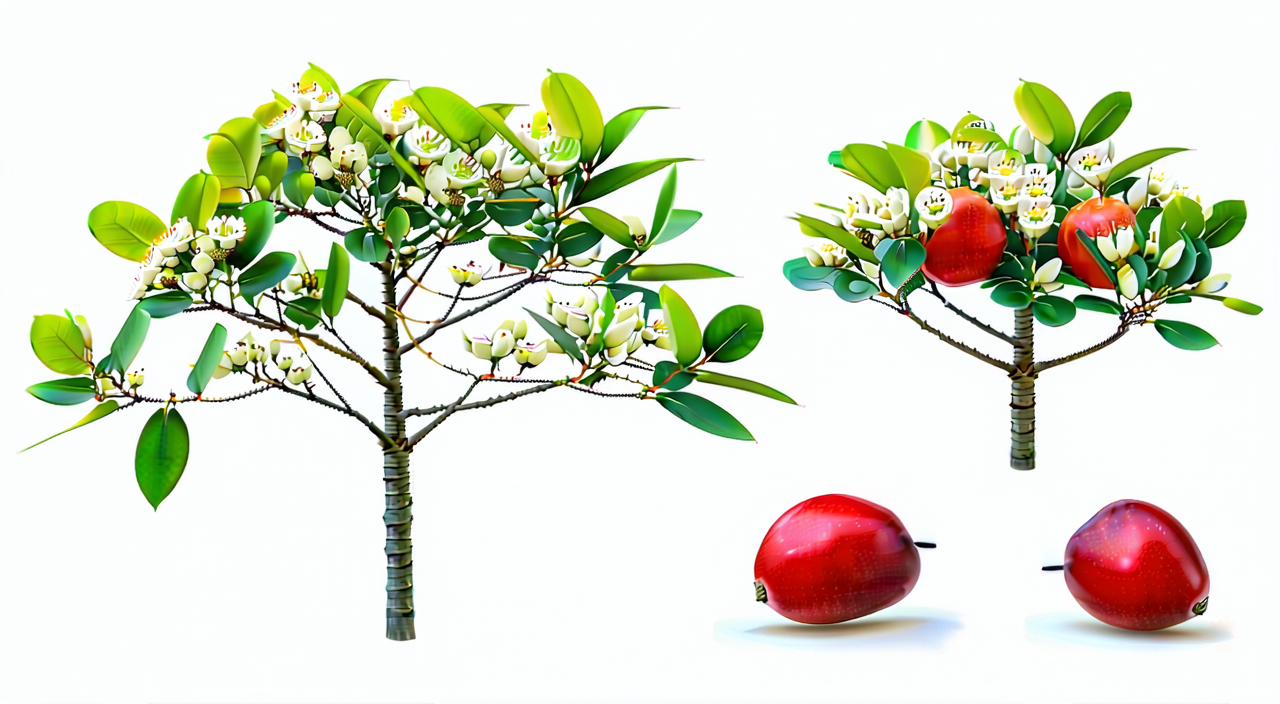
Liaoge Wang is usually a shrub commonly found in mountainous areas, forest margins, or thickets in warm regions. Its branches are generally slender, with young branches tending to be green and older branches gradually becoming woody. The leaves are usually opposite or nearly opposite and may be elliptic, ovate-elliptic, or lance-shaped. The leaf surface is relatively flat, while the specific size and thickness can be affected by the growing environment.
The flowers are usually small and are commonly described as white or pale in color. They may grow in clusters at the ends of branches or near the leaf axils. When mature, the fruits may be red or reddish brown. Depending on the season, flowers and fruits may not appear at the same time. The underground portion generally consists of slender or branched roots. The root bark may range from yellowish brown to dark brown, while its cross-section and odor can vary according to freshness, processing methods, and botanical source.
These features are useful only for general botanical education and should not be used as a basis for collecting or medicinal use. Plants in the Thymelaeaceae family may look similar, and online images can be affected by camera angle, lighting, and growth stage. If specimen identification, medicinal material testing, or clinical use is involved, the material should be assessed by professionals with expertise in plant taxonomy and Chinese medicinal material identification.
What Are Its Traditional Medicinal Parts?
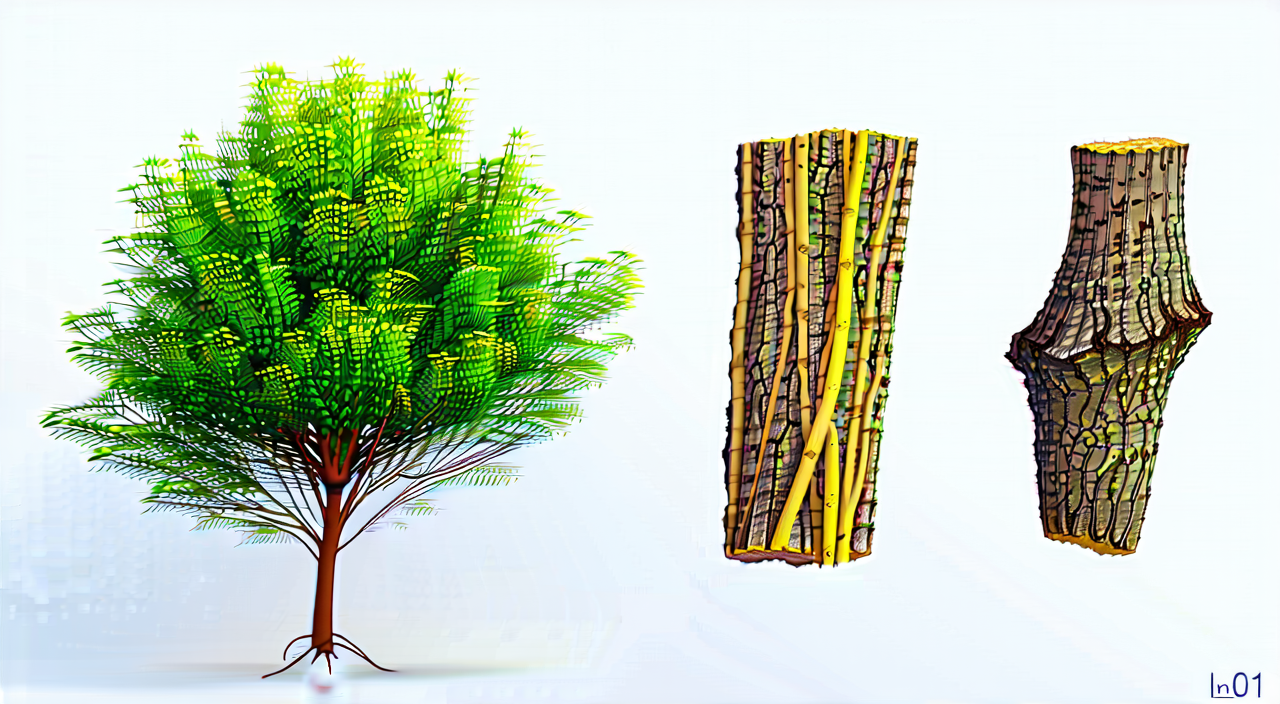
In traditional sources, the medicinal parts of Liaoge Wang mainly refer to the root or root bark. In some cases, local records may refer to the entire plant or other parts, but records differ among regions, herbal markets, and local standards. Root bark generally refers to the medicinal material obtained by removing, cleaning, and drying the outer tissue of the root. Its appearance may range from yellowish brown to dark brown, while its texture and cross-section are related to the harvesting time and processing and storage conditions.
It is especially important to understand that a medicinal part is not necessarily a part that can be used safely without supervision. Irritant compounds in the root and root bark may have significant local and gastrointestinal effects. Unidentified wild plants may also be mixed with related species, incorrectly collected species, or contaminated materials. Interpreting “traditionally used” as meaning “suitable for self-administration” is inappropriate.
When purchasing products across borders or consulting references, readers should also note that the same Chinese name may refer to different plants, and product labels may use regional common names. When evaluating the source, check the standardized botanical name, medicinal part, processing or preparation information, and the legal scope of use in the relevant location.
How Is Liaoge Wang Understood in Traditional Chinese and Local Medicine?
In traditional Chinese medicine and local medical contexts, Liaoge Wang is often described in terms such as clearing heat, detoxifying, reducing swelling, and dispersing nodules. Some historical experience also refers to applications involving external masses, sores, or localized discomfort. These descriptions belong to traditional usage history and theoretical terminology. They should not be directly equated with modern medical diagnoses, nor should they be used to infer definite effects against a specific disease.
The use of traditional medicinal materials is often related to their place of origin, processing, compatibility with other substances, dosage form, and the user’s constitution. Even materials with the same name may differ in chemical composition and irritant potential depending on their source. For higher-risk local medicinal materials such as Liaoge Wang, traditional experience cannot replace modern identification, product information, or professional assessment.
If readers are simply interested in Chinese medicine culture, these records can serve as an introduction to the history of the material. If they are seeking a remedy because of skin, throat, abdominal, or other physical symptoms, they should first clarify the cause of those symptoms and avoid using irritating plants as general health products.
What Does Modern Safety Research Focus On?
Modern safety evaluations generally focus on the potentially strong irritant effects and dose-dependent risks associated with Liaoge Wang and related plants. After ingestion, some people may experience oral or throat burning, nausea, vomiting, abdominal pain, or diarrhea. Contact with fresh sap, powder, or improperly prepared material may also irritate the skin and eyes, causing pain, redness, swelling, or burn-like symptoms.
In addition, higher doses, use on inappropriate body sites, products of unknown origin, or long-term exposure may place a potential burden on organs such as the liver and kidneys. Existing information is affected by differences in plant sources, preparation methods, and research conditions, so all risks cannot be summarized by one fixed dose. People should therefore not test their tolerance by soaking the material in alcohol, concentrating decoctions, swallowing root bark, or making their own poultices.
If persistent burning pain, repeated vomiting, severe abdominal pain, significant diarrhea, dizziness, changes in urine output, skin blisters, eye pain, or abnormal breathing occurs after ingestion or contact, seek medical attention as soon as possible. If available, bring the original plant, medicinal material packaging, or relevant photographs to help professionals identify the source of exposure. Children, pregnant or breastfeeding individuals, and people with abnormal liver or kidney function should be especially cautious and should not try it without professional guidance.
What Is the Difference Between Liaoge Wang, Huang Yuanhua, and Yuanhua?
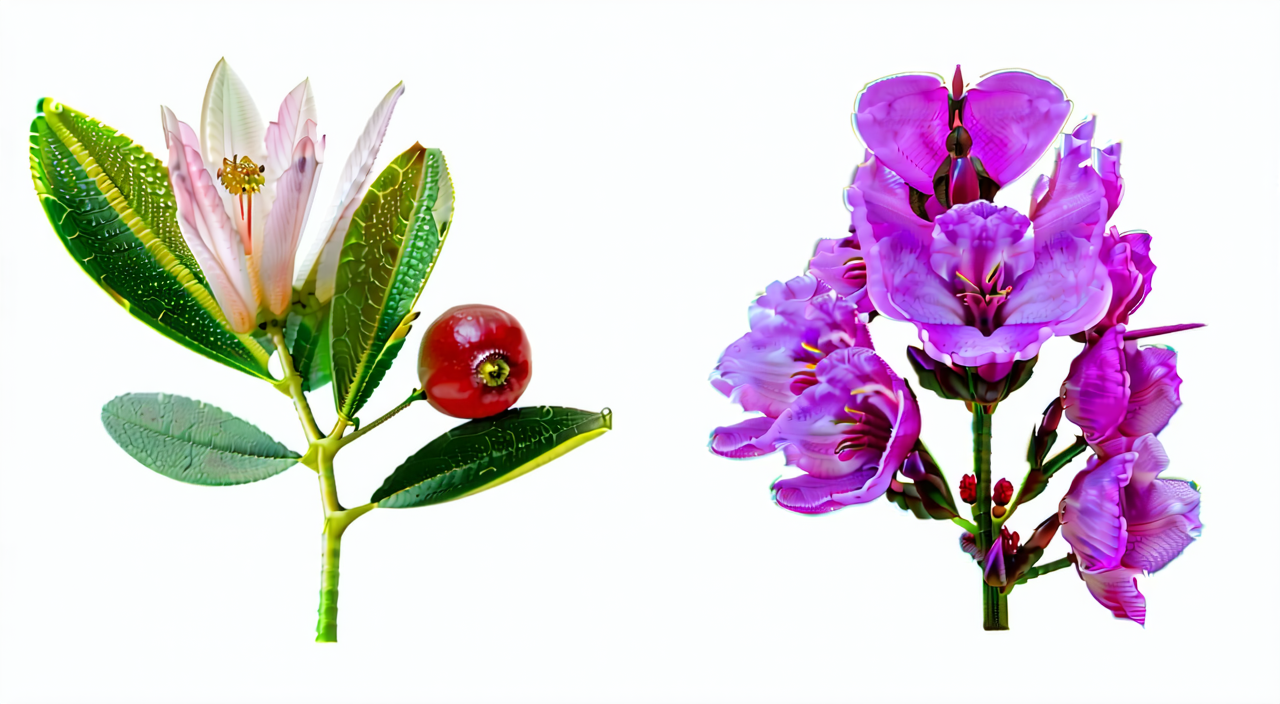
Liaoge Wang is generally associated with plants such as Wikstroemia indica in the Thymelaeaceae family. Huang Yuanhua and Yuanhua generally refer to Yuanhua-type plants, with the standardized name commonly being Yuanhua, traditionally associated with plants of the Daphne genus in the Thymelaeaceae family. Although both may appear in local medicinal materials or traditional medical references, they are not the same plant and should not be substituted for one another.
In appearance, Liaoge Wang is generally perceived as an evergreen or semi-evergreen shrub. Its leaves are usually opposite or nearly opposite, its flowers are commonly white or pale, and its mature fruits may be red. Yuanhua-type plants usually have pale purple, reddish purple, or purple flowers, and their flowering period and leaf emergence may differ from those of Liaoge Wang. The name Huang Yuanhua may also be influenced by regional naming practices, so conclusions should not be based on color alone.
The chemical composition and risks of different medicinal parts, such as the root, root bark, and flowers, are not the same. Similar appearance or names do not mean that the effects, toxicity, or methods of use are identical. Medicinal material identification should be completed by combining botanical characteristics, the physical properties of the material, and necessary test results.
How Should Traditional or Approved Preparations Be Understood?
In some regions, legally approved topical preparations containing Liaoge Wang may exist, and historical sources may also record its use in formulas for reducing swelling or in local empirical prescriptions. Such preparations should be understood as products made under specific regulatory and preparation conditions, or as historical records, rather than as a basis for collecting the original plant oneself.
Topical use does not mean that a product is completely risk-free. Suitability should be assessed according to the approved indications, package instructions, application site, skin integrity, age, and personal allergy history. Medicinal powders, soaking solutions, and medicinal alcohol preparations with unclear labels, uncertain sources, or homemade formulations should not replace regulated products. When formulas or proprietary Chinese medicines are involved, it is also advisable to consider the product instructions, personal circumstances, and professional advice together. Do not increase the frequency, extend the duration of use, or apply the product over a larger area without guidance.
What Precautions Are Needed?
Liaoge Wang is not suitable as an ordinary tea, health-promoting medicinal alcohol, or household herbal remedy. Do not swallow the root or root bark on your own, soak the root bark in alcohol for drinking, or apply fresh material, powder, or homemade extracts to damaged skin, eczema, mucous membranes, or the skin around the eyes. When handling an unknown plant, avoid touching its sap with bare hands. Wash your hands promptly after handling it and store it separately from food and children’s items.
If it is accidentally ingested, applied, or gets into the eyes, do not induce vomiting or attempt to neutralize it with another herb. Depending on the type of exposure, contact a doctor or local poison control service as soon as possible. In the event of eye exposure, rinse thoroughly with clean running water first and then seek professional help. Seek medical attention promptly if burning pain, vomiting, severe abdominal pain, black stools, marked weakness, jaundice, abnormal urine output, or breathing problems occur.
People with severe or recurring symptoms, or with pronounced anxiety, palpitations, chest tightness, pain, unexplained weight loss, or similar signs, should undergo a proper medical evaluation first. This article is provided for general educational reference about Chinese medicinal materials and cannot replace professional diagnosis or treatment advice.
Summary
Liaoge Wang is generally associated with plants such as Wikstroemia indica in the Thymelaeaceae family, and traditional medicinal records mainly involve the root or root bark. However, regional names and standards may differ. It is not the same medicinal material as Huang Yuanhua or Yuanhua, and it can cause significant irritation and potential toxicity. It should not be soaked in alcohol, swallowed, or applied to damaged skin without professional guidance. If burning pain, vomiting, or other significant discomfort occurs, seek medical attention promptly. This article is for general educational reference only, and specific situations require professional advice.