
What Is Liangmianzhen? Medicinal Parts, Identification, and Common Preparations
Liangmianzhen is a relatively distinctive medicinal plant used in traditional Chinese medicine. Many people become interested in it because of the hooked thorns on its branches, the color of its root bark, or its related ingredients in toothpaste and topical products. Liangmianzhen is derived from the dried root of the Liangmianzhen plant. Traditionally, it has been understood in terms of promoting qi circulation and relieving pain, invigorating blood and resolving blood stasis, and dispelling wind to unblock the channels. Today, it is more commonly found in regulated topical products or compound preparations. It is important to note that medicinal names, regional aliases, and preparation ingredients do not always correspond exactly. Understanding the plant source and appropriate usage limits can help prevent improper self-mixing or substitution.
What Does Liangmianzhen Look Like? How Can It Be Identified?
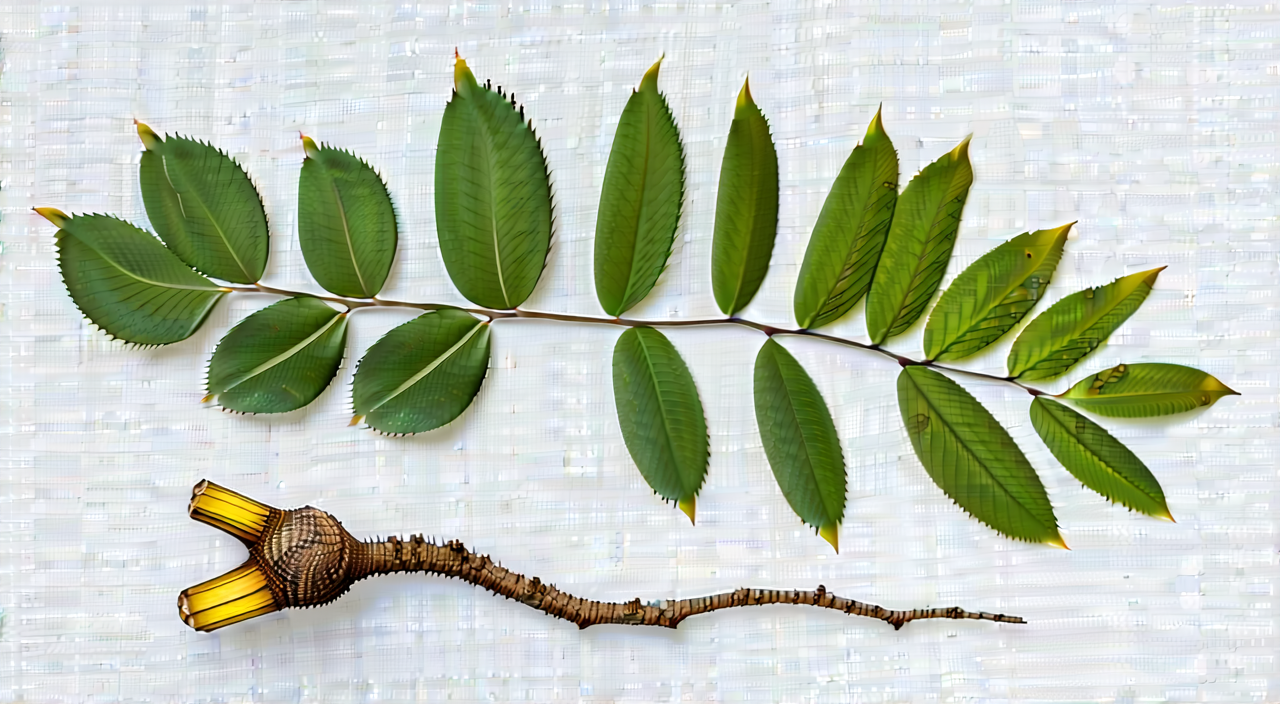
Liangmianzhen generally refers to the plant in the Rutaceae family from which the dried medicinal root is obtained. The original plant is usually a vine-like or climbing shrub. Its branches are not smooth and often have curved, hooked thorns, which are among its most noticeable identification features. Growth conditions and plant age can cause variations in appearance, so no single characteristic can replace professional identification.
The leaves of Liangmianzhen are generally pinnate compound leaves, with leaflets arranged along both sides of the leaf axis. The leaflets are broadly elliptical or ovate-elliptical, and the surface is relatively glossy. The detailed appearance of the leaves, branches, and fruit changes with the season. Dried medicinal materials on the market have usually lost the complete form of the living plant and should not be identified simply based on an impression of the fresh plant.
The dried roots are often cylindrical, elongated, or irregularly segmented. The outer bark is commonly yellowish brown or dark brown and may have longitudinal wrinkles. The cross-section may show the cortex and wood structures. The roots are relatively hard and also have distinctive odor and taste characteristics. However, the color of medicinal materials may change during cutting, drying, and storage, so root slices from unidentified bulk sources should not be confirmed by visual inspection alone.
In practical identification, the hooked thorns on the branches, pinnate compound leaves, and root bark color can serve as preliminary clues. However, wild plants with a similar appearance should not be used directly as Liangmianzhen. If the material is intended for medicinal use or preparation as sliced herbal medicine, priority should be given to compliant products with clear source, specifications, and labeling information.
What Are the Medicinal Parts of Liangmianzhen?
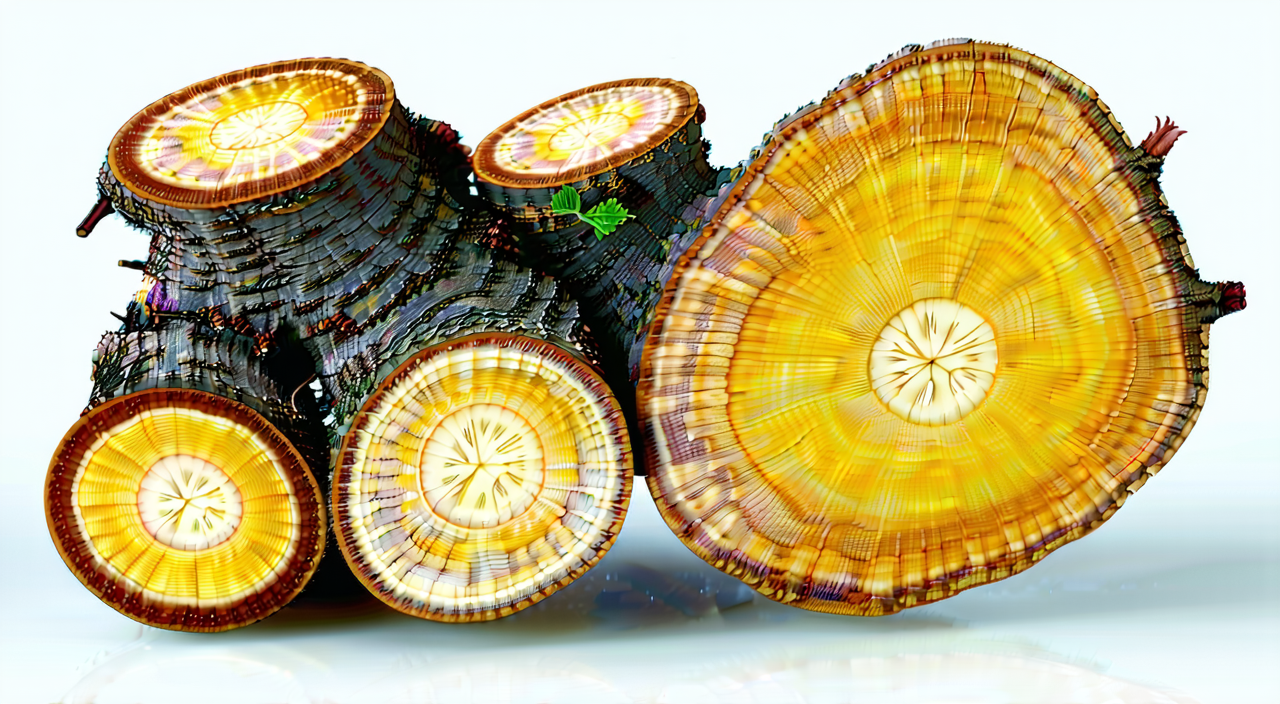
The primary traditional medicinal part of Liangmianzhen is the root. Commercial medicinal materials are also commonly described as Liangmianzhen root, while some sources specifically emphasize the root bark. After harvesting, the material is usually cleaned, sliced or cut into sections, and dried before being used as sliced herbal medicine or an extract in preparations. The proportions of constituents in the root and root bark may differ. Similar names do not mean that the branches, leaves, fruit, or other parts can be substituted without professional guidance.
The color, thickness, cross-section, and degree of dryness of the medicinal material can be affected by the harvest period, place of origin, processing method, and storage conditions. Standardized sliced herbal medicines generally have corresponding quality-control requirements. Self-collected roots from unknown sources may involve risks such as misidentification, contamination, mold, or unstable constituents. In particular, products intended for oral, skin, or other uses should not be prepared independently based solely on the traditional name of a plant.
From a practical perspective, understanding the medicinal parts of Liangmianzhen is mainly important for distinguishing the original plant from finished products. For Liangmianzhen slices, Liangmianzhen analgesic preparations, and legally approved topical preparations, the specific plant parts used, extraction ratio, intended applications, and directions should be based on the product label, package insert, and applicable local regulations.
How Does Traditional Chinese Medicine Understand Liangmianzhen?
Traditional Chinese medicine commonly understands Liangmianzhen from the perspective of qi and blood circulation and the free flow of the channels and collaterals. Descriptions found in related herbal texts and traditional use experience commonly include promoting qi circulation and relieving pain, invigorating blood and resolving blood stasis, and dispelling wind to unblock the channels. These concepts are generally used to explain its traditional applications for injuries, rheumatic pain, or localized discomfort. They represent theories and experience-based understandings in traditional Chinese medicine and do not constitute modern medical diagnoses or treatment conclusions for any disease.
When Liangmianzhen is included in modern products, it may be combined with other herbal medicines, aromatic ingredients, or excipients. Different formulas may have different focuses, dosage forms, and application sites. A topical product is not equivalent to an orally consumable medicinal herb. If pain, swelling, or restricted movement persists or recurs, or if it is accompanied by obvious injury, fever, numbness, or abnormal function, consult a doctor or qualified professional rather than relying solely on the traditional name of the herb to determine the cause.
What Issues Are Addressed in Modern Research?
Modern research on Liangmianzhen mainly focuses on its alkaloids and other chemical constituents, possible pharmacological activities, and dosage and safety boundaries. The composition of constituents can be affected by the plant part used, extraction method, and preparation process. Therefore, experimental findings cannot be directly equated with the actual effects of a particular product, nor should they be used as a basis for increasing the dosage or extending the duration of use without guidance.
In terms of safety, some studies and risk discussions have focused on the potential effects of Liangmianzhen-related constituents on the liver. Potential risks may be affected by the amount consumed, duration of use, individual metabolism, concurrent medications, and product quality. They cannot simply be summarized as problems that will occur in everyone, nor should natural origin be interpreted as meaning that a product is risk-free. Topical exposure, oral-mucosal exposure, and ingestion are different routes of exposure, and their risk assessments cannot be substituted for one another.
If a noticeable loss of appetite, persistent nausea, fatigue, unusual urine color, or yellowing of the skin or whites of the eyes occurs after use, stop self-administering the product and consult a doctor as soon as possible. People with existing liver disease or abnormal liver function, as well as those taking medications that may affect liver metabolism, should be especially careful and determine under professional guidance whether products containing Liangmianzhen are appropriate.
What Is the Difference Between Liangmianzhen, Sichuan Pepper Root, and Ruditengjin?
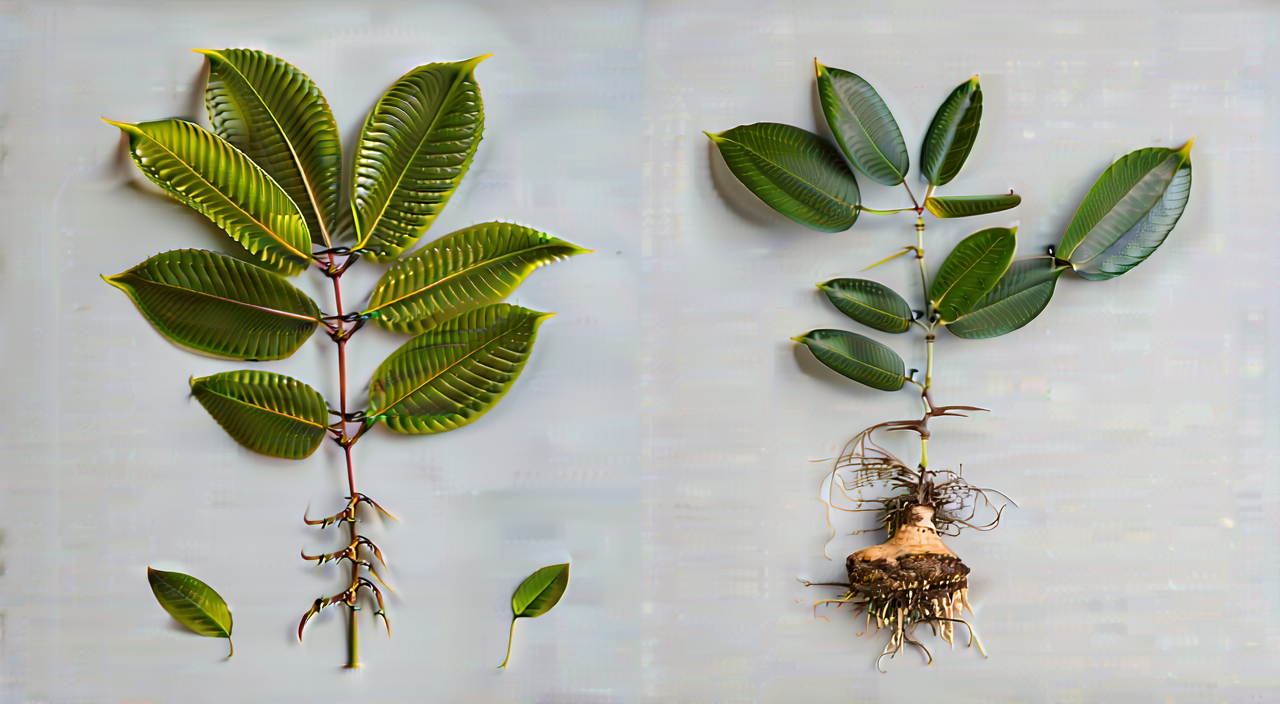
In some regions or sources, Liangmianzhen and Ruditengjin may be used as related aliases, sometimes referring to the same plant or to similar regional names. However, the correspondence among these terms is not always consistent across markets, sellers, and folk usage. When purchasing products or consulting reference materials, do not rely on the Chinese name alone. Check the botanical source, medicinal part, production information, and preparation ingredients.
Sichuan pepper root comes from the roots of plants in the Zanthoxylum genus. Although these plants also belong to the Rutaceae family, their appearance and certain odors may lead to confusion, but they cannot therefore be substituted for Liangmianzhen. The hooked thorns on Liangmianzhen branches, its pinnate compound leaves, and the particular form of its roots can provide identification clues. The source plants, characteristics of the thorns and leaves, fruit shape, and chemical constituents of Sichuan pepper root may all differ.
When the materials are dried and sliced, their similar appearance makes confusion more likely, especially after the branches and leaves have been removed and only root slices remain. People without identification experience are advised not to dig up wild roots and decoct or use them for extended periods on their own. When names do not match, rely on compliant labeling and professional identification information rather than regional common names alone.
What Common Preparations Contain Liangmianzhen?
Preparations associated with Liangmianzhen on the market may include Liangmianzhen tablets, Liangmianzhen analgesic preparations, and legally approved topical preparations. Products may come in different dosage forms, and the medicinal parts used, extraction processes, combination ingredients, and directions for use may also vary. The presence of Liangmianzhen in a product name does not mean that all such products are suitable for the same people or situations.
Liangmianzhen tablets are an orally administered type of preparation. Whether they are appropriate should be assessed based on the product instructions, individual constitution, symptoms, and professional advice. Liangmianzhen analgesic preparations may be used in traditional applications related to localized discomfort, but whether a particular product is topical or has another dosage form must be confirmed from the packaging and package insert. Legally approved topical preparations should be used only on the specified skin areas and at the stated frequency and dosage. They should not be applied independently to broken skin, around the eyes, or other sensitive areas.
Before using any preparation, check the full ingredient list, contraindications or precautions, expiration date, and storage requirements. If you are also using other herbal medicines, health supplements, or prescription drugs, explain your situation to a doctor, pharmacist, or other appropriately qualified professional beforehand. Liangmianzhen-related ingredients in toothpaste are generally local-use ingredients in a formula and are not equivalent to Liangmianzhen medicinal herbs or oral preparations. Their presence in toothpaste does not indicate that the product can be taken internally.
What Precautions Are Needed When Using Liangmianzhen?
First, people with liver disease, a history of abnormal liver function, those who are pregnant or breastfeeding, children, and older adults should not independently try oral Liangmianzhen or oral preparations containing Liangmianzhen. Suitability should be assessed according to the individual situation, the specific product, and professional advice. For topical products, also consider any history of allergies and first read the instructions carefully.
Second, do not collect Liangmianzhen roots in the wild and decoct them for oral use on your own. Do not convert topical preparations for oral use or substitute tablets, toothpaste, and medicinal herbs for one another. The oral mucosa is relatively sensitive. If toothpaste or oral products containing related ingredients cause stinging, burning, redness, swelling, ulcers, or persistent discomfort, stop using them and consult a professional. If marked itching, a rash, blisters, or swelling develops after topical use, seek appropriate care promptly.
If symptoms are severe, persistent, or recurrent, or are accompanied by marked anxiety, depression, palpitations, chest tightness, abnormal breathing, severe abdominal pain, persistent vomiting, black stools, or weight loss, consult a doctor promptly. Do not use Liangmianzhen or other herbal medicines as a substitute for medical evaluation. Unexplained pain, persistent fever, or symptoms after an injury should also be medically assessed first to clarify the cause and risks.
Summary
The key to understanding what Liangmianzhen is lies in clarifying its plant source and medicinal part. It is primarily derived from the dried root of the Liangmianzhen plant. The original plant commonly has thorny branches and pinnate compound leaves, while medicinal root slices may show yellowish-brown root bark. Names such as Ruditengjin may cause regional confusion, and Sichuan pepper root cannot be directly substituted for it. Liangmianzhen tablets, analgesic preparations, and topical products differ in their ingredients and directions for use. Particular attention should be paid to liver-related risks, pregnancy, and oral irritation. This article is provided for general educational reference only and cannot replace professional diagnosis or medication advice.