
What Is Tie Bao Jin? Medicinal Parts, Identification, and Common Formulas
Among locally used medicinal materials in southern China, Tie Bao Jin is a name that can easily cause confusion because of differences in vernacular names, regions of origin, and botanical sources. Many people who ask what Tie Bao Jin is mainly want to know what it looks like, whether the root or the entire plant is used medicinally, and whether it is the same as Smilax glabra or another commonly used heat-clearing herb. In general, Tie Bao Jin usually refers to Rhamnaceae plants locally known as “laoshu er,” and it is commonly used in traditional medicine in southern China. However, medicinal material standards may vary between regions. The following information is intended for general education only. Actual identification and use should follow local standards for botanical origin, the label on the prepared herb, and professional advice.
What Does Tie Bao Jin Look Like? How Is It Identified?
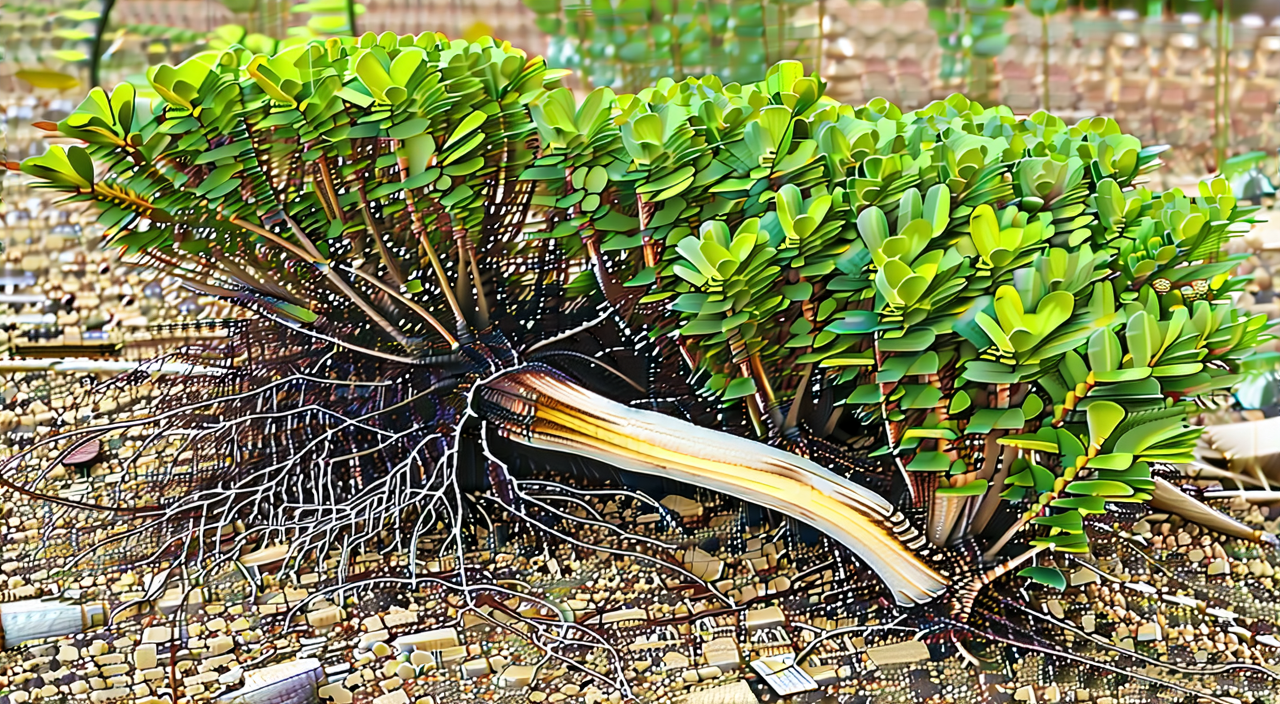
The plants referred to as Tie Bao Jin are mostly prostrate or climbing shrubs. As they grow, their branches tend to lie close to the ground or climb upward with support from surrounding plants. The plants are generally not tall and have many slender branches, unlike medicinal materials derived from trees with clearly thick trunks. Because growing conditions, harvesting seasons, and local names vary, wild specimens may differ somewhat in height, branch length, and leaf size.
Leaf and Branch Characteristics
The leaves are usually small and simple, commonly elliptical, ovate, or nearly round. Their color may range from light green to dark green. Leaf arrangement, margins, and veins can provide supporting identification information, but a single leaf is generally insufficient to confirm the identity of the medicinal material. Young branches may be brownish green or grayish brown, while older branches gradually become darker. Branch texture and the presence or absence of thorns may also vary by species or individual plant.
Root and Cross-Section Characteristics
The name Tie Bao Jin often brings attention to the appearance of its roots. In traditional medicinal material descriptions, the outer root bark may be blackish brown or dark brown, with longitudinal wrinkles, cork tissue, or irregular root nodules on the surface. The interior of the cross-section is relatively light in color, commonly yellowish white to pale yellow, with a woody core. Dried roots are usually hard, and the broken surface may be fibrous. Identification should consider the root, stem, leaves, and place of origin together. A dark root bark alone is not sufficient to identify a material as Tie Bao Jin.
If purchasing sliced material, check the package for the botanical source, medicinal part, place of origin, and applicable quality standard. For bulk materials with an unknown source that bear only a vernacular name and lack standardized labeling, do not rely solely on online images or appearance for identification.
Which Parts of Tie Bao Jin Are Used Medicinally?
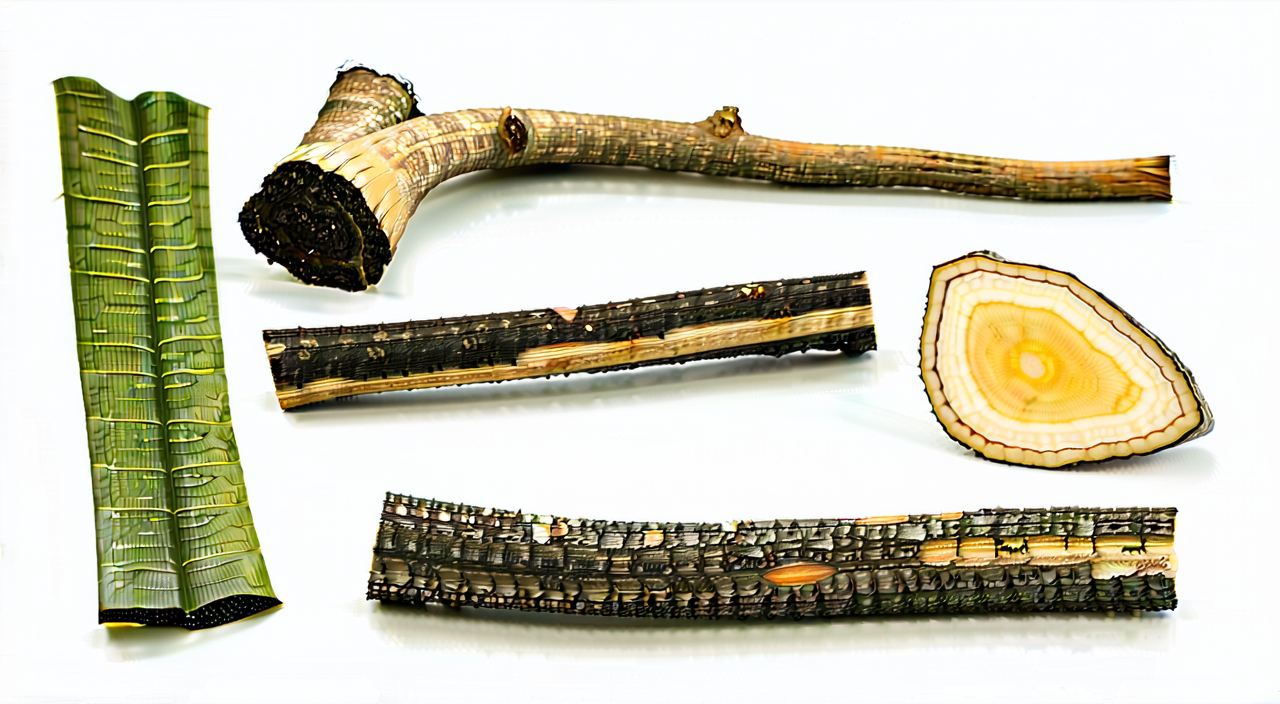
The medicinal parts of Tie Bao Jin are not exactly the same in every region. Some local herbal standards and folk practices primarily use the root, particularly the root material that has been cleaned, sliced, and dried. In other regions, the root, stems, and leaves are used together as the entire plant. Whether the root or the whole plant is used should be determined by local medicinal material standards and the standardized name used by a hospital or pharmacy.
Differences Between the Root and the Whole Plant
The root is usually the most recognizable part of the medicinal material. Descriptions of the root commonly mention dark outer bark and a lighter-colored woody core. Use of the entire plant may include slender stems, branches, and leaves, so its appearance, aroma, texture, and traditional dosage may differ. Therefore, the vernacular name “Tie Bao Jin” should not automatically be equated with any dark-colored root, and roots, vines, branches, and leaves from different sources should not be mixed indiscriminately.
Common processing methods include removing soil and debris, washing, cutting into sections or slices, and drying. Whether the material requires moistening, stir-frying, or another treatment should follow local processing standards. For users outside China, it is especially important to verify the Latin name or standardized botanical source, medicinal part, and production batch when purchasing across regions, in order to avoid confusion caused by translation or differences in vernacular names.
How Is Tie Bao Jin Understood in Traditional Local Medicine?
Traditional local medicine commonly associates Tie Bao Jin with approaches involving heat clearing and detoxification, cough relief and phlegm reduction, as well as relief of blood stasis and pain. In some folk practices, it may be included in approaches for throat discomfort, coughing with abundant phlegm, manifestations traditionally associated with heat-toxin, or injuries from falls and blows. These descriptions belong to the field of traditional use and do not constitute diagnoses or treatment conclusions in the sense of modern medicine.
From the perspective of traditional Chinese medicine theory, use of a medicinal herb generally also requires consideration of cold and heat, deficiency and excess, phlegm and blood stasis, symptom duration, and individual constitution. The causes of coughing or pain may differ from person to person, so a single symptom should not be used as the sole basis for choosing one herb. If symptoms recur or persist, or are accompanied by fever, abnormal breathing, chest tightness, significant pain, coughing up blood, or other concerning signs, consult a doctor or qualified professional promptly.
How Should Modern Research on Tie Bao Jin Be Understood?
Modern research on plants associated with Tie Bao Jin may involve phytochemical constituents, in vitro experiments, animal studies, or reviews of local medicinal experience. The species, plant parts, extraction methods, and sample conditions used in different studies may not be consistent. Therefore, research findings cannot be directly applied to every raw material marketed as “Tie Bao Jin.”
When reviewing relevant information, distinguish between traditional use, laboratory observations, and human clinical evidence. If an extract demonstrates a certain activity in vitro, that does not mean ordinary decoction pieces, infused preparations, or formulas will produce the same result, nor does it support conclusions about use for a particular disease. For consumers, the most important steps are to confirm the botanical source and medicinal part first, then assess appropriate use in light of official instructions, product labeling, and professional advice.
What Are the Differences Between Tie Bao Jin, Smilax glabra, and Golden Buckwheat?
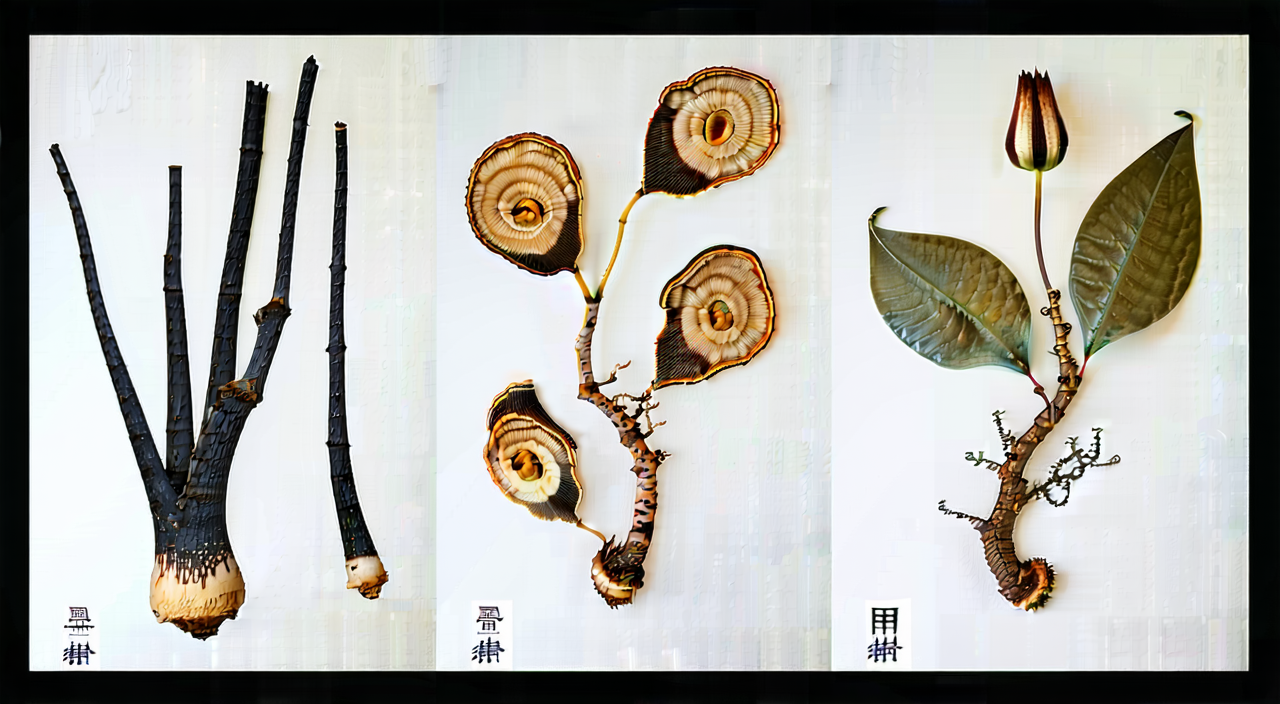
Tie Bao Jin, Smilax glabra, and golden buckwheat are sometimes compared because of associations with “heat clearing,” “detoxification,” or local medicinal terminology. However, they are not the same plant, and their main medicinal parts and appearances also differ.
| Medicinal material | Common botanical source | Main medicinal part | Key identification features |
|---|---|---|---|
| Tie Bao Jin | Usually refers to Rhamnaceae plants locally known in southern China as “laoshu er” | Root; the entire plant is used in some regions | The root bark is blackish brown or dark brown, with a yellowish-white woody core; the plant is usually prostrate or climbing, with relatively small leaves |
| Smilax glabra | Smilax glabra and other plants in the genus Smilax | Rhizome | Usually a chunky or sliced rhizome; the cross-section may show veins or fibrous structures and is generally not a slender root |
| Golden buckwheat | Golden buckwheat and other plants in the Polygonaceae family | Rhizome | The rhizome is relatively thick, and its cross-section and overall appearance differ from Tie Bao Jin roots; the leaves also have clearly different shapes |
Therefore, the fact that a material is a “root” does not mean it is the same medicinal herb. Tie Bao Jin commonly emphasizes slender roots and dark root bark, whereas Smilax glabra and golden buckwheat are primarily used as rhizomes. Simply seeing a black, brown, or similar-looking slice and substituting one for another may create problems involving botanical identity and proper use. For physical identification, it is best to consult a professional experienced in medicinal material authentication, who can assess a complete plant specimen, the characteristics of the prepared slices, and labeling information together.
Which Formulas Contain Tie Bao Jin?
Local medicinal literature includes formulas named “Tie Bao Jin Decoction” and “Tie Bao Jin Powder,” as well as regional heat-clearing and cough-relieving compound formulas that contain Tie Bao Jin. In different regions, these names may refer to different ingredients, dosages, preparation methods, and indications. They may not be nationally standardized classical formulas. Therefore, the specific combination should not be inferred from the formula name alone, and these formulas should not be used solely on the basis of an online article.
Tie Bao Jin Decoction and Tie Bao Jin Powder
“Tie Bao Jin Decoction” generally refers to a liquid decoction and may combine Tie Bao Jin with other herbs traditionally associated with heat clearing, phlegm reduction, cough relief, or general regulation. “Tie Bao Jin Powder” may be prepared in powdered form. Because regional versions can differ substantially, the actual ingredients should be confirmed through a legitimate prescription, official product instructions, or formulation label. Even when the formula name is the same, differences in the medicinal part and processing specifications may affect its overall properties.
Regional Heat-Clearing and Cough-Relieving Formulas
In some regional practices, Tie Bao Jin is used as one ingredient in compound formulas intended to support traditional approaches involving heat clearing, cough relief, and phlegm reduction. Such formulas or Chinese patent medicines should not be assessed separately from the individual’s circumstances. Constitution, symptoms, medical history, current medications, and product instructions all need to be considered. People who are pregnant or breastfeeding, children, older adults, and those with liver or kidney disease should consult a doctor or qualified traditional Chinese medicine professional before use.
What Precautions Should Be Taken When Using Tie Bao Jin?
First, pay close attention to regional differences in botanical source. Tie Bao Jin is a medicinal material strongly associated with local terminology, and different regions may use the same name for different plants, different names for the same plant, or different medicinal parts. Before purchasing or using it, confirm the standardized name, botanical source, medicinal part, place of origin, and testing information. Do not purchase unidentified raw materials online based only on vernacular names such as “laoshu er” or “Tie Bao Jin.”
Second, avoid self-administering it for long periods or in large amounts, or combining it with multiple other heat-clearing and detoxifying herbs. If you are taking prescription medication or have abnormal liver or kidney function, a history of allergies, or a chronic disease, inform a qualified professional. During pregnancy or when trying to conceive, do not independently try herbal products or folk formulas with an uncertain source.
If you experience persistent coughing, difficulty breathing, chest tightness or palpitations, recurrent fever, severe abdominal pain, persistent vomiting, black stools, marked weight loss, or significant anxiety or depression, seek medical evaluation as a priority. Do not use Tie Bao Jin or related formulas as a substitute for timely medical care. This article is provided for general educational reference about Chinese medicinal materials and does not replace professional diagnosis or treatment advice.
Summary
Tie Bao Jin generally refers to a type of Rhamnaceae medicinal plant known locally in southern China. The root is commonly used, although some regions use the entire plant. Identification may take into account the prostrate or climbing growth habit, small leaves, dark root bark, and yellowish-white woody core. Tie Bao Jin differs from Smilax glabra and golden buckwheat in botanical source and in whether the root or rhizome is used, while related formulas also vary significantly by region. Before use, verify the standardized botanical source. People who are pregnant, have liver or kidney disease, or experience persistent or recurring discomfort should consult a qualified professional first. This article is intended for general educational reference only.