
What Is Kudzu Flower? Medicinal Parts, Identification, and Traditional Formulas
Many Chinese-speaking users overseas come across kudzu flower through kudzu root products, traditional hangover formulas, or Chinese herbal medicine guides. Kudzu flower comes from the flowers of wild kudzu or lobed kudzuvine. It belongs to the same plant as kudzu root but represents a different medicinal part, with distinct appearance, harvesting time, and traditional applications. To understand what kudzu flower is, it is important to begin with the plant’s form and medicinal part rather than assuming that kudzu flower and kudzu root are interchangeable simply because they share the word “kudzu.”
What Does Kudzu Flower Look Like? How Can It Be Identified?

Kudzu flower comes from wild kudzu or lobed kudzuvine, plants in the legume family and the genus Pueraria. The plant is usually a twining vine with long stems and trifoliate leaves. Its flowers grow in concentrated clusters, which is a useful feature when identifying kudzu flower.
The corolla of kudzu flower is usually blue-purple, reddish-purple, or a shade with blue-violet tones. Its shape is a typical butterfly-shaped flower. The flowers do not grow singly; instead, many are arranged along slender racemes that emerge from the leaf axils or branch tips. When examining a fresh plant, note the corolla color, butterfly-like structure, and clustered flowering pattern. Beneath the corolla is the calyx, which is tubular or bell-shaped and often has green, purple, or brownish-purple tones.
After harvesting and drying, the bright color of kudzu flower becomes deeper, commonly turning brownish-purple, dark purple, or purplish-brown. The dried flowers tend to shrink and wrinkle, and the corolla, calyx, and flower stalks may overlap, making them look less open than fresh flowers. When evaluating the herb, consider the flower shape, inflorescence characteristics, smell, cleanliness, and source information together with color. A reliable identification usually cannot be made from an online image or color alone.
What Is the Medicinal Part of Kudzu Flower?
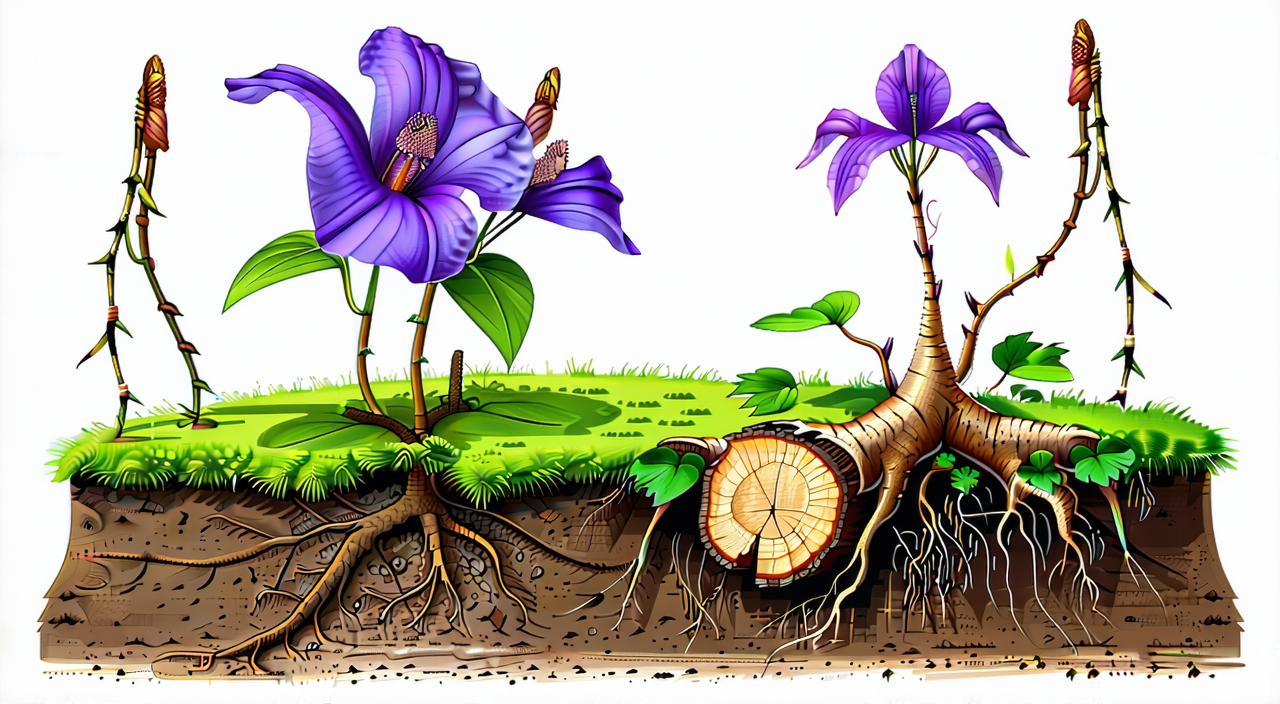
The primary medicinal part of kudzu flower is the flower, including flower buds or blossoms that have just opened and are collected during the flowering season. Traditional processing usually involves harvesting the flowers when they are open or nearly open, removing impurities, and drying them promptly to preserve their shape and aroma. The color and condition of the dried herb can be affected by the growing region, harvest season, drying method, and storage conditions.
Although kudzu flower and kudzu root come from the same plant, their medicinal parts are different. Kudzu flower is taken from the above-ground flowers or flower buds, whereas kudzu root comes from the underground roots and is commonly processed into irregular or elongated slices before drying. They should not be substituted for one another simply because they have the same botanical source, nor should they be combined casually based on personal preference.
When purchasing or identifying dried kudzu flower, check the package for the botanical source, medicinal part, batch information, storage conditions, and directions for use. Herbs showing obvious mold, moisture damage, unusual odors, or abnormal coloration should not be used. Loose flowers from an unknown source should also not be identified as kudzu flower based on appearance alone.
How Does Traditional Chinese Medicine Understand Kudzu Flower?
Traditional Chinese medicine commonly discusses kudzu flower in terms of easing the effects of alcohol, supporting the spleen, harmonizing the middle burner, and relieving thirst. In this context, “easing the effects of alcohol” refers primarily to a traditional materia medica and formula-based application. It does not mean that kudzu flower can prevent intoxication or counteract the effects of alcohol on the body. If discomfort occurs after drinking, stop drinking and monitor your condition rather than treating kudzu flower as protection that allows continued alcohol consumption.
From the perspective of traditional use, kudzu flower is often discussed for symptoms such as thirst, stomach discomfort, reduced appetite, a heavy-headed feeling, or fatigue after excessive drinking. However, these symptoms may have many causes and may also be related to dehydration, acute alcohol effects, or other health problems. Traditional Chinese medicine pattern assessment generally considers the amount of alcohol consumed, symptoms, the tongue and pulse, medical history, and individual constitution. A single symptom is not enough to determine whether an herb is appropriate.
The ingredients, dosage, and scope of use of kudzu flower formulas may vary according to the medical text, processing method, and specifications of modern products. Traditional formulas should therefore be viewed as a way to understand traditional Chinese medicine principles. Whether a formula is suitable still depends on the individual’s circumstances, product instructions, and professional advice.
What Does Modern Research Say About Kudzu Flower?
Modern research may examine isoflavones, flavonoids, and other plant constituents found in kudzu flower, focusing on its chemical composition, extract characteristics, and experimental findings. It is important to note that constituent analysis, in vitro studies, and animal experiments cannot be directly equated with actual effects in humans. They also cannot establish that kudzu flower prevents intoxication, protects the liver, or counteracts alcohol-related harm.
The effects of alcohol on the body depend on the amount consumed, drinking speed, body weight, nutritional status, drug interactions, and individual differences. No herb or traditional formula should be treated as protection before drinking, and none should be used to increase alcohol tolerance or consumption. When reviewing related research, distinguish between experimental findings, traditional applications, and well-established human evidence. Promotional claims should not be treated as definitive conclusions.
What Is the Difference Between Kudzu Flower, Kudzu Root, and Sophora Flower?
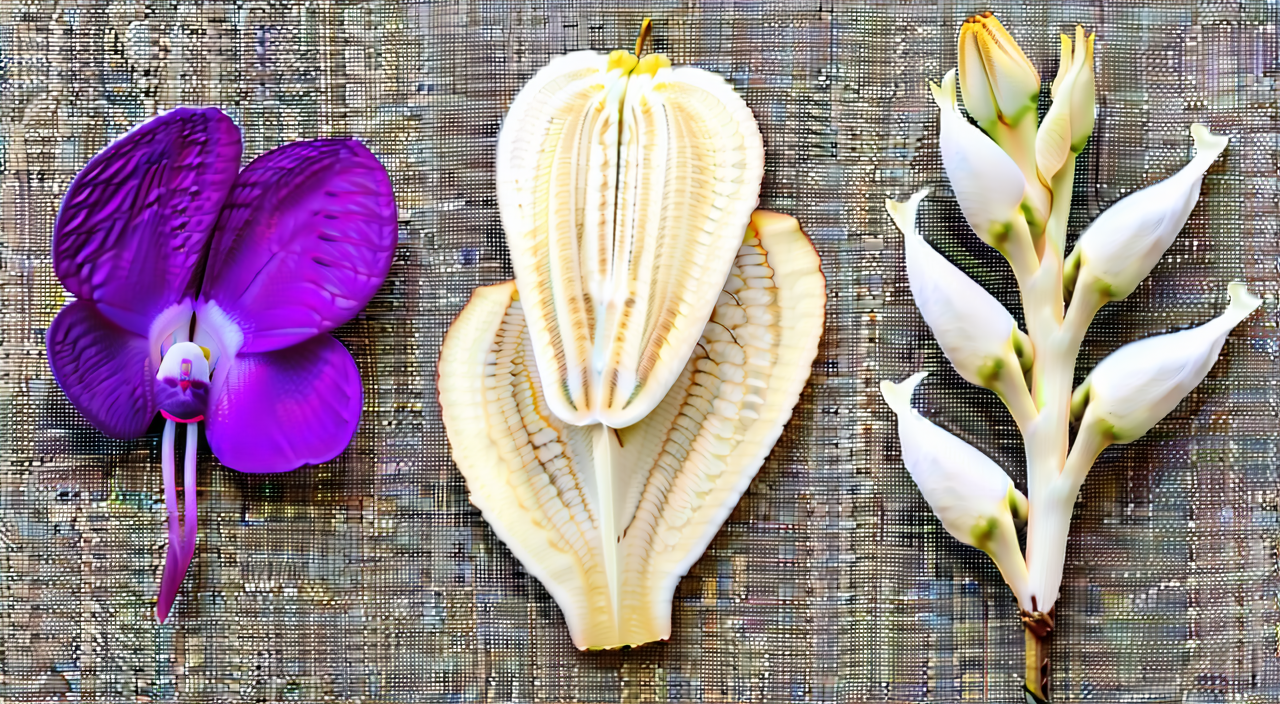
Kudzu flower, kudzu root, and sophora flower may all appear in discussions of Chinese herbal medicines or medicinal flowers, but they are not the same herb and differ in both source and form.
| Herb | Main source and part used | Key identification features | Traditional application |
|---|---|---|---|
| Kudzu flower | Flowers or flower buds of wild kudzu or lobed kudzuvine | Blue-purple or reddish-purple butterfly-shaped flowers, usually brownish-purple after drying | Traditionally discussed in relation to easing the effects of alcohol, supporting the spleen, and relieving thirst |
| Kudzu root | Roots of wild kudzu or lobed kudzuvine | Usually sliced root; its cross-section and texture differ from those of flowers | Commonly understood in traditional terms as releasing the exterior, raising yang, and promoting fluid production |
| Sophora flower | Flowers or flower buds of the Japanese pagoda tree | Usually yellowish-white or pale yellow; buds are granular or short and tubular | Traditionally discussed in relation to cooling the blood and stopping bleeding |
The key distinction is that the medicinal part of kudzu flower is the flower or flower bud, while the medicinal part of kudzu root is the root. Sophora flower comes from the Japanese pagoda tree, so its color, inflorescence, flower-bud form, and botanical source are all different. For reliable identification, check official labels, botanical source, and the physical characteristics of the herb rather than mixing flowers that look similar or have similar names.
Which Traditional Formulas Contain Kudzu Flower?
Traditional medical texts mention formulas containing kudzu flower, including Gegen Jiecheng Decoction, Kudzu Flower Powder, and Kudzu Flower Pills. Because the transmission of classical texts, editions, and specifications of modern preparations differ, formulas with the same name may not have identical ingredients or dosages. The information below is intended for learning about traditional formulas and should not be treated as a personal treatment plan.
Gegen Jiecheng Decoction
Gegen Jiecheng Decoction is one of the traditional formulas most commonly associated with kudzu flower. The term “jiecheng” refers to the traditional approach of addressing discomfort after drinking alcohol. Some traditional records combine kudzu flower with herbs such as kudzu root, amomum fruit, costus root, atractylodes, and poria. However, the exact ingredients should be confirmed against the medical text being referenced or the instructions for an officially produced product. Taking this formula before drinking does not prevent intoxication and cannot replace treatment for acute alcohol poisoning.
Kudzu Flower Powder
Kudzu Flower Powder is the name of a traditional formula prepared in powder form. Historical sources may differ in their ingredients and directions for use. When learning about this type of formula, pay attention to the dosage form, herb sources, intended users, and instructions. The presence of “kudzu flower” in the name does not mean that the formula is suitable for every type of discomfort after drinking.
Kudzu Flower Pills
Kudzu Flower Pills are another traditional formula name. Pills usually contain several herbs used in combination. Their specific ingredients, product specifications, and directions should be checked against a reliable source or product instructions. People with liver disease, those taking other medications, and individuals who are pregnant or breastfeeding should not try them without professional advice. Consult a doctor or qualified practitioner first.
What Precautions Should Be Taken When Using Kudzu Flower?
First, kudzu flower should not be used as protection against alcohol. Taking kudzu flower or a related formula does not make it safe to increase alcohol consumption and cannot offset alcohol’s potential effects on the nervous system, digestive system, liver, or other parts of the body. Alcohol should be consumed in moderation, and anyone who feels unwell should stop drinking and seek appropriate help.
Second, people with liver disease, those who are pregnant or breastfeeding, children, older adults, and people taking prescription medicines or long-term medications should not use kudzu flower or formulas containing it without professional guidance. People with allergies, chronic illnesses, or uncertainty about the source of the herb should also consult a doctor, traditional Chinese medicine practitioner, or pharmacist first. When choosing a related product, consider the product instructions, personal circumstances, and professional advice together rather than relying on a single marketing claim.
If someone develops confusion, cannot be awakened, repeated vomiting, abnormal breathing, seizures, cold skin, or bluish skin after drinking, this may be an emergency. Contact local emergency services immediately, do not leave the person alone, and do not force vomiting. Anyone with persistent or recurring discomfort after drinking, or symptoms such as significant abdominal pain, jaundice, weight loss, or ongoing vomiting, should also consult a doctor promptly. This article is for educational reference only and cannot replace professional diagnosis or treatment advice.
Summary
Kudzu flower consists of the flowers or flower buds of wild kudzu or lobed kudzuvine. Fresh flowers are usually blue-purple or reddish-purple and butterfly-shaped, while dried flowers commonly become brownish-purple. Kudzu root is taken from the root, and sophora flower comes from the Japanese pagoda tree, so the three should not be confused. Traditionally, kudzu flower is discussed in relation to easing the effects of alcohol, supporting the spleen, and relieving thirst. Related formulas include Gegen Jiecheng Decoction, Kudzu Flower Powder, and Kudzu Flower Pills, but they cannot prevent intoxication or counteract alcohol-related harm. Any use should be evaluated according to personal circumstances, product instructions, and professional advice.