
What Is Zhongjie Feng? Medicinal Parts, Identification, and Common Preparations
What is Zhongjie Feng? Many people encounter this name when learning about traditional Chinese medicinal herbs associated with clearing heat and resolving masses, Cao Shanhu lozenges, or related preparations. Zhongjie Feng comes from the dried whole plant of Sarcandra glabra. Cao Shanhu is both the plant’s name and one of the common names used for the herb in the marketplace. Because different regions may use different local names, understanding the plant’s appearance, medicinal parts, and preparation names can help prevent confusion between Zhongjie Feng and plants that look similar or have similar names.
What Does Zhongjie Feng Look Like?
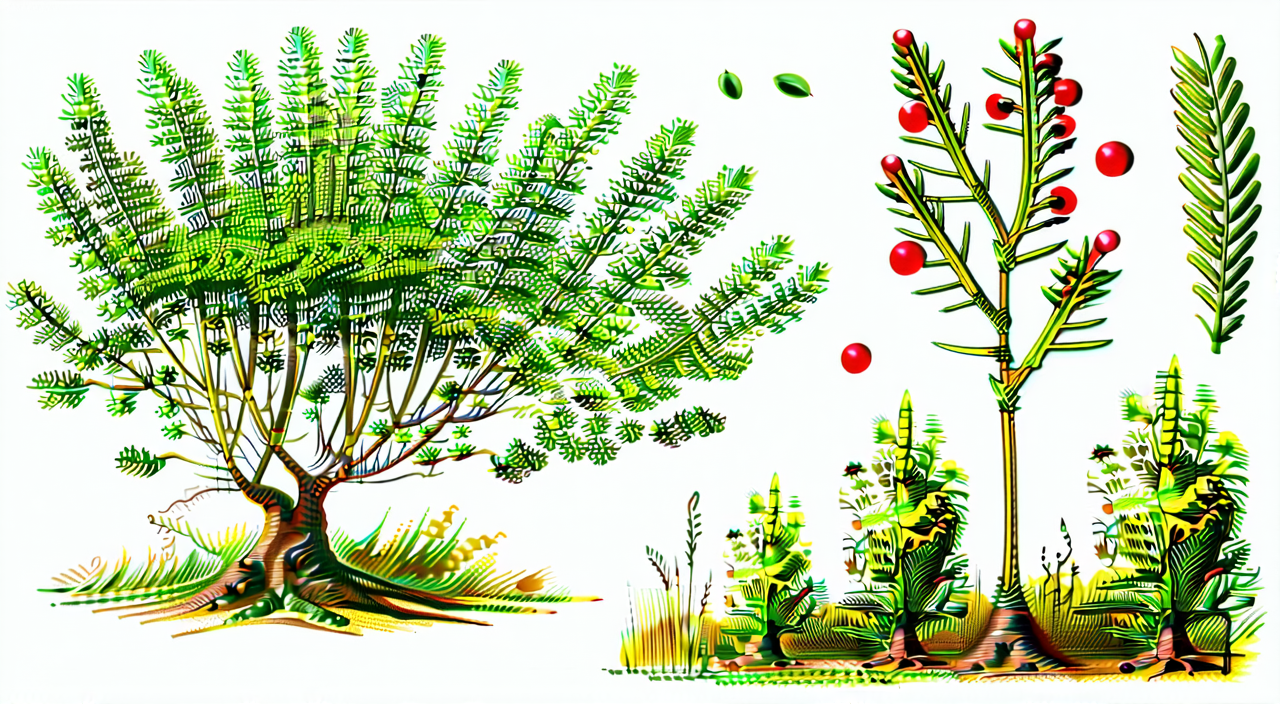
Zhongjie Feng is a plant in the genus Sarcandra of the family Chloranthaceae. It usually grows in relatively shady and humid environments, such as forest understories, valleys, or shrublands, and generally has the form of a herbaceous shrub or small shrub. Its stems are fairly upright, with noticeable branching, while the mature height varies according to the growing environment. The “swollen nodes” in its Chinese name mainly refer to the relatively enlarged nodes on the stem. However, identifying the plant based on a single visual feature alone cannot replace professional authentication.
The leaves are usually opposite, oval, or oblong, with serrated margins, gradually pointed tips, and a somewhat glossy surface. The inflorescences usually grow at the ends of branches or near the leaf axils. They are spike-like or relatively compact, with small flowers. The plant is not primarily identified by brightly colored flowers. When mature, the fruit may appear as red berries, which are among the more noticeable features during field observation. However, fruit color changes with maturity, and complete fruits may not be visible during all harvesting seasons.
When authenticating the medicinal herb, observers generally consider the stems, leaves, nodes, inflorescences, and odor together. Marketed dried material has often been cut into sections, and the leaves and stems may have darkened, making the form less complete than that of a fresh plant. Therefore, determining the source solely through online images or a name is not reliable. For purchasing, medicinal use, or quality verification, professional identification and information from reputable suppliers should be followed.
What Are the Medicinal Parts of Zhongjie Feng?
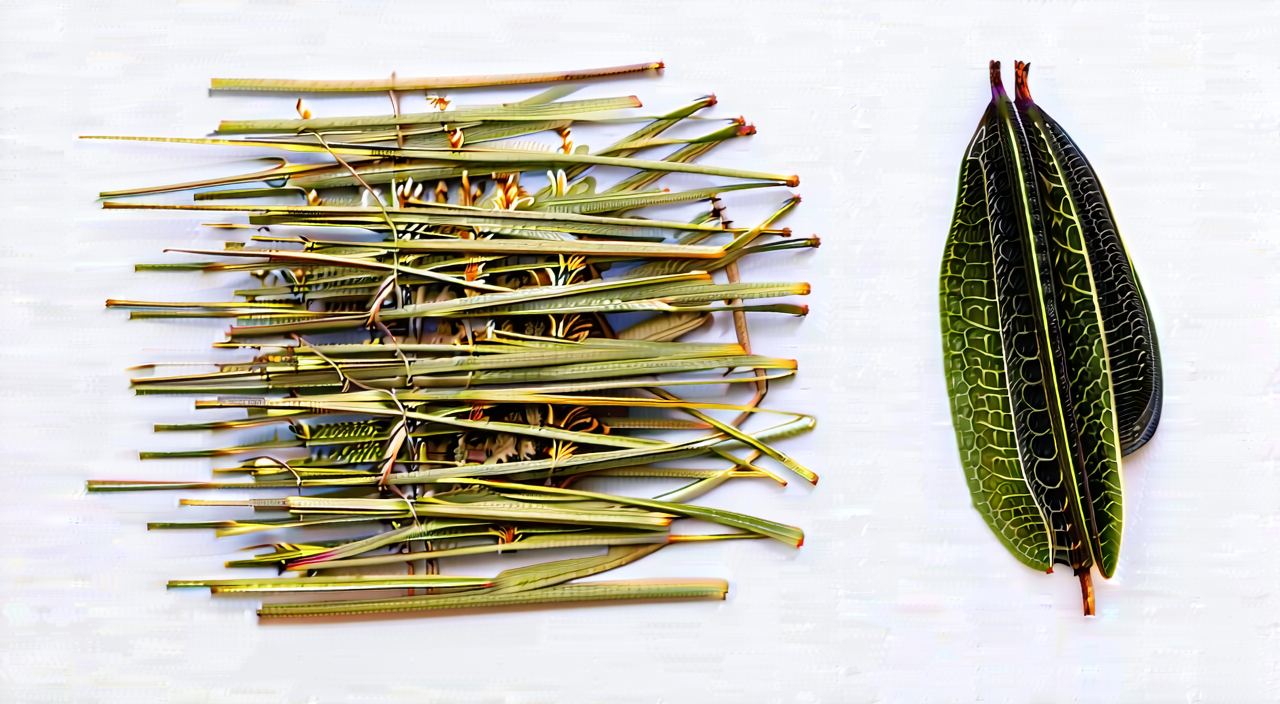
The medicinal part of Zhongjie Feng is the whole plant, including the aboveground stems, branches, and leaves, rather than only the roots or leaves. Traditional medicinal material is usually harvested during an appropriate season, after which impurities are removed and the material is washed, cut into sections, and dried for storage, formulation, and further processing. Dried Zhongjie Feng commonly appears in irregular sections, with stems mixed with leaves. Its color may range from yellowish green and brownish green to brown.
“Used as a whole plant” does not mean that every plant collected independently can be used directly. Wild plants may be affected by their growing environment, harvesting methods, processing techniques, and storage conditions. There may also be risks of misidentification, contamination, or mold. As basic information on a medicinal herb page, “the dried whole plant of Cao Shanhu” can be understood as the source and standardized medicinal part of Zhongjie Feng. Specific quality requirements and methods of use should be determined according to compliant medicinal-herb standards, product instructions, and professional advice.
How Does Traditional Chinese Medicine Understand Zhongjie Feng?
Within traditional Chinese medicine theory, Zhongjie Feng is commonly understood from the perspectives of clearing heat and cooling the blood, promoting blood circulation and reducing macules, and dispelling wind and unblocking the channels. These descriptions reflect traditional medicinal properties and application approaches summarized from classical materia medica and clinical experience. They do not constitute a definitive diagnosis of any disease or individual symptom.
From a health-education perspective, clearing heat and cooling the blood is traditionally used to describe its application in patterns involving signs of heat or the blood aspect. Promoting blood circulation and reducing macules, as well as dispelling wind and unblocking the channels, reflects the holistic TCM approach to conditions involving stagnation, macules and rashes, or impaired circulation through the channels. In TCM, the use of medicinal herbs generally takes constitution, cold-heat patterns, deficiency and excess, symptoms, and other ingredients in a formula into account, rather than relying on one symptom or the name of an herb alone.
Zhongjie Feng can be used as an example for learning about traditional Chinese medicinal herbs associated with clearing heat and resolving masses. Whether it is suitable for a particular person still depends on their symptoms, medication history, age, constitution, and professional advice. The formulas, dosages, indications, and precautions of different preparations may also vary. Because the preparations come from the same plant, it should not be assumed that all related products are used in exactly the same way.
What Does Modern Research Say About Zhongjie Feng?
Modern research on Zhongjie Feng commonly focuses on its phytochemical constituents, inflammation-related experiments, immune responses, and observations at the blood and cellular levels. Some in vitro and animal studies examine how its extracts affect inflammatory mediators, cellular responses, or other biological processes. These findings can help suggest areas for further research, but they cannot be directly equated with confirmed effects in humans.
It is especially important to distinguish experimental research from clinical conclusions. The extract concentrations, administration methods, and research conditions used in experiments may differ from those associated with daily use of herbal slices or legally approved preparations. If a study observes anti-inflammatory effects or changes related to blood, this does not mean that people can use the findings to replace proper examinations, medication, or a treatment plan prescribed by a doctor. For masses, persistent inflammation, abnormal blood test results, or similar concerns, the cause should first be clarified, after which a professional can determine whether further care is needed.
For general readers, modern research is best viewed as a reference for understanding the potential areas of activity being studied in Zhongjie Feng, rather than as a basis for personal medication decisions. People taking anticoagulants, antiplatelet drugs, or other medicines that affect blood clotting should consult a doctor or pharmacist before using related herbs or preparations.
What Is the Difference Between Zhongjie Feng, Cao Shanhu, and Elderberry?
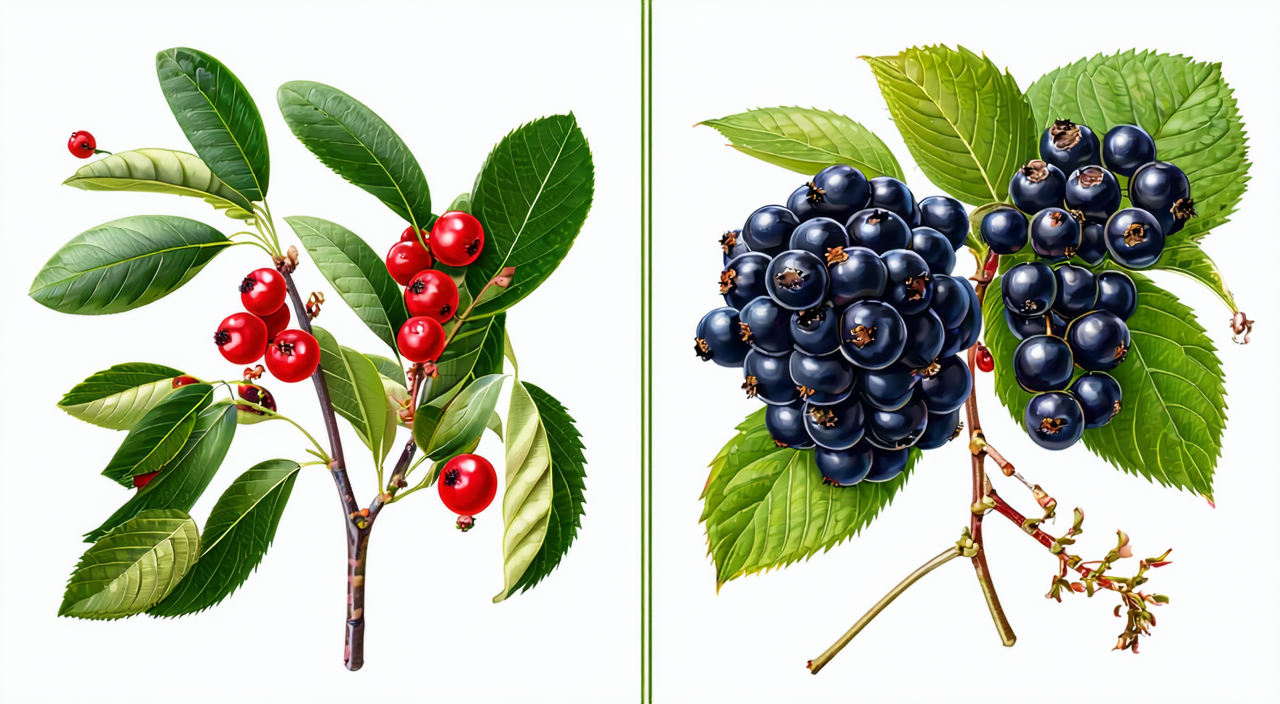
The relationship between Zhongjie Feng and Cao Shanhu is primarily a matter of naming. Cao Shanhu is the plant name and one of the common market names, while Zhongjie Feng is a commonly used name for the medicinal herb. When the words “Cao Shanhu” appear on a product, the specific object should still be confirmed by checking the product’s approved name, ingredient list, and instructions. A common name alone is not enough to identify the herb.
Elderberry refers to a different group of plants, usually species in the genus Sambucus of the family Adoxaceae, and is not the same plant as Sarcandra glabra in the family Chloranthaceae. The two differ in family and genus, as well as in overall form, leaf arrangement, inflorescences, and fruit characteristics. Elderberry commonly has pinnate or compound leaves, and its fruits usually grow in clusters. Cao Shanhu generally has opposite simple leaves, relatively swollen stem nodes, and different inflorescence and fruit characteristics. Because local names may overlap or be used inconsistently, medicinal herbs should not be selected solely based on names such as “a certain wood” or “a certain coral.”
When identifying a fresh plant, observe the leaf arrangement, leaf shape, stem nodes, inflorescences, and fruits together, and consult a reliable botanical guide or qualified professional. Materials that have already been chopped, dried, or made into powder are more difficult to identify visually, making source and quality information even more important.
What Are the Common Preparations of Zhongjie Feng?
Zhongjie Feng tablets are among the more common names of related Chinese patent medicines. They generally use Zhongjie Feng as the main medicinal ingredient, but the specific functions, indications, dosage, directions, and contraindications should be determined from the instructions for the actual product. Different manufacturers may use different specifications and excipients and may have different approval information. The method of use should not be inferred from the name alone.
Compound Cao Shanhu lozenges are lozenge preparations made with Cao Shanhu-related medicinal material together with other ingredients. They are commonly associated with traditional applications involving throat discomfort. As a compound preparation, they are not the same as single-herb Zhongjie Feng, and their use should not be broadly extended to all throat or oral conditions. Other legally approved related preparations may also include different dosage forms or compound combinations. When choosing a product, check its approved name, ingredients, functions and indications, directions and dosage, and contraindications.
For multiple formulas or Chinese patent medicines, decisions should take into account personal constitution, symptoms, medical history, current medications, and the product instructions. Lozenges also cannot replace proper examination and treatment for infections, structural lesions, or other conditions with a clearly defined cause.
What Precautions Are Needed When Using Zhongjie Feng?
People who are pregnant, trying to conceive, or breastfeeding should consult a doctor or pharmacist before using Zhongjie Feng or related preparations. Anyone with a history of allergy to botanical medicines or preparation ingredients should watch for unusual reactions such as rash, itching, swelling of the lips, or breathing difficulties. If a significant or progressively worsening allergic reaction occurs, seek medical attention promptly. Children, older adults, and people with abnormal liver or kidney function should not independently use these products long term based solely on information found online.
People with a tendency to bleed, abnormal platelet or coagulation results, or current use of anticoagulant or antiplatelet medicines should inform a healthcare professional in advance. Experimental research on Zhongjie Feng has involved blood and cellular responses, but experimental information cannot replace an assessment of an individual’s risks. If unusual bleeding, persistent abdominal discomfort, marked fatigue, or other abnormal symptoms occur after use, stop self-assessing the situation and seek professional advice.
Persistent or recurrent sore throat, difficulty swallowing, ongoing hoarseness, fever, chest tightness, abnormal breathing, significant pain, unexplained weight loss, or abnormal blood test results should be evaluated promptly. Lozenges and other preparations can only serve as supportive options in specific situations and must not mask problems that require a clear diagnosis. The use of any Chinese medicinal herb or Chinese patent medicine should be considered in light of the product instructions, individual circumstances, and professional advice.
Summary
Zhongjie Feng comes from the dried whole plant of Cao Shanhu, which is also its common plant name and market name. Its appearance may be assessed by looking at its opposite leaves, enlarged stem nodes, spike-like inflorescences, and red berries, but it remains a different plant from elderberry. Preparations such as Zhongjie Feng tablets and compound Cao Shanhu lozenges differ in their ingredients and directions for use. People who are pregnant, have a tendency to bleed, have allergies, or experience persistent or recurrent discomfort should consult a professional first. This article is for general educational reference only and cannot replace professional diagnosis or treatment advice.