
What Is Epimedium? Medicinal Parts, Identification, and Common Formulas
Many overseas readers interested in TCM wellness often come across the name “Yin Yang Huo” in herbal formulas. It is not an unfamiliar term, but what it specifically refers to, what it looks like, and how it is used remain unclear to many. This article provides an organized overview of Epimedium’s basic characteristics, medicinal parts, traditional understanding, and common formulas, helping you gain a more comprehensive understanding of this herb.
What Does Epimedium Look Like? How to Identify It?
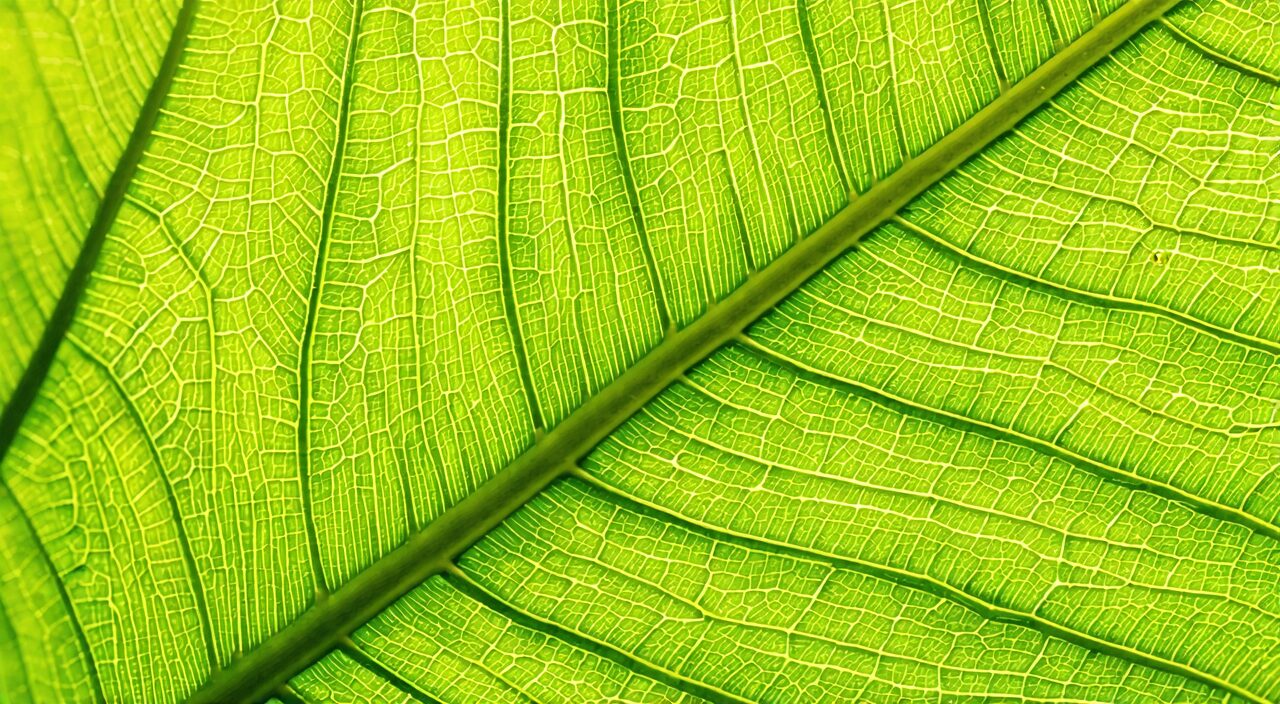
Epimedium is a perennial herbaceous plant, not tall, typically reaching only 10 to 40 centimeters. Its leaves are highly distinctive and are key to identification.
The leaves of Epimedium are ternately compound, meaning three leaflets grow from a single petiole. The leaflets are usually ovate or heart-shaped, with a deeply cordate base, and margins densely lined with spiny serrations. These serrations are small and stiff, giving a slightly prickly feel when touched, which is a reliable feature for distinguishing it from similar plants.
The underside of the leaf is paler than the upper surface, appearing grayish-green or powdery green, often with fine soft hairs, particularly noticeable along the veins. The veins are slightly raised on the underside and clearly visible. During the flowering period, the leaves are usually not yet fully expanded, and the plant produces yellowish-white or pale purple flowers with long spurs, distinctly different from ordinary wildflowers.
If you see a low-growing herb with leaves arranged in groups of three, each with spiny edges, pale undersides, and fine hairs along the veins, it is very likely Epimedium.
What Part of Epimedium Is Used Medicinally?
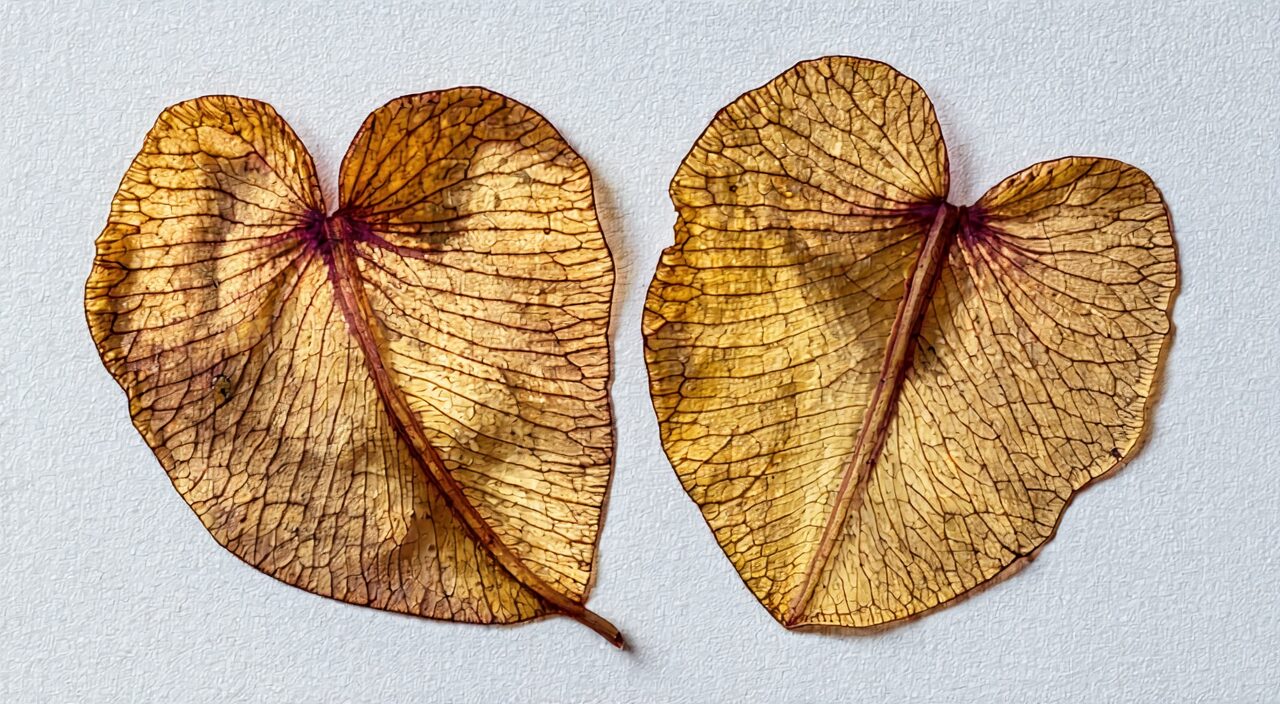
The medicinal part of Epimedium is primarily the aerial parts, with a traditional emphasis on the leaves. Harvesting is usually done when the above-ground parts are growing vigorously. After removing coarse stems and impurities, the material is sun-dried or shade-dried. This is the prototype of the Epimedium slices seen on the herbal market.
After drying, Epimedium leaves are often crinkled and fragmented. When flattened, the intact leaves still show a heart-shaped or ovate outline, and the spiny serrations on the margins remain. They have a faint smell and produce a slight numbing sensation when chewed. Commercial products may sometimes include leaf segments with a few thin stems; this is considered normal. However, the quality is generally judged by the wholeness of the leaves, green color, and absence of coarse stems.
In some regions, Epimedium is processed into “Zhi Yin Yang Huo” (fried Epimedium), which is stir-fried with suet. Traditionally, it is believed that frying with suet makes its yang-assisting action gentler and more suitable for managing conditions related to liver and kidney deficiency with soreness and weakness of the lower back and knees.
How Does Traditional Chinese Medicine View Epimedium?
In Traditional Chinese Medicine, Epimedium is primarily understood in terms of “warming and tonifying kidney yang, strengthening sinews and bones, and dispelling wind-dampness.”
In terms of its nature, taste, and meridian tropism, Epimedium is acrid and sweet, warm, and enters the liver and kidney meridians. Acridity can disperse and promote movement, sweetness can tonify, and warmth can assist yang. Therefore, it is particularly used for conditions related to kidney yang deficiency, such as soreness and weakness of the lower back and knees, cold limbs and aversion to cold, and low spirit.
Classical texts often record Epimedium for situations described as “a man’s yang being exhausted and failing to rise, and a woman’s yin being exhausted and childless.” This does not imply that it treats a specific disease; rather, in traditional theory, it adjusts bodily imbalances related to reproductive function by warming and tonifying kidney yang. Additionally, because it enters the liver meridian and excels at dispelling wind-dampness, it is often used in formula combinations for heavy, stiff, and difficult movement of the joints caused by wind, cold, and dampness.
Overall, TCM positions Epimedium as an herb that warms and tonifies yang qi and strengthens sinews and bones. However, it is not a drastic tonic; it is more suitable for constitutions tending toward yang deficiency with dampness.
What Components and Effects of Epimedium Are Studied in Modern Research?
Modern phytochemical research shows that Epimedium contains flavonoids, with icariin being one of the main characteristic components. It also contains polysaccharides, lignans, alkaloids, and other compounds.
In experimental studies, total flavonoids from Epimedium have demonstrated activities in regulating bone metabolism, influencing immune function, and antioxidation. Some cell and animal experiments suggest that icariin may promote bone formation and inhibit bone resorption, offering partial laboratory clues for the traditional claim that Epimedium “strengthens sinews and bones.”
It is important to note that these studies are mainly conducted at the laboratory and animal model level, and high-quality clinical evidence that can be directly extrapolated to humans remains limited. Therefore, experimental findings should not be equated with clinical application conclusions. Readers may regard these as directions for further understanding and should not self-administer large doses or prolonged use based solely on component research.
How Does Epimedium Differ from Similar Herbs?
Epimedium is often mentioned alongside Morinda officinalis (Ba Ji Tian) and Curculigo orchioides (Xian Mao), but these three herbs differ in source, appearance, and emphasis.
Ba Ji Tian is the dried root of Morinda officinalis, a plant in the Rubiaceae family. The medicinal part is the root, which is flattened-cylindrical, with a grayish-yellow or dark gray surface showing longitudinal wrinkles and transverse cracks. The fractured surface has a thick cortex that is purple or light purple, and a yellowish-brown xylem. This is entirely different from Epimedium, which uses leaves. In traditional application, Ba Ji Tian is sweet and acrid, slightly warm, and also enters the kidney and liver meridians. It excels at tonifying kidney yang while also strengthening sinews and bones, dispelling wind-dampness, but its nature is more warm-moistening than Epimedium’s – warm but not drying. It is commonly used for lower back and knee soreness, impotence, nocturnal emission, uterine cold infertility, and other conditions involving yang deficiency with wind and dampness.
Xian Mao is the dried rhizome of Curculigo orchioides, a plant in the Amaryllidaceae family. It is a slender, cylindrical shape with a brownish-black or black surface and a light brown, starchy fracture. Traditionally, Xian Mao is acrid, hot, and highly toxic, entering the kidney and liver meridians. Its ability to warm kidney yang is stronger but also more drying and drastic. It is often used for cases of kidney yang deficiency with severe cold-dampness, such as cold pain in the lower back and knees and sinew-bone weakness, but the dosage must be strictly controlled, and it is not suitable for long-term unsupervised use.
In simple terms, Epimedium warms yang and dispels wind-dampness, acting mainly on the sinews, bones, and reproductive function. Ba Ji Tian is sweet-warm and moist, tonifying yang without being drying or drastic. Xian Mao is extremely hot, with a stronger drying and drastic nature and higher risk. Distinguishing these differences helps avoid confusion when learning about them further.
Which Formulas Contain Epimedium?
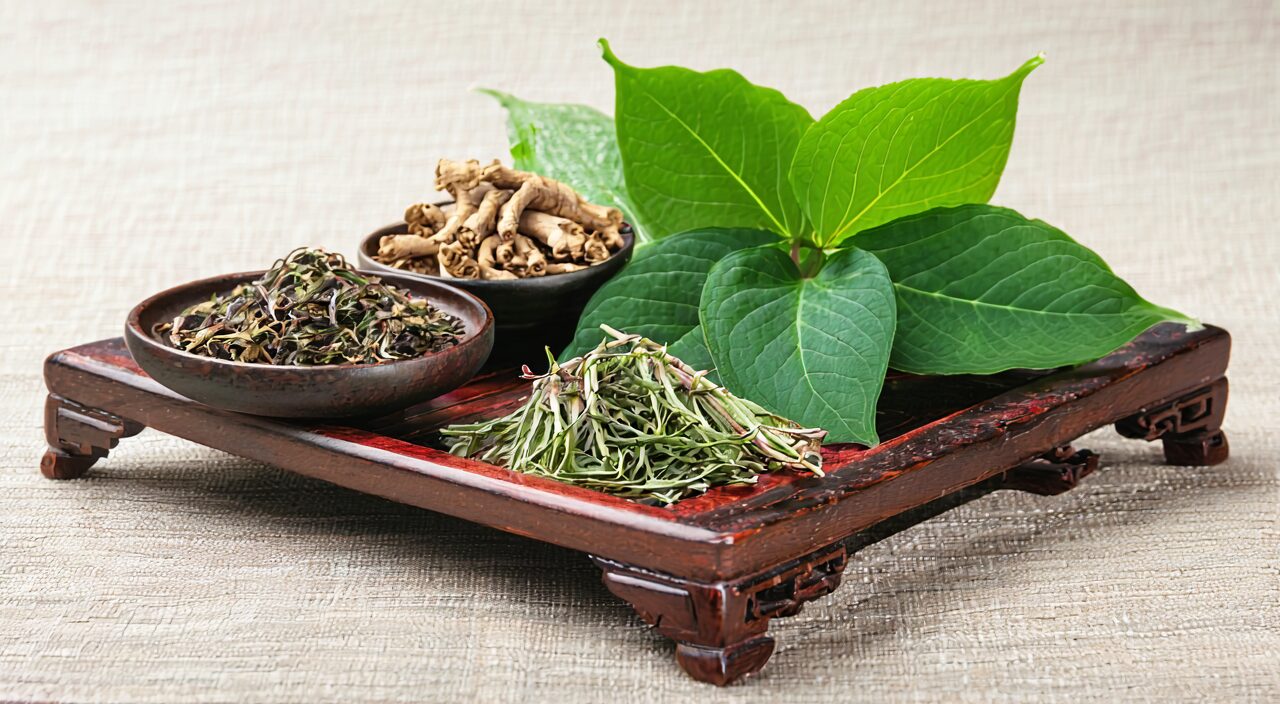
Epimedium plays a role in warming the kidney and aiding yang in some traditional formulas. Below are a few common examples, but specific application should be based on individual conditions and professional advice.
- Er Xian Tang (Two-Immortals Decoction): Composed of Xian Mao, Xian Ling Pi (i.e., Epimedium), Ba Ji Tian, Dang Gui, Zhi Mu, Huang Bo, and others. In this formula, Epimedium and Xian Mao both warm and tonify kidney yang; Ba Ji Tian assists in tonifying kidney yang; Dang Gui nourishes blood; Zhi Mu and Huang Bo clear heat and subdue fire. Together, they address menopausal-related discomforts involving dual deficiency of kidney yin and yang with upward-flaring deficiency fire. Here, Epimedium’s emphasis is on warming yang without causing dryness, balanced by the bitter-cold herbs that restrain its warmth.
- Yin Yang Huo Wan (Epimedium Pill): Different versions exist historically, but they often include Epimedium, Shu Di Huang (prepared Rehmannia), Rou Cong Rong, Gou Qi Zi, Du Zhong, and others, primarily targeting kidney yang deficiency with essence-blood depletion, leading to sore lower back and knees, mental fatigue, frequent urination, etc. Epimedium is used together with yin-nourishing and essence-replenishing herbs, aiming to seek yin within yang and achieve both warming and nourishing effects.
- Xian Ling Pi Jiu (Epimedium Wine): Made by soaking Epimedium alone or with a small amount of other warming tonics in white liquor. Traditionally used for kidney yang deficiency-induced aversion to cold and lower back and knee weakness, leveraging the dispersing property of alcohol to enhance the warming and promoting action. However, alcohol itself may be unsuitable for some individuals. Those with high blood pressure, abnormal heart rate, or alcohol intolerance must exercise extreme caution.
What Precautions Should Be Taken When Using Epimedium?
Although Epimedium is relatively common in traditional use, it is not suitable for everyone.
First, individuals with a constitution of yin deficiency with fire effulgence need to be especially cautious. Such persons often present with heat in the palms and soles, dry mouth and throat, night sweats, a red tongue with little coating, etc. Using purely yang-warming medicinals may aggravate internal heat.
Second, Epimedium traditionally has a warming and promoting action, which may have some effect on blood pressure and the cardiovascular system. If you have uncontrolled hypertension, tachycardia, or other cardiovascular risks, do not self-administer without a clear understanding of your condition.
Additionally, long-term unsupervised use of Epimedium or formulas containing it may disrupt the body’s yin-yang balance. If symptoms such as irritability, insomnia, palpitations, or pronounced dry mouth occur during use, you should stop and consult a professional. Pregnant or breastfeeding women and those undergoing other treatments should follow professional guidance and avoid self-combining herbs.
Summary
As a traditional yang-warming herb, Epimedium has specific plant characteristics and medicinal parts, from the ternately compound leaves with spiny margins to the dried leaves used in medicine, all of which can help us correctly identify it. TCM primarily uses it to warm kidney yang, strengthen sinews and bones, and dispel wind-dampness, distinguishing it from Ba Ji Tian, Xian Mao, and others. Research still at the experimental stage should not be exaggerated as evidence for human therapeutic use. During use, special attention should be paid to yin deficiency with fire, cardiovascular risks, and the potential problems of long-term high-dose unsupervised use. This article is for informational reference only and cannot replace professional diagnosis or individualized treatment advice.