
What Is Digupi? Medicinal Parts, Identification, and Common Formulas
Many friends interested in Chinese medicine may notice the name “Digupi” (Lycium Root Bark). It sounds related to Goji (Lycium), yet differs from the commonly known Goji berry (Gou Qi Zi). In fact, Digupi is the dried root bark of the Solanaceae plants Lycium barbarum or Lycium chinense. It is traditionally used to address conditions involving “deficiency heat” within the body. So, what does Digupi look like? Which part is used medicinally? How does it differ from Moutan Cortex (Mudanpi) and Goji berry? What are the common formulas that include it? This article provides a systematic popular science reference for overseas TCM enthusiasts.
What Does Digupi Look Like? How to Identify It?
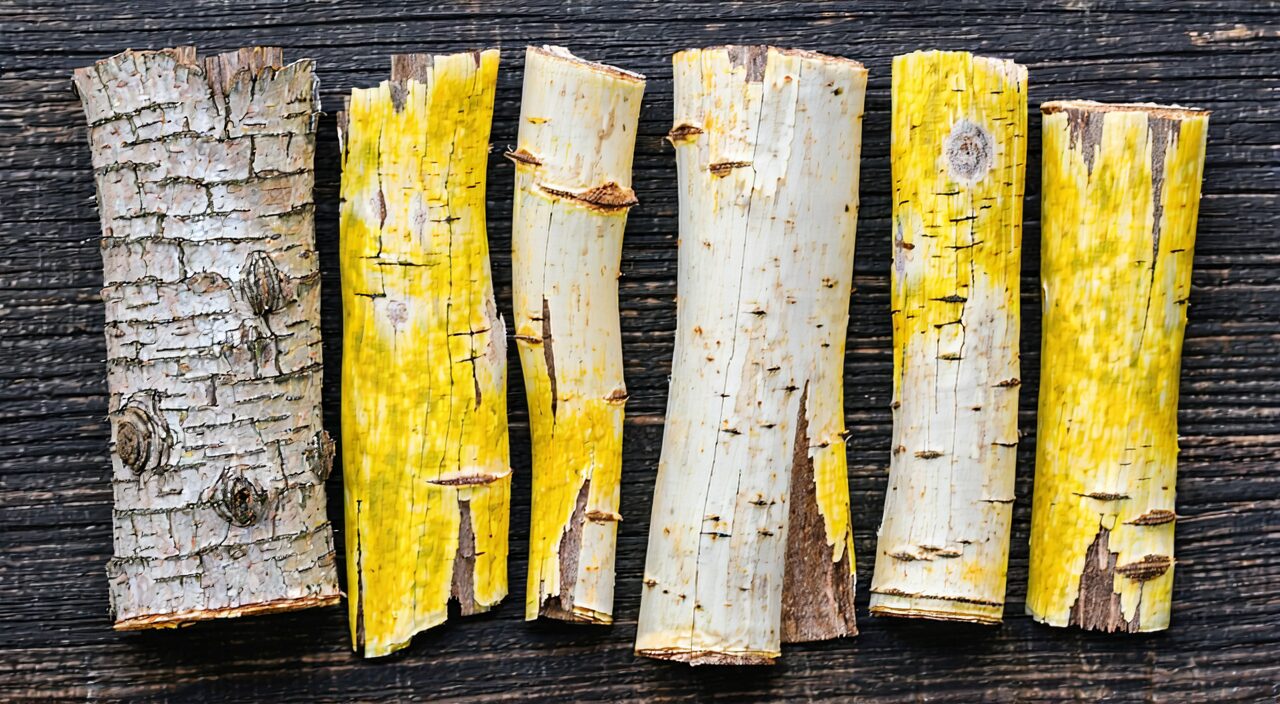
The typical appearance of Digupi is a curled tubular or trough-shaped root bark, varying in size and thickness. The outer surface is grayish-yellow to brownish-yellow, rather rough, often showing irregular longitudinal cracks and easily peeling scaly epidermis; where the scales fall off a yellowish-white inner layer is exposed. The inner surface is yellowish-white or grayish-yellow with fine longitudinal striations. The texture is light and brittle, easily broken, with an uneven fracture—outer layer yellowish-brown and inner layer grayish-white. It has a faint odor and a taste that is slightly sweet at first, then slightly bitter. For identification, focus on the key features of “tubular or trough-shaped root bark, grayish-yellow outer surface with easily peeling scales, and yellowish-white inner surface”—these usually make it easy to distinguish.
What Is the Medicinal Part of Digupi?
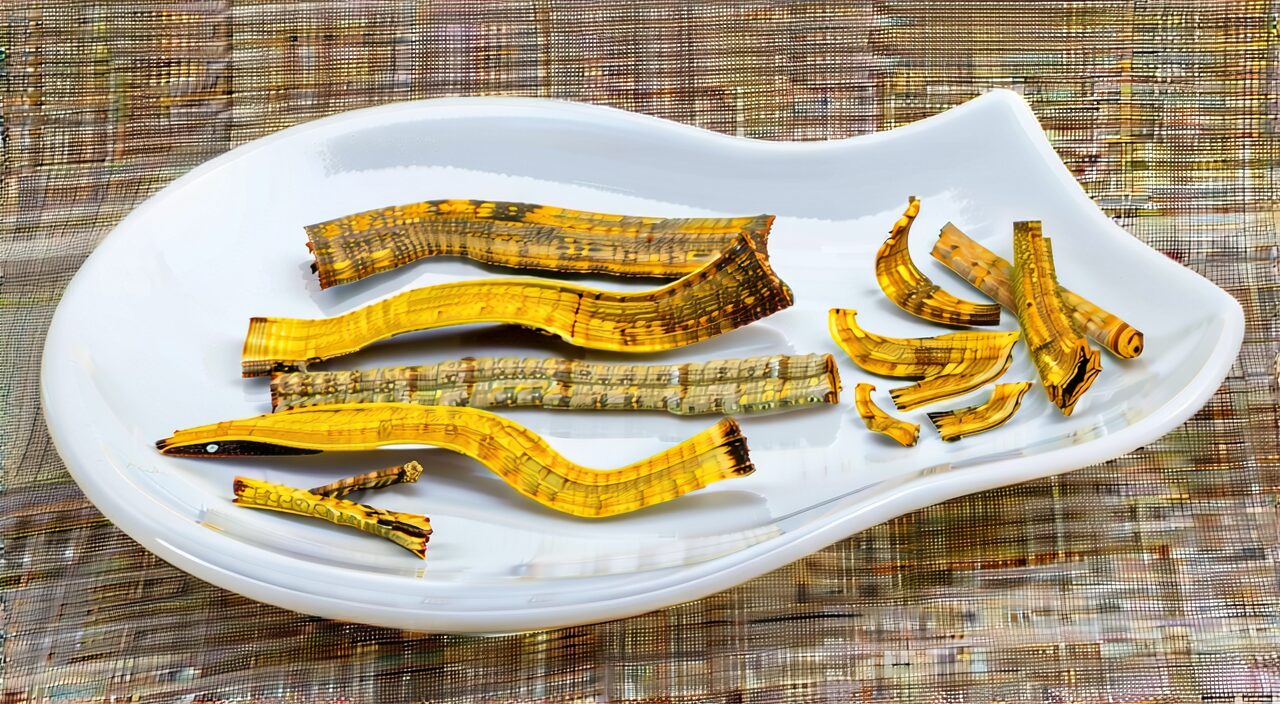
The medicinal part of Digupi is the root bark, not the fruit or leaves. Usually in early spring or after autumn, the roots of Lycium barbarum or Lycium chinense are dug up, cleaned of soil, and while fresh the roots are beaten with a wooden mallet to separate the root bark from the woody core. The bark is then peeled off, the wood core removed, and the bark is sun-dried for medicinal use. Thus, the final medicinal Digupi refers exclusively to the pure root bark, which after drying mostly appears in flakes, troughs, or tubes. This is completely different from the commonly consumed Goji berry (Gou Qi Zi), although they come from the same plant – the plant part and usage are entirely distinct.
How Does Traditional Chinese Medicine View Digupi?
In traditional Chinese medicine theory, Digupi is cold in nature and sweet in taste, entering the Lung, Liver, and Kidney meridians. Its core actions are cooling the blood, clearing deficiency steaming, and clearing the lung to descend fire. The term “clearing steaming” refers to addressing internal heat caused by yin deficiency, such as bone-steaming tidal fever, hot palms and soles, and night sweats—Digupi is frequently used as a common herb to abate deficiency heat and eliminate bone steaming. For manifestations like lung-heat cough or blood-streaked sputum, it can also serve as one option to clear the lung and descend fire, and is commonly seen in strategies for regulating lung-heat cough. Of course, suitability must be determined by a professional based on individual constitution and specific symptoms.
Perspectives from Modern Research
Modern research has isolated various components from Digupi such as betaine, Lycium barbarum polysaccharides, and kukoamine A. Some experiments suggest that it may possess antipyretic, anti-inflammatory, and immunomodulatory effects. These studies provide partial reference for understanding the characteristics of Digupi, but they are still primarily laboratory and animal studies and cannot be directly equated with specific therapeutic effects under TCM pattern differentiation. These findings can be taken as a direction for understanding; do not interpret them in isolation from the traditional usage context or use blindly on your own.
How Is Digupi Different from Moutan Cortex and Goji Berry?
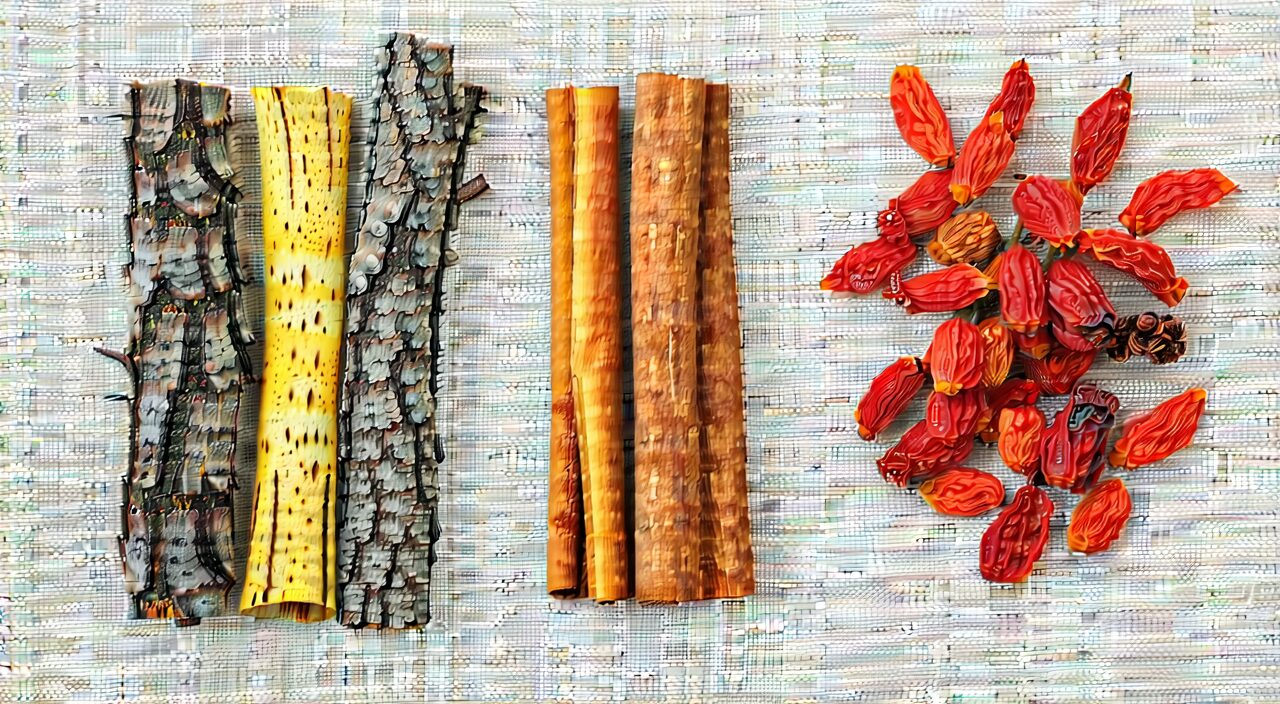
These three are easily confused because Digupi is the root bark of Lycium, Moutan Cortex is the root bark of Paeonia suffruticosa, and Goji berry is the fruit of Lycium. Digupi is cold in nature and tends to abate deficiency heat, clear the lung, and descend fire. Moutan Cortex is also cold, but excels at cooling the blood, invigorating blood, and clearing the liver; it is more commonly used for blood-heat with stagnation. Although both are root barks, their functional emphasis differs: Moutan Cortex mainly acts on the blood level to resolve stasis, while Digupi mainly abates deficiency heat and clears steaming. As for Goji berry, it is neutral in nature with the effects of nourishing the liver and kidney, benefiting essence, and brightening the eyes—completely opposite to Digupi’s heat-clearing and deficiency-heat-abating action. The physical appearance of the herbs is also entirely different: Digupi is flake-like or tubular root bark, while Goji berry is a red berry. As long as you pay attention to the plant part and shape, you will not confuse them.
Which Formulas Use Digupi?
Digupi appears in many traditional formulas. Below are several common examples. Xie Bai San (White-Draining Powder) consists of Digupi, Mori Cortex (Sangbaipi), and Glycyrrhizae Radix (Gancao), among others; it is traditionally used for clearing and draining lung heat, stopping cough, and calming panting. Qing Gu San (Bone-Clearing Powder) combines Digupi with Stellariae Radix (Yinchaihu), Picrorhizae Rhizoma (Huhuanglian), Anemarrhenae Rhizoma (Zhimu), etc., and is more oriented toward manifestations like bone-steaming tidal fever caused by deficiency heat. Digupi Decoction (Digupi Yin) is mostly used to nourish yin and clear heat, while Qinjiao Biejia San (Gentian and Turtle Shell Powder) is often used to nourish yin and vent heat, providing strategies for situations such as tidal fever, night sweats, and a thin physique. It must be emphasized that formula selection requires comprehensive evaluation based on individual constitution, symptom predominance, and stage of the condition. It is advisable to refer to these under the guidance of a professional and not to self-apply them indiscriminately.
What Precautions Should Be Taken When Using Digupi?
Digupi is cold in nature; people with a constitution of spleen-stomach deficiency cold, who tend toward diarrhea or loose stools, generally should not use it. When there is fever and chills, headache, and body aches caused by external wind-cold, Digupi is also unsuitable at that time, lest its coldness obstruct and block the exterior. Self-administration at high doses or over a long term requires even more caution, as it may affect spleen-stomach function. Special populations such as pregnant women, breastfeeding women, and children should consult a doctor or pharmacist before use. If symptoms like tidal fever, night sweats, or cough persist without relief, or if new issues such as chest oppression, palpitations, or emaciation appear, please promptly visit a formal medical institution; do not rely on a single herb on your own for an extended period.
Summary
As the root bark of Lycium, Digupi is an herb in traditional Chinese medicine characterized by its ability to abate deficiency heat, clear the lung, and descend fire. Correctly identifying its root bark features and distinguishing it from Moutan Cortex and Goji berry helps to grasp its medicinal direction more clearly. The formulas introduced in this article are for cultural understanding only; practical application requires integration of individual specifics and the comprehensive judgment of a professional. For symptoms that persist without resolution or are accompanied by marked discomfort, it is recommended to seek further professional medical advice.