
What Is Peking Spurge (Jing Da Ji)? Medicinal Parts, Identification Methods, and Common Formulas
Peking spurge (Jing Da Ji) is a traditional Chinese medicinal material derived from the dried root of Euphorbia pekinensis. In Chinese medicine, it is classified as a drastic purgative for expelling water and is often used for excess patterns involving retained fluids. However, it is highly toxic and classified as a specially regulated herb. If you encounter compound formulas containing it abroad or are studying Chinese herbal medicine, understanding its appearance, medicinal origin, formula applications, and safety precautions will help you better grasp the principles of TCM usage.
What does Peking spurge look like? How to identify it
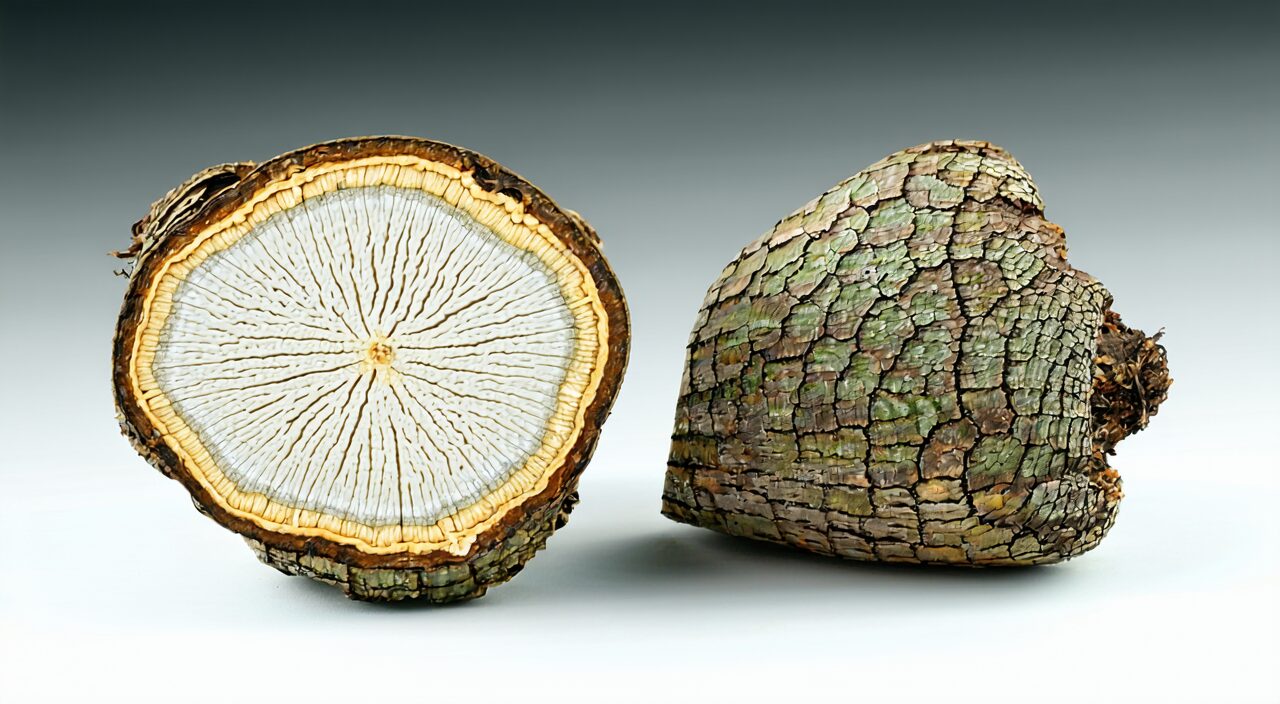
The root of Peking spurge has distinctive characteristics. It is commonly irregularly conical or spindle-shaped, sometimes branched, and generally measures 10–20 cm in length. The surface is mostly grayish-brown or brownish-brown, with rough longitudinal wrinkles, transverse lenticels, and rootlet scars. The top often retains a stem remnant. The texture is firm and hard to break. The fractured surface is off-white or pale yellowish-white, distinctly fibrous, and a yellowish-brown cambium ring can be seen between the bark and the wood. Compared with the commonly seen red knoxia (Hong Da Ji), the fractured surface of Peking spurge is more fibrous, while that of red knoxia is relatively smooth and more starchy. It has a slight odor and a slightly bitter, astringent taste. Chewing it produces noticeable irritation to the tongue and throat, which is also one of its toxic characteristics. In the marketplace, it is sometimes confused with other Euphorbia species. Observing the color shade and the fibrous structure of the fractured surface can serve as initial clues for differentiation.
What is the medicinal part of Peking spurge?
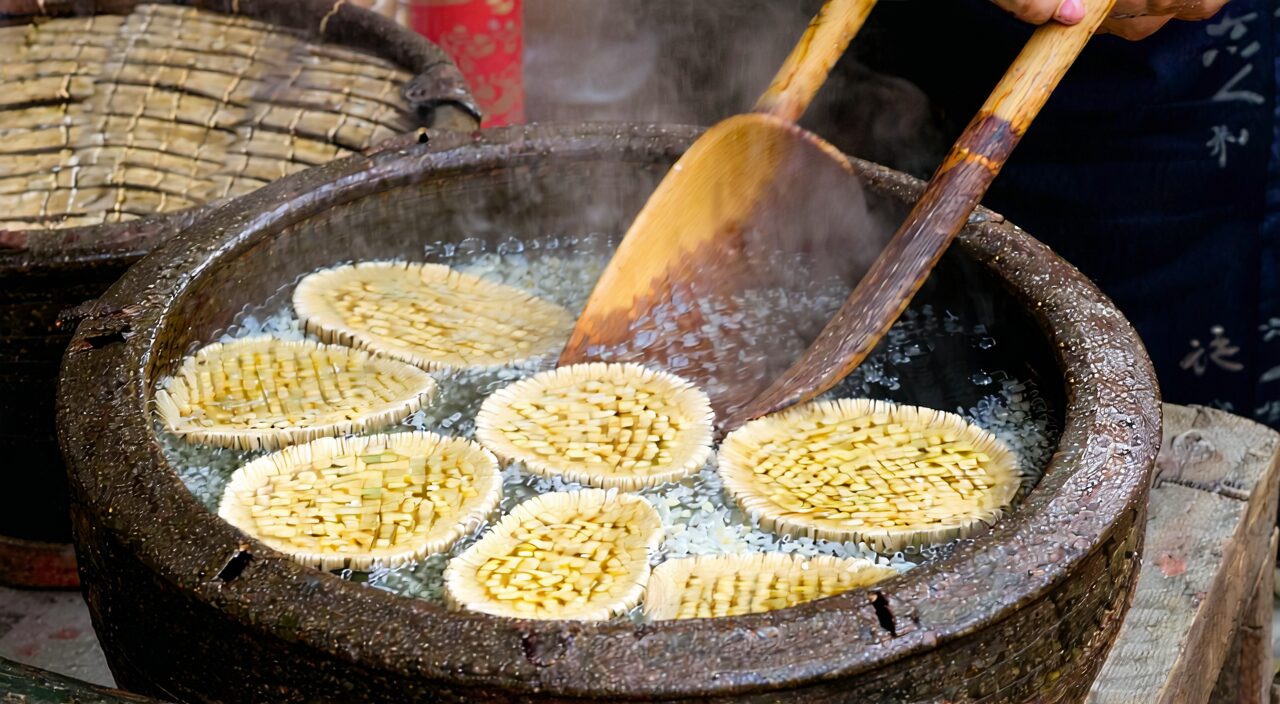
The medicinal part of Peking spurge is the dried root. It is usually harvested in late autumn after the stems and leaves have withered or in early spring before sprouting. After removing residual stems, rootlets, and soil, the roots are washed and dried directly in the sun or dried at low temperatures. Due to the high toxicity of the raw herb, clinical use typically requires vinegar processing. The common method is to boil or stir-fry the root with vinegar until slightly yellow to moderate its nature and reduce irritation. After vinegar processing, the color of the fractured surface darkens slightly, the surface may carry a faint vinegar aroma, and the acrid, tongue-numbing sensation when chewed is significantly reduced. Harvesting, processing, and whether standardized vinegar processing has been performed directly affect the safety of this medicinal material; therefore, one should never casually collect wild Euphorbia pekinensis roots for use.
How does TCM understand Peking spurge?
Traditional Chinese medicine considers Peking spurge bitter and acrid in flavor, cold in nature, and toxic. It enters the Lung, Spleen, and Kidney meridians. Its main functions focus on draining water to expel retained fluids and reducing swelling and dissipating masses. For expelling water, it is traditionally considered for excess patterns caused by fluid retention, such as pleural effusion, ascites, and severe edema, using its drastic force to expel excess water from the body through urination and defecation to relieve distension and fullness. However, this approach is only suitable for individuals with a robust constitution, severe fluid retention, and relatively strong vital qi. If a person feels weak, has poor appetite, or is prone to diarrhea, using it alone may harm the spleen and stomach and weaken vital qi. For reducing swelling and dissipating masses, ancient physicians also used Peking spurge externally or internally for scrofula, sores, and toxic swellings, though this is rarely seen today. It must be emphasized that these are merely summaries of traditional experiential directions. Whether it is suitable for an individual case must be professionally judged by a TCM practitioner based on tongue and pulse signs and overall presentation. It should never be adopted as a universal regimen for self-use.
What is the focus of modern research?
Modern pharmacological research mainly revolves around the toxic components of Peking spurge. It contains euphorbon, euphorbetin, triterpenoids, and other constituents that have strong irritant effects on the skin and mucous membranes. Internal use can easily cause a burning sensation in the mouth and throat, nausea, vomiting, abdominal pain, and even severe diarrhea. Animal experiments suggest that larger doses can significantly enhance intestinal motility, disrupt water-electrolyte balance, and even cause damage to the kidneys and circulatory system. These studies also indirectly explain the importance of processing: boiling or stir-frying with vinegar can partially destroy or transform the components that cause strong irritation, thereby reducing toxicity. Therefore, modern use of Peking spurge is strictly limited to very small doses, with the common decoction dosage controlled at 1.5–3 grams, and only vinegar-processed products must be used. These data further illustrate the extreme risks of self-experimentation; one should never try it recklessly just because of its potent water-expelling effect.
What are the differences among Peking spurge, red knoxia, and kansui root?
Peking spurge is often mentioned together with red knoxia (Hong Da Ji) and kansui root (Gan Sui), but they come from different plants and have different properties and traditional applications. Peking spurge is derived from the root of Euphorbia pekinensis; its surface is grayish-brown, the fractured surface is off-white, and it is strongly fibrous. Red knoxia is the dried root tuber of Knoxia valerianoides, a plant of the Rubiaceae family; its surface is reddish-brown or brownish-red, the fractured surface has a reddish-brown bark and brownish-yellow wood, and it is relatively starchy. Kansui root is the dried root tuber of Euphorbia kansui; it is often moniliform or spindle-shaped, the surface is whitish or yellowish-white, the fractured surface is pure white, and it is notably starchy. Although all three herbs tend to act as drastic purgatives for expelling water, traditionally kansui root is mainly used to attack thoracic and abdominal fluid accumulation, red knoxia has a relatively milder water-expelling action and leans more toward reducing swelling and dissipating masses, while Peking spurge places more emphasis on draining water and has more pronounced irritant effects. When composing formulas, TCM practitioners select and differentiate these herbs according to the location of the fluid retention and the patient’s constitution. Ordinary users should not substitute one for another or mix them casually.
Which formulas contain Peking spurge?
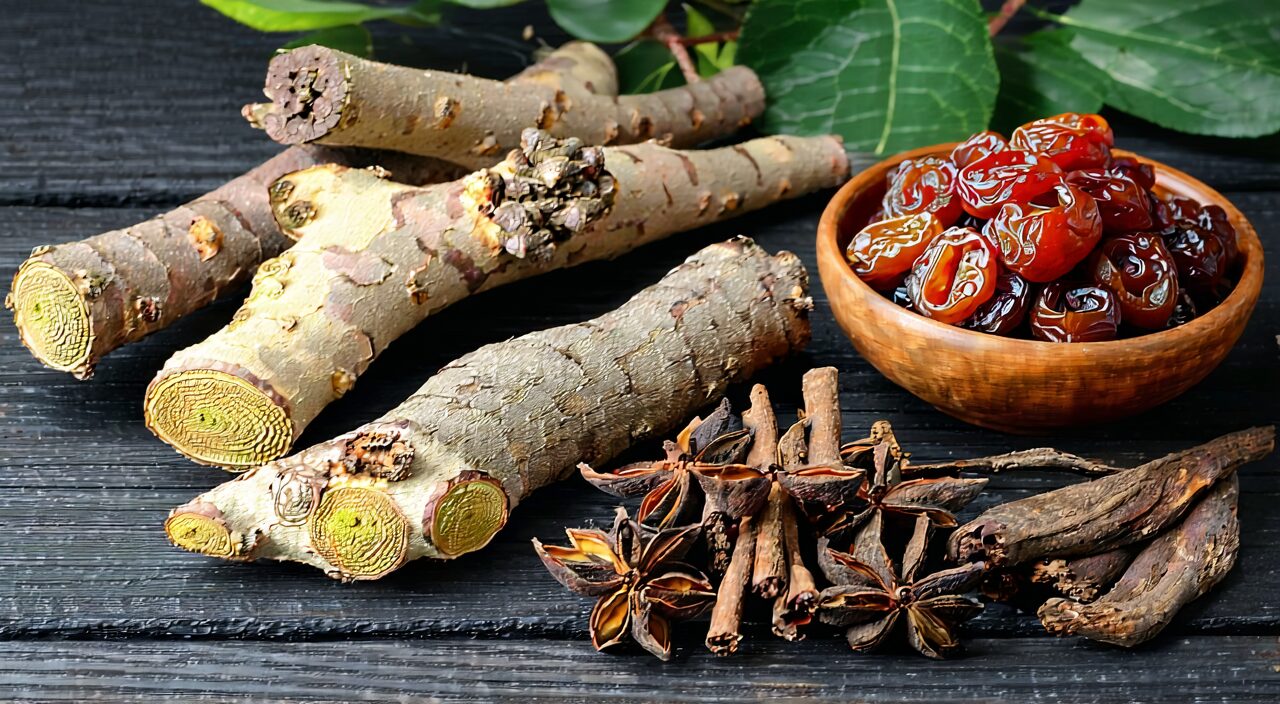
Peking spurge is a component in a few drastic water-expelling formulas, the most representative being Shi Zao Tang (Ten Jujubes Decoction), Zhou Che Wan (Boat and Cart Pill), and Kong Xian Dan (Control Mucus Special Pill). Shi Zao Tang is composed of genkwa flower, kansui root, and Peking spurge, taken with a decoction of ten jujubes. It is traditionally used for pleural effusion or edema belonging to excess patterns, with the jujubes serving to protect stomach qi and moderate the harsh nature of the formula. Zhou Che Wan adds morning glory seed, rhubarb, green tangerine peel, and aged tangerine peel to the base of Shi Zao Tang, strengthening the qi-moving and water-expelling actions. It is often used for abdominal distension, edema, and dyspnea due to accumulation of water-heat. Kong Xian Dan is composed of kansui root, Peking spurge, and white mustard seed, and leans more toward expelling phlegm and retained fluids. It is traditionally used for cough and hypochondriac pain caused by phlegm-fluid retention in the chest and diaphragm. It must be warned that these formulas are extremely drastic, and in modern clinical practice they are usually only used short-term under strict pattern differentiation and close monitoring. This is an introduction based on traditional knowledge and should not be regarded as a regimen one can choose on one’s own.
What precautions should be taken when using Peking spurge?
Peking spurge is a toxic medicinal substance and must never be purchased or taken without authorization. Under all circumstances, it must be evaluated by an experienced TCM practitioner before use. It is contraindicated during pregnancy because its drastic nature may trigger uterine contractions and increase risks. Individuals with a cold-deficient constitution, spleen-stomach weakness, frequent diarrhea, or impaired liver or kidney function are also not suitable for its use. According to the “Eighteen Incompatibilities” in TCM herb combining prohibitions, Peking spurge should not be used together with licorice root; traditionally, it is believed that their mutual antagonism may intensify toxic side effects. In case of accidental ingestion or overdose, severe vomiting, diarrhea, dehydration, and even circulatory collapse may occur. Seek medical attention immediately and inform the physician of the substance and dosage taken. When encountering formulas containing Peking spurge components abroad, one should also verify whether it is a processed product, whether the source is standardized, and decide whether to use it under the guidance of a professional. Safety is always the top priority; any curious experimentation may lead to serious consequences.
Summary
Peking spurge is a potent and highly toxic water-expelling herb. Its grayish-brown conical root and white fibrous fractured surface are important identification features. Although vinegar processing can reduce toxicity, it does not eliminate the risks, so it must never be used without supervision. In classic formulas such as Shi Zao Tang, it serves as one of the ingredients for attacking retained water, but it should only be considered under strict pattern differentiation and monitoring by a TCM practitioner. Understanding its contraindications and potential toxicity is far more critical than memorizing its traditional functions. If related discomfort occurs, seek local medical help promptly rather than attempting to manage it with drastic herbs on your own.