
What Is Platycodon Grandiflorus? Medicinal Parts, Identification, and Common Formulas
For many who pay attention to Chinese medicinal herbs, “Jie Geng” (Platycodon grandiflorus) is not an unfamiliar name, but what does it actually look like? Which part is used medicinally? How can it be distinguished from easily confused herbs like Codonopsis? And what classic formulas use it as a core ingredient? This article will address these aspects and try to present this traditional herb in clear language, providing a reference for overseas readers interested in learning about Platycodon grandiflorus.
What Does Platycodon Grandiflorus Look Like? How to Identify It?
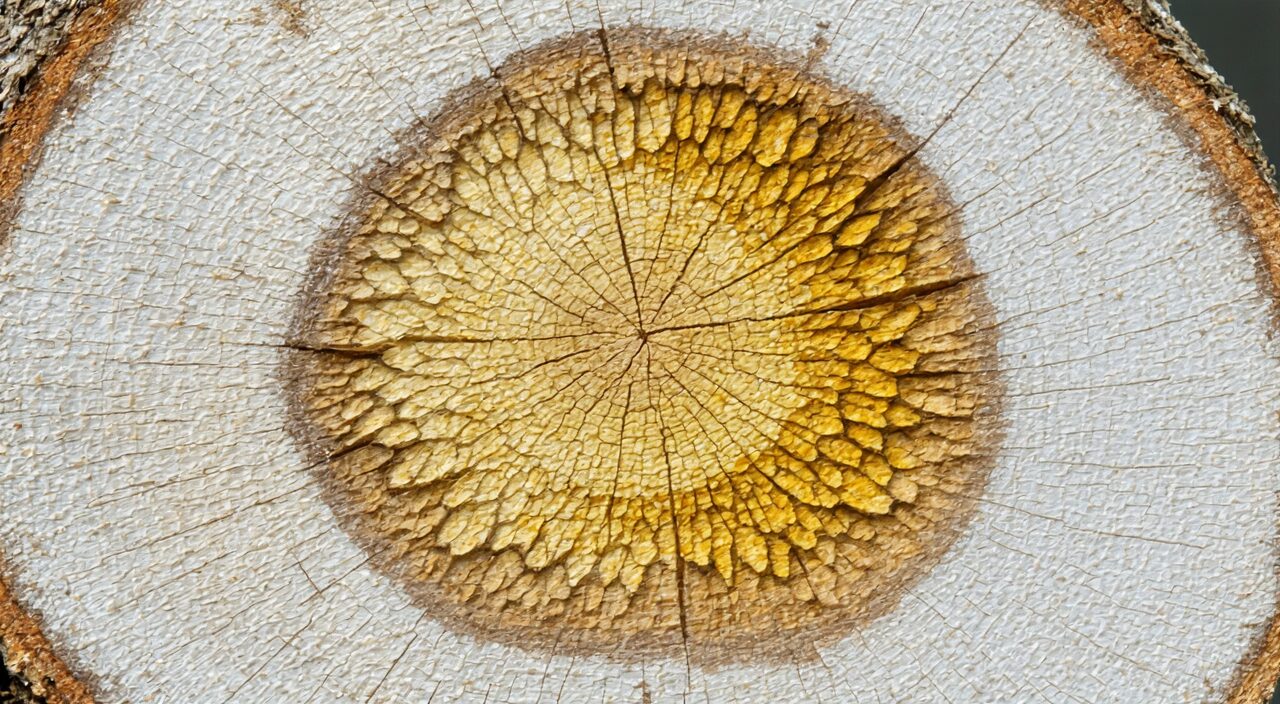
In a typical Chinese pharmacy, Platycodon root is often seen in processed slices, but knowing the overall morphology of the dried root is still very helpful. The medicinal part is the root. After drying, it usually appears long-cylindrical or slightly spindle-shaped, sometimes with a few branches at the lower end. The length is generally 7 to 15 cm, and the diameter about 0.8 to 1.5 cm. The surface is yellowish-white or pale yellowish-brown; when the outer bark is not removed, it tends to be yellowish-brown or grayish-brown, with irregular twisted longitudinal grooves and transverse lenticel-like scars. The root crown often retains a short rhizome, traditionally called the “reed head.”
The texture is hard and brittle, breaking easily, with an uneven fracture surface. The cortex is off-white, the xylem pale yellowish-white, and between them is a distinct brownish-yellow cambium ring, a feature often referred to as the “chrysanthemum heart.” The odor is slight; the initial taste is slightly sweet, followed by a pronounced bitterness that develops afterward. By noting these characteristics, one has a practical foundation for identifying dried Platycodon root.
What Is the Medicinal Part of Platycodon Grandiflorus?
The part used in medicine is unequivocally its dried root. Harvesting usually takes place in spring and autumn. After digging, the roots are washed clean, fibrous roots removed, and the outer bark scraped off while fresh, then sun-dried. Therefore, the Platycodon available on the market is mostly “peeled” root. Traditional experience values “white color as superior,” considering this processing method more conducive to maintaining herb quality. In TCM classification, it is categorized as an herb for resolving phlegm, stopping cough, and calming panting, but that does not mean it directly addresses all types of cough; it must be understood within the overall treatment strategy.
How Does Traditional Chinese Medicine Understand Platycodon Grandiflorus?
Traditional Chinese medicine has a very clear description of Platycodon’s nature, taste, and channel tropism: it is neutral in nature, bitter and acrid in taste, and enters the Lung channel. In herbal classics throughout history, its actions mainly focus on diffusing the lungs, benefiting the throat, expelling phlegm, and draining pus. Because it is acrid for dispersion and bitter for drainage, it excels at opening and diffusing lung qi. Therefore, when lung qi fails to diffuse leading to cough with profuse phlegm, chest tightness, and oppression, appropriate combinations can provide auxiliary regulation, whether the pattern tends to cold or heat.
Platycodon also has a unique attribute: it is traditionally called the “boat and oar agent” or “carries medicines upward.” This means that in many formulas, it can guide the actions of other herbs upward, concentrating their effects on the chest, lungs, and throat area. This concept is frequently employed when addressing disorders of the upper energizer. Additionally, for coughing up purulent phlegm due to lung abscess, Platycodon is traditionally combined with herbs like Houttuynia and Coix seed. These are experiential understandings and do not mean that everyone with similar presentations is suitable; individual assessment is needed.
Insights from Modern Research
Modern research on Platycodon focuses mainly on its saponin components, such as platycodin D. Some laboratory studies and animal experiments suggest that platycodin may promote respiratory secretion and aid expectoration, as well as exhibit certain anti-inflammatory and immunomodulatory activities. These findings primarily provide material for basic research; there is a long way to go before reaching universally applicable conclusions for humans. They serve only as directions for further understanding and cannot be equated with actual therapeutic effects.
How to Distinguish Platycodon from Codonopsis and Adenophora?
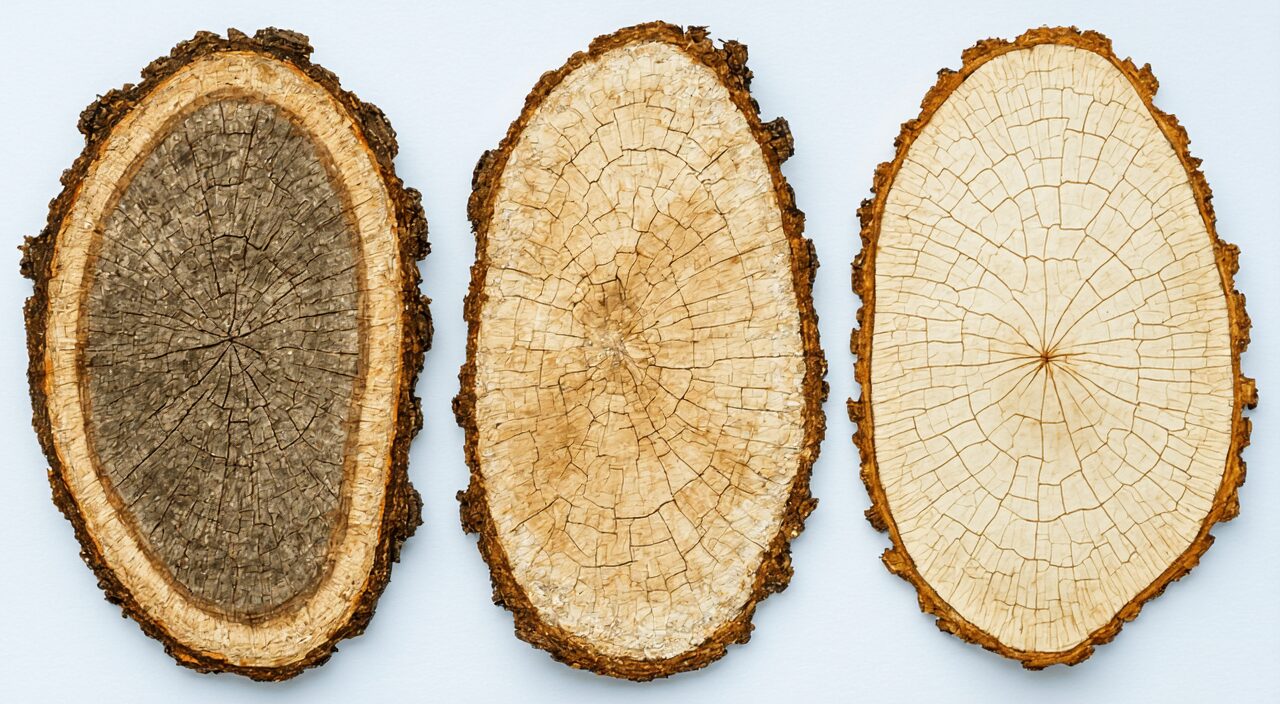
All three herbs come from plant roots and are sometimes compared, but the differences in botanical family, characteristics, and taste are actually quite significant. Platycodon belongs to the Campanulaceae family; Codonopsis also comes from Campanulaceae, but they belong to different genera, with distinct differences in appearance and flavor.
In terms of root morphology, Platycodon is mostly long-cylindrical or spindle-shaped, with a yellowish-white surface, a reed head at the crown, and a cross-section showing a brownish-yellow cambium ring and off-white cortex; its taste is slightly sweet then bitter. Codonopsis roots are often long-cylindrical, slightly curved, with a yellowish-brown to grayish-brown surface; the root head features a distinctive “lion’s head” pattern, i.e., dense warty protrusions. The cortex is yellowish-white with frequent fissures, the xylem pale yellow; it has a special aroma, tastes sweet, and has virtually no bitterness. Adenophora (using common Nan Sha Shen as example) is light and loose in texture, usually long-cylindrical, with a yellowish-white or pale brownish-yellow surface; the cross-section is loose and fissured, and the taste is bland and sweet, entirely different from the slight bitterness of Platycodon.
In practice, observing the fracture texture and carefully tasting can reliably distinguish them, preventing misidentification.
Which Formulas Contain Platycodon Grandiflorus?
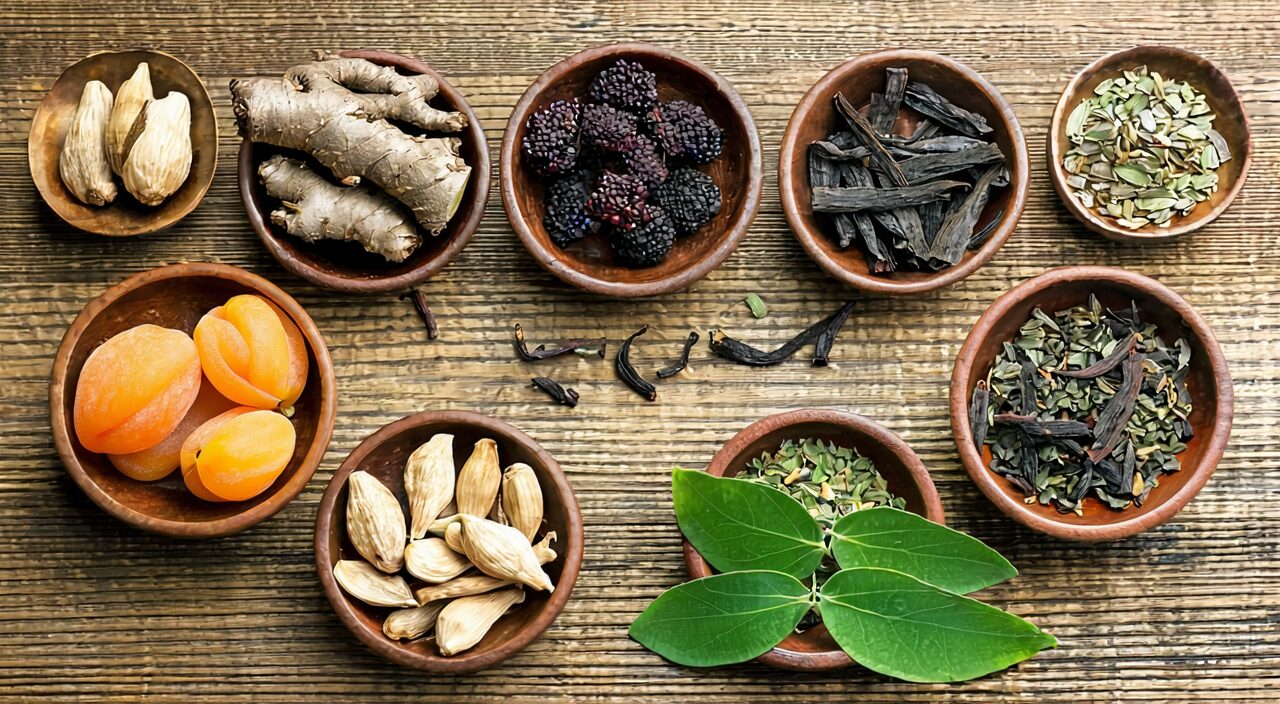
Platycodon appears frequently in classic formulas. Here are a few well-known examples to help readers understand its traditional role in combinations, but they should not be regarded as ready-made treatment plans.
Jie Geng Tang (Platycodon Decoction): Originating from Zhang Zhongjing’s Treatise on Cold Damage, this formula consists of only two herbs: Platycodon and Licorice, making it very concise in structure. It is traditionally used for sore throat and early-stage lung abscess, aiming to diffuse the lungs, drain pus, and relieve throat discomfort. Platycodon opens and raises lung qi, while Licorice clears heat, resolves toxins, and harmonizes the medicinals; together they synergistically act on the throat and upper energizer.
Xing Su San (Apricot Kernel & Perilla Leaf Powder): From Systematic Differentiation of Warm Diseases, this is a representative formula for treating dry-cold cough. Platycodon is combined with apricot kernel, perilla leaf, peucedanum, etc., to gently dispel cool dryness and diffuse the lungs to transform phlegm. Platycodon helps open lung qi so that phlegm does not stagnate.
Sang Ju Yin (Mulberry Leaf & Chrysanthemum Decoction): Also from Systematic Differentiation of Warm Diseases, it mainly addresses wind-heat cough or early-stage wind-warmth with relatively mild heat signs. Platycodon is used together with mulberry leaf, chrysanthemum, forsythia, and apricot kernel to dispel wind, clear heat, diffuse the lungs, and stop cough. Here Platycodon still plays its role of carrying medicines upward and opening lung qi.
Shen Ling Bai Zhu San (Ginseng, Poria & Atractylodes Macrocephala Powder): From Imperial Grace Formulary of the Tai Ping Era, this formula has a slightly different focus—strengthening the spleen, tonifying the lungs, boosting qi, and leaching dampness. Platycodon here is not primarily targeting cough but serves as the “boat” to lift the supplementing qi upward, working with ginseng, poria, and atractylodes, demonstrating Platycodon’s flexibility in different formula constructs.
It must be emphasized again that formula selection requires thorough differentiation of constitution and symptom presentation, along with professional guidance. Do not attempt self-medication based on names alone.
What Precautions Should Be Taken When Using Platycodon Grandiflorus?
In daily life, Platycodon is used not only as medicine but also as food, such as in pickled dishes, but medicinal and dietary use should not be conflated. Medicinal Platycodon can be somewhat irritating to the gastric mucosa; excessive dosage may cause nausea, vomiting, and other discomfort. The usual internal dosage is controlled at 3–9 grams, and it should be used in proper combinations rather than taken alone at high doses over a long period.
In conditions such as qi deficiency with sinking, yin deficiency with chronic cough, or tendencies toward hemoptysis and hematemesis, traditional understanding advises cautious use of Platycodon, as its dispersing and diffusing nature may not be beneficial. Moreover, Platycodon used as food (e.g., in kimchi) undergoes pickling, soaking, and other processing, so the concentration of active constituents is on a completely different scale from the medicinal herb; the culinary experience cannot be used to judge medicinal effects. Pregnant or breastfeeding women, or individuals with special constitutional conditions, should consult a professional before using medicinal Platycodon. If cough persists without improvement, purulent sputum is blood-streaked, or symptoms such as chest tightness, fever, and general debility appear, one should promptly visit a medical facility rather than relying on any single herb.
Summary
Platycodon grandiflorus is a distinctive herb in traditional Chinese medicine. Its functions of diffusing the lungs, benefiting the throat, and “carrying medicines upward” give it a special role in a series of classic formulas. The morphological characteristics of its dried root and its slightly sweet then bitter taste also offer practical criteria for distinguishing it from similar herbs like Codonopsis and Adenophora. Because of its strong dispersing and diffusing nature, extra attention must be paid to gastric reactions and any bleeding tendency during use; blindly following formulas without professional guidance is strongly discouraged. This article is merely a compilation of foundational knowledge; specific applications should be based on individual conditions and professional advice.