
What Is Pearl? Medicinal Part, Identification Methods, and Common Formulas
Many people think of pearls only as ornaments, but in traditional Chinese medicine (TCM), pearl is a medicinal substance with a long history of use. Medicinal pearls differ significantly from jewelry-grade pearls in terms of source, processing standards, and safety requirements. When encountering Chinese patent medicines containing pearl or pearl powder, overseas users often have a series of questions: What does a qualified medicinal pearl look like? Which part of the pearl is actually used? How does it differ from mother-of-pearl? This article addresses these core questions by summarizing the identifying features, medicinal part, traditional understanding, and common applications of medicinal pearl, while also highlighting important precautions.
What Does a Pearl Look Like? How to Identify It?
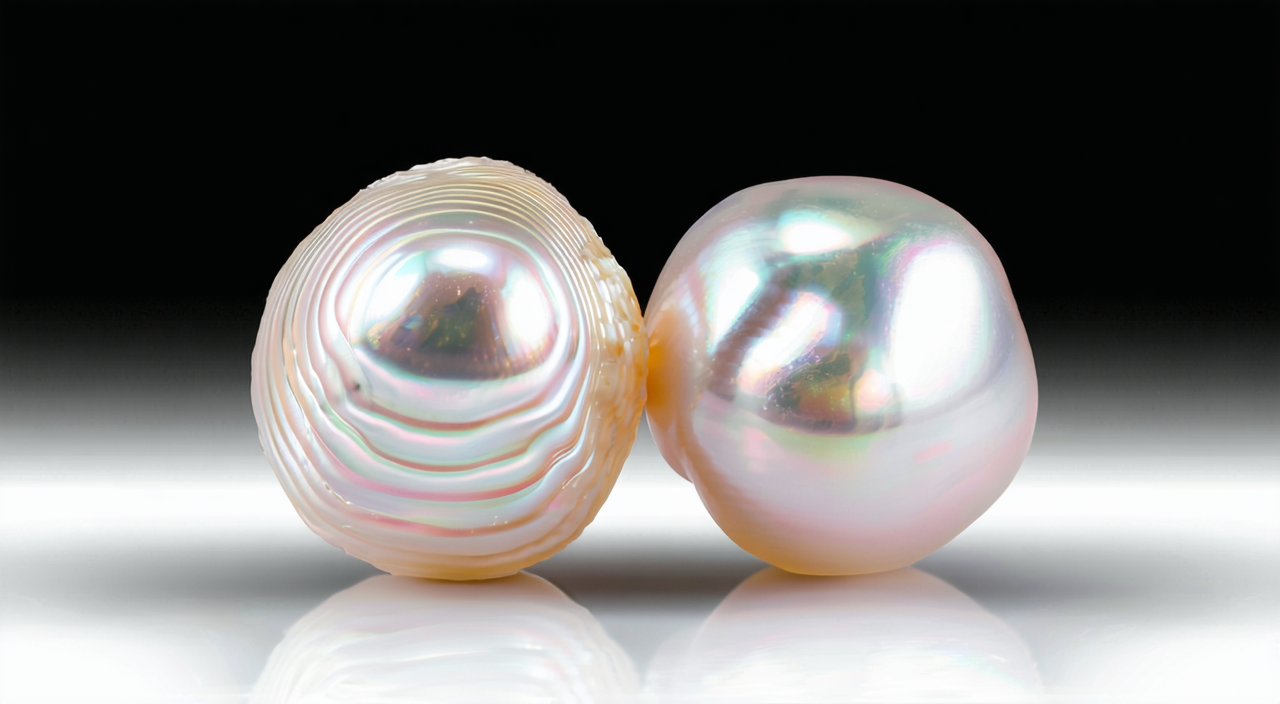
The most common shapes of medicinal pearls are subspherical, oval, or irregularly spherical, with diameters typically ranging from 1.5 mm to 8 mm, occasionally slightly larger. Their surface color is mainly white, off-white, light yellow, or light pink, exhibiting a distinct pearly luster. This luster results from interference and diffraction of light by the nacreous layers, appearing soft and layered rather than the harsh reflection of a chemical coating. Pearls are semitranslucent to opaque, hard and dense, and not easily scratched by a fingernail.
A reliable identifying feature is the cross-section. When a pearl is broken, the interior reveals a typical layered structure, resembling concentric circles or curved stripes, formed by the gradual deposition of secretions from mantle epithelial cells. When lightly scraped with a blade, a genuine pearl yields a fine white powder, and the scraped surface still retains some luster. In contrast, imitation pearls made of plastic or glass lack such layered cross-sections; scraping them may expose a rough base material or coating, and the luster is obviously damaged. Although the burn test is often mentioned, it is best performed under professional conditions. Ordinary users should obtain pearls through legitimate channels rather than trying to judge beads of unknown origin on their own.
What Is the Medicinal Part of a Pearl?
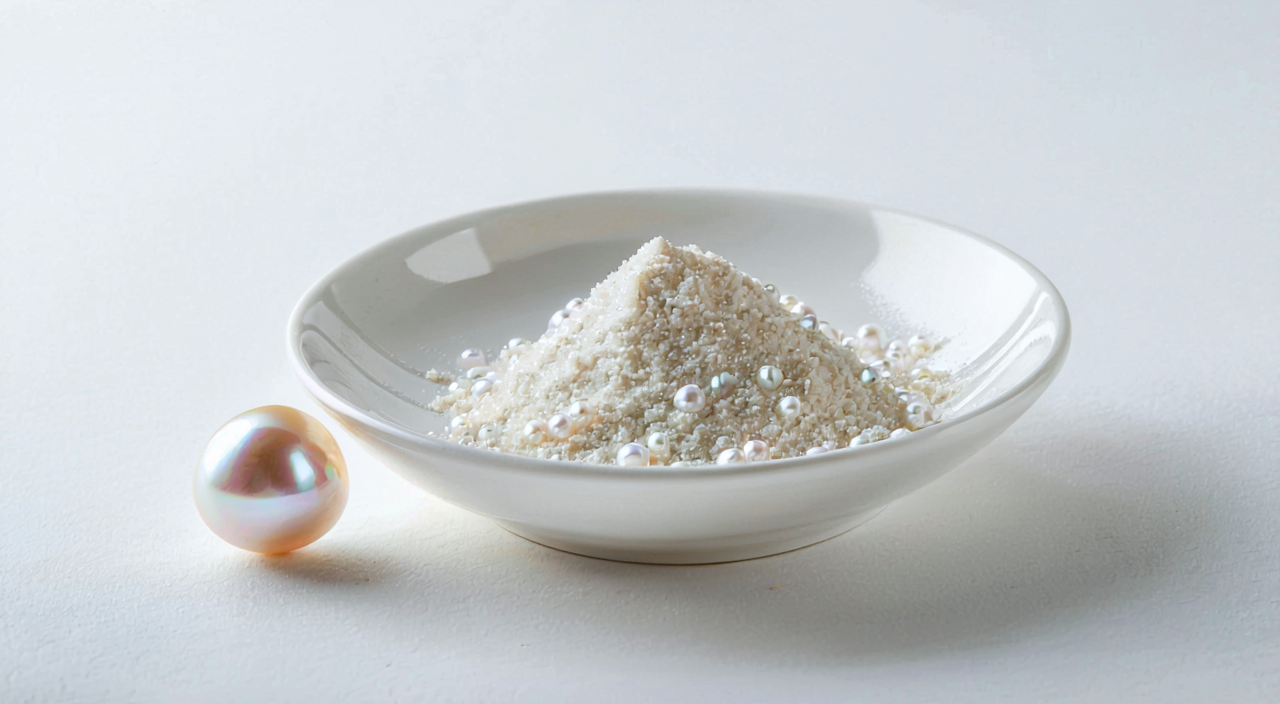
The medicinal part of a pearl is the pearl body itself—the concretion formed when the mantle of a pearl oyster or mussel is stimulated and secretes nacre. Medicinal processing does not involve boiling or swallowing whole pearls directly. Instead, after cleaning and drying, pearls are ground into extremely fine powder. The traditional method known as “water-grinding pearl powder” aims to make the particles delicate enough for absorption while removing certain impurities. Modern techniques use ultrafine grinding under sealed conditions to produce micron-sized pearl powder.
It is important to clarify that the raw material for medicinal pearl powder must meet corresponding quality requirements, including standards for calcium carbonate content, amino acid profile, and limits on heavy metals and microorganisms. One cannot simply break apart a pearl necklace and grind it into powder. Jewelry pearls may have undergone bleaching, dyeing, coating, or drilling during processing—all of which are unsuitable for human consumption and therefore not equivalent to medicinal pearls.
How Does TCM Understand Pearl?
Traditional Chinese medicine primarily views pearl’s actions as calming the spirit (settling fright), improving vision and removing corneal opacity, and detoxifying and promoting tissue regeneration. For conditions such as restlessness, susceptibility to fright, or shallow sleep due to excessive thinking, some nurturing approaches consider using pearl to stabilize the mind, often alongside mineral medicinals like amber and cinnabar. For chronic eye problems such as redness and nebula, pearl powder is applied in relevant treatments either by eye application or oral administration. For skin sores that do not heal or oral ulcers, external preparations like Pearl Powder (Zhen Zhu San) are also common traditional uses.
The core of these ideas lies in “heavy sedation” and “astringency.” Pearl is considered cold and sinking, able to anchor floating spirit and clear liver heat. It must be emphasized, however, that TCM use of pearl is always based on pattern differentiation. Individual constitutional responses vary greatly, and one should never self-administer pearl simply because of insomnia or red eyes without proper assessment.
What Does Modern Research Say About Pearl?
Modern research on pearl composition shows it mainly consists of calcium carbonate, along with small amounts of various amino acids and trace elements such as strontium, zinc, and selenium. Some experiments have observed that pearl extract has certain sedative, anti-inflammatory, fibroblast-promoting, and wound-healing activities. However, most of these studies remain at the experimental stage or serve as supplementary observations and cannot be directly equated to definitive therapeutic effects.
Pearl powder is also used in skincare products, primarily as a powdery base or to supply trace elements. Its external safety relies on strict purity and microbial control. This background helps readers understand why more products include pearl ingredients, but it does not imply that pearl can replace conventional medical treatments.
How Do Pearl, Mother-of-Pearl, and Imitation Pearls Differ?
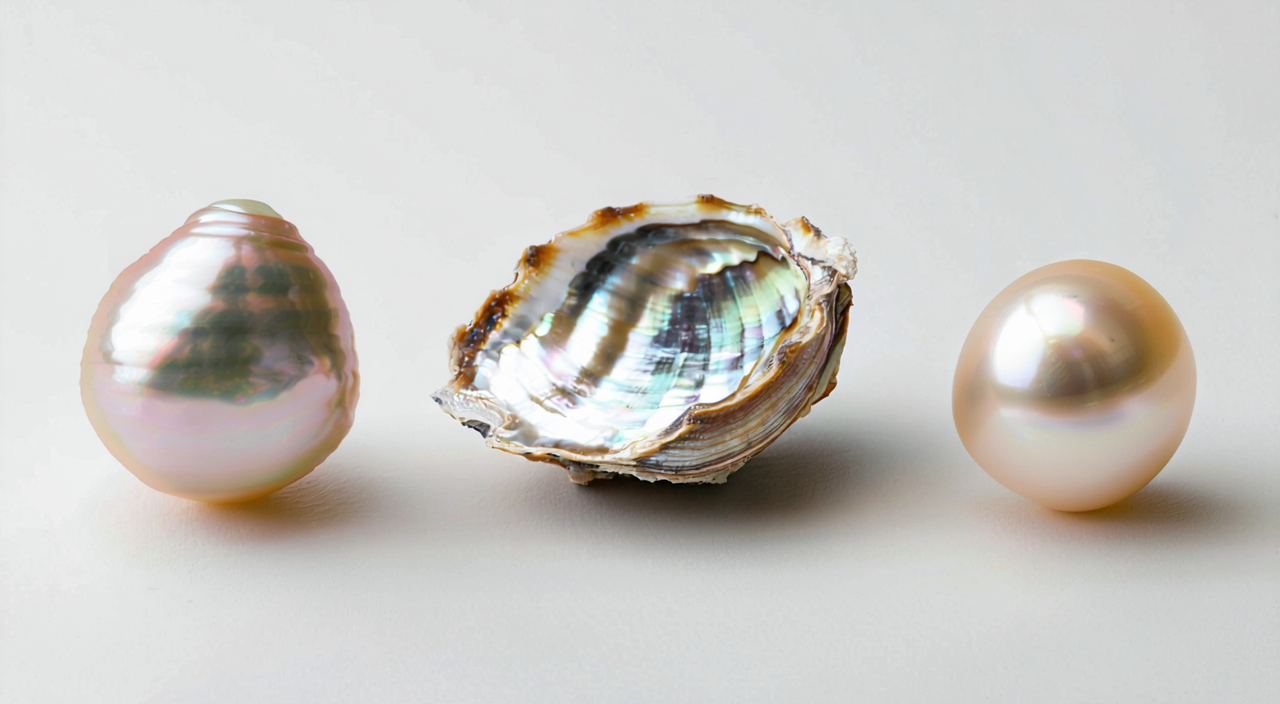
Mother-of-pearl (zhen zhu mu) refers to the inner layer of the shell that produces pearls—the nacreous layer of the shell itself, not an independent pearl. It is often used in Chinese medicine in calcined or raw forms, with a salty, cold nature. Traditionally, it is used to pacify the liver and subdue yang, calm the spirit, and improve vision, and is more suited for dizziness, tinnitus, and irritability caused by ascending liver yang. Pearl, on the other hand, is more focused on calming the spirit, detoxifying, and promoting tissue regeneration. Although they are related in origin, their medicinal parts and therapeutic emphases are different. In practice, pearl and mother-of-pearl cannot substitute for each other, and there is a significant cost difference.
Imitation pearls are an entirely different matter. There are simulated pearls on the market made from plastic, glass, or compressed shell powder, with surfaces possibly coated with pearl powder or pearlescent paint. They lack the natural layered internal structure, have a dull luster, and may reveal the base material when scratched. Burning can cause them to melt or emit pungent odors. Such imitations have no medicinal value whatsoever and must not be taken internally or applied externally. Identification primarily relies on examining the cross-section and luster; the safest approach is to choose products from legitimate sources.
Which Formulas Use Pearl?
Well-known traditional formulas or patent medicines that contain pearl include Angong Niuhuang Wan, Niuhuang Qingxin Wan, pure pearl powder, and Pearl Powder (Zhen Zhu San). In Angong Niuhuang Wan, pearl is combined with niuhuang (calculus bovis), concentrated water buffalo horn powder, and shexiang (moschus), traditionally used for high fever with unconsciousness or stroke coma caused by heat diseases, with pearl playing a role in settling fright and calming the spirit. Niuhuang Qingxin Wan is used to clear the heart, resolve phlegm, and extinguish wind, and also appears in related treatment approaches. Plain pearl powder is sometimes used internally or externally as a reference for calming the spirit and promoting tissue regeneration. Zhen Zhu San is mainly used externally to aid in closing oral ulcers or skin sores.
Whether these formulas or patent medicines are suitable depends closely on symptoms, constitution, and disease stage. Angong Niuhuang Wan is not appropriate as a daily health product in non-emergency situations. When encountering a potentially suitable product, one should read the instructions carefully, understand its indications and precautions, and consult a TCM practitioner or pharmacist when necessary.
Precautions When Using Pearl
First, it is essential to understand this principle: medicinal pearl powder must be of extremely high purity, and levels of heavy metals—especially lead, mercury, and arsenic—must comply with regulations. When purchasing pearl powder overseas, check whether corresponding quality test reports are available, and avoid confusing craft decoration powder with medicinal powder.
If used externally on the eyes or broken skin, the risk of infection increases significantly; only sterile products should be used under the guidance of an experienced person. Jewelry pearls must never be ground for consumption, as they may have undergone chemical treatments and may retain residues of bleaching agents, dyes, or coatings harmful to the body. Pregnant women, those with a tendency to cold during menstruation, or individuals with spleen-stomach cold deficiency prone to diarrhea should exercise extra caution before using pearl-containing products, as pearl is traditionally considered cold and slippery in nature.
If there is long-term, recurrent insomnia accompanied by noticeable palpitations, chest tightness, or low mood, or if the skin problem is extensive or deep, one should not pin hopes solely on pearl powder or single pearl preparations but should seek professional medical help promptly.
Summary
As a Chinese medicinal material, pearl needs to be understood from multiple aspects such as source, morphology, processing, and combination. In particular, one must distinguish the fundamental differences between medicinal pearls and jewelry pearls, mother-of-pearl, and imitation pearls. Although formulas such as Angong Niuhuang Wan and pearl powder have traditional application backgrounds, their use is strictly defined and should not be applied casually. Whether taken internally or applied externally, it should only be done when the source is reliable and suited to one’s personal condition, along with professional advice. This article serves as an informational reference only and cannot replace professional diagnosis or treatment advice.