
What Is Limonite (Yu Yu Liang)? Medicinal Parts, Identification, and Common Formulas
Among traditional mineral medicines, Limonite (Yu Yu Liang) is a unique substance in both appearance and origin. Many who encounter Chinese herbal formulas become curious about the name “Yu Yu Liang” – it is neither as visually intuitive as plant-based herbs nor similar to ordinary clays. This article will help you understand Limonite from multiple perspectives, including visual identification, medicinal parts, traditional application principles, modern research progress, differences from similar mineral medicines, and common formulas.
What Does Limonite Look Like? How to Identify It?
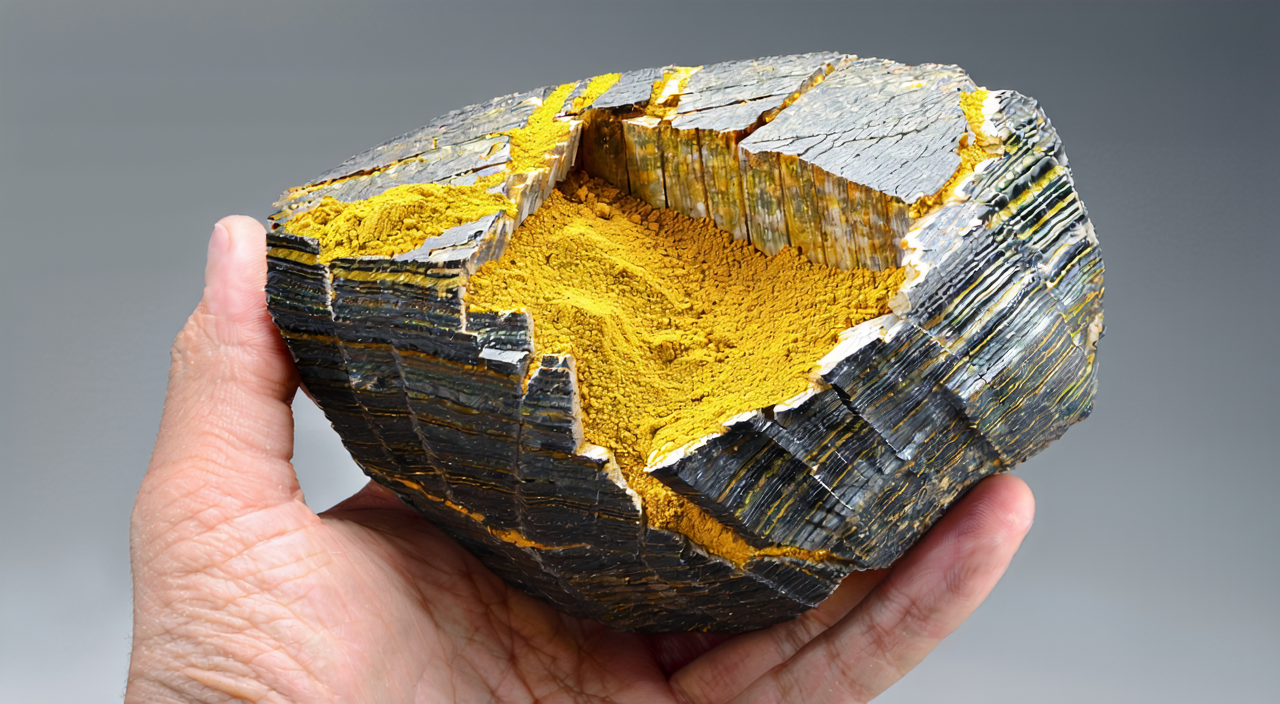
The original mineral of Limonite is mainly limonite ore. Commercially available medicinal material typically appears as irregular lumps, nodules, or crusts. Complete specimens sometimes show a multi-layered structure resembling an “eggshell,” with surfaces that are brownish-yellow, brown, or yellowish-brown, and some areas may have a grayish-green tint. The texture is generally quite heavy, giving a noticeable sense of weight when held. The fractured surface is often rough, and scratching with a fingernail reveals a yellowish-brown powder. The interior usually has a fine, layered structure. When some Limonite lumps break open, a brownish-red powdery substance can be seen inside, which feels greasy to the touch. Additionally, some specimens may have a white or grayish-white calcareous crust on the surface. Based on traditional experience, Limonite that is large in size, brown in color, with a fine layered interior and strong powdery quality is considered superior. During identification, it is important to distinguish it from similar-looking minerals such as Halloysite (Chi Shi Zhi) and Hematite (Dai Zhe Shi), which will be compared in detail later.
What Part of Limonite Is Used Medicinally?
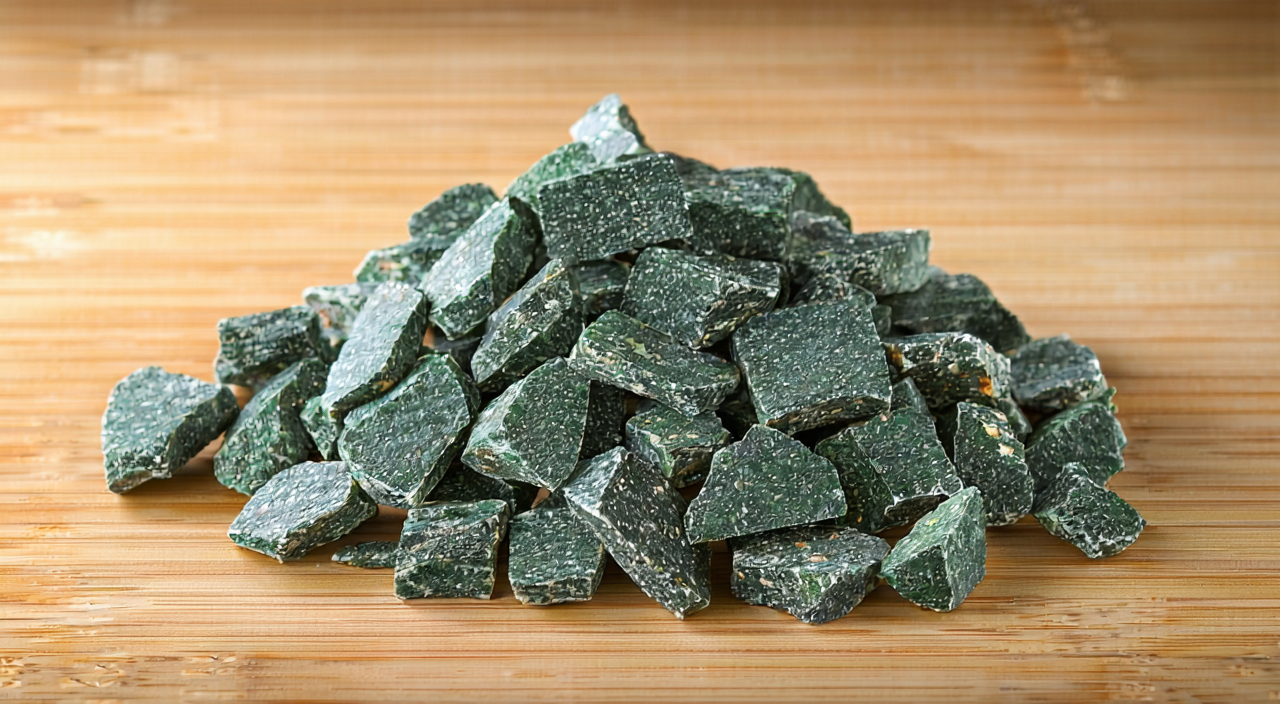
The medicinal part of Limonite is the limonite mineral itself, which belongs to the category of mineral Chinese medicinals. After being mined, it is cleaned of dirt and impurities, washed, and dried to become purified Limonite. Sometimes, to modify its properties or make it easier to crush, it undergoes calcination: purified Limonite is heated in a smokeless fire or at high temperature until red-hot, then quickly quenched in vinegar or another liquid excipient. This process is repeated several times, and finally the material is dried and ground. Purified Limonite tends to be astringent and restraining, while the calcined form may have an enhanced astringent effect. Traditionally, depending on the needs of the formula, either the raw or calcined form is chosen.
How Does Traditional Chinese Medicine Understand Limonite?
From the perspective of traditional Chinese medicine, Limonite has a sweet and astringent taste and a neutral nature, and mainly enters the Stomach and Large Intestine meridians. Its core action focuses on astringing and securing, and it is commonly used for “astringing the intestines to stop diarrhea,” “astringing to stop bleeding,” and “checking leukorrhea.” For chronic diarrhea, persistent loose stools, or fecal incontinence without obvious damp-heat or food stagnation, Limonite may traditionally be added to astringe and stabilize the intestines. Regarding bleeding patterns, especially flooding, spotting, or profuse menstruation characterized by “slippage,” Limonite is often used together with other astringent herbs. For thin, persistent leukorrhea, it can also be combined in formulas. It must be emphasized that this therapeutic principle is based on the pattern of “loss of containment;” it is not suitable for all diarrhea or bleeding cases. Before use, one must differentiate whether pathogens such as damp-heat or food stagnation are present; otherwise, indiscriminate astringing may trap the pathogen.
What Are the Focuses of Modern Research?
Modern research on Limonite mainly focuses on its composition and quality control. Limonite primarily contains iron oxides, such as hydrated ferric oxide and goethite, along with clay minerals, quartz, and trace amounts of manganese, aluminum, magnesium, and calcium. Due to the diversity of mineral sources, the iron content in samples from different production areas varies significantly, and some mining areas are associated with harmful elements. Therefore, controlling impurity limits is key to quality evaluation. The current Chinese Pharmacopoeia requires macroscopic identification and tests for Limonite, such as measuring iron content and checking for heavy metals and arsenic salts to ensure safety. Additionally, some studies have explored the dissolution rate of elements during decoction and the effects of different processing methods on its characteristics. Overall, modern pharmacological research on Limonite is still relatively limited and largely revolves around mineralogy and quality standards.
How Does Limonite Differ from Halloysite and Hematite?
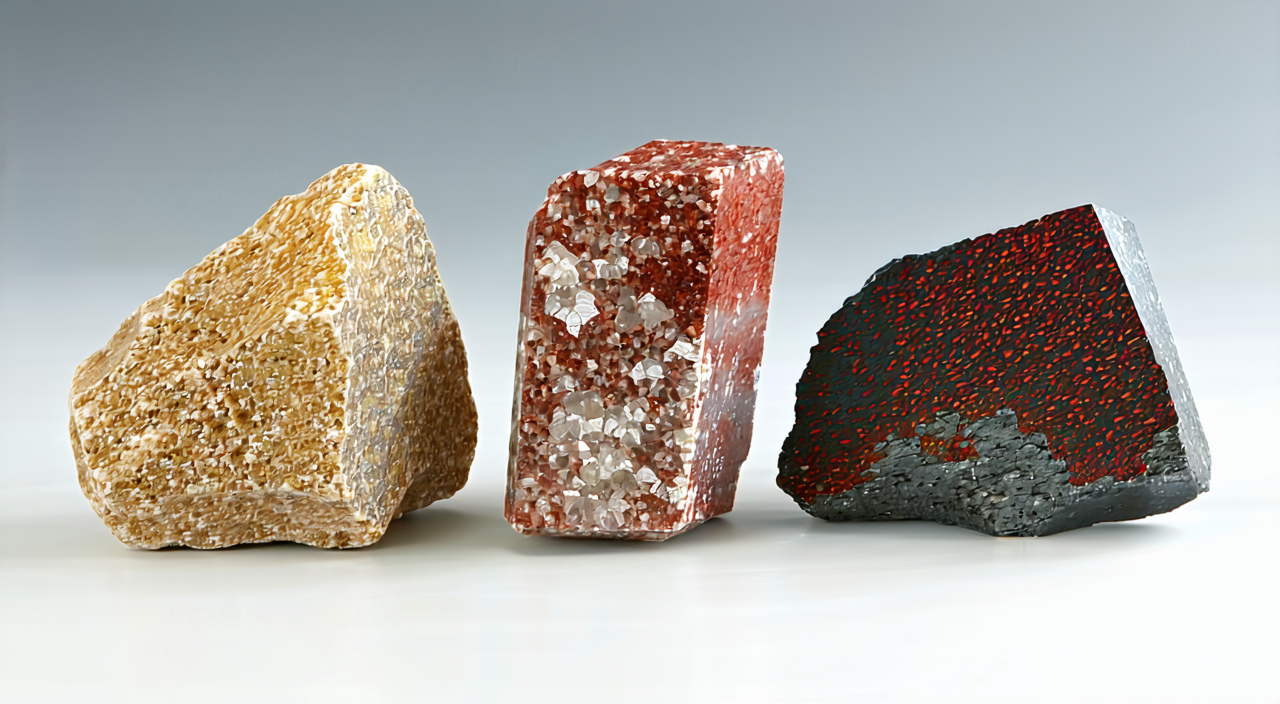
These three mineral medicines are easily confused in appearance and function. Key identification points are as follows:
- Structure and form: Limonite often appears as nodules or irregular lumps with fine internal layering; Halloysite is a hydrous halloysite clay, usually in dense blocks or earthy masses, with a smooth, greasy, lustrous fracture surface; Hematite occurs as oolitic or reniform aggregates, often with nodular protuberances on the surface and a cross-section showing parallel layering or conchoidal fracture.
- Color: Limonite is predominantly brownish-yellow to brown; Halloysite tends to be reddish, red-and-white mottled, or pinkish; Hematite is mainly dark brownish-red or iron-black, with a cherry-red streak.
- Texture and feel: Limonite is heavy with a powdery fracture surface; Halloysite is relatively soft, highly absorbent, and feels sticky when licked; Hematite is hard and dense.
- Traditional application focus: Limonite is primarily used to astringe the intestines to stop diarrhea and to astringe bleeding and leukorrhea; Halloysite also astringes the intestines and stops diarrhea, but additionally promotes tissue regeneration and heals sores; Hematite is particularly adept at calming the liver and anchoring yang, descending rebellious qi, and stopping bleeding, and is commonly used for dizziness, nausea, and vomiting.
Which Formulas Use Limonite?
In classical formulas, Limonite is often included as an astringent component. Below are several common formulas, provided as a reference for understanding traditional usage principles:
- Halloysite and Limonite Decoction (Chi Shi Zhi Yu Yu Liang Tang): From the Treatise on Cold Damage (Shang Han Lun), this formula combines Halloysite and Limonite, and is used for persistent diarrhea and fecal incontinence due to lower-jiao instability. The two herbs work synergistically to strengthen the astringent effect.
- Stabilize the Thoroughfare Vessel Decoction (Gu Chong Tang): Mainly targets flooding, spotting, or excessive menstruation due to spleen-kidney deficiency and insecurity of the thoroughfare and conception vessels. In this formula, Limonite is combined with Cuttlebone (Hai Piao Xiao) and Madder Root (Qian Cao) to astringe and stop bleeding.
- Limonite Pill (Yu Yu Liang Wan): Multiple formulas share this name; most take Limonite as the chief herb, combined with other astringent or tonifying herbs, and are suitable for chronic diarrhea, leukorrhea, and other conditions of “slippage.”
- Limonite Powder (Yu Yu Liang San): Limonite is ground into powder and taken directly or incorporated into a powder formula to exert astringent and securing effects. The specific combination varies according to the presenting pattern.
These formulas each have different compositional emphases and indications. In practice, they must be applied based on an individual’s constitution, symptom characteristics, and professional judgment; self-prescribing is not advised.
What Precautions Should Be Taken When Using Limonite?
Although Limonite is a mineral medicine, improper use can also pose risks. The following points are worth noting:
- Avoid when damp-heat, food stagnation, or other excess pathogens are unresolved: If diarrhea is accompanied by tenesmus, foul-smelling stools, and a yellow, greasy tongue coating—indicating damp-heat dysentery—or if there is food accumulation or constipation, indiscriminate use of astringent herbs may worsen the condition.
- Use with caution during pregnancy: Because Limonite is astringent and securing, its use during pregnancy may affect the movement of qi. It should be weighed under professional guidance.
- Mineral source and contamination risks: Natural minerals may contain harmful elements such as lead and arsenic. Only purified, processed products that meet medicinal standards should be used; avoid self-collecting or using raw minerals from unknown sources.
- Avoid prolonged use or large doses: Long-term use of astringent herbs may impair the spleen and stomach’s transformation and transportation functions, causing abdominal distension, constipation, and other discomfort. If longer treatment is needed, use it in stages and monitor the body’s response.
- Do not replace professional diagnosis: Persistent or recurrent diarrhea, bloody stools, abnormal leukorrhea, or symptoms accompanied by significant abdominal pain, weight loss, or black stools should first be evaluated by a physician to determine the underlying cause and avoid delay.
Summary
As a unique mineral medicine, Limonite’s value lies primarily in its traditional regulating principles of securing the intestines, astringing to stop bleeding, and checking leukorrhea. It is especially used for conditions of “slippage,” such as chronic diarrhea with incontinence and flooding or spotting bleeding. For identification, its nodular limonite appearance, internal layering, and powdery quality are key features, and it must be distinguished from Halloysite and Hematite. More importantly, the use of Limonite has clear contraindications; extra caution is required in cases of damp-heat accumulation, food stagnation, and during pregnancy. The safety of the mineral source must also be given due attention. This article is for educational reference only and should not replace professional diagnosis or treatment.