
What Is Clove? Medicinal Parts, Identification, and Common Formulas
Among traditional Chinese medicinal herbs, clove is widely used for its unique aroma and its ability to warm the middle burner and descend rebellious qi. However, when people hear “clove,” many may think of the ornamental purple lilac that blooms in spring, or the spice used in cooking. From a medicinal perspective, this article focuses on what Chinese herbal clove is, what it looks like, which part is used, and how it differs from mother clove and ornamental lilac—helping readers recognize this herb more accurately.
What Does Clove Look Like? How to Identify It
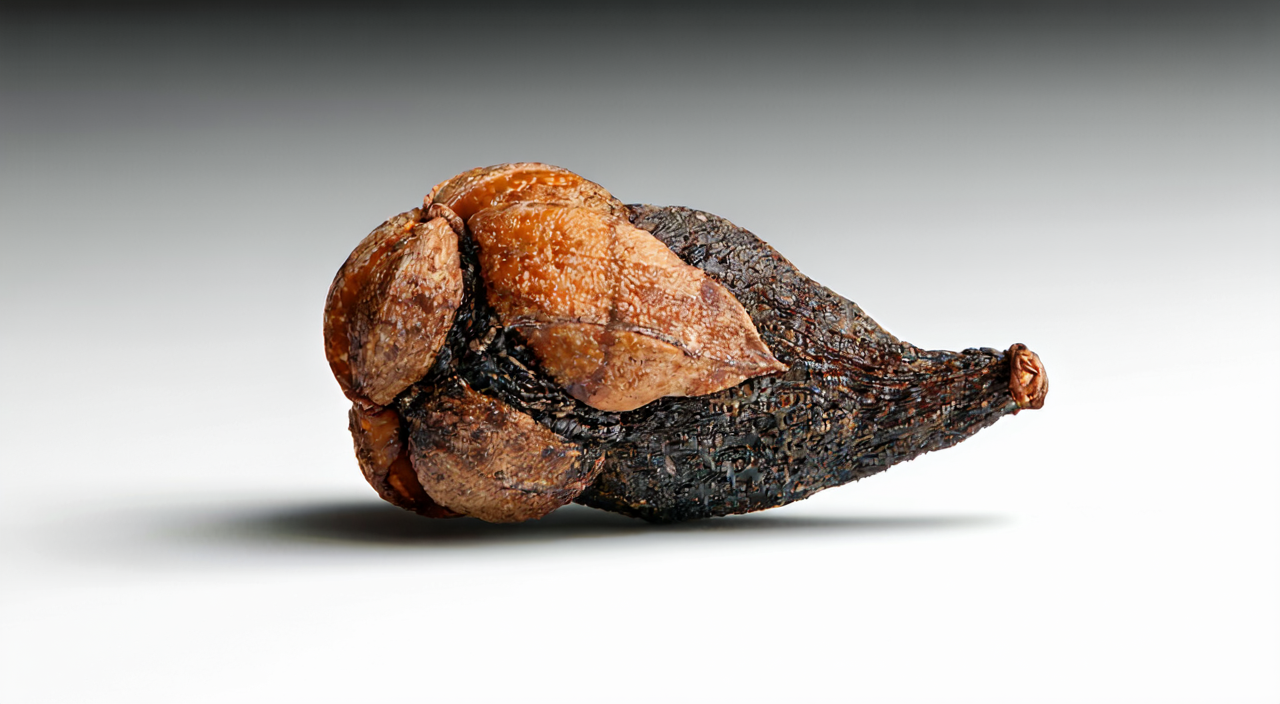
Clove is the dried flower bud of the clove tree (Syzygium aromaticum), shaped like a small nail, about 1–2 cm long. The upper part is a round, unopened flower head, while the lower part is a slightly square-shaped calyx tube. The surface is reddish-brown or dark brown, firm and heavy in texture. When gently rubbed with fingers, it feels oily, and when broken, oily material can be seen inside. Its aroma is strong and distinctive, and it tastes pungent with a numbing sensation on the tongue. Identification relies mainly on four features: the nail-like shape, the spherical flower head wrapped by four calyx lobes, the dark reddish-brown color, and the intense fragrance. Note that this “clove” is not the common purple lilac flower seen in gardens.
What Is the Medicinal Part of Clove?
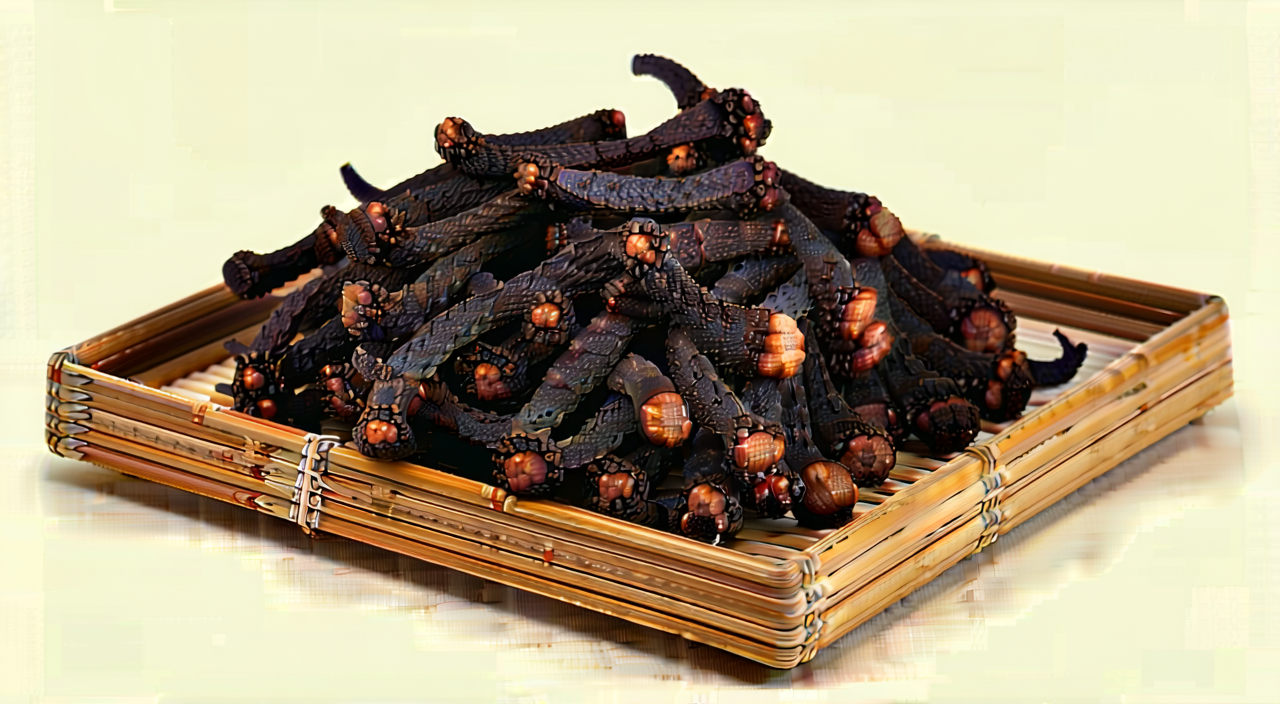
In Chinese medicine, clove uses the flower buds of the clove tree, also called “male clove.” The buds are harvested when they turn from green to red, with the stems removed, then sun-dried or dried at low temperature. The buds are rich in volatile oil, mainly composed of eugenol. Traditional processing usually does not require special preparation; they are simply crushed before use. Harvest time and drying method affect the quality of clove, with the best grade being large, plump, full-bodied, and strongly aromatic. The counterpart of “male clove” is “mother clove,” which is the nearly mature fruit, and we will distinguish them later.
How Does Traditional Chinese Medicine Understand Clove?
Traditional Chinese medicine regards clove as warm in nature and pungent in taste, entering the spleen, stomach, and kidney meridians. It excels at warming the middle burner and directing rebellious qi downward, and is commonly used for hiccups, vomiting, and cold abdominal pain caused by stomach cold. It can also tonify the kidney and assist yang, and is indicated for conditions such as cold pain in the lower back and knees, impotence, and uterine cold due to insufficient kidney yang. Because of its aromatic, dispersing nature, it can also awaken the spleen, improve appetite, and aid digestion. However, clove is strongly warming, so its suitability must be assessed based on cold or heat patterns. Clinically, clove is often combined with ingredients such as persimmon calyx, fresh ginger, and pinellia rhizome to address different presentations.
Overview of Modern Research
Modern studies have found that clove contains eugenol, acetyl eugenol, and other compounds, demonstrating antibacterial, antioxidant, analgesic, and digestive secretion-promoting effects. Its volatile oil exhibits certain inhibitory effects against common pathogenic bacteria and can relieve gastrointestinal spasms. These findings partially echo the traditional Chinese medicine understanding of warming the middle and dispersing cold, and descending rebellious qi to stop vomiting. However, research is still largely at the experimental stage, and specific applications should still mainly rely on holistic assessment.
What Are the Differences Among Clove, Mother Clove, and Ornamental Lilac?
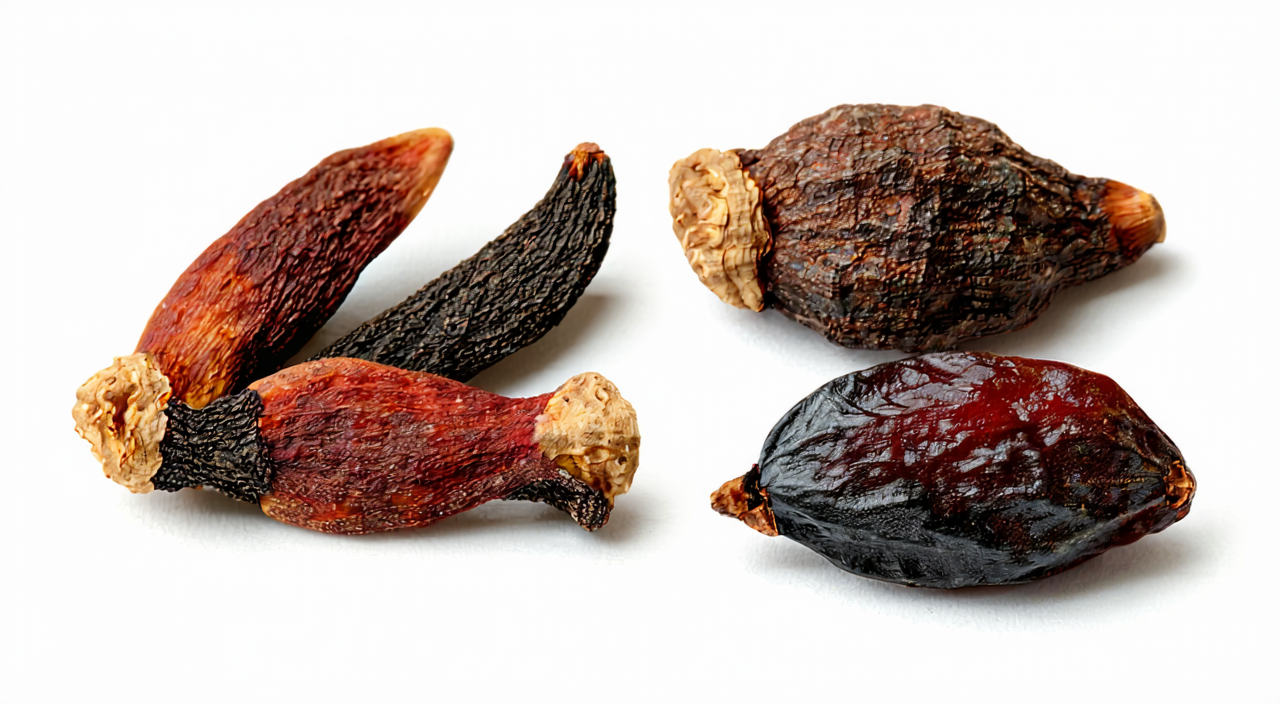
First, distinguish the plant species: medicinal clove comes from Syzygium aromaticum of the Myrtaceae family, while ornamental purple lilac belongs to Syringa of the Oleaceae family. They are from different plant families and should not be confused. Second, the medicinal parts differ: clove uses the dried flower bud (male clove), while mother clove is the nearly mature fruit of the clove tree, shaped like a jujube pit, brownish-black, with a weaker aroma. Its effects are similar but slightly less potent. Mother clove is also called “chicken tongue clove.” Ornamental purple lilac flowers have no medicinal use. Therefore, when purchasing, make sure to look for “male clove” and avoid using ornamental lilac or mother clove for the same purpose.
Which Formulas Include Clove?
Clove appears as an important ingredient in several classic formulas, often used to address stomach-cold hiccups, chest and abdominal distension, and similar patterns.
- Ding Xiang Shi Di Tang (Clove and Persimmon Calyx Decoction): Composed of clove, persimmon calyx, fresh ginger, etc., traditionally used for hiccups caused by stomach cold with rebellious qi.
- Ding Xiang San (Clove Powder): Clove combined with galangal, cinnamon bark, etc., suitable for cold epigastric pain and vomiting due to cold stagnation and qi block.
- Su He Xiang Wan (Storax Pill): Contains clove, storax, etc., often used for acute chest pain and sudden collapse caused by cold obstructing the heart meridian.
- Shi Xiang Fan Sheng Wan (Ten Fragrances Revival Pill): Also includes clove, together with bezoar, aloeswood, etc., traditionally applied in loss of consciousness and lockjaw from internal occlusion of phlegm turbidity.
These formulas each have different focuses. Whether they suit an individual depends on constitution and symptoms, and should be assessed comprehensively under the guidance of an experienced Chinese medicine practitioner, while referring to product instructions. Compositions and dosages can vary among different preparations; do not self-prescribe or combine them at will.
What Should Be Noted When Using Clove?
Although clove is a common seasoning and medicinal herb, it also has contraindications. Traditionally, due to its warm and dry nature, clove is not suitable for those with yin deficiency and internal heat, mouth and tongue sores, or dry constipation. People with a tendency to bleed or taking anticoagulant medications should avoid large amounts. Patients with liver disease should also be cautious, as eugenol is metabolized by the liver and excessive amounts may increase the burden. Clove oil is highly concentrated; direct contact with mucous membranes may cause irritation, even pain and erosion. Never swallow undiluted clove oil directly. In addition, infants, pregnant women, and breastfeeding women are advised to consult a doctor before use. If hiccups or cold abdominal pain recur over a long period, or are accompanied by blood-tinged vomit, black stools, significant weight loss, chest tightness, or palpitations, seek medical attention promptly to rule out other causes. Do not rely solely on clove or formulas for self-treatment.
Summary
As a Chinese medicinal herb, clove refers to its dried flower bud, known for warming the middle and descending rebellious qi. It is traditionally combined with persimmon calyx and fresh ginger for patterns such as stomach-cold hiccups and vomiting. Mother clove and ornamental purple lilac are completely different from medicinal clove and must be carefully distinguished. When using clove, pay attention to its warm properties; it is unsuitable for those with yin deficiency, internal heat, or bleeding tendency. This article only provides educational information on Chinese medicine. Specific applications should take individual conditions and professional advice into account, and must not replace diagnosis or treatment.