
What Is Bei Dou Gen? Medicinal Parts, Identification, and Common Preparations
What is Bei Dou Gen? For readers interested in Chinese medicinal herbs, throat-soothing preparations, or traditional herbal knowledge, Bei Dou Gen often raises questions because its name is similar to Shan Dou Gen. Bei Dou Gen comes from the dried rhizome of Menispermum dauricum, while Shan Dou Gen comes from Sophora tonkinensis; they are not the same medicinal herb. The two differ in botanical source, medicinal part, appearance, and potential risks. This article provides general information from the perspectives of herbal identification, traditional Chinese medicine concepts, modern research concerns, and common preparations. It cannot replace individualized advice from a doctor or pharmacist.
What Does Bei Dou Gen Look Like? How Is It Identified?
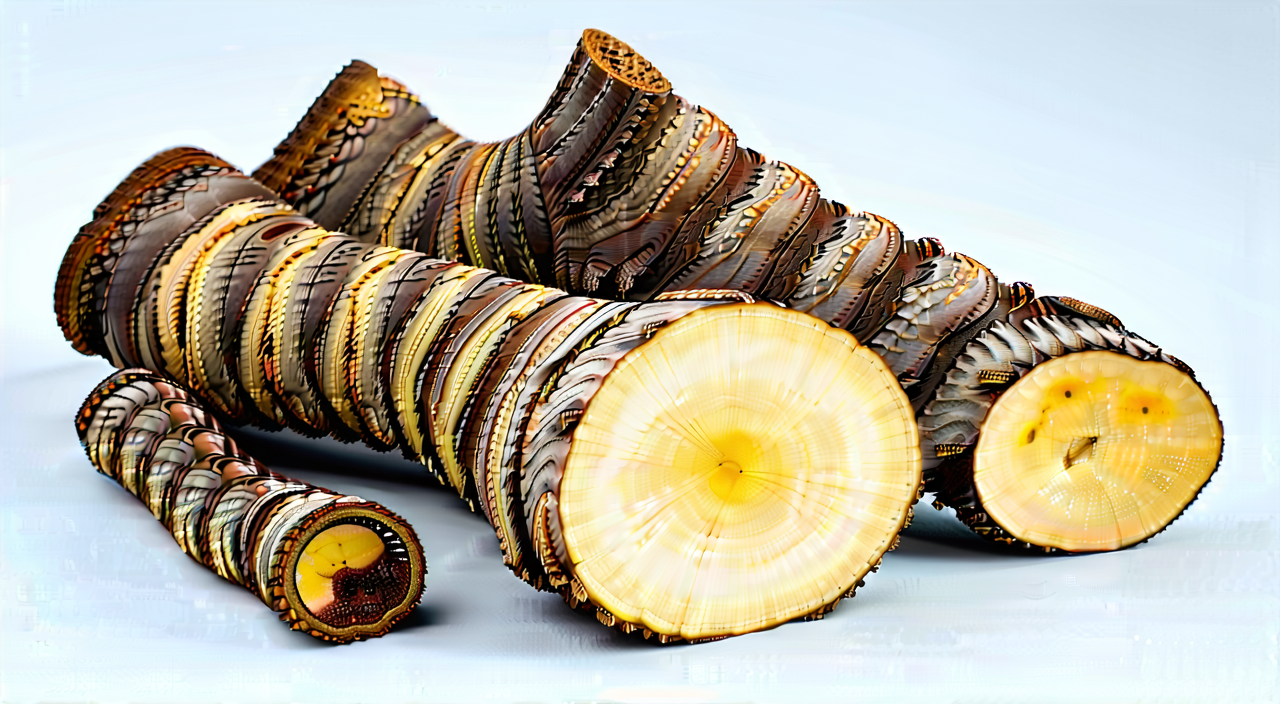
Bei Dou Gen is usually slender and cylindrical, with an overall tendency to curve. Some medicinal materials may have branches or segments of varying lengths. The outer surface is generally yellowish-brown, brownish-yellow, or dark brown. It is not particularly smooth and may show nodes, longitudinal wrinkles, and a small number of root scars. After being cut into sections or processed, the cross-section is usually yellowish-white to pale yellow. The texture is relatively hard, and the material has a distinctive odor and may have a pronounced bitter taste.
Accurate identification cannot be completed based on only one or two appearance-related features. The place of origin, processing method, and storage conditions can all affect the color and appearance of the cross-section. Materials affected by moisture, insects, or mold may also develop unusual odors or spots. Herbal slices, powders, or finished medicines encountered in daily use often no longer retain their complete form, making it even less appropriate to judge their source by sight alone. When using these products at a pharmacy or at home, prioritize the information on formal packaging, including the product name, applicable standard, and batch number. If necessary, ask a professional to identify the material.
Which Features Can Be Observed?
As an initial observation, consider three aspects: shape, surface, and cross-section. In terms of shape, check whether the material is slender, cylindrical, and curved. On the surface, look for nodes and longitudinal wrinkles. On the cross-section, note its yellowish-white or pale-yellow color and relatively firm texture. These are only visual clues used in the traditional identification of medicinal materials. They do not constitute a legally recognized identification conclusion and should not be used as a basis for collecting wild plants or replacing professional testing.
What Is the Medicinal Part of Bei Dou Gen?

The medicinal part of Bei Dou Gen is the dried rhizome of Menispermum dauricum, rather than fine roots or above-ground stems in the general sense. A rhizome is a stem that grows horizontally or nearly horizontally underground and may have nodes and buds, giving it features that differ from those of some root-based medicinal materials. The herb is generally collected during a suitable season, cleaned after impurities are removed, cut into sections, and dried. Specific processing methods should follow pharmacopoeial standards and formal production procedures.
Understanding the medicinal part is important because the roots, rhizomes, stems, and leaves of the same plant may contain different constituents, and their traditional uses and dosages may not be the same. Confusing Bei Dou Gen with other root-based herbs, or substituting the similarly named Shan Dou Gen, may create quality and medication-related risks. When purchasing or using finished products, rely on complete product information. It is not advisable to process wild plants into medicinal materials for personal consumption.
How Does Traditional Chinese Medicine Understand Bei Dou Gen?
Within traditional Chinese medicine theory, Bei Dou Gen is commonly understood from the perspectives of clearing heat, detoxifying, dispelling wind, and relieving pain. Its historical applications have often been associated with throat discomfort, wind-heat-related manifestations, or localized pain. Specific applications may vary among regions, medical texts, and preparations. Descriptions of traditional effects should not be directly equated with modern medical diagnoses or treatment outcomes.
Bei Dou Gen is not a universal herbal remedy suitable for everyone who experiences throat discomfort. Throat discomfort may be related to infection, allergies, reflux, environmental irritation, or other factors. The appropriate approach should be determined by considering how long the symptoms have lasted and whether other symptoms are present. If symptoms recur or persist without improvement, or if difficulty swallowing, abnormal breathing, or a significant fever occurs, consult a doctor promptly. When using Chinese patent medicines or compound preparations containing Bei Dou Gen, consider personal constitution, symptoms, product instructions, and professional advice together.
What Areas Does Modern Research Focus On?
Bei Dou Gen contains various constituents, including alkaloids. Modern research focuses on its chemical constituents, pharmacological effects, and quality control. Because differences in herbal batches, extraction processes, and preparation types may lead to variations in constituent levels, experimental findings cannot be simply interpreted as definite effects for an individual user.
Safety is an important consideration in research and use related to Bei Dou Gen. Some alkaloid constituents may affect the cardiovascular and nervous systems. Existing research and medication-safety discussions have focused on potential risks such as changes in heart rhythm, palpitations, dizziness, fatigue, and nausea. The level of risk may be related to dosage, duration of use, product quality, individual differences, and the use of other medicines at the same time. If palpitations, chest tightness, pronounced dizziness, weakness in the limbs, or other unusual symptoms occur, stop using the product on your own and seek professional advice as soon as possible.
The value of modern research lies mainly in helping clarify constituents, mechanisms of action, and safety boundaries. It cannot replace standardized medicine quality requirements or clinical judgment. Users outside China should also note that different countries and regions may classify and regulate traditional herbs and Chinese patent medicines differently. Import, labeling, and usage requirements may also vary.
What Are the Differences Between Bei Dou Gen, Shan Dou Gen, and Fang Ji?
Bei Dou Gen and Shan Dou Gen first differ in their botanical sources. Bei Dou Gen generally refers to the dried rhizome of Menispermum dauricum, while Shan Dou Gen generally comes from the dried root and rhizome of Sophora tonkinensis. Their names are similar, and some traditional application areas overlap, but they must not be substituted for one another. The appearance, primary constituents, standards, and safety information for Shan Dou Gen should be assessed separately.
In appearance, Bei Dou Gen is generally slender, curved, and marked with nodes, with a yellowish-white cross-section. The appearance of Shan Dou Gen may vary according to the medicinal part and processing method, so conclusions should not be based solely on color or bitterness. Fang Ji commonly comes from different medicinal plants than Bei Dou Gen, and its traditional medicinal standards, medicinal parts, and identification features also differ. Similar names or local terms may cause confusion, especially with loose herbs, powders, and herbal products without clearly stated sources.
Therefore, Bei Dou Gen, Shan Dou Gen, and Fang Ji should not be mixed or substituted based on similar names or overlapping traditional uses. When choosing medicinal materials, verify the Chinese name, Latin botanical name or source information, medicinal part, production details, and quality standard. For tablets, capsules, or compound products that have already been manufactured, check the official package insert and ask a pharmacist to confirm the product if necessary.
What Common Preparations Contain Bei Dou Gen?
Preparations available on the market may include Bei Dou Gen tablets, Bei Dou Gen capsules, and compound throat-soothing products containing Bei Dou Gen. Bei Dou Gen tablets and capsules are generally different dosage forms made from herbal extracts or related processed materials. Directions for use, strength, excipients, and intended applications should be based on the instructions for the specific product. Compound throat-soothing preparations may contain several medicinal herbs, so their overall effects or risks cannot be judged solely by one ingredient.
Product names and approval information may vary among brands, countries, and regions. Some products sold overseas may be classified as foods, herbal supplements, or traditional medicines, and their constituent levels and regulatory requirements may also differ. Before use, check the ingredients, directions and dosage, contraindications, and precautions on the packaging. Avoid taking multiple products with similar ingredients at the same time. Preparations containing Bei Dou Gen may help users understand traditional medicinal applications, but they should not be regarded as a treatment plan without professional guidance.
If you are taking prescription medicines, particularly medicines involving the cardiovascular or nervous systems or those affecting liver or kidney metabolism, consult a doctor or pharmacist first. People who are pregnant or breastfeeding, children, older adults, and those with chronic diseases should be especially cautious.
What Precautions Apply When Using Bei Dou Gen?
First, do not mix Bei Dou Gen with Shan Dou Gen, and do not use materials of unclear origin, without labels, affected by moisture or mold, or collected and processed independently. Second, do not increase the dosage or extend the duration of use on your own, and do not combine multiple products containing Bei Dou Gen. Traditional herbs are not necessarily risk-free; dosage and product quality are equally important.
People with abnormal heart rhythms, a history of palpitations or fainting, or problems involving the nervous system or liver and kidney function should consult a professional before use. During pregnancy or breastfeeding, and when considering use for children, do not make a decision based solely on information found online. If palpitations, chest tightness, dizziness, nausea or vomiting, weakness in the hands or feet, altered consciousness, or other significant discomfort occurs after use, stop taking the product and seek medical assistance promptly.
If throat or oral problems are severe, long-lasting, or recurrent, or are accompanied by marked anxiety, depression, pain, abnormal breathing, persistent fever, difficulty swallowing, or other concerning symptoms, prioritize medical evaluation rather than relying on a preparation containing Bei Dou Gen for self-treatment. This article is provided for general educational reference about Chinese medicinal herbs and cannot replace professional diagnosis or treatment advice.
Summary
Bei Dou Gen is a Chinese medicinal herb derived from the dried rhizome of Menispermum dauricum. It is typically slender and curved, with nodes and longitudinal wrinkles, and has a yellowish-white cross-section. It differs from Shan Dou Gen and Fang Ji in botanical source, medicinal part, and applicable standards. Preparations related to Bei Dou Gen should be assessed according to the specific product instructions, individual circumstances, and professional advice. Particular attention should be paid to potential cardiovascular and nervous system risks, and mixing products or using them long term without guidance should be avoided. This article is for general educational reference only and cannot replace professional medical advice.