
What Is Ju Hong? Medicinal Parts, Identification, and Common Formulas
Ju Hong is the name of a traditional Chinese medicinal material, and many people confuse it with Chen Pi and Hua Ju Hong. In fact, these materials differ in their botanical sources, methods of peel processing, and appearance. Traditionally, Ju Hong usually refers to the outer layer of citrus fruit peel left after the white inner layer has been removed. This article examines its recognized sources, appearance, medicinal parts, traditional applications, and precautions to help overseas Chinese readers better understand this medicinal material.
It should be noted that the names, botanical origins, and processing requirements for traditional Chinese medicinal materials should be determined according to the current pharmacopoeia, medicine standards, and product labels in the relevant region. Differences in production areas and commercial specifications may affect appearance, so authenticity and quality should not be judged solely by color or smell.
What Does Ju Hong Look Like? How Can It Be Identified?
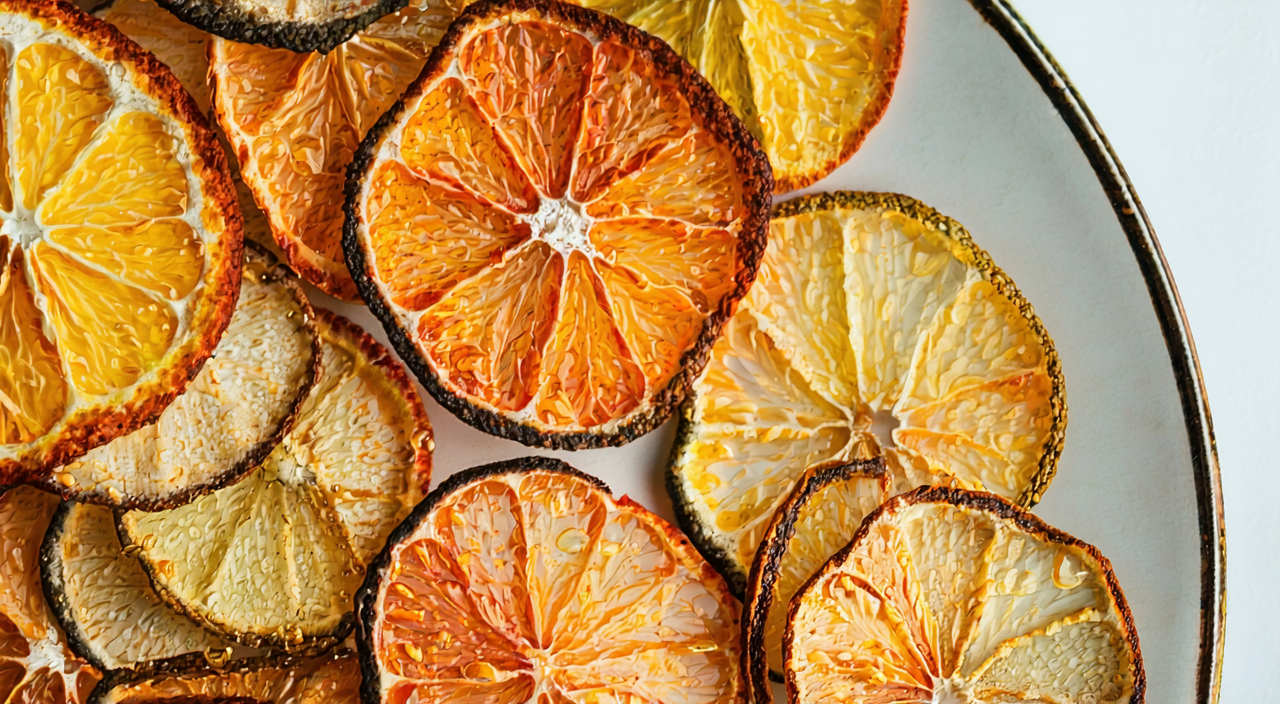
Common Appearance Characteristics
Ju Hong commonly appears as irregular thin slices, fragments, or curled pieces, with variations in size and thickness. The outer surface is usually orange-red, orange-yellow, or reddish-brown, and may show fine oil spots, which are the volatile oil glands distributed throughout citrus peel. Freshness, dryness, storage time, and processing methods can all affect the depth of its color.
The inner surface is generally lighter in color, commonly yellowish-white, pale yellow-brown, or light brown, with a relatively coarse texture. When broken or gently rubbed, it usually releases the characteristic fragrance of citrus fruits, although the strength of the aroma may change during storage. Pieces that are excessively damp and soft, moldy, unusually odorous, or visibly damaged by insects should not be used based on appearance alone.
Preliminary Differences from Ordinary Citrus Peel
The key points for identifying Ju Hong are not limited to whether it is “red.” They also include whether most of the white inner layer has been removed, whether prominent citrus peel oil spots remain, and whether the product has clear information about its source and specifications. Whole peel or citrus peel with a thick white pith should not simply be considered the medicinal material Ju Hong. For overseas buyers, it is best to check the Chinese name, botanical source, plant part, batch information, and storage requirements on the packaging.
What Is the Medicinal Part of Ju Hong?
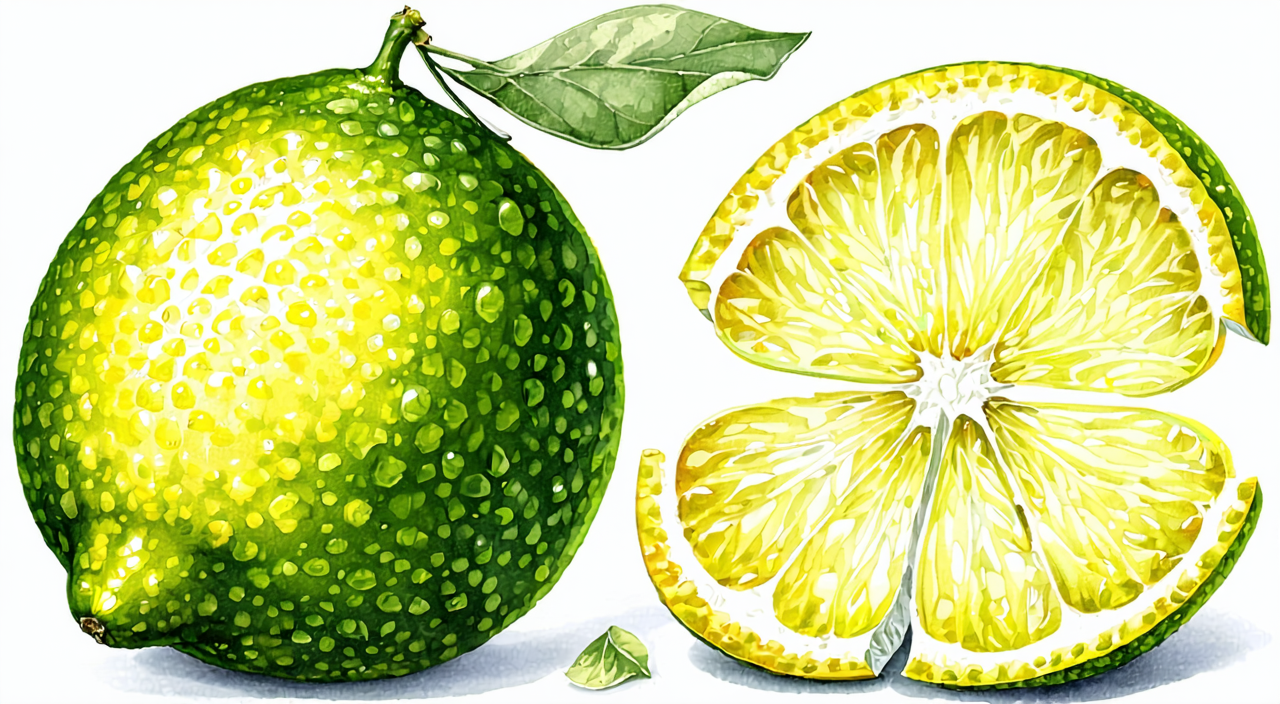
In terms of the medicinal part, Ju Hong mainly consists of the outer layer of citrus fruit peel, or the portion closer to the outside of the peel. Traditional processing generally removes the white inner layer, which is the relatively loose, spongy tissue on the inside of the peel, before drying the outer layer into slices. Therefore, Ju Hong is not exactly the same as the concept of using an entire piece of citrus peel after simply drying it.
According to current specifications and commonly used medicinal product standards, the precise botanical origin, harvesting season, processing method, and appearance requirements for Ju Hong should be determined by the relevant standards. The use of commercial names is not always consistent across regions, and some markets may sell other citrus peel products under similar names. Before purchasing or using the product, consult reliable labeling and qualified professionals rather than attempting identification based only on online images.
From a botanical perspective, the outer peel contains relatively large amounts of oil glands and aromatic compounds, while the white inner layer has different tissue characteristics. The purpose of removing the pith is to produce outer-peel slices that meet traditional medicinal specifications. This does not mean that all citrus peels containing white pith have no use; rather, it indicates that their names, parts, and intended uses may differ.
How Does Traditional Chinese Medicine Understand Ju Hong?
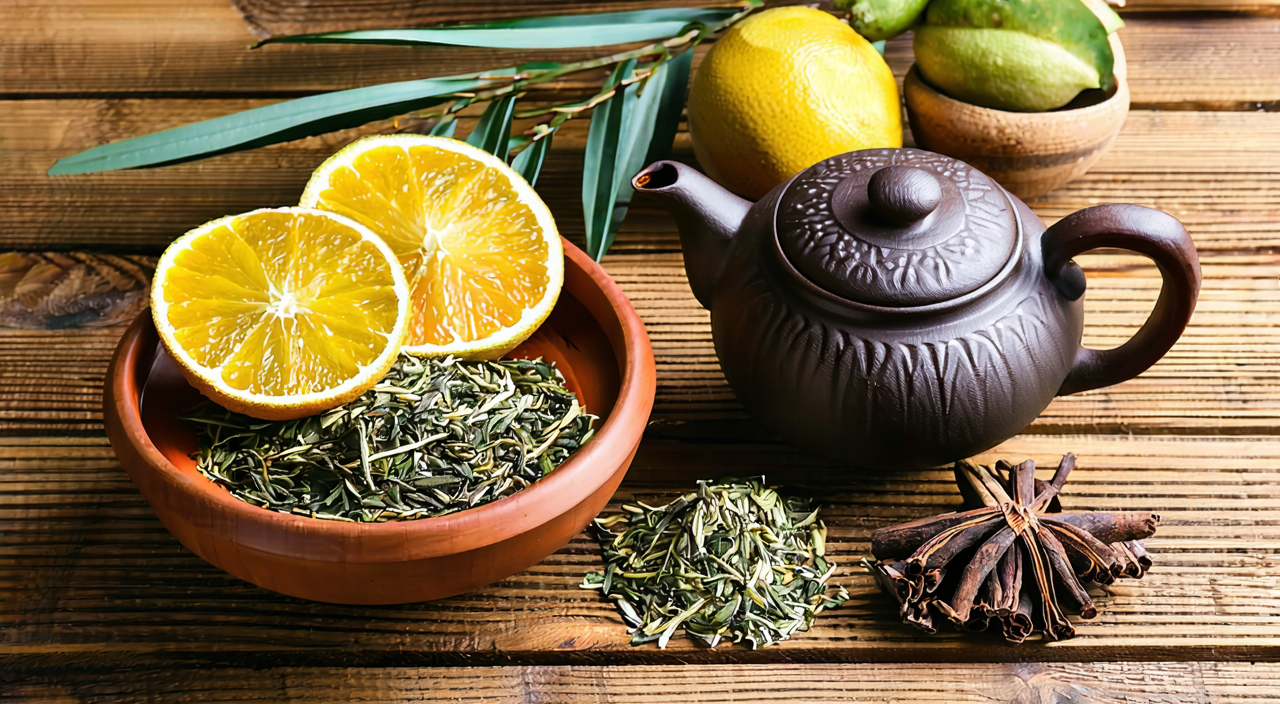
Traditional Chinese medicine commonly understands Ju Hong in terms of regulating qi, relieving distension in the middle burner, drying dampness, and transforming phlegm. “Regulating qi” generally refers to addressing manifestations associated with impaired qi movement in the spleen and stomach, such as chest or epigastric fullness and poor appetite. “Drying dampness and transforming phlegm” is a summary concept in traditional theory, often used to explain patterns involving accumulated dampness, excessive phlegm, coughing, or chest tightness. These descriptions belong to traditional Chinese medicine theory and traditional applications; they are not equivalent to modern medical diagnoses or treatment conclusions.
The nature, flavor, dosage, and combinations of Ju Hong should be assessed in the context of an individual’s constitution and pattern. Traditionally, it may be combined with medicinal materials such as Chen Pi, Ban Xia, Fu Ling, Jie Geng, and Xing Ren in different formulas or patent medicines. However, the ingredients, therapeutic focus, and intended users of these formulas vary. Even when the name is the same, products from different manufacturers may differ in specifications, dosage forms, and instructions.
If you simply want to learn about Ju Hong, you may regard it as a traditional medicinal material with a characteristic citrus aroma. If you are considering actual use, however, assessment should take into account the duration of symptoms, tongue and pulse findings, and other traditional Chinese medicine diagnostic information, together with modern medical examination results.
How Should Modern Research Be Viewed?
Modern research often focuses on volatile oils, flavonoids, and other plant compounds in citrus peel, examining them through component analysis, in vitro studies, animal experiments, or studies of traditional compound formulas. Such research can help clarify the chemical composition and possible biological activities of the material. However, studies differ in their samples, extraction methods, dosages, and experimental conditions, so their findings cannot be directly equated with confirmed effects in human use.
It is especially important to distinguish between “containing a particular compound” and “producing a clear therapeutic effect for a particular disease.” Current research on Ju Hong should be interpreted in light of the type and quality of evidence, product quality, and the actual context of use. For long-term or recurrent coughing, or coughing accompanied by fever, shortness of breath, chest pain, or coughing up blood, do not rely on medicinal materials or formulas on your own. Seek medical advice promptly.
What Is the Difference Between Ju Hong, Chen Pi, and Hua Ju Hong?
Ju Hong, Chen Pi, and Hua Ju Hong are all associated with citrus fruit peel, but they should not be regarded as the same medicinal material.
| Comparison | Ju Hong | Chen Pi | Hua Ju Hong |
|---|---|---|---|
| Main part | The outer portion of the peel; traditional processing generally removes the white inner layer | The whole citrus peel or peel processed according to specifications | Usually the outer peel of the fruit of particular pomelo species or related plants |
| White pith | Usually limited, with emphasis on removing the white inner layer | A certain amount of white inner layer may remain, depending on the specification | The outer surface commonly has fine hair-like or velvety features |
| Botanical source | Determined according to the citrus sources listed in the relevant standards | Determined according to the citrus sources listed in the relevant standards | Usually associated with specific sources such as Huazhou pomelo; the relevant standard should be checked |
| Appearance and aroma | Orange-red to reddish-brown slices with a citrus fragrance | Color may range from orange-red to dark brown, with noticeable changes in aroma during aging | The surface often has fine hairs, and the aroma differs from that of ordinary tangerine peel |
It is important to note that commercial products may be cut, pressed, or packaged in mixtures, making their appearance less typical. When considering the difference between Ju Hong and Chen Pi, do not rely on color alone. When identifying Hua Ju Hong, pay particular attention to whether the botanical source and surface hairs meet the relevant standards. If the label only says “citrus peel” without clearly identifying the medicinal material and its source, proceed with caution.
Which Formulas Contain Ju Hong?
Ju Hong may appear in different traditional formula and patent medicine combinations. The following information is provided for general understanding only and does not constitute personal medication advice.
Er Chen Tang
Er Chen Tang is traditionally used to dry dampness, transform phlegm, regulate qi, and harmonize the middle burner. Its combination principles commonly focus on phlegm-dampness and impaired qi movement. Different versions or modified formulas may vary in ingredients, dosages, and intended uses, so a familiar formula name should not be used as a basis for self-treatment.
Ju Hong Wan
Ju Hong Wan is a traditional Chinese patent medicine named after Ju Hong. Traditional sources commonly describe it in terms of regulating qi, transforming phlegm, moistening the lungs, and relieving cough. Its specific functions, suitable symptoms, contraindications, and method of use should be determined from the instructions for the actual product. Preparations from different manufacturers should not be casually substituted for one another.
Xing Su San
Xing Su San is traditionally associated with formula principles for external contraction by cool dryness and impaired dissemination of lung qi. Ju Hong or similar qi-regulating, phlegm-transforming medicinal materials may appear in the formula. It is not intended for every type of cough; suitability should be assessed according to the symptoms and professional pattern identification.
Qing Qi Hua Tan Wan
Qing Qi Hua Tan Wan is traditionally understood in terms of clearing heat, transforming phlegm, regulating qi, and relieving cough. Ju Hong-type medicinal materials commonly participate in its combination. If coughing is accompanied by obvious fever, wheezing, chest tightness, chest pain, or progressive worsening, seek medical evaluation rather than selecting a patent medicine based only on its name.
These formulas involve different patterns and combination priorities. If use is being considered, decisions should take into account individual constitution, current symptoms, medical history, medications being taken, product instructions, and professional advice.
What Precautions Should Be Taken When Using Ju Hong?
Use Caution with Dry Constitutions or Dry Cough Due to Yin Deficiency
Ju Hong traditionally has properties associated with drying dampness. For symptoms such as a dry throat, dry mouth, dry cough with little phlegm, hoarseness, or a tendency to feel overheated, its suitability should be assessed cautiously. Do not take it for extended periods on your own simply because it is considered “natural” or associated with both food and medicine. Children and people who are pregnant or breastfeeding should consult a doctor or pharmacist first.
Watch for Stomach Irritation
Some people may experience stomach discomfort, acid reflux, nausea, or changes in appetite after using aromatic, drying citrus-peel medicinal materials. If you have a history of gastritis, gastroesophageal reflux, peptic ulcers, or similar conditions, or if discomfort occurs after use, stop self-treatment and consult a qualified professional. Severe abdominal pain, persistent vomiting, black stools, or noticeable unexplained weight loss require prompt medical attention.
Be Aware of Citrus Allergies
People who are allergic to citrus fruits, pomelos, or related plants should watch for reactions such as rash, itching, swelling of the lips, or wheezing. If breathing problems or swelling of the face or throat occurs, seek emergency medical assistance as soon as possible. When trying it for the first time, avoid using several new herbal medicines or patent medicines at the same time, as this can make it difficult to identify the source of any adverse reaction.
Consider Drug Interactions and Product Differences
Ju Hong and compound products containing Ju Hong may have interactions with other medicines that require evaluation, particularly long-term prescription medicines, anticoagulants or antiplatelet drugs, and medicines used to manage chronic conditions. People who take medications should tell their doctor or pharmacist the names of the medicinal materials, product ingredients, and timing of use. Severe, persistent, or recurrent coughing, or coughing accompanied by marked anxiety, depression, palpitations, chest tightness, pain, or breathing abnormalities, should also be discussed promptly with a doctor or qualified professional.
Summary
Ju Hong generally refers to the outer portion of citrus fruit peel after most of the white inner layer has been removed. It commonly appears as irregular slices with oil spots and a citrus aroma. It differs from Chen Pi and Hua Ju Hong in the amount of white pith retained, botanical source, and surface characteristics, while the related formulas also have different traditional combination principles. Before use, verify the recognized source, product instructions, and personal circumstances. This article is for general educational reference only and cannot replace professional diagnosis or treatment advice.