
What Is Zao Xin Tu? Medicinal Part, Identification, and Common Formulas
What is Zao Xin Tu? In the context of traditional Chinese medicine, Zao Xin Tu, also known as Fu Long Gan, refers to the soil clumps formed at the center of the base of a traditional rural wood-burning stove after prolonged exposure to burning, heat, and sintering. Its name is closely tied to everyday life, which can easily lead people to assume that any charred soil from a household stove can be used medicinally. In reality, a traditional name does not mean that the material can be collected casually. Modern use requires greater attention to the source of the medicinal material, processing standards, and contamination control.
This article explains what Zao Xin Tu looks like, which part is used medicinally, how it differs from Chi Shi Zhi and Yu Yu Liang, and which traditional formulas, such as Huang Tu Tang, contain it. The goal is to help readers develop a basic understanding. The content is intended for educational purposes about Chinese medicinal materials. When considering actual use, individual circumstances and professional advice should always be taken into account.
What Does Zao Xin Tu Look Like? How Is It Identified?
Traditional Appearance
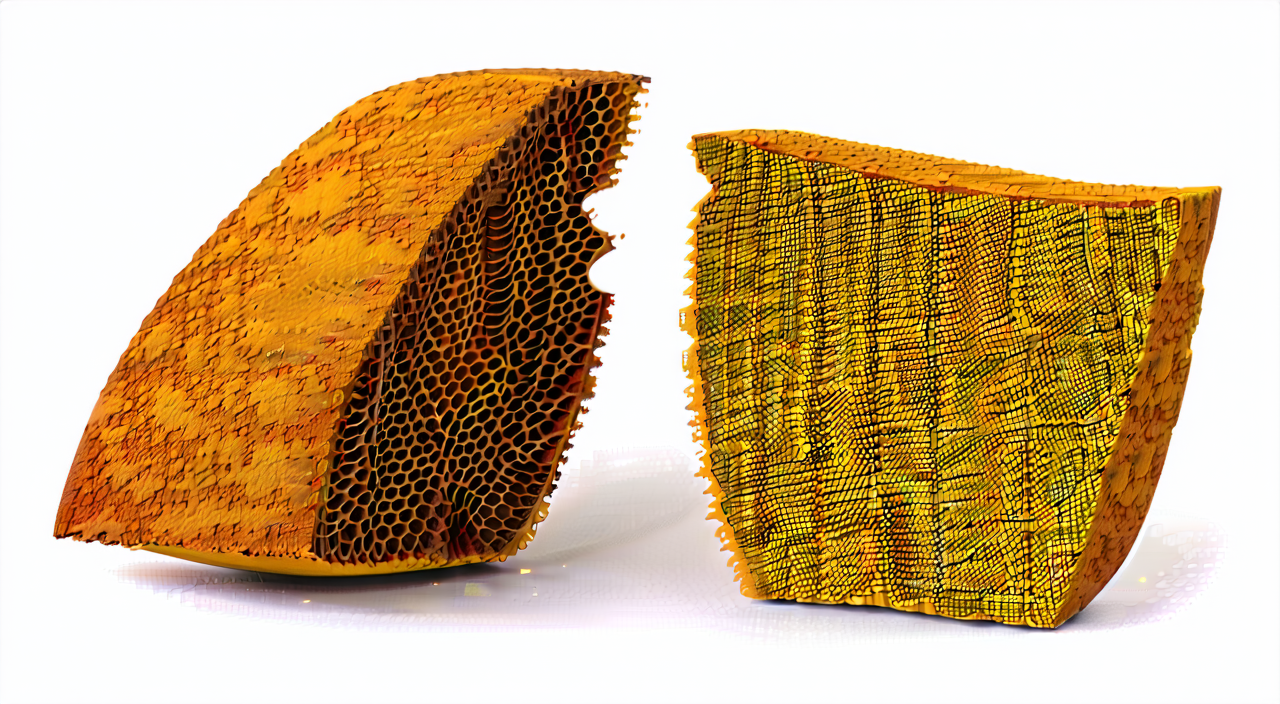
Zao Xin Tu usually appears as irregular clumps of soil, and the pieces are not uniform in size. The outer color is commonly reddish-brown, scorched yellow, yellowish-brown, or grayish-brown. Color variations depend on the duration of burning, the type of soil, and the degree of heat inside the stove. After prolonged exposure to wood or plant-fuel flames, the surface may show blackened marks or develop a relatively hard sintered layer.
On a broken surface, Zao Xin Tu often shows clearly visible honeycomb-like pores. Because the soil forms under high temperatures and repeated heating and cooling, its internal texture may be uneven. The broken surface is usually powdery or brittle, and soil particles may fall away when it is gently touched by hand. Some samples may also retain small pieces of charcoal, plant ash, or sintered particles. However, these features are only traditional descriptions of its appearance and cannot independently confirm the authenticity of the medicinal material.
Do Not Rely on Smell or Color Alone
Folk identification methods often focus on color, weight, hardness, and whether the material has a smoky or burnt smell. However, the mineral composition of soil can vary considerably, and household stoves may contain coal ash, grease, burned plastic residues, or other debris. A scorched yellow color or honeycomb-like pores cannot establish whether the material meets medicinal standards, nor can these features rule out the risk of heavy metals or other contaminants. Therefore, soil dug from the base of a household stove should not be used as a medicinal material.
What Is the Medicinal Part of Zao Xin Tu?
The Traditionally Defined Sintered Soil
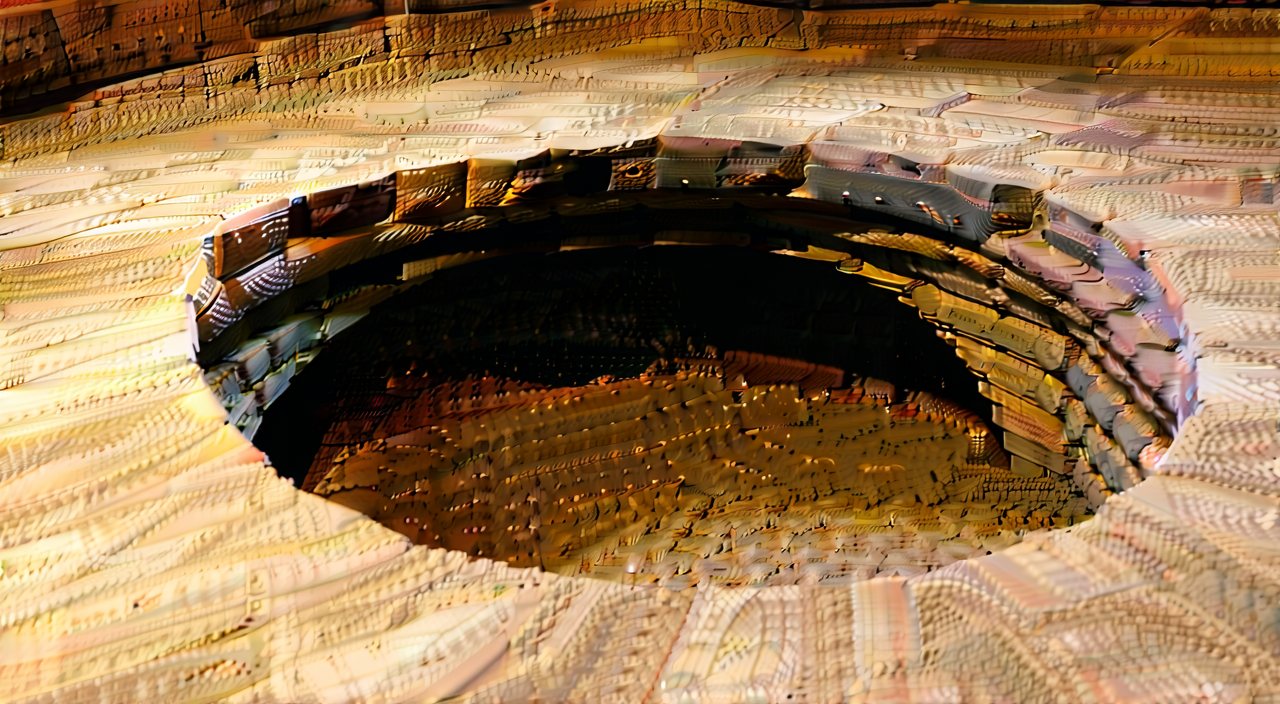
From the perspective of traditional medicinal sources, the medicinal part of Zao Xin Tu is not ordinary surface loess. It is the sintered soil clump formed at the center of a wood-burning stove after prolonged burning and exposure to high temperatures. In the past, this material accumulated at the bottom of the stove chamber. Because its color, texture, and formation process differed from those of ordinary soil, it gradually became part of the traditional herbal medicine system and acquired the alternative name Fu Long Gan.
Modern Use Emphasizes Standardized Sources
As fuels, stoves, and living environments have changed, traditional stove hearths are no longer stable or controllable sources of medicinal materials. For standardized use, attention should be paid to whether the supplier can provide information about the material’s source, identification, and quality control, and whether the product complies with the pharmaceutical or herbal medicine regulations in the relevant location. Formation through burning does not mean that the material is naturally free from contamination. Soil clumps of unknown origin, materials mixed with household waste ash, or products lacking testing information should not be taken without professional guidance.
How Does Traditional Chinese Medicine Understand Zao Xin Tu?
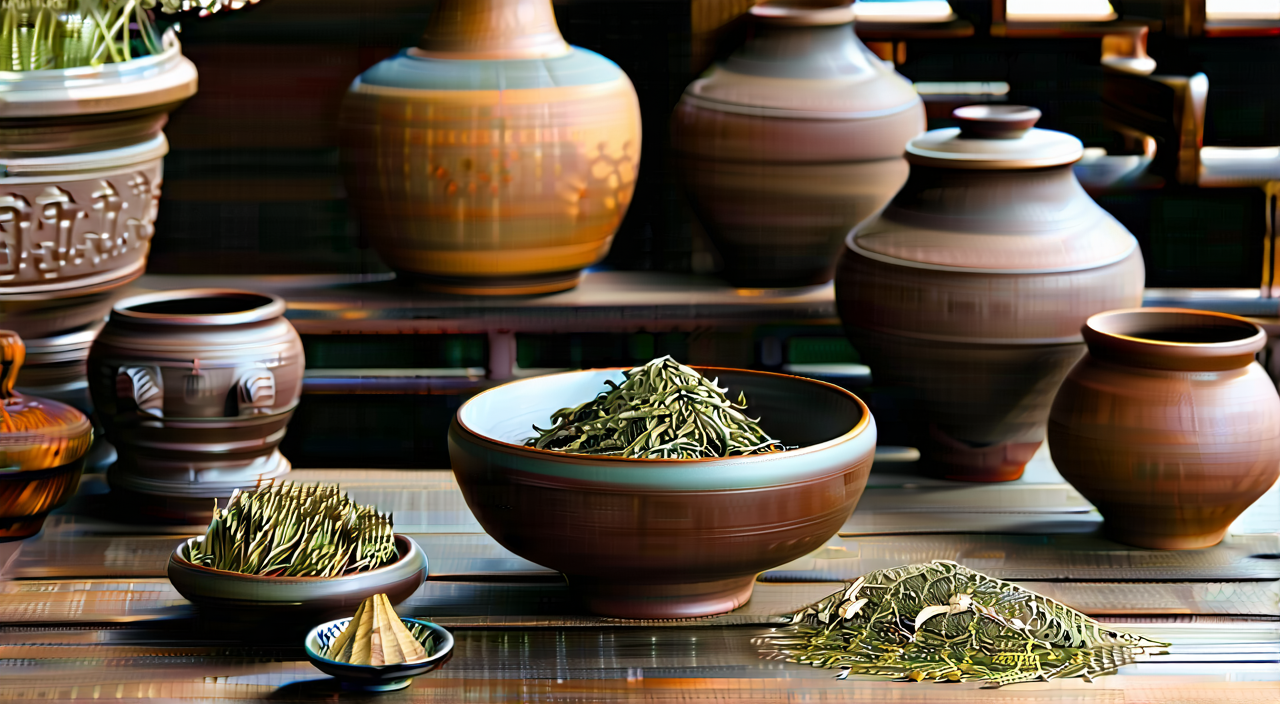
Traditional Chinese medicine commonly understands the applications of Zao Xin Tu in terms of warming the middle burner, stopping bleeding, relieving vomiting, and reducing diarrhea. These concepts belong to traditional theory and clinical experience. They cannot be directly equated with modern medical diagnoses, nor can they be used to determine the specific cause of a particular case of bleeding, vomiting, or diarrhea.
In classical formula texts, Zao Xin Tu is often discussed in relation to patterns such as deficiency-cold of the spleen and stomach, disharmony of stomach qi, or insufficient warmth in the middle burner. Some traditional combinations use its warming and harmonizing direction together with other medicinal substances to address related patterns. For symptoms such as vomiting and diarrhea, pattern differentiation in traditional Chinese medicine also considers cold and heat, deficiency and excess, food stagnation, and other factors. It is not appropriate to select Zao Xin Tu solely because a symptom is present.
It is especially important to note that vomiting blood, blood in the stool, black or tarry stools, persistent vomiting, severe abdominal pain, or symptoms accompanied by dizziness and weakness may indicate a health problem requiring prompt evaluation. In such situations, seek help from a doctor or qualified professional first. Zao Xin Tu or related formulas should not be used as substitutes that delay diagnosis and treatment.
Modern Research Priorities: Heavy Metals, Combustion Contaminants, and Quality Control
The special nature of Zao Xin Tu lies in the fact that it is both a soil-based substance and a material exposed to prolonged burning. Modern quality control generally needs to address several aspects. The first is the risk of heavy metals. Soil may contain elements such as lead, cadmium, mercury, and arsenic. Actual levels depend on the original soil, fuel, surrounding environment, and any materials mixed into it, and cannot be judged by appearance alone.
The second concern is contamination resulting from combustion. If a stove has been used to burn coal, painted wood, plastic, or other unsuitable materials, the ash may contain residues that are inappropriate for use as medicinal material. The incorporation of cooking fumes, household waste, or chemicals can also create a significant difference between traditional Zao Xin Tu and material obtained from a standardized medicinal source.
For this reason, modern use places greater emphasis on source traceability, macroscopic identification, impurity testing, and necessary physicochemical analysis. Chinese-speaking users overseas should also pay attention to the regulations in their country or region governing the import, sale, and use of herbal, mineral, and soil-based medicines. Choosing a standardized product with clear information and quality management is more consistent with basic risk-control principles than collecting the material yourself.
What Is the Difference Between Zao Xin Tu, Chi Shi Zhi, and Yu Yu Liang?
Zao Xin Tu, Chi Shi Zhi, and Yu Yu Liang may all be discussed in traditional applications involving bleeding, astringency, or the spleen and stomach. However, they are not the same medicinal materials and differ in both source and properties.
The defining feature of Zao Xin Tu is that it is a sintered product formed when soil from the base of a stove is exposed to burning wood or plant material. It is a soil-based medicinal material with characteristics created by combustion, and commonly has a reddish-brown or scorched yellow appearance with honeycomb-like pores. Chi Shi Zhi is a mineral medicinal material traditionally referring to a red or reddish-brown mineral containing silicate components. Its texture, cross-section, and mineral structure differ from those of Zao Xin Tu. Yu Yu Liang is also a mineral medicinal material and is traditionally associated with iron-rich minerals or limonite-like substances. Its color and density also commonly differ from those of Zao Xin Tu.
The three should not be substituted for one another simply because they have similar colors or are all traditionally described as having astringent or hemostatic properties. Mineral and soil-based medicinal materials in particular require careful attention to their source, identification, and contamination control. When encountering products with similar names, rely on standardized nomenclature, characteristic identification, and quality information rather than judging them only by pictures or color.
Which Formulas Contain Zao Xin Tu?
Huang Tu Tang
Huang Tu Tang is a classical formula often mentioned as containing Zao Xin Tu. Its traditional formulation approach generally focuses on patterns involving deficient spleen yang, bleeding, and insufficient warmth in the middle burner. The ingredients and dosages in the formula follow an overall combination strategy and should not be applied based only on the formula name or a single symptom. When bleeding occurs today, the bleeding site and cause should first be identified, followed by consideration of whether professional traditional Chinese medicine pattern differentiation or other medical evaluation is needed.
Fu Long Gan Tang
Fu Long Gan Tang is a formula named after Fu Long Gan, one of its key medicinal materials. Records may differ among medical texts and transmission lineages in terms of ingredients, dosages, or therapeutic emphasis. Traditionally, it can be studied as an example of approaches involving warming the middle, harmonizing the stomach, and relieving vomiting. This does not mean it is suitable for everyone with vomiting or stomach discomfort. Pregnant people, children, older adults, and those taking other medications should consult a qualified professional first.
Zao Xin Tu San
Zao Xin Tu San is the name of a related formula found in classical texts. Because different versions of classical formulas may vary in processing methods, ingredients, and proportions, anyone encountering a formula with this name today should verify its specific source and product information rather than judging its contents by the name alone. If the product is a modern preparation, check its label and approval or filing information, and make an overall assessment based on individual constitution, symptoms, and professional advice.
What Precautions Are Needed When Using Zao Xin Tu?
First, do not collect soil from a household stove, barbecue grill, fireplace, or outdoor fire and take it internally. The source of such material cannot be controlled, and it may contain metal, dust, fuel residues, and other contaminants. Even if its appearance resembles traditional descriptions, it should not be considered a standardized medicinal material.
Second, pay attention to the product’s source and quality information. For soil-based or mineral medicinal materials, it is important to understand the name, source, processing or treatment method, impurity controls, and requirements in the relevant region. When purchasing or carrying such products internationally, also confirm whether local regulations permit the entry and use of the herbal medicine.
Third, although Zao Xin Tu is traditionally associated with warming the middle, stopping bleeding, relieving vomiting, and reducing diarrhea, whether it is appropriate in practice depends on the nature of the symptoms, constitution, age, pregnancy or breastfeeding status, medical history, and medications currently being used. People with long-term or recurrent diarrhea, persistent vomiting, marked weight loss, black stools, blood in the stool, palpitations, chest tightness, or abnormal breathing should promptly consult a doctor or qualified professional. This article is for educational reference only and cannot replace professional diagnosis or treatment advice.
Summary
Traditionally known as Fu Long Gan, Zao Xin Tu is the sintered soil clump formed at the base of a stove after prolonged burning of wood or plant material. It commonly has a reddish-brown or scorched yellow color, honeycomb-like pores, and a powdery cross-section. It differs from Chi Shi Zhi and Yu Yu Liang in source and properties, and related formulas should be understood in light of their specific versions and the individual’s circumstances. Collecting soil from a household stove carries contamination risks. Serious or persistent bleeding, vomiting, or diarrhea requires timely medical attention. This article is intended for educational reference only.