
What Is Pei Lan? Medicinal Parts, Identification, and Common Formulas
What is Pei Lan? It is a traditional Chinese medicinal herb with a distinctive aromatic scent, derived from the dried aerial parts of the Pei Lan plant. Because its name contains the character “lan,” some people mistakenly assume that it is related to ornamental orchids. In fact, medicinal Pei Lan is not an orchid and is not the same as patchouli. Identifying Pei Lan generally requires a comprehensive assessment of its stems, leaves, flower heads, aroma, and processed medicinal form.
In traditional Chinese medicine theory, Pei Lan is commonly understood in terms of resolving dampness through aromatic herbs, harmonizing the spleen, and relieving summer heat. Its specific use and dosage should be determined according to individual constitution, symptoms, herb quality, and professional advice. This article is intended for basic educational reference only.
What Does Pei Lan Look Like? How Is It Identified?
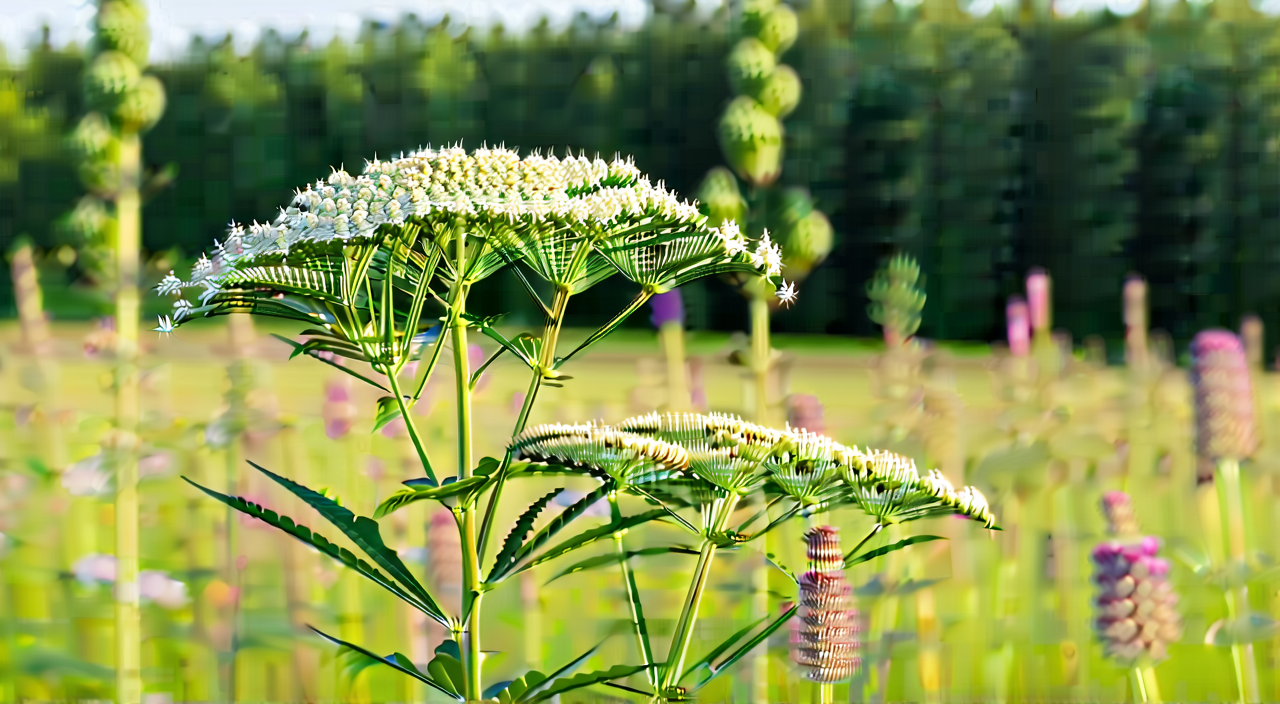
Plant Form and Leaf Characteristics
Pei Lan is generally a perennial herb. Its stems are cylindrical and tend to grow upright, reaching a certain height when mature. The stem surface may have fine longitudinal ridges and does not typically have the distinctly square shape often associated with patchouli. The leaves are mostly opposite, although some botanical descriptions and field observations may show an approximately whorled arrangement. The leaves are usually ovate, oblong-ovate, or elliptic, with serrated margins and pointed tips.
When identifying what Pei Lan looks like, leaf color and size alone are not sufficient. Growing conditions, harvest time, and the part of the plant being examined can all affect its appearance. Fresh plants usually have a relatively distinct herbal scent. After drying, the leaves become thinner and darker, the stems and leaves can break more easily, and the aroma may weaken with prolonged storage.
Flower Heads and Aroma
Pei Lan produces capitula, in which numerous small flowers gather to form flower heads. These are often arranged in branching patterns or clusters toward the upper part of the plant. Individual flower heads are not large, so identification should focus on the overall flower-head structure rather than mistaking them for flowers of an orchid plant.
Rubbing the leaves or stems usually releases a noticeable aromatic scent, which is an important supplementary identification feature. The strength and character of the scent can be affected by the growing region, harvest season, drying method, and packaging conditions. For this reason, aroma should be used only as a reference and cannot replace botanical identification or formal medicinal-herb testing. Herbs of unclear origin, or those that are moldy, damp, or unusually scented, should not be used solely on the basis of their appearance.
Which Parts of Pei Lan Are Used Medicinally?
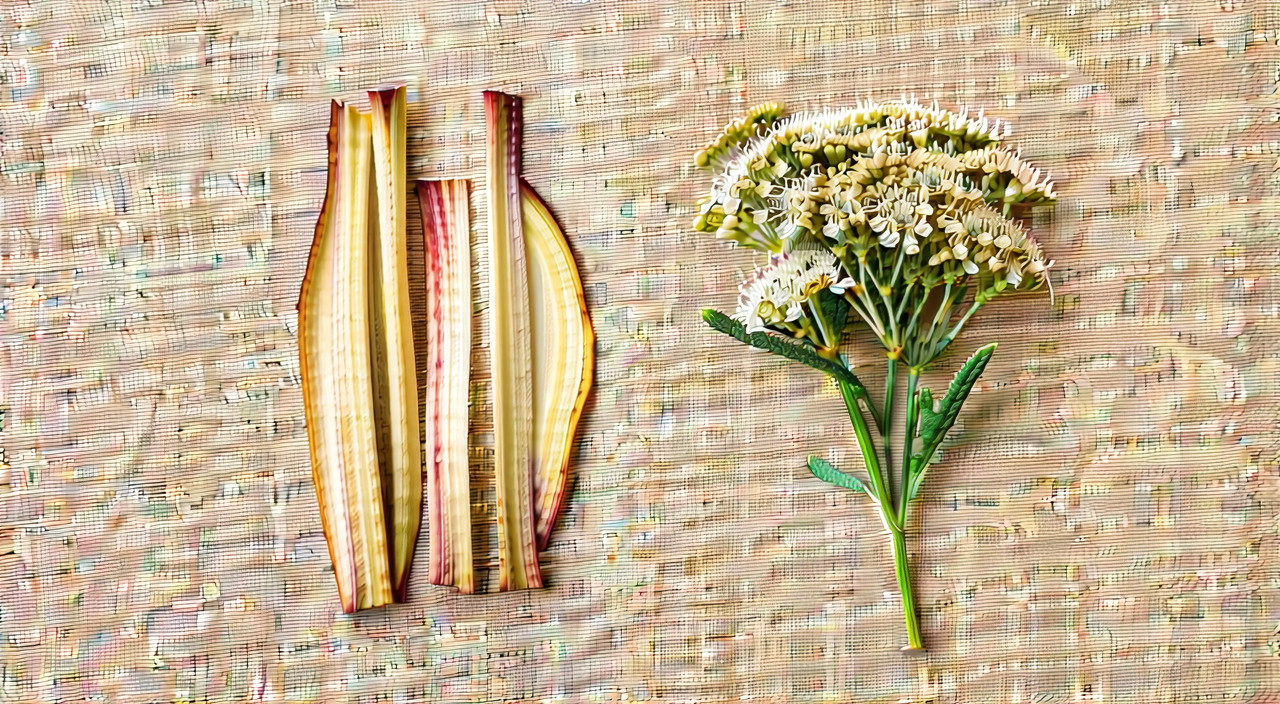
The main medicinal part of Pei Lan is the aerial portion of the plant, meaning the stems, leaves, and related upper tissues above the soil. The roots and flowers in the ornamental sense are not the primary medicinal parts. Traditional medicinal material is usually harvested in summer or autumn, when the plant is growing vigorously or its aromatic components are more pronounced. After impurities are removed, it is sorted, shade-dried, or dried using an appropriate method, then cut into sections for medicinal use.
How to Examine the Dried Herb
Processed Pei Lan slices are usually irregular segments containing a mixture of stems and leaves. Their color may range from yellowish green to brownish green. Normal medicinal material generally has the characteristic aromatic scent of the herb. The cut surfaces and leaves should remain relatively dry and should not show obvious mold, insect damage, or unusual sour or rancid odors. The exact appearance may vary according to processing specifications, so no single color or length should be treated as the only identification standard.
Pei Lan contains volatile components, so it should be stored away from moisture and light and kept in a sealed container. It should not be stored for long periods with strongly scented items. Exposure to moisture can affect the aroma and increase the risk of deterioration. If home-stored material shows obvious mold, clumping, unusual odors, or damaged packaging, stop using it and consult a professional about proper disposal or handling.
How Is Pei Lan Understood in Traditional Chinese Medicine?
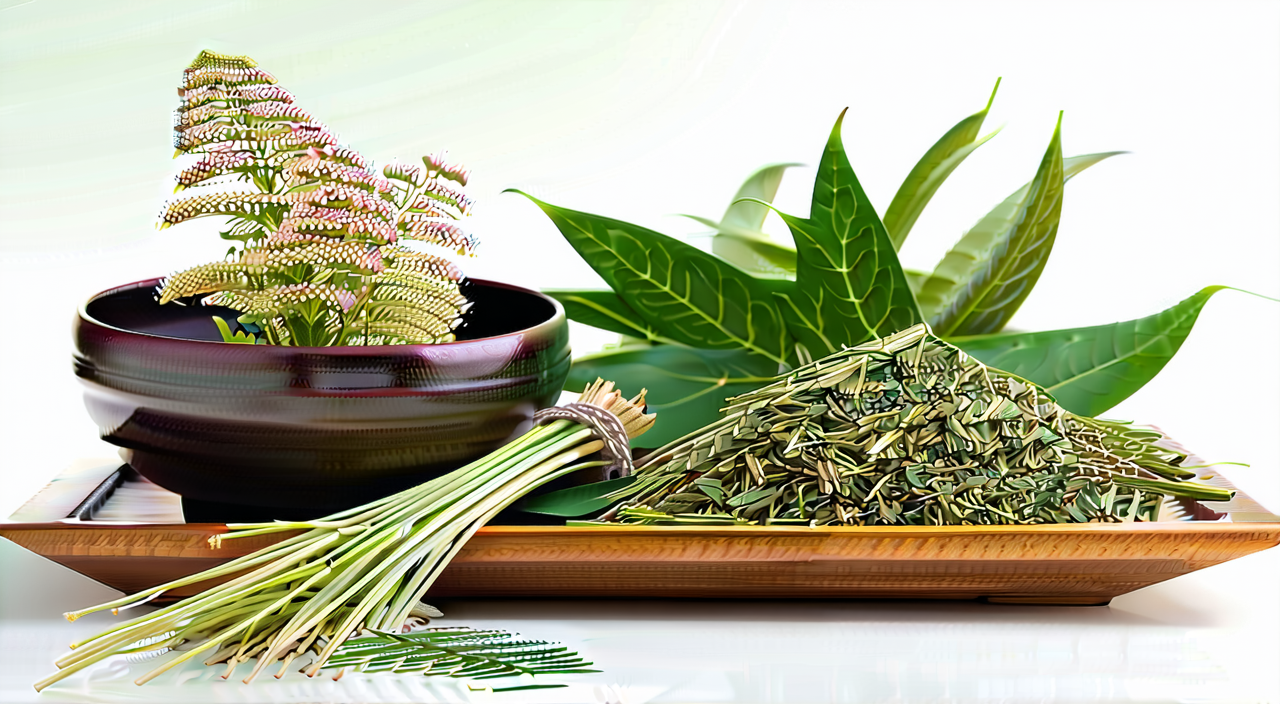
Traditional Chinese medicine commonly understands Pei Lan from the perspectives of resolving dampness through aromatic herbs, promoting spleen function and appetite, and releasing the exterior to relieve summer heat. In this context, “dampness” is a concept within traditional Chinese medicine theory and does not directly correspond to a specific disease or test result in modern medicine. The aromatic properties of these herbs are often used to describe their directional role in herbal combinations.
Resolving Dampness and Promoting Digestion
In traditional applications, Pei Lan is often used for patterns associated with pronounced dampness and impaired spleen transportation and transformation, which may involve a sticky sensation in the mouth, poor appetite, or discomfort in the chest and abdomen. It may be combined with herbs such as patchouli, Magnolia bark, and round cardamom, which are also aromatic or qi-regulating herbs. However, the ingredients and therapeutic focus of different formulas vary, so a formula should not be selected based on a single symptom alone.
The Traditional Approach to Releasing the Exterior and Relieving Summer Heat
In traditional approaches to managing summer heat and dampness, Pei Lan may also be used together with other herbs. However, fever, persistent vomiting, significant diarrhea, severe abdominal pain, altered consciousness, or signs of dehydration may require prompt modern medical evaluation and should not be managed solely with aromatic herbs.
How Can Modern Research Be Understood?
Modern research examines Pei Lan from perspectives including volatile components, phytochemicals, in vitro experiments, and animal studies. Some studies have investigated aroma-related constituents and experimental findings related to antioxidant, antimicrobial, or digestive-system activity. However, laboratory results do not equal actual effects in humans and cannot support promises of disease prevention or treatment.
The quality of Pei Lan may also be affected by species identification, growing region, harvest period, processing method, and storage conditions. When evaluating online claims about a single constituent or experimental result, it is important to distinguish between basic research, animal studies, and clinical evidence. People who take prescription medicines, have chronic health conditions, or need to use herbal products for an extended period should consult a doctor, Chinese medicine practitioner, or another qualified professional first.
What Is the Difference Between Pei Lan, Patchouli, and Ze Lan?
Pei Lan and patchouli are both traditional aromatic Chinese medicinal herbs with similar scents, so they are easily confused in folk identification and commercial circulation. Generally speaking, patchouli stems are often square or distinctly angular. Its leaves are usually opposite, and the leaf surface may show more noticeable texture and hairiness. Its flowers are commonly arranged in verticillasters or spike-like inflorescences. Pei Lan, by contrast, usually has cylindrical stems, and its capitula are an important feature to observe during identification.
Both herbs can be aromatic, but the strength and nuances of their scents vary with the condition of the medicinal material. Patchouli is often described as having a fuller, stronger aroma, while Pei Lan has its own clear, fresh fragrance. Such descriptions are somewhat subjective, however.
Ze Lan is not the same medicinal herb as Pei Lan. Ze Lan generally refers to another type of medicinal plant. It may also have opposite leaves and serrated margins, but its stem shape, leaf texture, inflorescence, and aroma differ from those of Pei Lan. Because commercial herbal slices may already be cut into short sections, visual identification can be more difficult. When purchasing or using these products, choose clearly sourced herbs with standardized labeling, and seek professional identification when necessary.
Which Formulas Contain Pei Lan?
Pei Lan Yin
Pei Lan Yin is one of the traditional formula names associated with Pei Lan, but its exact ingredients and combinations may differ among classical texts, regions, and preparation references. It can generally be understood as an example of the traditional approach of using Pei Lan to resolve dampness through aromatic herbs and harmonize the middle burner. The name of a formula alone cannot determine who should use it, and a fixed recipe found online should not be treated as an individualized treatment plan.
Huo Po Xia Ling Tang Modifications
Huo Po Xia Ling Tang is a traditional formula associated with approaches to damp-warmth and summer-dampness patterns. In clinical or traditional use, modifications may be made according to the presentation, and some modifications may include Pei Lan. The herbs, proportions, and method of use should be determined according to the specific pattern, so the formula should not be simplistically regarded as suitable for everyone with digestive discomfort or symptoms related to heat and summer.
Formulas for Resolving Dampness Through Aromatic Herbs
In formulas that resolve dampness through aromatic herbs, Pei Lan may sometimes be combined with patchouli, Magnolia bark, aged tangerine peel, round cardamom, and other medicinal materials for different traditional purposes. Whether it is needed, which combination should be selected, and how long it should be used should be assessed together with constitution, age, changes in symptoms, current medications, and product instructions. If symptoms are severe, persistent, or recurrent, consult a doctor or a qualified Chinese medicine professional promptly.
What Precautions Should Be Taken When Using Pei Lan?
Although Pei Lan is a common traditional medicinal herb, this does not mean that it is suitable for everyone or can be used freely over long periods. In traditional Chinese medicine theory, people who tend toward yin deficiency with heat signs, dry mouth and throat, or a red tongue with little moisture should be especially cautious before using herbs that aromatically dry dampness. Professional pattern assessment is preferable. Whether these characteristics apply cannot be determined reliably from only one or two personal observations.
Some people may experience stomach discomfort, nausea, changes in appetite, or other unwanted reactions after using aromatic herbs. If discomfort occurs, stop self-directed use and seek professional advice. People who are pregnant, trying to conceive, or breastfeeding, as well as children, older adults, and those taking multiple medications, should inform their doctor or pharmacist before use to reduce risks caused by incomplete information.
Because Pei Lan contains volatile components, it should be sealed and stored away from moisture and light, with attention paid to its expiration date and packaging condition. Do not use herbs of unknown origin, material that is damp or moldy, or herbs with a distinctly abnormal odor. Persistent vomiting, black stools, unexplained weight loss, significant chest tightness or palpitations, abnormal breathing, severe abdominal pain, or ongoing psychological distress such as anxiety or depression requires prompt medical advice rather than self-treatment with Pei Lan or related formulas.
Summary
Pei Lan is an aromatic traditional Chinese medicinal herb used in the form of its dried aerial parts. Identification can involve observing its cylindrical stems, serrated leaves, capitula, and the aroma released when the plant is rubbed, while distinguishing it from orchids, patchouli, and Ze Lan. Pei Lan Yin, modified Huo Po Xia Ling Tang, and other formulas for resolving dampness through aromatic herbs represent traditional directions of use. However, suitability should still be assessed according to individual constitution, symptoms, product instructions, and professional advice. This article is for educational reference only and cannot replace diagnosis or treatment recommendations.