
What Is Ze Lan? Medicinal Parts, Identification Methods, and Common Formulas
When looking up traditional Chinese medicinal materials, people often encounter the name “Ze Lan.” It can refer to a common Chinese herbal medicine, but it is also easily confused with some local plants that share the same name. Understanding what Ze Lan actually is, what it looks like, which part is used medicinally, and how it differs from easily confused herbs such as Yi Mu Cao is the first step toward correctly recognizing it. This article systematically reviews its appearance and identification, medicinal parts, traditional usage ideas, related formulas, and precautions for use.
What Does Ze Lan Look Like? How to Identify It?
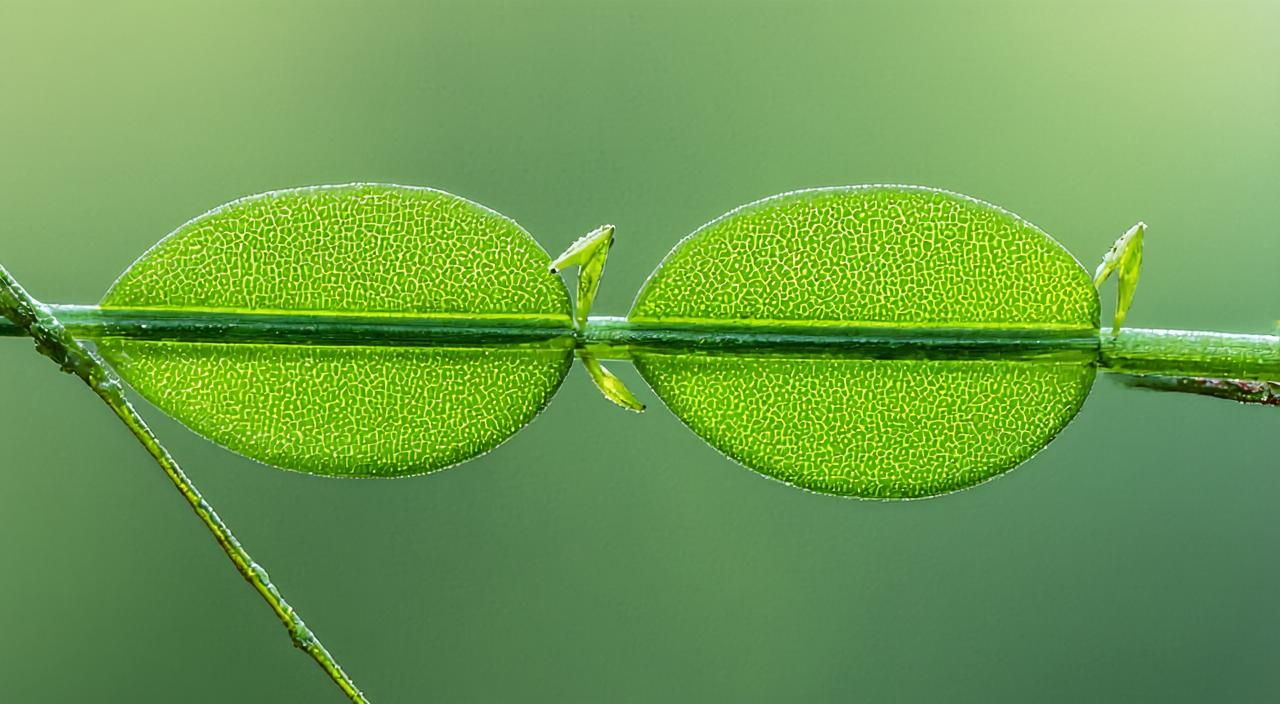
The original plant of Ze Lan is the Lamiaceae plant Lycopus lucidus var. hirtus (Mao Ye Di Gua Er Miao), and its medicinal part is the dried aerial part. To identify it accurately, you can begin with the following key features.
Stem Morphology
The stem of Ze Lan is square, a typical characteristic of plants in the Lamiaceae family. The stem surface has longitudinal ridges, the nodes are slightly swollen, and the surface often bears fine soft hairs. When touched, the stem does not feel completely smooth. The dried medicinal material is yellowish-green or tinged with purple-brown, relatively brittle and easy to break. The cross-section usually shows a white pith, but it may sometimes be hollow.
Leaf Characteristics
The leaves of Ze Lan are opposite, meaning two leaves grow opposite each other at each node. The leaf blade is lanceolate or oblong-lanceolate, with a pointed apex, a gradually narrowed base, and relatively sharp serrations on the margin. The upper surface is green, while the underside is lighter in color. Both surfaces are covered with short soft hairs and densely dotted with glandular dots. In dried medicinal material, the leaves are often wrinkled or broken, but the serrated margins and opposite arrangement can still be observed on careful inspection.
Inflorescence and Flower Color
The inflorescence of Ze Lan is a verticillaster, with many small flowers densely whorled in the leaf axils on the upper part of the stem. The corolla is labiate, mainly purplish-red or pale purplish-red, and there is also a white variant. This color feature helps distinguish it from some related plants with white or pale yellow flowers. Overall, when in bloom, the upper stem and branches form clusters of flowers, rather than the slender spike-like arrangement seen in Yi Mu Cao.
By combining the three key points—square stems, opposite lanceolate leaves with obvious serrations, and verticillasters with purplish-red flowers—you can basically form a visual impression of Ze Lan. These stable characteristics can be used as references when observing plants in the field or selecting dried medicinal material.
What Is the Medicinal Part of Ze Lan?
In traditional Chinese medicine, the medicinal part of Ze Lan is clearly defined as the dried aerial part of the Lamiaceae plant Lycopus lucidus var. hirtus. In this context, the aerial part refers to the entire aboveground herb, including the stems, leaves, and flowers, but not the roots or rhizomes.
Harvesting usually takes place in summer and autumn, when the stems and leaves are growing vigorously and some flowers have not yet fully opened. After cutting the aerial part, impurities and soil are removed, and it can be dried directly in the sun or cut into sections before drying. The dried decoction pieces are irregular small segments; the stems are square, the leaves are mostly broken, and scattered purplish-red inflorescence fragments are often present. The odor is faint and the taste is mild.
It is important to note that some folk plants with similar names are also called “Ze Lan,” but they come from different sources. For example, in some regions, plants in the Asteraceae family are habitually called Ze Lan, but these are not the species stipulated in the pharmacopoeia. Therefore, when learning about and using this herb, attention should be paid to whether the plant source is Lycopus lucidus var. hirtus and whether the aerial part is being used, so as to reduce the risks caused by misidentification of the source.
How Does Traditional Chinese Medicine Understand Ze Lan?
Within the traditional Chinese medicine framework, Ze Lan is not regarded as a harsh or aggressive drug, but rather as a cautious regulating option in several directions. Its nature and flavor are often recorded as bitter and acrid, slightly warm, and it enters the liver and spleen meridians. Based on this understanding, physicians throughout history have explored its use in the following aspects.
Invigorating Blood and Regulating Menstruation
Ze Lan has accumulated considerable experience in women’s menstrual and postpartum related directions. Traditionally, it is considered acrid and dispersing, warm and unblocking, able to invigorate blood and dissolve stasis, with a relatively gentle action that does not easily become excessively dispersive. For delayed menstruation, menstrual abdominal pain, and amenorrhea caused by poor circulation of qi and blood, it is often included in combination strategies. In many formulas, Ze Lan is combined with Dang Gui (Chinese angelica), Chuan Xiong (Ligusticum chuanxiong), Chi Shao (red peony root), and other herbs to jointly form the approach of invigorating and nourishing blood.
Dispelling Stasis and Reducing Abscesses
Because of its blood-invigorating property, Ze Lan is also found in some traditional empirical formulas related to long-standing stasis or sores and abscesses. For example, when local bruising and swelling occur after traumatic injury, or when an abscess is in the early stage before pus has formed, traditional practice may consider adding Ze Lan to help disperse stasis. However, such use usually needs to be judged in light of the specific wound condition, with attention to cleanliness and infection prevention. Basic external management of sores and ulcers should not be neglected.
Promoting Diuresis and Relieving Edema
In addition, Ze Lan is attributed with the function of promoting diuresis and relieving edema. For postpartum difficult urination and limb edema, some ancient texts record the combination of Ze Lan with diuretic herbs such as Fu Ling (poria), Zhu Ling (Polyporus), and Fang Ji (Stephania root). This application is closely related to the traditional understanding of “treating blood and water together,” meaning that it helps fluid circulation through invigorating blood, rather than acting simply as a diuretic.
It should be noted that the above are all traditional empirical understandings. Whether to use it and how to combine it with other herbs still needs to be based on individual constitution, symptom presentation, and comprehensive evaluation by professionals. Ancient formulas should not be directly applied on one’s own.
Brief Overview of Modern Related Research
In recent years, some studies have made preliminary explorations of the chemical constituents and pharmacological activities of Ze Lan. Phytochemical analysis shows that Ze Lan contains volatile oils, flavonoids, phenolic acids, triterpenes, and other substances. Some in vitro and animal experiments suggest that Ze Lan extracts may show certain activity in anticoagulation, improving microcirculation, and anti-inflammatory effects. However, most of these studies are still at the laboratory stage and are still far from forming clear recommendations for human use. Therefore, this information can currently only serve as background scientific knowledge and should not be equated with clinical efficacy.
What Are the Differences Between Ze Lan, Yi Mu Cao, and Pei Lan?
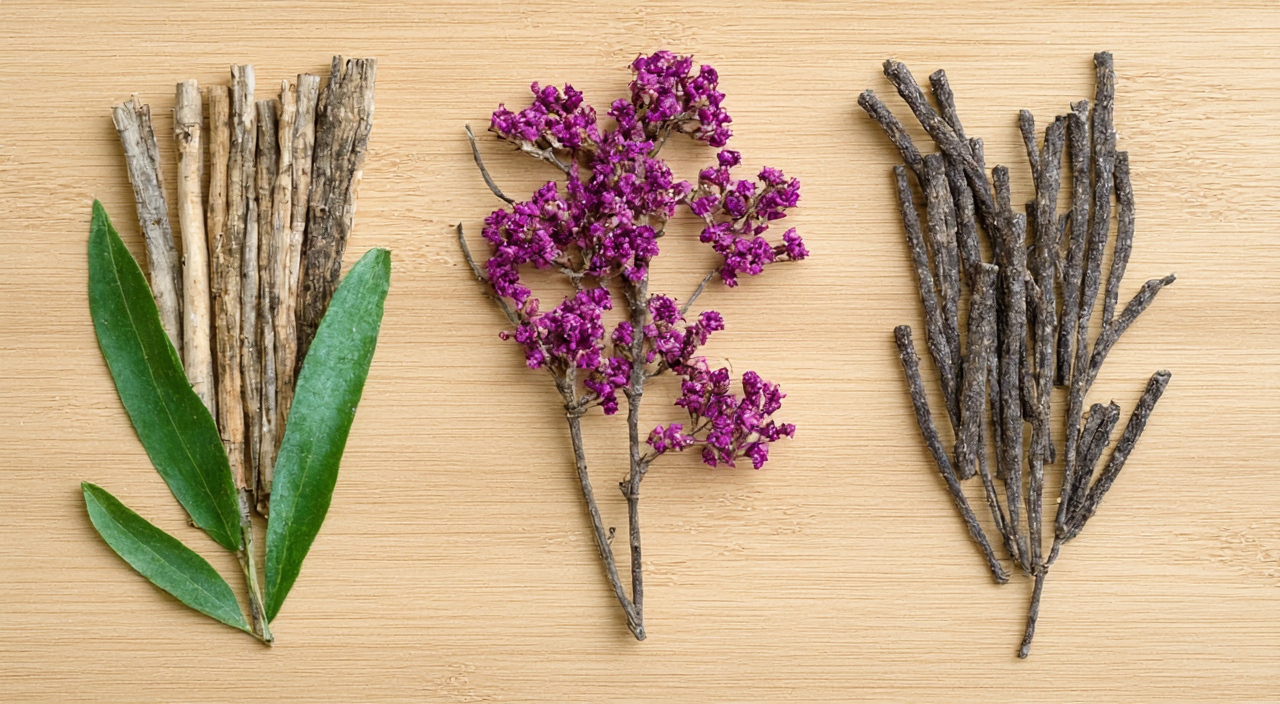
Ze Lan, Yi Mu Cao, and Pei Lan are three different plants, but because of similarities in name or function, they are easily confused. Distinguishing their differences helps to understand more accurately the positioning of each medicinal herb.
Differences Between Ze Lan and Yi Mu Cao
Yi Mu Cao is also a Lamiaceae plant, but it belongs to the genus Leonurus, while Ze Lan belongs to the genus Lycopus. In appearance, the leaf shape of Yi Mu Cao is variable: the basal leaves are nearly round, and the middle stem leaves are often palmately three-lobed, with the lobes further divided. This is clearly different from the unlobed lanceolate leaves of Ze Lan. The flowers of Yi Mu Cao also form verticillasters, but they are axillary and arranged upward into a longer spike-like inflorescence, with corolla color mostly ranging from pink to purplish-red. In traditional functions, although both can be classified within the category of invigorating blood and regulating menstruation, Yi Mu Cao leans more toward “regulating menstruation” and “promoting diuresis,” whereas Ze Lan is used somewhat more frequently for “dispelling stasis and reducing abscesses” and “promoting diuresis.” Whether they can substitute for each other requires syndrome differentiation and cannot be simply exchanged.
Differences Between Ze Lan and Pei Lan
Pei Lan is an Asteraceae plant and differs greatly from Ze Lan in appearance. Its stem is cylindrical, not square. The leaves are opposite and usually three-parted or deeply lobed, with serrated margins. When the plant is crushed, it gives off an obvious aromatic odor. Traditionally, Pei Lan is mostly used to transform dampness and invigorate the spleen, as well as to relieve summer heat and eliminate turbid pathogens. It belongs to the aromatic dampness-transforming category, which is different from Ze Lan’s direction of invigorating blood, dissolving stasis, and promoting diuresis and relieving edema. Although both names contain the character “Lan,” their plant families, morphology, odor, and traditional uses are completely different, so they should not be used interchangeably.
Which Formulas Use Ze Lan?
In formulary texts throughout history, Ze Lan often appears as one ingredient in a formula, rather than being used alone. The following lists several representative formula directions to help understand its traditional scope of application.
Ze Lan Tang (Ze Lan Decoction)
There are several formulas of the same name, among which the Ze Lan Tang recorded in Fu Ren Da Quan Liang Fang (The Great Compendium of Formulas for Women) is relatively representative. This formula commonly combines Ze Lan with Dang Gui, Shao Yao, Shu Di Huang, Niu Xi, and other herbs. Traditionally, it is used for postpartum blood deficiency with blood stasis, incomplete lochia, and lower abdominal pain. The composition of Ze Lan Tang varies slightly in different medical texts, but the general approach centers on invigorating blood and nourishing blood.
Ze Lan San (Ze Lan Powder)
Ze Lan San is also found in multiple formulary texts. It often grinds Ze Lan with Dang Gui, Chuan Xiong, Bai Zhu, and other herbs into a powder. Its traditional direction mostly points to menstrual irregularities, stabbing pain around the navel and abdomen, or postpartum blood stasis that has not been fully cleared, caused by blood deficiency with stasis in women. Compared with decoctions, powders are more convenient to take, but attention should be paid to the dosage per administration and the applicable scope.
Formulas for Invigorating Blood and Regulating Menstruation
In broader categories of formulas for invigorating blood and regulating menstruation, Ze Lan is often used in combination. For example, in modifications of menstrual-regulating formulas, if blood stasis is judged to be relatively obvious and accompanied by mild water-dampness retention, practitioners may consider adding Ze Lan. It is often used together with Dan Shen (salvia root), Yi Mu Cao, Tao Ren (peach kernel), Hong Hua (safflower), and other herbs, but the specific combinations and dosages vary from person to person and are highly flexible.
Postpartum Stasis-Resolving Formulas
In postpartum-oriented formulas, such as certain modified versions of Sheng Hua Tang (Blood-Forming Decoction), Ze Lan is occasionally added to strengthen the power of dispersing stasis, especially when there is lower abdominal pain with masses, poor lochia, and mild edema. However, postpartum constitution is special, and qi and blood are often deficient. Such formulas must be considered only with accurate syndrome differentiation and professional guidance, and should not be applied blindly.
What Precautions Should Be Taken When Using Ze Lan?
Although Ze Lan is relatively common in traditional use, several important precautions still need to be made clear.
First, it should be avoided during pregnancy. Ze Lan has a relatively strong blood-invigorating effect, and traditional experience holds that use by pregnant women carries a risk of miscarriage or premature birth. Whether it is suitable during the preconception stage should also be determined based on individual constitution and professional evaluation.
Second, people with bleeding tendencies need to be especially cautious. If one often experiences bleeding gums, subcutaneous bruising, obviously heavy menstrual bleeding, or is taking anticoagulant drugs, the safety of using Ze Lan should be fully assessed before use to avoid aggravating the bleeding tendency.
Furthermore, dosage and combination during menstruation should be carefully considered. For women who already have heavy menstrual flow, rash use of blood-invigorating and stasis-resolving herbs during menstruation may lead to a further increase in bleeding. Whether and how to use it should be decided after evaluation by a professional.
In addition, misidentification of the source is a practical risk. Plants that are not the pharmacopoeia-specified species may be mixed in and used as Ze Lan, which may produce different effects or even safety hazards. Whether collecting by oneself or purchasing the herb, one should ensure that the source is clear and the species is accurate.
Finally, if severe, long-term, or recurrently worsening symptoms occur, especially if accompanied by obvious pain, severe abdominal discomfort, persistent bleeding, or abnormal weight loss, one should not rely solely on a single medicinal herb for regulation. Instead, a doctor should be consulted promptly for systematic diagnosis.
Summary
As a traditional blood-invigorating and stasis-resolving herb, Ze Lan has accumulated rich experience in invigorating blood and regulating menstruation, dispelling stasis and reducing abscesses, and promoting diuresis and relieving edema. However, identification requires grasping key features such as square stems, opposite lanceolate leaves, and purplish-red verticillasters, and clearly distinguishing it from easily confused species such as Yi Mu Cao and Pei Lan. Formulas containing Ze Lan, such as Ze Lan Tang, Ze Lan San, and postpartum stasis-resolving formulas, represent traditional application ideas only. Whether they are truly suitable still needs to be judged according to individual constitution and specific circumstances. This article is for popular science reference only and cannot replace professional diagnosis or treatment advice. If you have health concerns, please consult a qualified traditional Chinese medicine professional.