
What Is Loofah Collateral? Medicinal Parts, Identification, and Common Formulas
Many people first encounter loofah collateral in the kitchen or among bathing products. It can serve as a common natural cleaning material and also comes from a plant source related to the Chinese medicinal herb known as loofah collateral. So, what exactly is loofah collateral? Which part is used medicinally, and how is it related to the loofah sponge commonly used in daily life? The following sections explain its appearance, source, traditional applications, and precautions.
Loofah collateral comes from the mature fruit of the loofah plant. After the fruit has fully matured, its skin and pulp are removed, leaving the interwoven vascular bundles inside. These are then cleaned and dried. Household loofah sponges and the medicinal material have similar botanical origins, but the cultivation, processing, cleaning, and quality standards for household products may not meet medicinal requirements. Similar appearance alone does not mean that a household loofah sponge can be used as a medicinal herb.
What Does Loofah Collateral Look Like? How Can It Be Identified?
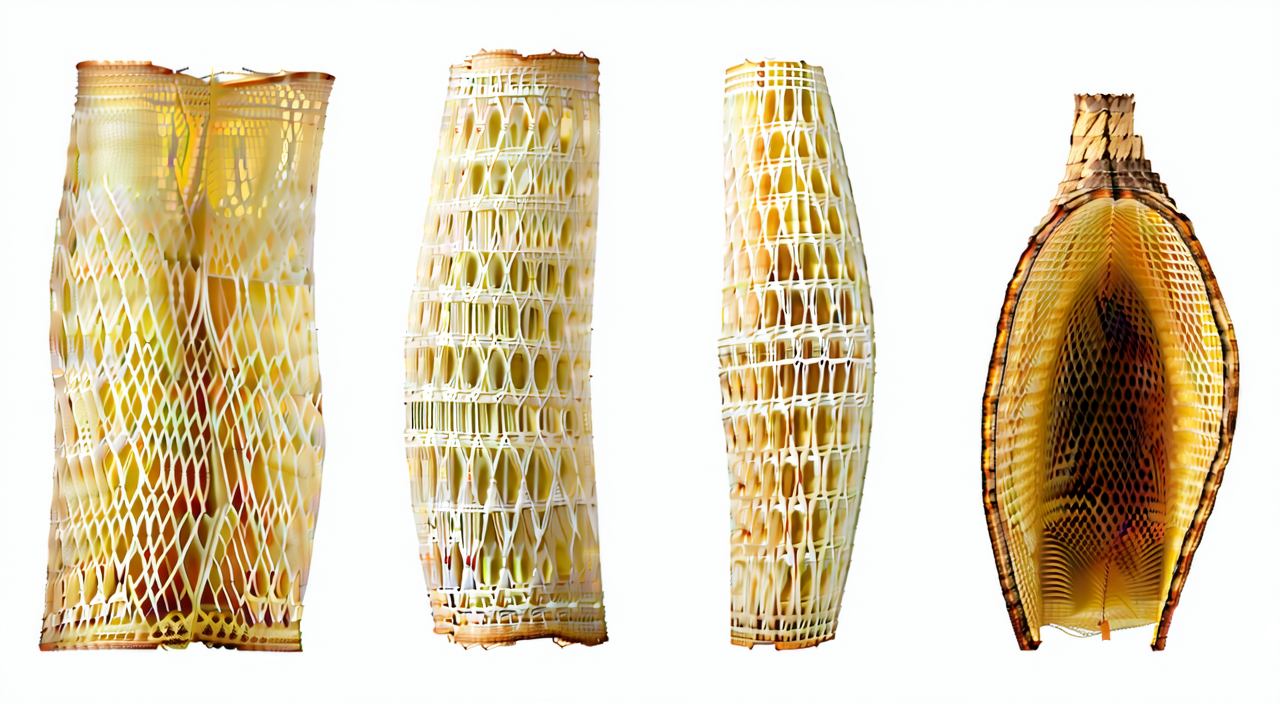
In appearance, loofah collateral is usually long, cylindrical, or slightly curved. It consists of many interwoven fibers of different thicknesses, resembling a three-dimensional natural mesh. Its color is generally yellowish white, pale yellow, or yellowish brown, with relatively regular longitudinal and transverse patterns visible on the surface. Because the pulp has been removed, the interior is often hollow, and some areas may show gaps left behind after the seeds have fallen out.
Good-quality loofah collateral is generally lightweight and somewhat elastic. When compressed, it can recover its original shape to a certain extent. The fibers should be firmly connected and should not be excessively damp, moldy, or associated with a strong irritating odor. The cross-section should mainly show a netlike, fibrous structure rather than a dense, woody cut surface.
Identification should take shape, color, odor, and texture into account. Naturally dried loofah collateral may vary in color and fiber thickness, which are common visual differences in plant materials. If the material has obvious artificial coloring, oil stains, cleaning-product residue, or has been used for washing dishes or bathing before being stored as a medicinal herb, it is not suitable for consideration as medicinal material.
Which Part of Loofah Collateral Is Used Medicinally?
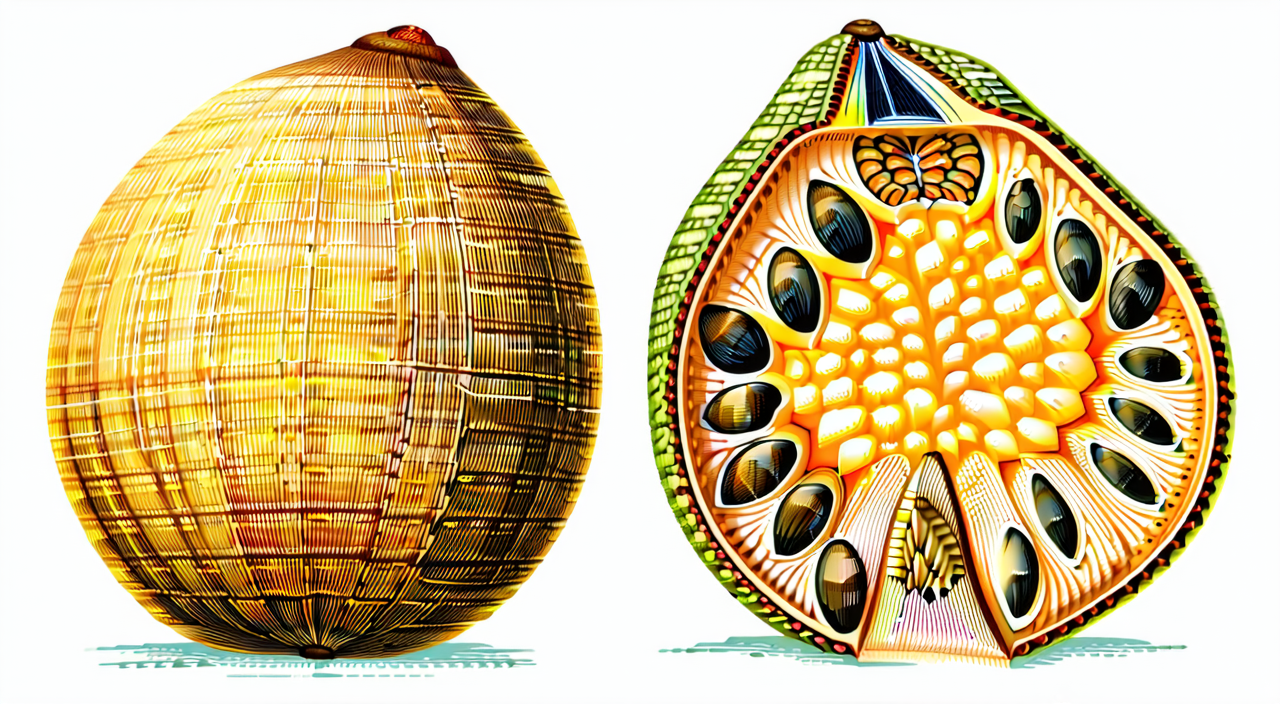
The medicinal part of loofah collateral is the vascular bundle within the mature loofah fruit. This is the fibrous tissue that supports the fruit and transports water and nutrients. It is not the leaf, flower, vine, or pulp of an immature loofah. Traditional processing generally uses mature fruits, removes the skin, pulp, and seeds, then cleans, washes or sorts, and thoroughly dries the material for storage.
“Loofah sponge” is a more familiar everyday term and usually refers to the fibrous network left after the skin and pulp of a mature loofah have been removed. In terms of botanical origin and appearance, it is closely related to loofah collateral and is sometimes used interchangeably in folk practice. However, the herb name, place of origin, harvest maturity, processing methods, and testing standards may differ. Household loofah sponge should therefore not automatically be considered equivalent to loofah collateral that meets medicinal standards.
When identifying medicinal material, appearance should be considered together with its source, packaging information, storage conditions, and the presence of reliable quality markings. For overseas users, the classification and import requirements for herbal materials may vary by region. Before use, consult local regulations and a qualified professional.
How Does Traditional Chinese Medicine Understand Loofah Collateral?
Traditional Chinese medicine often understands loofah collateral from the perspective of the “channels” and the concept of promoting free flow. In relevant classical materia medica records and traditional practice, loofah collateral is commonly associated with dispelling wind and opening the channels, promoting blood circulation and opening the channels, and promoting lactation. It may also be used in traditional approaches related to painful obstruction, discomfort in the chest and hypochondrium, and insufficient milk flow. Here, “opening the channels” is a term from Chinese medicine theory and does not correspond to a modern medical diagnosis or treatment for a specific disease.
In traditional formulas, loofah collateral usually does not determine the therapeutic direction on its own. Instead, it is combined with other herbs according to symptoms, constitution, and overall pattern differentiation. For example, when the traditional approach focuses on wind-dampness obstruction and impaired channel flow, the combination may emphasize dispelling wind, dispersing cold, eliminating dampness, or promoting blood circulation. When milk flow is insufficient, the formulation may also be based on principles such as tonification, regulating qi, or promoting lactation. Specific combinations and dosages should not be copied solely from online information.
It is important to note that “insufficient milk flow” in traditional Chinese medicine is not the same concept as breast infection, breast disease, or other modern medical conditions. If the breast becomes red, swollen, hot, or distinctly painful, if a lump worsens, or if fever occurs, seek medical advice promptly rather than relying solely on traditional herbs.
What Does Modern Research Say About Loofah Collateral?
Modern research generally examines loofah collateral in terms of its phytochemical constituents, tissue structure, extract activity, and quality control. Some studies focus on its fibrous substances, flavonoids, or other plant compounds and explore their possible pharmacological effects. However, laboratory research, animal studies, and in vitro observations differ from actual human use. A single study cannot establish a specific effect or replace clinical judgment.
Research on loofah collateral may also be affected by the plant variety, degree of maturity, place of origin, processing method, extraction method, and sample quality. Modern research can therefore supplement an understanding of traditional herbs, but it cannot be treated as a guarantee of the effects of a particular formula or of an individual’s experience. If symptoms are persistent or recurrent, or if you are taking other medications, tell your doctor or a qualified traditional Chinese medicine practitioner.
How Does Loofah Collateral Differ from Mu Tong and Lu Lu Tong?
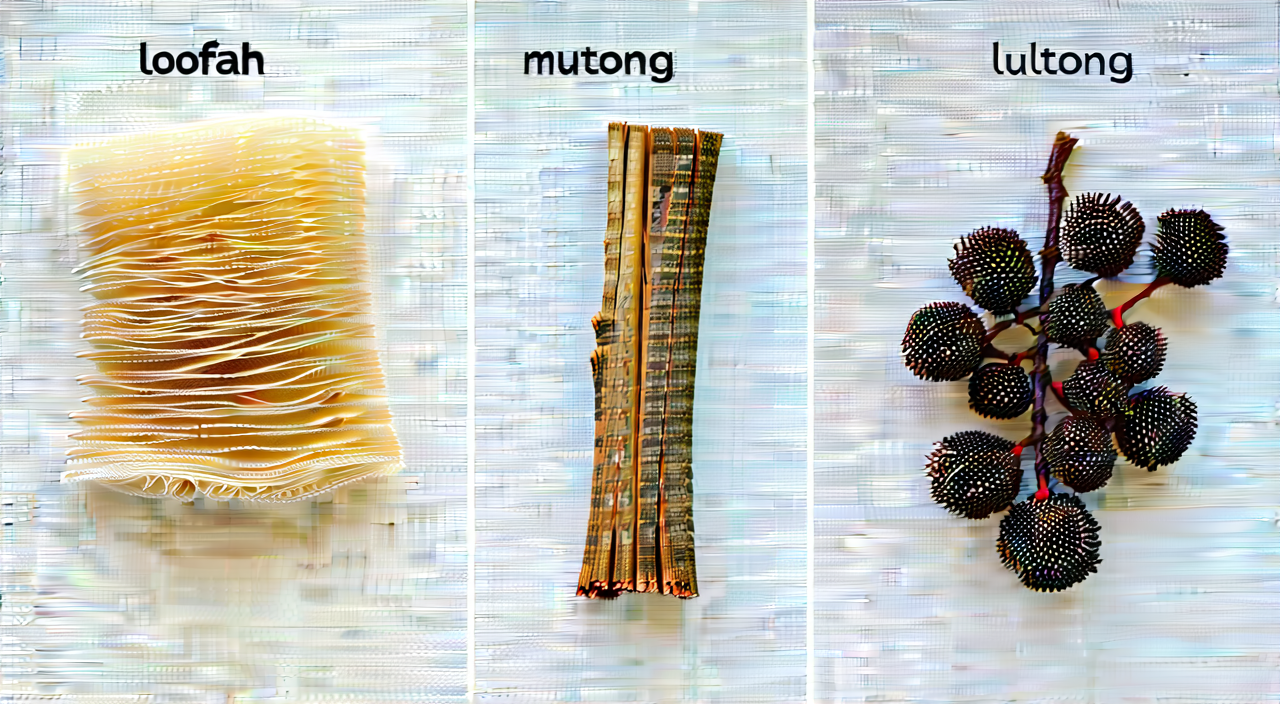
Loofah collateral, Mu Tong, and Lu Lu Tong may all appear in traditional discussions related to opening the channels, but their sources and appearances are different. They should not be substituted for one another simply because their names all contain the idea of “free flow.”
| Herb | Main source and appearance | Traditional emphasis |
|---|---|---|
| Loofah collateral | Vascular bundles from the mature loofah fruit; lightweight, cylindrical, and composed of network-like fibers | Commonly understood in terms of dispelling wind and opening the channels, promoting blood circulation and opening the channels, and promoting lactation |
| Mu Tong | Vine stems from plants in the Lardizabalaceae family and related plants; usually cylindrical stem sections that may show woody tissue | Traditionally discussed in terms of promoting urination, treating urinary difficulty, regulating menstruation, and promoting lactation; the specific species must be distinguished |
| Lu Lu Tong | Mature fruit clusters of plants such as the sweetgum tree, usually spherical or porous aggregate fruits | Traditionally understood in terms of dispelling wind, opening the channels, promoting urination, and promoting lactation |
Actual identification should not rely on the name alone. The original plant, cross-section, odor, specifications, and source should also be considered. Mu Tong is particularly associated with different sources and species, so it should be used according to reliable medicinal-material information and professional advice rather than being replaced with a similar material.
Which Formulas Contain Loofah Collateral?
Traditional formula records include names such as Loofah Collateral Decoction and Loofah Collateral Powder. Some formulas for promoting lactation and opening the channels also use loofah collateral as a combining herb. The ingredients, dosages, processing methods, and indications recorded in different medical texts, schools, and regions may not be identical. Formulas with the same name may also differ, so the name alone does not represent a fixed treatment plan.
Loofah Collateral Decoction can generally be viewed as a traditional formula name that illustrates the principles of combining loofah collateral with other herbs. Loofah Collateral Powder is commonly recorded as a traditional formula prepared in powder form. Formulas for promoting lactation and opening the channels often require pattern differentiation based on postpartum status, milk flow, pain, and local symptoms. A single herb or fixed formula should not be applied to everyone.
If you are breastfeeding, trying to conceive, pregnant, or taking prescription medicines, anticoagulant drugs, or antiplatelet medications, consult a doctor or qualified professional before choosing a formula or herbal product containing loofah collateral. Consider the product information, herb quality, personal constitution, and symptoms together rather than making a decision based only on traditional descriptions such as “opening the channels” or “promoting lactation.”
What Precautions Should Be Taken When Using Loofah Collateral?
First, distinguish medicinal herbs from household products. A loofah sponge used for washing dishes, bathing, or cleaning, or stored for a long time in a damp environment, may have been exposed to cleaning products, oil, microorganisms, or other contaminants. Even if it appears intact, it should not be directly decocted or taken as a medicinal herb. Medicinal material should come from a clear source, undergo appropriate processing, and meet relevant quality requirements.
Second, people who are pregnant, trying to conceive, breastfeeding, prone to bleeding, or taking medicines that affect blood clotting should seek professional advice before use. Children, older adults, people with chronic conditions, and those with impaired liver or kidney function should not use it long term based solely on personal experience. Any herb or formula may produce different reactions depending on individual differences, dosage, combinations, and product quality.
If the breast becomes red, swollen, hot, or distinctly painful, or if these symptoms are accompanied by fever, chills, or purulent discharge, seek medical care promptly. If discomfort is severe, persistent, or recurrent, or if it is accompanied by significant anxiety, depression, palpitations, chest tightness, abnormal breathing, severe abdominal pain, persistent vomiting, black stools, or unexplained weight loss, consult a doctor without delay. Do not use loofah collateral or related formulas as a substitute for necessary medical evaluation and treatment.
This article is intended only as general educational information about traditional Chinese medicinal materials and cannot replace a doctor’s diagnosis, treatment, or individualized medication advice.
Summary
Loofah collateral is the vascular bundle left after the skin, pulp, and seeds are removed from a mature loofah fruit and the material is dried. It is characterized by lightweight, yellowish-white or yellowish-brown, network-like cylindrical fibers. Although it has a similar source to household loofah sponges, the quality requirements are different. Traditional Chinese medicine commonly understands it in terms of dispelling wind and opening the channels, promoting blood circulation, and promoting lactation. Related formulas should be assessed according to constitution, symptoms, and professional advice. Contamination of household products, pregnancy, a tendency to bleed, and breast redness or fever require particular caution. This article is for educational reference only and cannot replace professional medical care.