
Acute Pancreatitis (Recovery Phase)
|Common Symptoms
Clinical Description:
胸胁腹部疼痛,痛处不移,拒按,痛如针刺,上腹部扪及包块,压痛明显,面色淡白或晦滞,身倦乏力,气少懒言,舌淡暗或有紫斑,脉沉涩
Plain-Language Explanation:
- Pain occurs in the lateral chest, both hypochondria and abdomen, with fixed locations that do not move. Pressure makes the pain worse, and the person dislikes being touched. The pain feels sharp and prickling like a needle.
- A mass may be palpated in the upper abdomen, with marked tenderness upon pressure, worsening the local discomfort.
- The complexion appears pale or dull and lusterless, with an overall poor look.
- The body tends to feel tired and weak, lacking energy for activities, and exertion only increases the fatigue.
- Shortness of breath easily occurs, with little desire to talk; the voice is low and weak when speaking.
- The tongue body is pale and darkish, or purple stasis spots and patches may be seen on the surface.
- The pulse is deep and not smooth; it feels rough and uneven under the fingers, and its force is insufficient.
|TCM Approach
Clinical Description:
活血化瘀,理气止痛
Plain-Language Explanation:
- May help promote blood circulation and resolve stasis, relieving pain from stasis, local swelling and hardness, or inhibited menstrual flow.
- May help regulate the qi mechanism and relieve stagnation, reducing discomfort such as distension and fullness in the chest and hypochondria, abdominal distension and pain, or difficult belching.
- May help alleviate pain; symptoms such as headache, joint pain, or fixed local stabbing pains may be reduced.
|Related Products
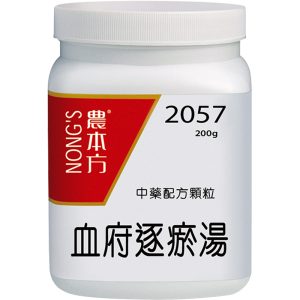
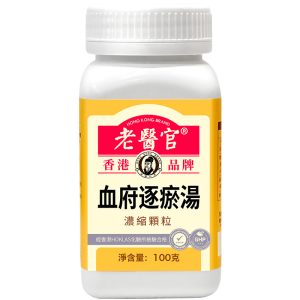
The following products are provided for informational reference only and do not constitute medical advice or a prescription. Please refer to the product packaging and instructions, and use them under the guidance of a physician or pharmacist.
|Common Symptoms
Clinical Description:
中上腹胀痛,矢气则舒,神疲乏力,纳呆,大便或干或溏,舌淡红,苔薄白或薄黄;脉弦或缓
Plain-Language Explanation:
- There is distension and discomfort in the middle and upper abdomen, with a sensation of something pressing, causing a feeling of oppression and tightness.
- After passing gas, there is a feeling of relief, and the distension and pain ease somewhat.
- The person feels easily tired and weak, lacking energy for activities.
- Appetite is poor, food intake is reduced, and there is little interest in eating.
- Stools are sometimes dry and bound, sometimes loose and unformed, indicating an unstable bowel pattern.
- The tongue body is light red, appearing red but not deep in color when extended.
- The tongue coating is very thin, white or light yellow.
- The pulse feels taut like a drawn string, or beats calmly and somewhat slowly.
|TCM Approach
Clinical Description:
疏肝解郁,理气健脾
Plain-Language Explanation:
- May help soothe liver qi and resolve constraint, alleviating discomfort such as chest and hypochondriac distension, low mood, or frequent sighing.
- May help regulate the movement of qi, reducing sensations of oppression in the chest and abdomen, frequent belching, or upper abdominal pressing distension.
- May help strengthen the spleen and stomach, reducing discomfort such as poor appetite, abdominal distension with loose stools, and bodily fatigue.
|Related Products
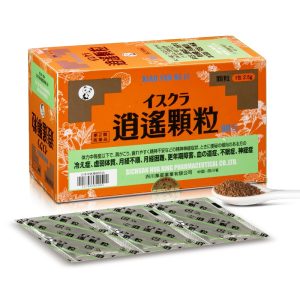
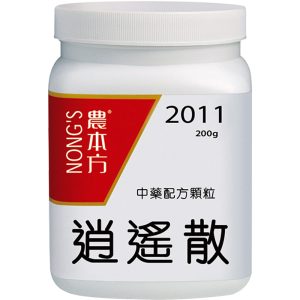
The following products are provided for informational reference only and do not constitute medical advice or a prescription. Please refer to the product packaging and instructions, and use them under the guidance of a physician or pharmacist.
|Common Symptoms
Clinical Description:
胃脘胀满,隐痛,呃逆嗳气,吞酸嘈杂,舌淡红或暗红,苔薄白或薄黄,脉沉或弦
Plain-Language Explanation:
- The upper abdomen constantly feels bloated and uncomfortable, with a marked sensation of fullness at the epigastrium.
- There is dull pain in the upper abdomen, fluctuating in intensity, which can be felt both during movement and when sitting quietly.
- Belching and upward venting of gas occur, often with hiccups; there is a sense of stuffiness and a strong urge to sigh.
- Acid rises into the mouth; the stomach feels turbulent and noisy, as if rumbling and gurgling.
- The tongue body is light red or appears darkish red, which can be directly observed when extended.
- The tongue coating is very thin, possibly white, or just a thin layer of yellow coating.
- The pulse requires deep pressure to be clearly felt, or it feels tight like a drawn string.
|TCM Approach
Clinical Description:
舒肝理气,和胃降逆
Plain-Language Explanation:
- May help soothe liver qi and regulate the qi mechanism, alleviating discomfort such as chest and hypochondriac distension, emotional depression, or frequent sighing.
- May help harmonize spleen and stomach functions, reducing upper abdominal distension, poor appetite, or indigestion.
- May help direct qi downward to stop rebellious qi, relieving frequent belching, nausea and vomiting, or epigastric burning discomfort.
|Related Products
The following products are provided for informational reference only and do not constitute medical advice or a prescription. Please refer to the product packaging and instructions, and use them under the guidance of a physician or pharmacist.
|Common Symptoms
Clinical Description:
中上腹灼热隐痛,口干舌燥,烦渴思饮,食少干呕,或有大便干结,舌红少津,或有裂纹无苔,脉细数
Plain-Language Explanation:
- A burning sensation and dull pain occur in the middle and upper abdomen, fluctuating in intensity and recurring, causing considerable discomfort.
- The mouth feels dry and the tongue feels parched, with obvious dryness and discomfort when talking or swallowing.
- There is irritability and thirst with a desire to drink, constantly wanting to drink water to relieve the dryness.
- Appetite is poor, food intake is low, and dry retching occurs, with the urge to vomit but difficulty in actually bringing anything up.
- Stools may be dry and difficult to pass, with straining during bowel movements and a lack of ease.
- The tongue body is on the red side with insufficient fluids; it looks somewhat dry when extended.
- The tongue surface may have cracks with almost no coating; it appears relatively smooth and dry.
- The pulse is thin and rapid; it feels hurried in rhythm and small in force.
|TCM Approach
Clinical Description:
养阴生津,益胃止痛
Plain-Language Explanation:
- May help nourish yin and generate fluids to moisten dryness, reducing symptoms such as dry mouth and throat, irritability with night sweating, or dry cracked skin.
- May help regulate stomach qi and promote digestion, reducing discomfort such as upper abdominal burning, dull epigastric pain, or poor appetite.
- May help relieve pain, reducing symptoms such as epigastric stuffiness and oppression, burning pain, or cramping pain.
|Related Products
The following products are provided for informational reference only and do not constitute medical advice or a prescription. Please refer to the product packaging and instructions, and use them under the guidance of a physician or pharmacist.