
What Is Dysosma? Medicinal Parts, Identification, and Safety Risks
What is Dysosma? For readers interested in traditional Chinese medicinal materials, traditional plant medicine, or wild medicinal plants, Dysosma often attracts attention because of its distinctive leaves and extensive traditional use records. It comes from plants in the Dysosma genus, with the rhizomes and roots traditionally regarded as the primary parts of interest. However, related plants may contain podophyllotoxin-related compounds, which have significant cytotoxicity and poisoning risks.
It is especially important to note that Dysosma is not an ordinary herb suitable for gathering, processing, or taking on your own. Some wild Dysosma resources may also be subject to local resource protection, collection controls, or trade regulations. The following information is intended mainly for educational purposes relating to plants and traditional herbal medicine and cannot replace the judgment of a doctor, pharmacist, or other qualified professional.
What Does Dysosma Look Like? How Can It Be Identified?
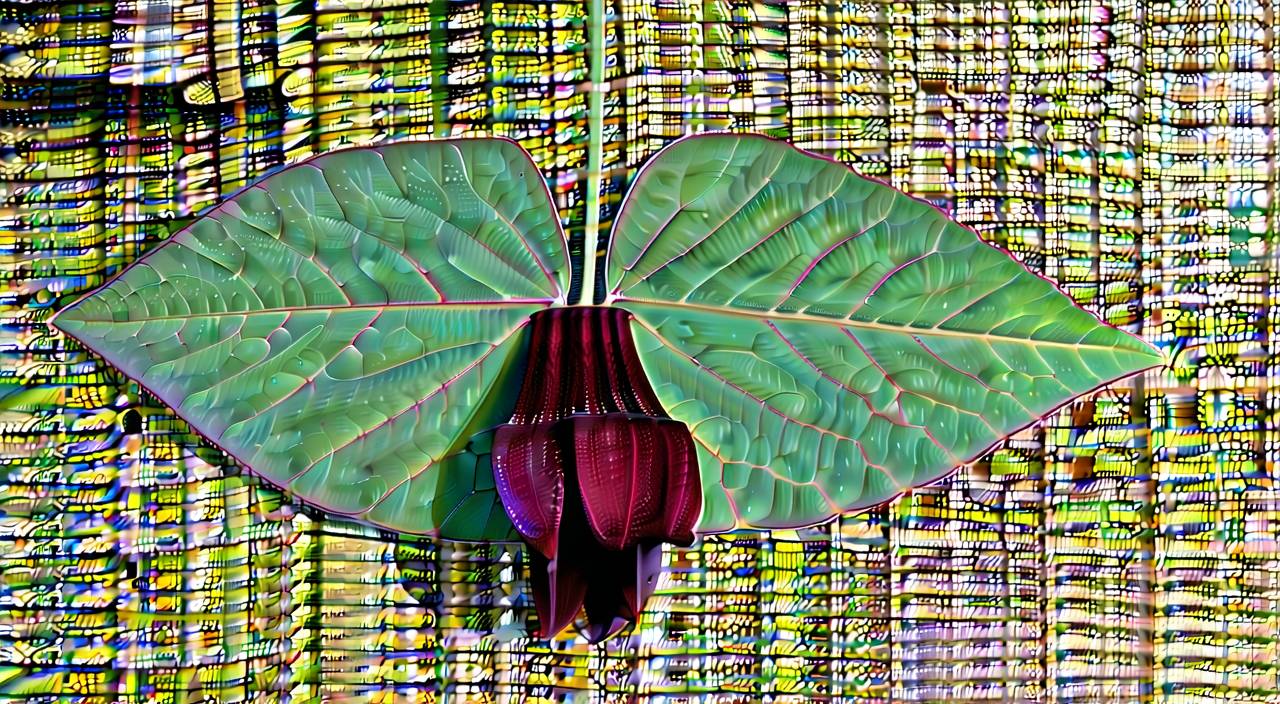
Dysosma is generally a perennial herb. The plant is usually not very tall, but its leaves are large and relatively distinctive. A common feature is one or more large leaves growing from the top of the stem. The leaves are peltate, with the petiole attached at or near the center rather than clearly along the margin. The leaf outline is often palmately lobed, while the number and depth of the lobes may vary according to the species, growing environment, and condition of the plant.
During the flowering period, flowers often emerge beneath the leaves or near the petioles. Their colors may range from dark red and purplish red to other deep shades. Because the flowers are hidden beneath the large leaves, they are not conspicuous from a distance. This is one reason Dysosma can be difficult to distinguish directly from some common ornamental plants. The shape and color of the fruit may also change as it matures, so identification should not rely on a single growth stage.
Morphological Clues to Observe
When identifying Dysosma, it is useful to examine the arrangement of the leaves, whether the leaves are peltate, the form of the palmate lobes, whether the flowers are located beneath the leaves, and the appearance of the underground rhizomes. Identification based solely on online images, common names, or part of a leaf is unreliable. Misidentification is especially likely when closely related species occur in different regions, local names are used inconsistently, or the plant is still at the seedling stage.
If you encounter a wild plant, do not dig up the roots, break the stems or leaves, or taste it simply to confirm its identity. Plant identification should be carried out by qualified professionals in plant taxonomy, medicinal-material identification, or related fields.
What Are Its Traditional Medicinal Parts?
In traditional herbal medicine and local medical practices, the medicinal parts of Dysosma mainly refer to its rhizomes and roots. The rhizomes are located underground and may be nodular, segmented, or irregularly block-shaped, with root scars, bud scars, and traces of soil on the surface. Their appearance can be affected by the species, place of origin, harvesting season, and processing method. As a result, it can be difficult to determine authenticity based solely on the shape of dried material sold on the market.
The underground parts are also the areas requiring particular attention from a safety perspective. The rhizomes and roots may contain podophyllotoxin-related compounds, with concentrations varying according to the plant species, plant part, and preparation method. The fact that these parts have been used traditionally does not mean they are suitable for modern household use, nor does it mean that simple decoction, soaking, or grinding can make them safe.
Current understanding of wild medicinal plants also involves resource conservation and sustainable use. Dried Dysosma materials from unknown sources, with unclear labels, or without testing information should not be purchased, processed, or used without professional guidance.
How Has Dysosma Been Understood in Local Medicine?
In some local medical traditions and traditional herbal records, Dysosma has been described in terms such as clearing heat, detoxifying, reducing swelling, and dispersing masses. Traditional accounts have also mentioned its use in relation to sores, lumps, or localized discomfort. These descriptions belong to the context of historical experience and traditional theory and should not be interpreted directly as conclusions about disease treatment in modern medicine.
The use of traditional herbal materials is often associated with local experience, processing methods, compatibility with other ingredients, and individualized traditional diagnosis. Even when the same name is used, a medicinal material may refer to different plants in different regions or may include substitute species. Modern readers who rely only on classical texts, folk remedies, or online experiences for self-administration may overlook issues such as dosage, differences in chemical composition, underlying health conditions, and drug interactions.
Therefore, terms such as “clearing heat,” “detoxifying,” “reducing swelling,” and “dispersing masses” are better understood as keywords describing the traditional application of Dysosma, rather than as a basis for self-medication. If persistent swelling, an unusual lump, skin ulceration, fever, or other recurring symptoms occur, seek a proper medical evaluation as a priority.
What Risks Are Highlighted by Modern Research?
Research and safety discussions concerning Dysosma often focus on the cytotoxicity of podophyllotoxin and related compounds. Cytotoxicity means that these compounds may interfere with cell division. It does not mean that the original Dysosma plant, folk preparations, or nonstandardized herbal materials are equivalent to regulated medicines, and they must not be equated with cancer treatment on this basis.
Accidental ingestion, excessive use, or improper contact may cause gastrointestinal reactions such as nausea, vomiting, abdominal pain, and diarrhea. In more serious cases of exposure, bone marrow function may also be affected, leading to abnormal blood counts involving white blood cells, platelets, and other indicators. Individual risks may be influenced by the amount ingested, preparation concentration, route of exposure, age, and general health.
If persistent vomiting, severe abdominal pain, marked weakness, dizziness, unusual bleeding, fever, or other symptoms occur after accidental ingestion or contact, contact local emergency services or a medical institution as soon as possible. Keep the plant, herbal-material packaging, or any remaining sample so that professionals can assess the situation. Do not induce vomiting or attempt to “neutralize” the substance with other herbs.
What Are the Differences Between Dysosma, Podophyllum, and Paris?
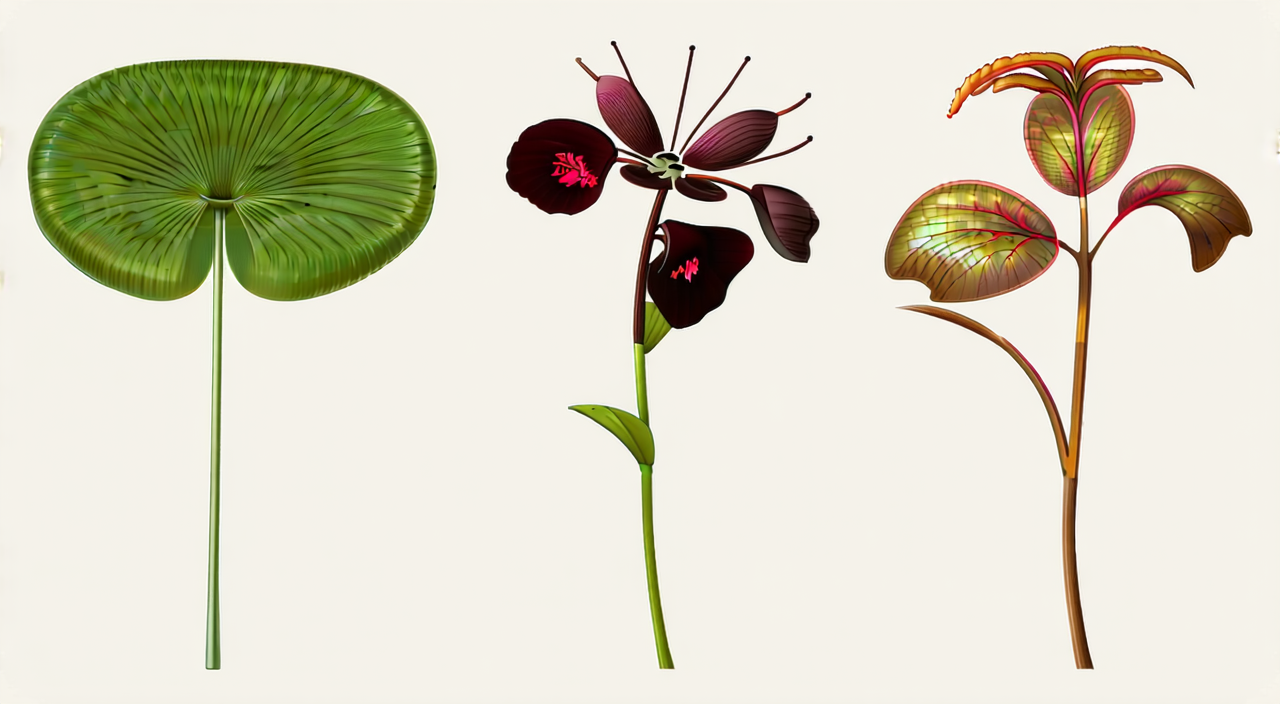
Dysosma, Podophyllum, and Paris may be confused because some of their leaf or underground rhizome features appear similar, but they are not the same plant. Dysosma is commonly identified by its large peltate leaves, palmate lobes, dark red flowers beneath the leaves, and nodular rhizomes. Podophyllum-related plants may also have a similar leaf structure, but their precise leaf shape, flower and fruit positions, and underground organ characteristics must be assessed according to the species.
Paris generally has whorled leaves arranged in layers around the stem, giving it an overall plant shape that differs noticeably from Dysosma. Paris rhizomes also have a history of traditional medicinal use, but their chemical constituents, traditional applications, and safety risks cannot simply be substituted for those of Dysosma.
| Subject | Common Identification Clues | Important Considerations |
|---|---|---|
| Dysosma | Large peltate leaves, palmate lobes, dark red flowers beneath the leaves, and nodular rhizomes | May contain podophyllotoxin-related compounds and should not be used without professional guidance |
| Podophyllum-related plants | Leaf and flower or fruit positions vary by species; some features resemble those of Dysosma | Common names and closely related species can easily cause confusion |
| Paris | Leaves are generally whorled, and the overall plant form is usually different from Dysosma | It should not be substituted simply because it is also a traditional medicinal plant |
These comparisons can only help establish a preliminary botanical understanding and should not be used as a basis for collecting plants, purchasing herbal materials, or taking them. Medicinal-material identification also requires complete plant characteristics, information about the place of origin, microscopic examination, and, when necessary, chemical testing.
What Historical Formulas or Regulated Preparations Exist?
“Dysosma Powder” is one of the more common names found in traditional sources and local applications and can be used as an example when learning about the historical uses of Dysosma. However, the ingredients and methods of use associated with a historical formula may vary across regions, medical texts, and folk traditions. It should not be prepared, applied externally, or taken internally based solely on its name.
In addition, some regions may have professionally manufactured preparations that have been legally approved and contain clear production information and instructions. Such products should be used only according to their official approval information, product instructions, approved applications, contraindications, and professional advice. The existence of a professional preparation does not mean that the original plant can be used freely. Particular caution is needed with loose herbal materials from unclear sources, folk powders, and unlabeled products.
If you are simply looking for traditional herbal options related to localized discomfort, skin problems, or other health concerns, consult a doctor or pharmacist first about safer alternatives with clearly identified ingredients and complete safety information. Do not experiment with highly toxic wild medicinal plants on your own.
What Precautions Should Be Taken?
Dysosma presents significant safety risks. Self-administration, alcohol infusions, powdering, decoction, or preparation of topical ointments or powders is not recommended. It should also not be applied to broken skin, mucous membranes, the area around the eyes, or other sites where absorption may be easier. When handling unidentified fresh plants or rhizomes, avoid prolonged direct contact. Keep them away from children and pets.
People who are pregnant, trying to conceive, breastfeeding, or underage should not use it without professional supervision. Older adults, people with abnormal liver or kidney function, those with blood disorders, and individuals taking multiple medications should also have their risks assessed by a qualified professional. Anyone with allergies to herbal medicines, a history of unexplained poisoning, or no reliable information about the source of the material should not try folk remedies involving Dysosma.
If symptoms are severe, long-lasting, or recurrent—especially when accompanied by marked anxiety, depression, palpitations, chest tightness, pain, abnormal breathing, severe abdominal pain, persistent vomiting, black stools, unusual bleeding, or unexplained weight loss—consult a doctor promptly. This article is for educational reference only and cannot replace professional diagnosis or treatment advice.
Summary
Dysosma is generally recognized by its large peltate leaves, palmate lobes, dark red flowers beneath the leaves, and nodular rhizomes. Its traditional medicinal parts are mainly the rhizomes and roots. Because it may contain podophyllotoxin-related compounds, it carries risks of poisoning affecting the gastrointestinal tract, bone marrow, and other systems, and it should not be equated with cancer treatment. Dysosma, Podophyllum, and Paris should not be substituted for one another. Pregnant people, children, and other high-risk groups should avoid handling or using it without professional guidance. This article is for educational reference only; consult a qualified professional regarding specific circumstances.