
What Is Lobelia chinensis? Medicinal Parts, Identification, and Common Formulas
What is Lobelia chinensis? For many overseas Chinese readers, Lobelia chinensis often attracts attention because its name is similar to that of Scutellaria barbata, and because of traditional records related to promoting urination and clearing toxins. Lobelia chinensis comes from the dried whole plant of a species in the bellflower family, Campanulaceae. The whole herb is typically used medicinally, rather than only the flowers or roots. Because common names may be used interchangeably in different regions and medicinal materials may have similar appearances, identification should be based on plant characteristics, the source of the material, and professional advice. Names alone should not be used for self-identification.
What Does Lobelia chinensis Look Like? How Can It Be Identified?
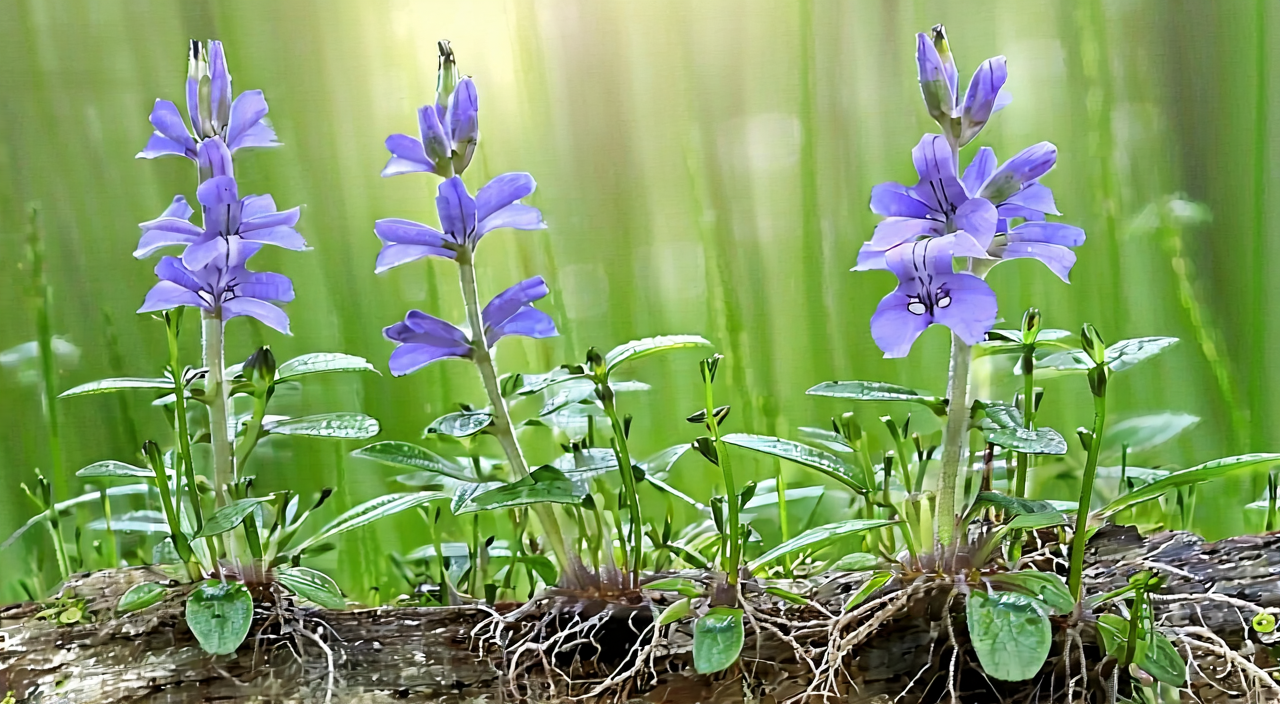
Plant Form and Flower Characteristics
Lobelia chinensis is generally a small perennial herb. Its stems are slender and often grow prostrate or at an angle. Roots may sometimes develop at the nodes, giving the plant an overall delicate appearance. The leaves are usually alternate and tend to be narrow, elongated, or elliptic-lanceolate, with margins that may have small serrations. The plant is not tall and is commonly found in relatively moist grasslands, field margins, ditches, or stream banks. Its exact growth pattern, however, may be affected by the region, season, and soil conditions.
The flowers of Lobelia chinensis are one of its more distinctive features. Flowers are usually solitary near the leaf axils. The corolla is generally pale purple or light bluish-purple, although forms with a whitish color may also occur. The corolla lobes spread toward one side, creating the visual impression of “half a side.” When observing the plant during its flowering period, pay attention to the combination of slender stems, alternate small leaves, and a one-sided corolla rather than judging it solely by flower color.
Roots and the Appearance of the Dried Herb
The roots of Lobelia chinensis are relatively fine, with clearly visible fibrous characteristics. As a dried medicinal herb, the stems, leaves, flowers, and roots are commonly found mixed together. The color may range from bluish green and yellowish green to yellowish brown, while the texture is generally light. Its smell and taste may also vary depending on harvesting, processing, and storage conditions. Herbal slices sold on the market may be prepared by cutting the plant into sections or drying the whole plant, so their appearance can differ considerably from that of the fresh plant.
If you need to identify a wild or unknown plant, do not rely solely on online images, flower color, or common names. This is especially important when using materials across different regions. Whenever possible, check the information on reputable packaging and consult a Chinese medicine practitioner, a botanist, or a local healthcare professional.
Which Parts of Lobelia chinensis Are Used Medicinally?
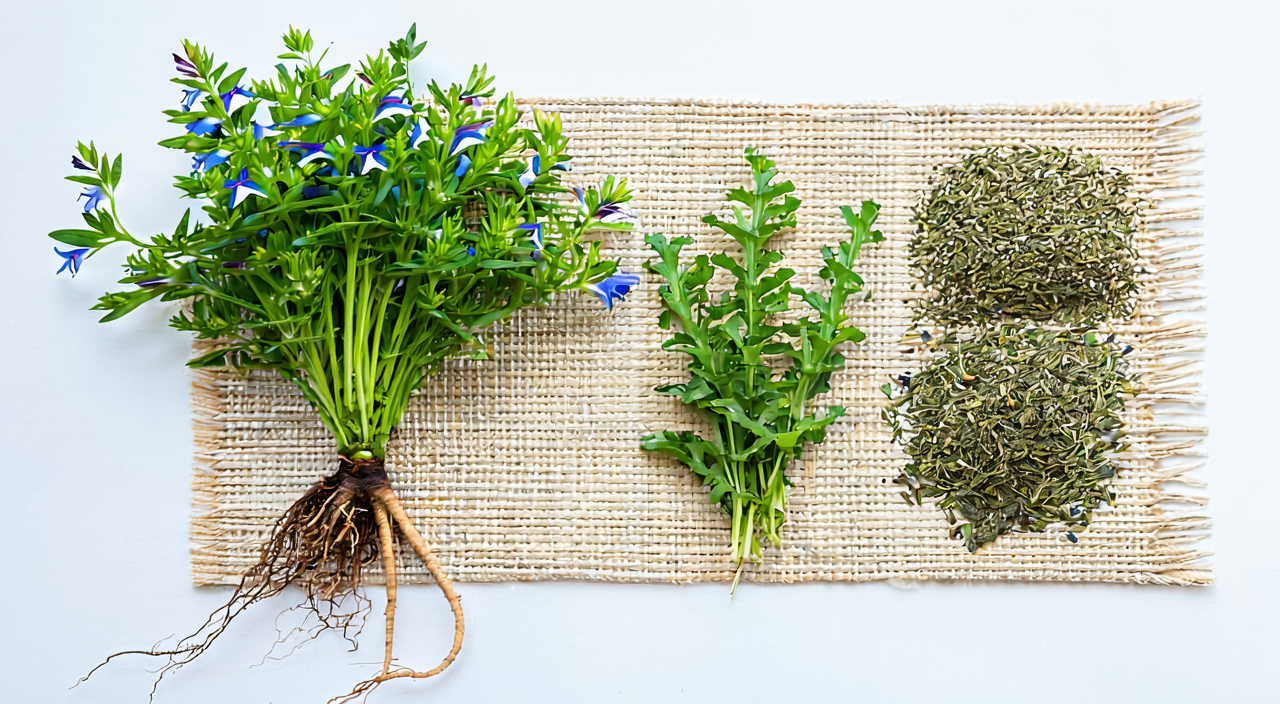
The traditional medicinal part of Lobelia chinensis is the whole herb, including the aboveground stems, leaves, and flowers together with the underground roots. Traditional harvesting is often carried out in summer, when the plant is growing vigorously, around the period before or during flowering. After harvesting, impurities are removed, the herb is washed, and it is sun-dried or dried using an appropriate method. Different growing regions and processing methods may affect the color, smell, moisture content, and degree of intactness of the medicinal material.
In terms of preparation, Lobelia chinensis is available both fresh and dried. Fresh material has a higher moisture content and requires stricter storage and transportation conditions. Dried material is easier to store and combine with other herbs, but it should still be protected from moisture and mold and kept away from prolonged exposure to high temperatures. Home users should not independently dig up plants, store them for extended periods, or substitute an unidentified plant for Lobelia chinensis. If purchasing herbal slices or a compound product, follow the name, specifications, directions for use, and storage requirements stated on the label.
It is important to note that “using the whole herb medicinally” does not mean that a larger amount is better, nor does it mean that the herb is suitable for everyone. The specific use of a Chinese medicinal herb generally needs to be assessed in relation to constitution, symptoms, herbal combinations, and product quality.
How Does Traditional Chinese Medicine Understand Lobelia chinensis?
Traditional Chinese medicine commonly views Lobelia chinensis from the perspectives of clearing heat and toxins and promoting urination to reduce swelling. Related records and traditional applications often concern manifestations associated with damp-heat, heat toxins, or the accumulation of water and dampness. However, these traditional theories cannot be directly equated with modern medical diagnoses, and they should not be used as a basis for replacing proper examinations or treatment.
In traditional formulation approaches, Lobelia chinensis may sometimes be combined with other herbs associated with clearing heat, promoting urination, or resolving toxins. The exact composition and emphasis may vary according to medical texts, region, and the practitioner’s experience. For people experiencing localized redness and swelling, changes in urine output, or edema, the underlying cause should be investigated first rather than selecting a single herb based only on symptoms. If symptoms persist or recur, or are accompanied by pain, fever, abnormal breathing, or other concerning signs, consult a doctor promptly.
How Should Modern Research Be Interpreted?
Modern research may examine Lobelia chinensis through its phytochemical constituents, in vitro experiments, animal studies, and reviews of traditional applications. However, laboratory findings are not equivalent to confirmed effects in humans, nor can they automatically show that a particular herbal slice, decoction, or compound product is suitable for an individual. Research conclusions may also be influenced by extraction methods, sample size, the source of the medicinal material, and the evaluation criteria. When reading relevant information, distinguish between traditional experience, laboratory research, and clinical evidence, and avoid interpreting a single study as a treatment promise.
How Does Lobelia chinensis Differ from Scutellaria barbata and Hedyotis diffusa?
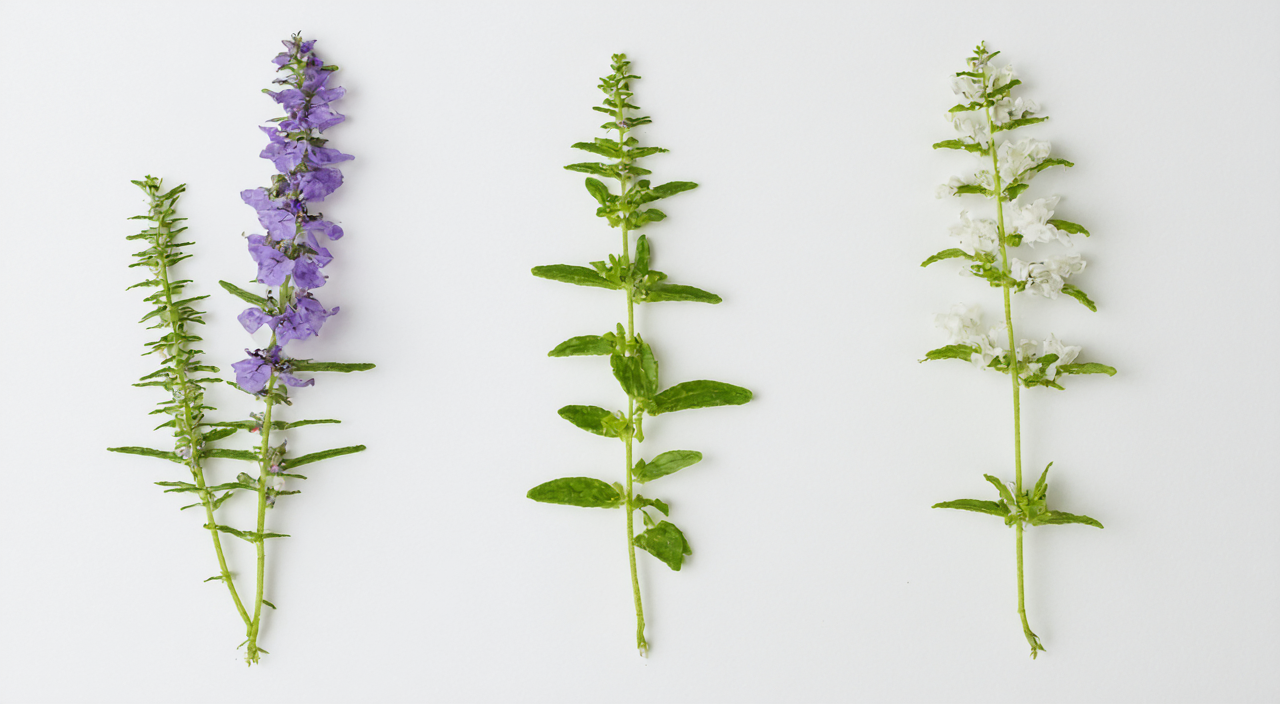
Lobelia chinensis, Scutellaria barbata, and Hedyotis diffusa are all medicinal herb names that can easily be confused. They are not the same plant, however, and their botanical sources, appearances, and traditional applications are not identical.
| Herb | Common Appearance Clues | Growth Habit and Identification Tips |
|---|---|---|
| Lobelia chinensis | Slender stems, mostly alternate leaves, and flowers that may be pale purple, light bluish-purple, or whitish | Stems are often prostrate or angled, and the corolla usually spreads toward one side |
| Scutellaria barbata | More upright stems, relatively narrow leaves, and flowers that are often purple or bluish-purple | The flower clusters are commonly located at the stem tips, and the overall habit is usually more upright than that of Lobelia chinensis |
| Hedyotis diffusa | Small leaves, usually white flowers, and a slender plant form | Often prostrate or angled, with flowers commonly borne singly in the leaf axils |
The points above are general appearance clues for educational purposes and cannot replace professional identification. Scutellaria barbata belongs to the mint family, Lamiaceae, and its flower shape and inflorescences differ from those of Lobelia chinensis. Hedyotis diffusa is more easily noticed by its small white flowers and fine leaves. Because the characteristics of the flowers, leaves, and stems become less distinct after drying, avoid substituting one herb for another based solely on similar names when purchasing or preparing a formula.
Which Formulas Contain Lobelia chinensis?
Traditional sources and folk formula names include terms such as Lobelia chinensis Decoction and Lobelia chinensis Powder. Some formulas focused on clearing heat and promoting urination may also include Lobelia chinensis as one of the combined herbs. It is important to note that formulas with the same name may differ in ingredients, proportions, dosage form, and directions for use across different medical texts, regions, or products. The specific contents cannot be inferred from the formula name alone.
Lobelia chinensis Decoction and Lobelia chinensis Powder
By name, Lobelia chinensis Decoction generally refers to a decoction in which Lobelia chinensis is a principal or important ingredient, while Lobelia chinensis Powder may refer to a traditional powdered form of the relevant herbs. The actual formula should be verified through a reliable source or the product label. Decoctions, powders, and modern preparations are not necessarily the same in concentration, method of administration, or suitable user groups, and they should not be substituted for one another simply because their names are similar.
Combination Approaches in Heat-Clearing and Diuretic Formulas
In the context of traditional Chinese medicine, Lobelia chinensis may sometimes be combined with herbs associated with clearing heat, eliminating dampness, promoting urination, or resolving toxins as part of an approach for certain related patterns. Whether this approach is appropriate should be assessed comprehensively based on the tongue and pulse, constitution, duration of symptoms, and previous health conditions. When using compound formulas, concentrated granules, or patent medicines, consider the product instructions, individual circumstances, and professional advice. Do not independently combine multiple products with diuretic or similar traditional functions.
What Precautions Should Be Taken When Using Lobelia chinensis?
Although Lobelia chinensis is a traditional medicinal herb, that does not mean it is suitable for everyone. People with a cold or weak digestive system, a tendency toward diarrhea, poor appetite, or sensitivity to related botanical medicines should consult a professional before use. Those with low blood pressure or who are taking diuretics, blood pressure medication, or other long-term prescription medicines should also disclose this information in advance so that potential additive effects or contraindications can be assessed.
For severe or unexplained edema, especially when accompanied by difficulty breathing, chest tightness, a significant reduction in urine output, or sudden swelling of one limb, do not attempt to manage the condition with Lobelia chinensis or other diuretic herbs. Seek medical attention promptly. In the event of a snake or insect bite, rapid swelling, significant pain, bleeding, dizziness, abnormal breathing, or generalized discomfort, prioritize emergency medical care. Herbal external or internal use should not be treated as a substitute.
If persistent diarrhea, nausea, a rash, dizziness, fatigue, or any other unusual reaction occurs during use, stop self-administration and consult a doctor or pharmacist. Pregnant or breastfeeding people, children, older adults, and those with liver or kidney disease or a need for long-term medication should make decisions under professional guidance. This article is provided for general educational purposes regarding Chinese medicinal herbs and cannot replace professional diagnosis or treatment advice.
Conclusion
Lobelia chinensis is a traditional Chinese medicinal herb used as a dried whole plant. Common identification clues include its slender prostrate stems, alternate small leaves, and pale purple or white corolla that spreads toward one side. It is not the same plant as Scutellaria barbata or Hedyotis diffusa, and Lobelia chinensis Decoction, Lobelia chinensis Powder, and heat-clearing or diuretic formulas should be evaluated according to their specific sources and compositions. Before use, consider constitution, current medications, and symptoms. Severe edema or snake and insect bites require prompt medical attention, and the information in this article cannot replace professional advice.