
What Is Bichengqie (Litsea Cubeba)? Medicinal Parts, Identification, and Common Formulas
Bichengqie (Litsea cubeba) is a medicinal that often appears in traditional approaches related to stomach cold and abdominal pain. If you are looking into it for these reasons, the first thing to understand is that the official source of Bichengqie is not completely consistent across regions. In the Chinese Pharmacopoeia, Bichengqie is the dried ripe fruit of Litsea cubeba (mountain pepper), a plant in the Lauraceae family; in some other traditional medicinal systems, the fruit of Piper cubeba from the Piperaceae family is also used as Bichengqie. This article focuses on the fruit of Litsea cubeba, combined with common usage, and introduces the appearance and identification, medicinal part, traditional Chinese medicine understanding, differences from similar medicinals, traditional formulas, and precautions for use, hoping to provide a clear popular science reference.
What Does Bichengqie Look Like? How to Identify It?
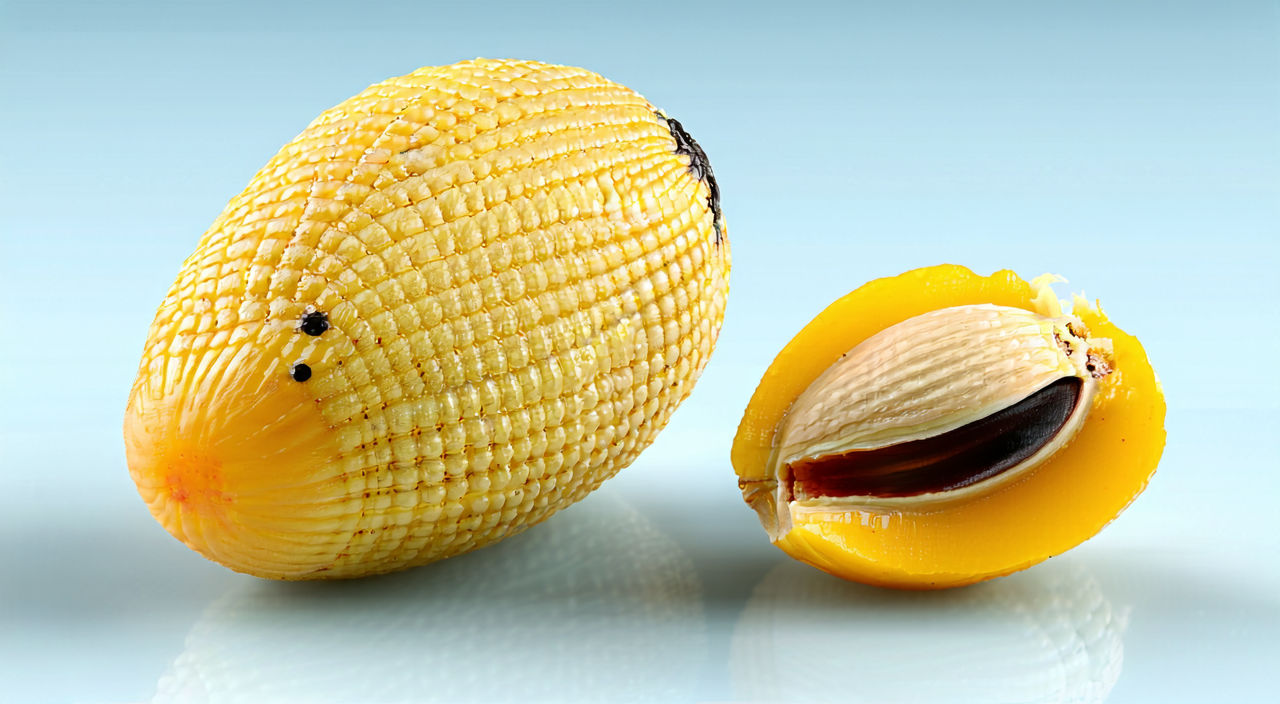
Bichengqie has a very distinctive medicinal appearance, and identification can begin from several angles. The dried ripe fruit of Litsea cubeba is nearly spherical, with a diameter of about 4 to 6 millimeters. The surface color is usually dark brown or brownish black; upon close inspection, obvious reticulate wrinkles can be seen, which is one of its most typical features. The base of the fruit often retains a scar where the fruit stalk fell off, and the apex may sometimes show a residual style scar. The pericarp is thin and brittle; after peeling it open, a yellowish-brown seed can be seen. The seed surface is smooth, and the seed coat is also relatively thin.
In terms of odor, Bichengqie has an aromatic smell, with a slightly lemon-like pungent fragrance. It tastes slightly bitter and somewhat pungent. If a sample has a very weak odor or lacks this characteristic spicy fragrance, attention should be paid to quality or variety issues. These features, especially the reticulate wrinkles, fruit stalk scar, and distinctive fresh aroma, are key to distinguishing it from similar medicinals such as peppercorns and Bibo (long pepper).
What Is the Medicinal Part of Bichengqie?
The medicinal part of Bichengqie is its dried ripe fruit. It is generally harvested when the fruit ripens in autumn: the fruiting branches are cut, the fruits are removed, and impurities such as branches and leaves are removed before drying in the sun. In traditional dispensing, Bichengqie is mostly used raw, meaning it is dried and then directly added to formulas or used as medicine without particularly complicated processing. When selecting it, plump fruits with a strong aroma are preferred. If the fruit is shriveled or the odor is dull, it may indicate improper harvesting time or prolonged storage.
It is worth noting that, because commercial sources vary in different regions, the “Bichengqie” actually encountered may sometimes come from the fruits of the Piperaceae plant Piper cubeba. These can differ slightly in shape, size, and odor. Therefore, if it is intended for more serious health-related purposes, it is advisable to confirm that the scientific name of the medicinal matches local standards and regulations.
How Does Traditional Chinese Medicine Understand Bichengqie?
From the perspective of traditional Chinese medicine, Bichengqie is generally classified as a warming interior medicinal. Its actions are usually understood in terms of warming the middle and dispersing cold, moving qi and relieving pain, and warming the kidneys. Traditionally, it is believed to warm the middle burner, the spleen and stomach, help dispel cold pathogens, and relieve symptoms such as cold pain in the stomach, abdominal fullness, vomiting, or hiccups caused by cold congealing and qi stagnation.
For example, when a person experiences a cold sensation in the stomach, dull pain, or slowed digestion after consuming cold or raw food or being exposed to cold, traditional approaches may regard Bichengqie as one of the options for warming the middle and dispersing cold. In addition, for cold hernia abdominal pain and cold sensations in the lumbar and abdominal regions caused by deficiency cold in the lower burner, Bichengqie is often considered in combination with herbs that warm the kidneys and support yang. However, these are understandings based on traditional experience. Whether they are suitable for the body’s current state still needs to be judged in combination with an individual’s cold, heat, deficiency, and excess constitution and specific manifestations.
Preliminary Observations from Modern Research on Bichengqie
In modern research, some components of Bichengqie (the fruit of Litsea cubeba) have also attracted attention. It contains a relatively high amount of volatile oil, with citral and other components accounting for a relatively large proportion. Some in vitro studies have observed that its extracts show a certain tendency to inhibit some bacteria and fungi, and some experiments suggest that it has certain antioxidant activity. However, these results mainly come from preliminary laboratory observations and are still far from everyday use.
Therefore, this part of the content can only serve as a direction for further understanding. It cannot be directly equated with therapeutic effects, nor can it replace formal medical evaluation. When considering the use of this type of traditional medicinal, one should still take traditional experience and specific constitution as the starting point and treat it with caution.
What Are the Differences Between Bichengqie, Bibo, and Pepper?
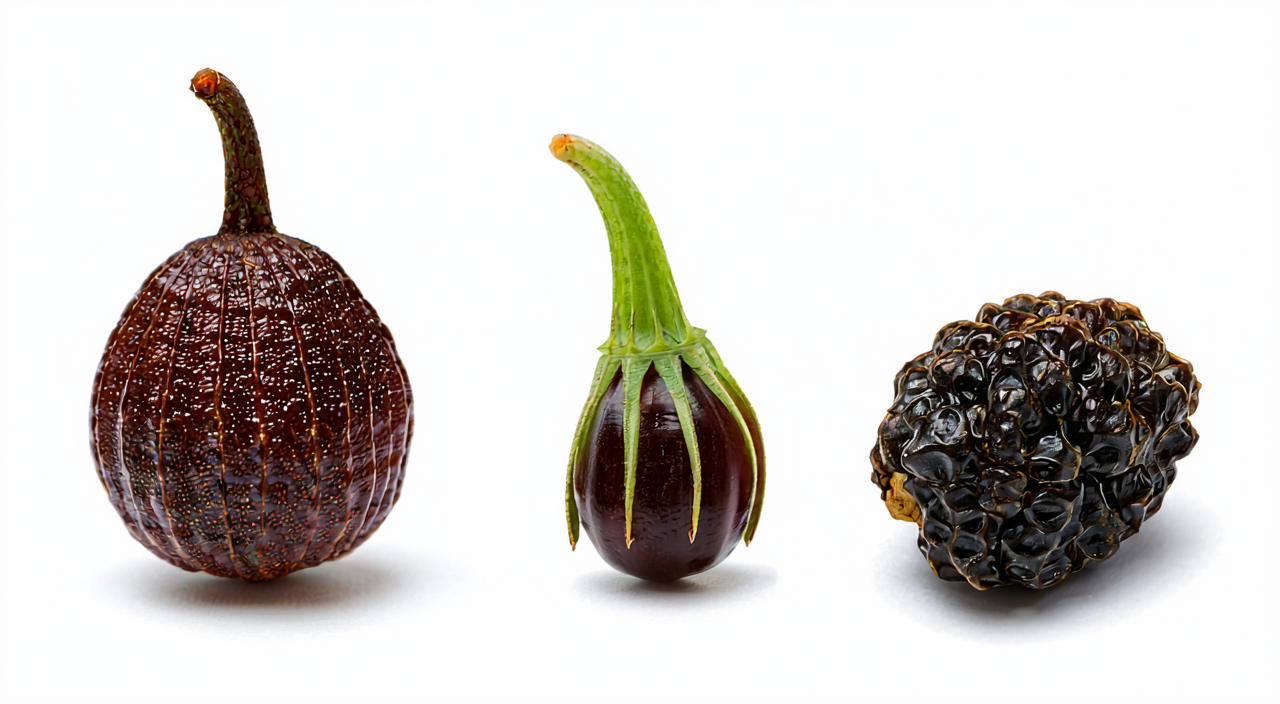
The names Bichengqie, Bibo, and pepper actually differ considerably in morphology and odor, but because all of them are pungent, aromatic, interior-warming substances, they are sometimes confused. The simplest way to distinguish them is to look at their appearance. Bichengqie consists of individual, nearly spherical small fruits, with reticulate wrinkles on the surface and a diameter of only a few millimeters. Bibo is completely different: it is a cylindrical fruiting spike composed of many tiny fruits clustered together, with an uneven surface, and overall looks like a small brush or spike. Although pepper is also a spherical individual fruit, its surface generally does not show reticulate wrinkles; instead, it tends to have longitudinal folds, and it is usually harder.
They can also be distinguished by odor: Bichengqie has a clear, fresh aroma with a faint lemon-like note; Bibo has a stronger, more pungent aroma and a more irritating spicy smell; black pepper has more of a familiar spicy tone. Once these characteristics are understood, it becomes easier to avoid confusing the three when purchasing or learning about them.
Which Formulas Use Bichengqie?
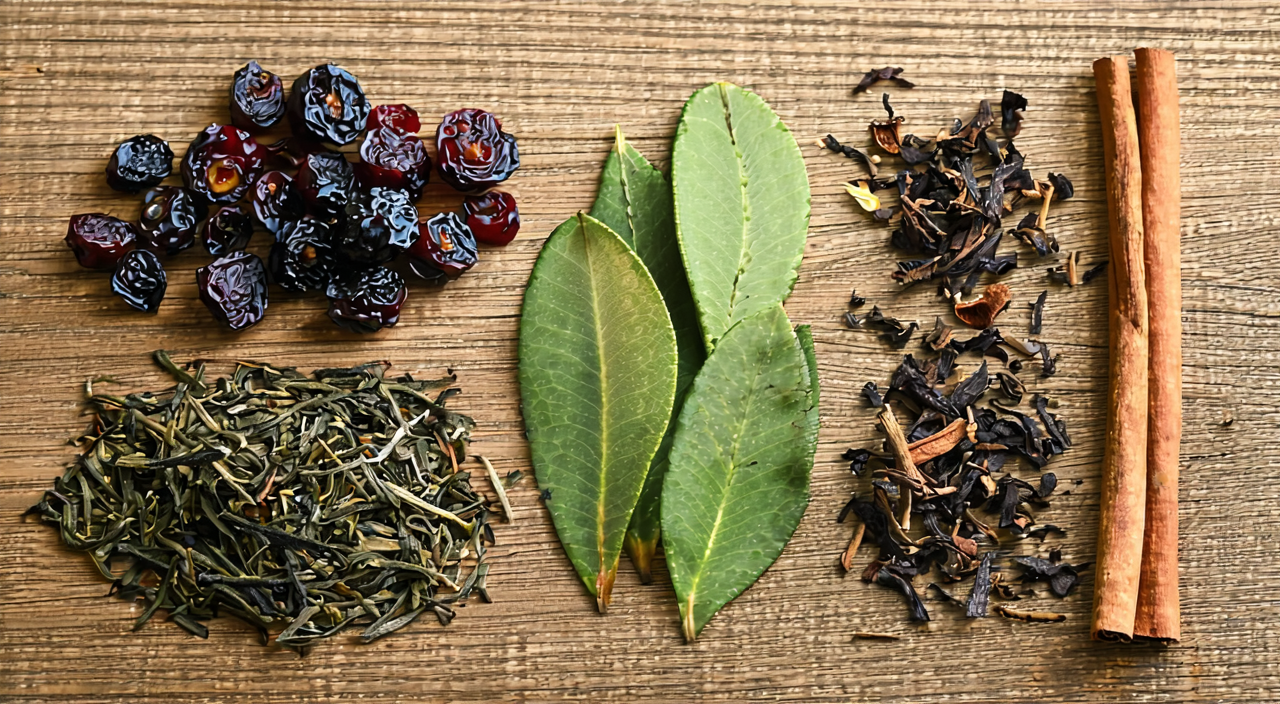
In ancient formula books, many formulas include Bichengqie as one of the ingredients for warming the middle and dispersing cold, moving qi and relieving pain. These formulas are mostly designed around constitutional tendencies such as cold congealing and qi stagnation or deficiency cold in the middle burner, and they are not suitable for everyone to apply directly.
Representative examples include Bichengqie Pill and Bichengqie Powder. In traditional records, these two types of formulas are often used to regulate cold pain in the stomach, abdominal fullness, or vomiting caused by cold accumulation. In addition, in some formulas for warming the middle and moving qi, Bichengqie is often combined with Gao Liang Jiang (lesser galangal rhizome), Mu Xiang (Aucklandia root), Rou Gui (cinnamon bark), Qing Pi (green tangerine peel), and others to provide an approach for cold-type stomach pain, chest oppression, and poor digestion. For example, when there is obvious belching, acid regurgitation, or poor appetite due to stomach cold, traditional practice may consider this type of combination.
It should be especially noted that the composition, dosage, and suitable constitution of these formulas vary greatly. They should not be chosen on one’s own simply because they contain Bichengqie. Whether they are suitable for a particular presentation still needs to be comprehensively assessed based on one’s symptoms, constitution, and the judgment of a professional.
What Precautions Should Be Taken When Using Bichengqie?
Although Bichengqie is a commonly used interior-warming medicinal, the limitations on its use also need to be taken seriously. First, people with yin deficiency and fire exuberance may not be suitable. If you usually have heat in the palms and soles, dry mouth and throat, a red tongue with little fluid, it indicates a tendency toward deficiency heat or insufficient body fluids. Using pungent-warm substances rashly may instead aggravate discomfort. Second, it should not be used when there are excess heat or dryness-heat manifestations in the stomach and intestines. For example, during a stage of bad breath, dry and bound stools, or strong stomach fire, further use of warm and drying substances should be avoided.
In addition, because most of the active components of Bichengqie are concentrated in its volatile oil, the decoction time should not be too long; otherwise the aroma will disperse and may affect the medicinal properties relied upon in traditional experience. The dosage also needs to be controlled. Some people may be more sensitive to the stimulating sensation after oral administration and may experience stomach discomfort, so it is generally not advisable to use it in large amounts or for a long time. Pregnant or breastfeeding women, as well as people with special underlying conditions, should consult a doctor or pharmacist before use. Finally, because Bichengqie on the market may come from different plants, pay attention to the scientific name and origin on the packaging to ensure that it matches the variety you expect. If serious or persistent stomach pain, vomiting, gastrointestinal bleeding, weight loss, or other symptoms occur, seek medical attention immediately and do not rely solely on medicinal herbs for treatment.
Summary
Bichengqie is a fruit-based medicinal characterized mainly by warming the middle and dispersing cold, moving qi and relieving pain. It is commonly used to relieve discomforts such as cold pain in the stomach and abdominal fullness caused by cold pathogens. Its key identification features include the nearly spherical small fruit, reticulate wrinkles, and its distinctive pungent aroma, and it is clearly different from similar medicinals such as Bibo and pepper. When using it, special attention should be paid to whether the constitution tends toward heat, yin deficiency, and to differences in source standards, so as to avoid applying it blindly. This article is for popular science reference only and cannot replace professional diagnosis or treatment advice.