
What Is Biejia? Medicinal Part, Identification, and Common Formulas
Many people encounter the medicinal ingredient Biejia when they begin learning about traditional Chinese medicine or medicinal diets, but they may easily confuse it with the meat or shell of soft-shelled turtle eaten at the dinner table. In fact, Biejia is neither the whole body of the turtle nor broken shell fragments; it is the carapace of the Chinese softshell turtle. This article introduces what Biejia is from the perspectives of appearance identification, medicinal part, traditional Chinese medicine understanding, common formulas, and precautions for use.
What Does Biejia Look Like? How Is It Identified?
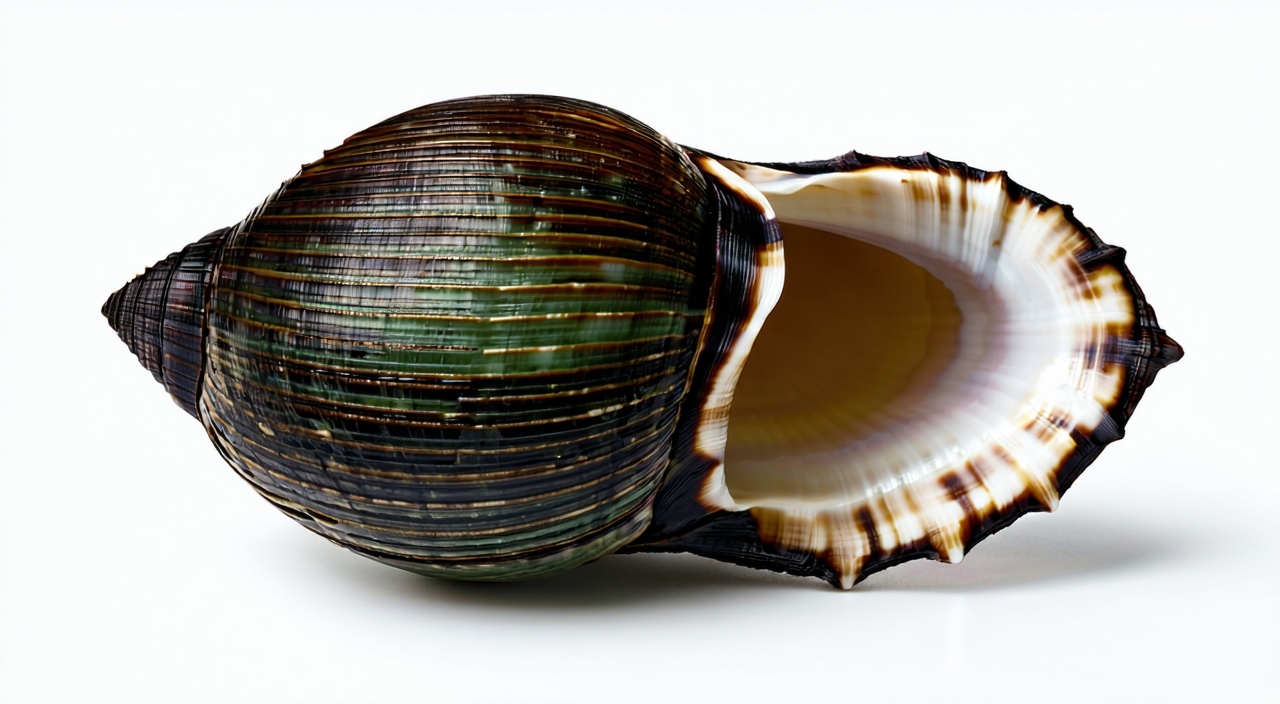
Biejia comes from the carapace of the Chinese softshell turtle. The whole piece is mostly oval or egg-shaped, slightly raised on the back and thinner at the edges. The outer surface is usually blackish brown, dark green, or grayish brown, sometimes with lighter markings or spots, and its texture does not appear completely uniform. There are often rib-like projections on both sides of the carapace; these are not damage, but the natural shape of the skeletal structure beneath the carapace. On the inner side, the color is mostly white or grayish white, with visible strip-like bony plates and rib marks, and sometimes a small amount of fascia remains.
When identifying Biejia, it is helpful to focus on several features: whether the shape is oval, whether the outer surface is dark, whether the inner surface is whitish with obvious bony plates, and whether the edges have rib-like projections. Whole Biejia is relatively hard, but it is thinner and lighter than turtle shell. Vinegar-processed Biejia may have a darker outer color because it has been processed with vinegar, and some parts may carry charred spots or dark patches; this is a common processing mark and does not necessarily indicate a quality problem. Color and thickness may vary among different producing areas and processing batches, so quality should not be judged by appearance alone.
What Is the Medicinal Part of Biejia?
The medicinal part of Biejia is the carapace of the Chinese softshell turtle, and this point needs special emphasis. It is not the plastron, nor the entire shell. After traditional harvesting, residual flesh and fascia are usually removed from the carapace, and it is cleaned and dried in the sun to obtain cleaned Biejia. To improve decoction release and reduce fishy odor, it may be further processed with vinegar to make vinegar-processed Biejia. In everyday medicinal materials, if “Biejia” is mentioned without special explanation, it usually refers to the carapace and its processed products.
Understanding the medicinal part helps distinguish it from edible soft-shelled turtle meat. Edible turtle meat is more relevant to daily nutrition, whereas medicinal Biejia emphasizes its compatibility role in traditional formulas; the two cannot simply replace each other.
How Does Traditional Chinese Medicine Understand Biejia?
Traditional Chinese medicine often understands Biejia through the directions of nourishing yin and subduing yang, clearing deficiency heat and relieving steaming, and softening hardness and dissipating masses. It is relatively heavy in texture and is traditionally considered to act on the yin aspect, so it is often used in states of yin deficiency with internal heat or lingering deficiency heat. For example, in the later stage of warm disease, when residual heat has not cleared and yin fluids have already been damaged, Biejia may be used as one component together with herbs such as Qinghao and Shengdihuang. For chronic low-grade fever, heat in the palms and soles, and night sweating, if the pattern differentiation belongs to yin deficiency with internal heat, traditional formulas may include Biejia, but it must be used under holistic pattern differentiation.
Softening hardness and dissipating masses is another traditional use often mentioned for Biejia. In traditional experience, it may be used as an auxiliary component for conditions such as fullness and distention below the ribs and abdominal masses. It should be noted that these issues are often complex, and Biejia is not a single herb that resolves masses by itself; it needs to be used in compound formulas over a long period, and whether it is suitable should be determined by a professional.
What Does Modern Research Say About Biejia?
Modern research mainly focuses on components in Biejia such as collagen, amino acids, and trace elements. Some experimental studies have explored the potential effects of Biejia extracts on liver fibrosis and connective tissue proliferation, but most of these studies are still at the laboratory or animal experiment stage and still have some distance from routine clinical application. Other studies have observed certain marker changes when Biejia-related compound formulas are used as adjunctive support in chronic liver disease, but the conclusions still require more high-quality evidence.
These studies provide some directional clues for the traditional uses of Biejia, but they should not be understood as meaning that daily use will directly produce a certain definite effect. General readers should treat modern research as background knowledge and should not use it on their own or change existing health management plans based on it.
How Is Biejia Different from Turtle Shell and Oyster Shell?
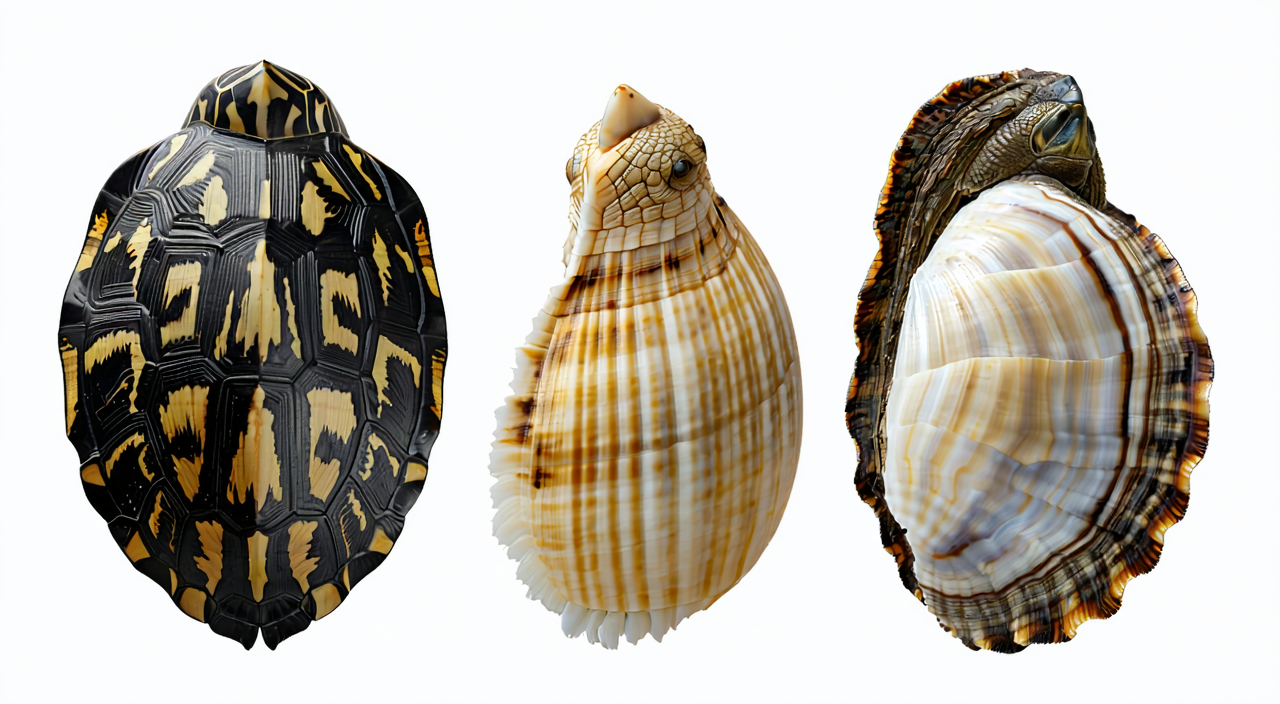
Biejia, turtle shell, and oyster shell differ in appearance and source, but all frequently appear in formulas for nourishing yin, subduing yang, or calming the liver, so they are easily confused. Turtle shell usually comes from the plastron of turtles, is harder and heavier in texture, and traditionally tends to nourish yin, benefit the kidneys, and strengthen bones. Biejia comes from the carapace of the Chinese softshell turtle, is relatively thinner and lighter in texture, and traditionally tends more to nourish yin, subdue yang, soften hardness, and dissipate masses. Oyster shell is a shell type and comes from the shell of oysters; it is heavy and hard in texture and is traditionally used more for calming the liver, subduing yang, and astringing and consolidating.
In simple terms, Biejia is the carapace of a soft-shelled turtle, turtle shell is usually the plastron and is harder, and oyster shell is a seashell. Although the three may be used for some similar body states, their traditional emphases and medicinal origins are not the same. Understanding these differences can help prevent confusion when reading formulas or medicinal diets.
Which Formulas Use Biejia?
Formulas containing Biejia are not rare in traditional literature. Several common formulas are listed below only to help readers understand traditional formulation thinking.
Qinghao Biejia Tang
Qinghao Biejia Tang is one of the more typical formulas, composed of Qinghao, Biejia, Shengdihuang, Zhimu, Mudanpi, and other ingredients. It is traditionally used in the later stage of warm disease when yin fluids are insufficient and residual heat has not cleared, often with manifestations such as fever at night and no sweating after fever subsides. In its formulation, Biejia is often combined with Qinghao to achieve the intention of nourishing yin and venting heat. Whether it is suitable to use needs to be judged comprehensively in combination with pulse presentation, tongue presentation, and other signs.
Biejia Jian Wan
Biejia Jian Wan is often associated with traditional disease patterns such as malaria with abdominal masses and masses below the ribs. Its composition is relatively complex, and it is mostly used within the traditional thinking framework for chronic hepatosplenomegaly. This formula is not a daily health formula, and physician guidance is especially needed before use. Different manufacturers or literature versions may differ in composition and dosage, and the formula should not be self-prepared according to the formula.
Qinjiao Biejia San
Qinjiao Biejia San is mainly composed of Qinjiao, Biejia, Chaihu, and other ingredients, and is traditionally used for manifestations such as steaming bone tidal fever and night sweats. Its thinking tends to clear deficiency heat and relieve steaming bone, and it is suitable to consider in contexts where yin deficiency with internal heat is evident. However, whether it is suitable for an individual still requires pattern differentiation.
Dahuang Zhechong Wan
Dahuang Zhechong Wan also contains Biejia. This formula is often used for complex states such as blood stasis accumulating internally, abdominal masses, emaciation, and rough, scaly skin. Because its composition includes many blood-activating and stasis-resolving herbs, people with a weak constitution or without the corresponding indications should not use it on their own.
These formulas are mostly traditional compound formulas. Whether they are suitable for an individual needs to be judged by combining constitution, symptoms, disease course, and professional pattern differentiation. It is not recommended to buy them directly by name or take them exactly as written. Different products may differ in dosage form and composition ratio, so before use, read the product instructions and listen to professional advice.
What Precautions Should Be Taken When Using Biejia?
Before using Biejia, several points need attention. People with spleen and stomach deficiency cold, prone to diarrhea, or with poor appetite should be especially cautious when using a relatively rich, cloying medicinal ingredient such as Biejia; it may not be suitable to use alone or over a long period. Women who are pregnant, breastfeeding, or preparing for pregnancy have special body conditions and should avoid using it on their own. People who are allergic to soft-shelled turtle meat, Biejia, or other animal proteins may experience discomfort and need to rule out allergy risk first. When buying Biejia, pay attention to whether the source is clear, and avoid using shell pieces of unknown origin or unclear hygiene. For obvious lumps already found on the body, masses that continue to grow, prolonged low-grade fever, or unexplained weight loss, Biejia should not be used as a means of self-treatment; instead, seek medical attention as early as possible to identify the cause. In addition, Biejia usually needs to be decocted first or handled according to medical advice, so it should not be casually boiled in water as an ordinary food ingredient over a long period.
Summary
Biejia is an animal-derived medicinal ingredient whose medicinal part is the carapace of the Chinese softshell turtle. Identification mainly focuses on the oval carapace, relatively dark outer surface, whitish inner side, and rib-like edges. In traditional Chinese medicine, it is often used for nourishing yin and subduing yang, clearing deficiency heat and relieving bone steaming, and softening hardness and dissipating masses, and it appears in compound formulas such as Qinghao Biejia Tang and Biejia Jian Wan. Whether it is suitable for personal use needs to be judged according to constitution, symptoms, and professional advice. This article is for informational reference only and cannot replace professional diagnosis or treatment advice.