
What Is Bu Zha Ye? Medicinal Parts, Identification, and Common Formulas
In the Lingnan region, Bu Zha Ye is commonly found in local cooling teas, herbal beverages, and traditional compound formulas. Many people have heard the name but may not know which plant it comes from, which part is actually used, or how to distinguish it from common leaf-based medicinal materials such as mulberry leaves and lotus leaves. This article explains what Bu Zha Ye is by examining its appearance, medicinal parts, traditional uses, and precautions.
What Does Bu Zha Ye Look Like? How Can It Be Identified?
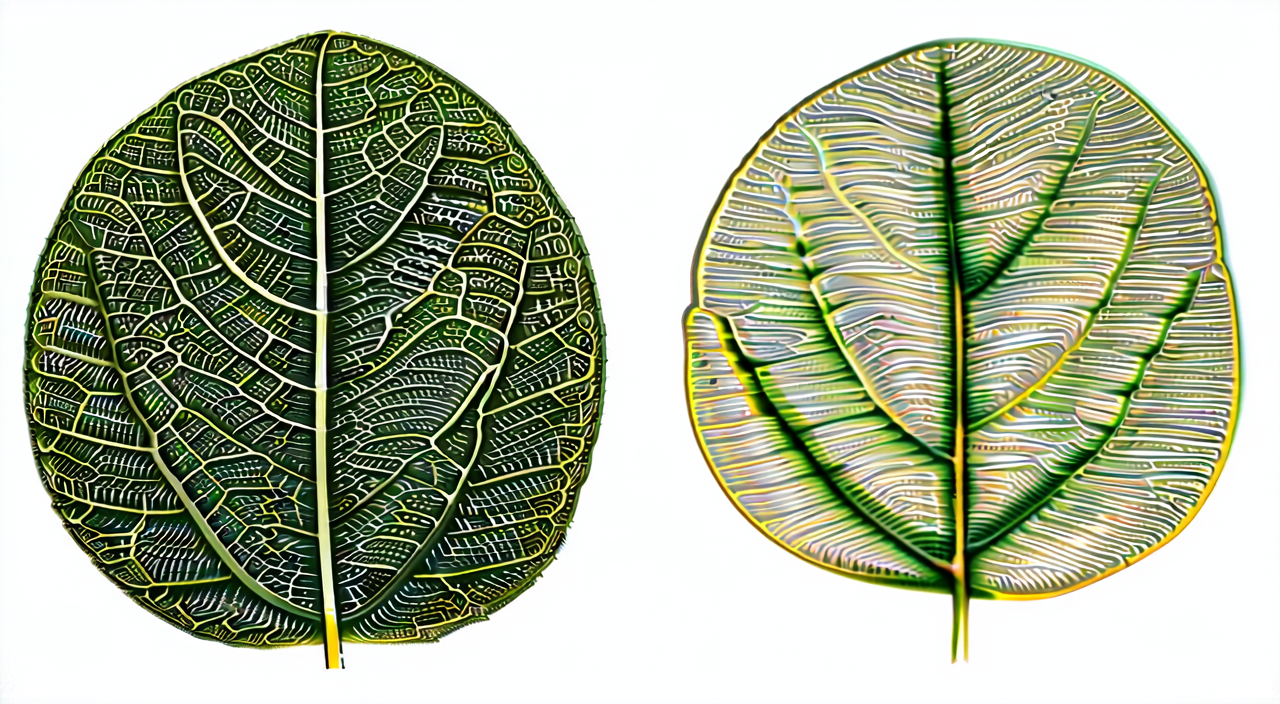
Bu Zha Ye comes from Microcos paniculata and is usually used as dried leaves in traditional medicine or herbal teas. Fresh leaves are generally ovate, elliptical, or nearly oval in shape. The tips are relatively pointed, and fine serrations can be seen along the margins. The leaf base commonly has three main veins, meaning that three relatively prominent veins extend outward from the area near the junction between the petiole and the leaf blade. This is a useful feature for identification.
Dried Bu Zha Ye is usually grayish green, yellowish green, or dark green. Its color may vary in depth depending on drying and storage time. The underside of the leaf is generally lighter than the upper surface and has some fine hairs, making it feel less smooth than a mulberry leaf. Complete leaves may be curled, wrinkled, or broken, so color alone is not a reliable basis for identification. The leaf shape, margins, veins, and underside should be considered together.
Bu Zha Ye sold on the market may also appear as cut sections, fragments, or mixtures with other cooling-tea ingredients. When purchasing or identifying it, check for a moldy smell, obvious moisture damage, insect infestation, or unusual coloring. If the source cannot be confirmed, it should not be substituted based solely on online images without professional identification.
What Is the Medicinal Part of Bu Zha Ye?
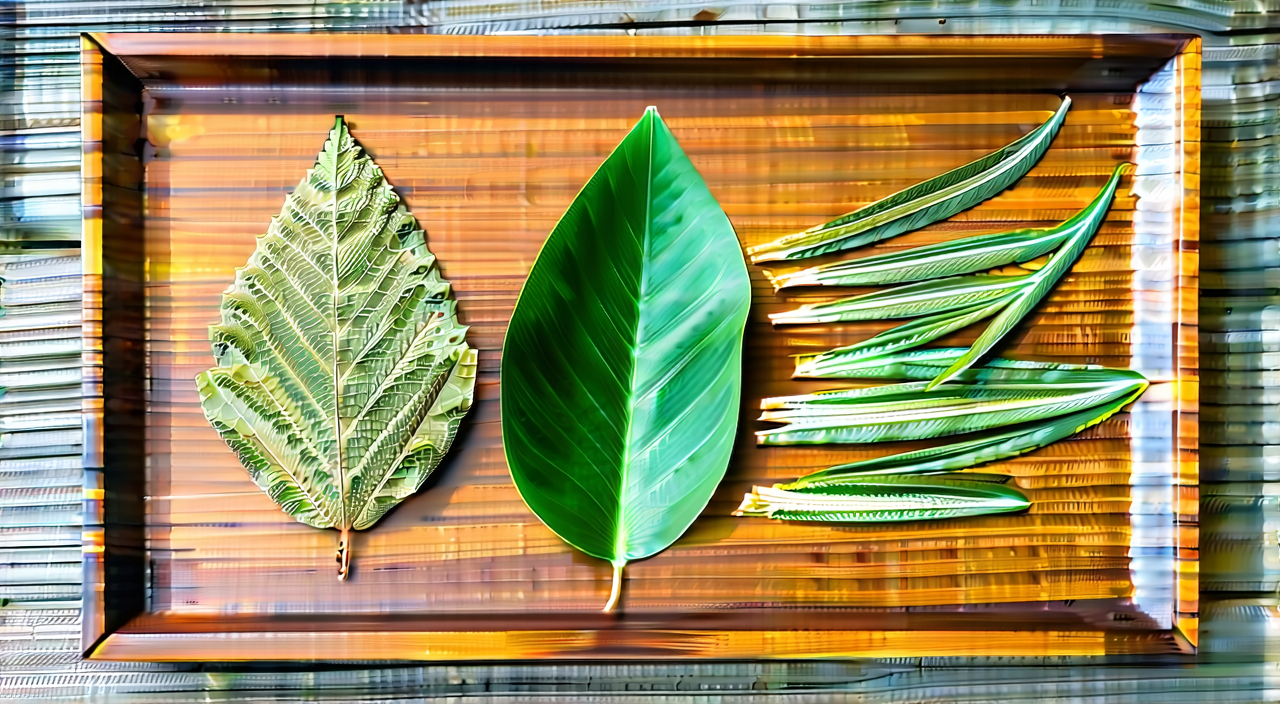
The traditional medicinal part of Bu Zha Ye is mainly the leaf of Microcos paniculata. It is usually harvested in summer and autumn, then selected, cleaned, and dried before use. In some regions, the leaves are cut into sections to make decocting, combination with other herbs, or preparation as a herbal tea more convenient. In other words, the term “Bu Zha Ye” generally refers to the dried leaves rather than the roots, stems, flowers, or fruit.
Leaf-based medicinal materials readily absorb moisture and odors from the air. They should be stored in a dry, well-ventilated, and shaded place, away from strongly scented items. If the material has visibly changed color, developed mold or an unusual odor, or become damp and clumped, discontinue use. Different sources, processing methods, and storage conditions may affect appearance and quality, so practical use should be guided by products from reputable sources and their labeling.
How Do Traditional Chinese and Lingnan Medicine Understand Bu Zha Ye?
In traditional Chinese medicine and regional Lingnan medicinal practice, Bu Zha Ye is commonly understood from the perspectives of clearing heat, reducing food stagnation, and promoting the removal of dampness. Because the Lingnan climate is hot and humid, local cooling-tea culture often combines multiple herbs for dietary support during periods of excessive eating, exposure to hot and humid conditions, or consumption of rich and strongly flavored foods. Traditional references and folk use also contain descriptions related to “reducing jaundice,” but this should not be equated with diagnosing or treating liver or biliary disease.
From the perspective of traditional Chinese medicine theory, the role of an herb is generally assessed in relation to constitution, season, diet, symptoms, and compatibility with other ingredients. The same leaf-based medicinal material may have different purposes and priorities when included in different formulas. The fact that Bu Zha Ye is used in cooling teas does not mean that every tea containing it is suitable for long-term consumption, nor should traditional uses be directly interpreted as treatment effects in the sense of modern medicine.
What Can Modern Research Tell Us About Bu Zha Ye?
Modern research generally examines Microcos paniculata and its extracts in terms of plant constituents, antioxidant characteristics, in vitro experiments, and animal studies. Such research can help clarify its chemical composition and potential activity, but experimental findings cannot be directly equated with actual effects in humans. They also cannot replace properly conducted human studies, medicinal product evaluations, or professional diagnosis and treatment.
For ordinary consumers, it is more important to distinguish between “records of traditional use,” “laboratory observations,” and “evidence from clinical applications.” If a product is labeled as containing Bu Zha Ye, check its complete formula, specifications, directions for consumption or use, and information about intended users. Avoid making judgments based solely on a single ingredient.
How Is Bu Zha Ye Different from Mulberry and Lotus Leaves?
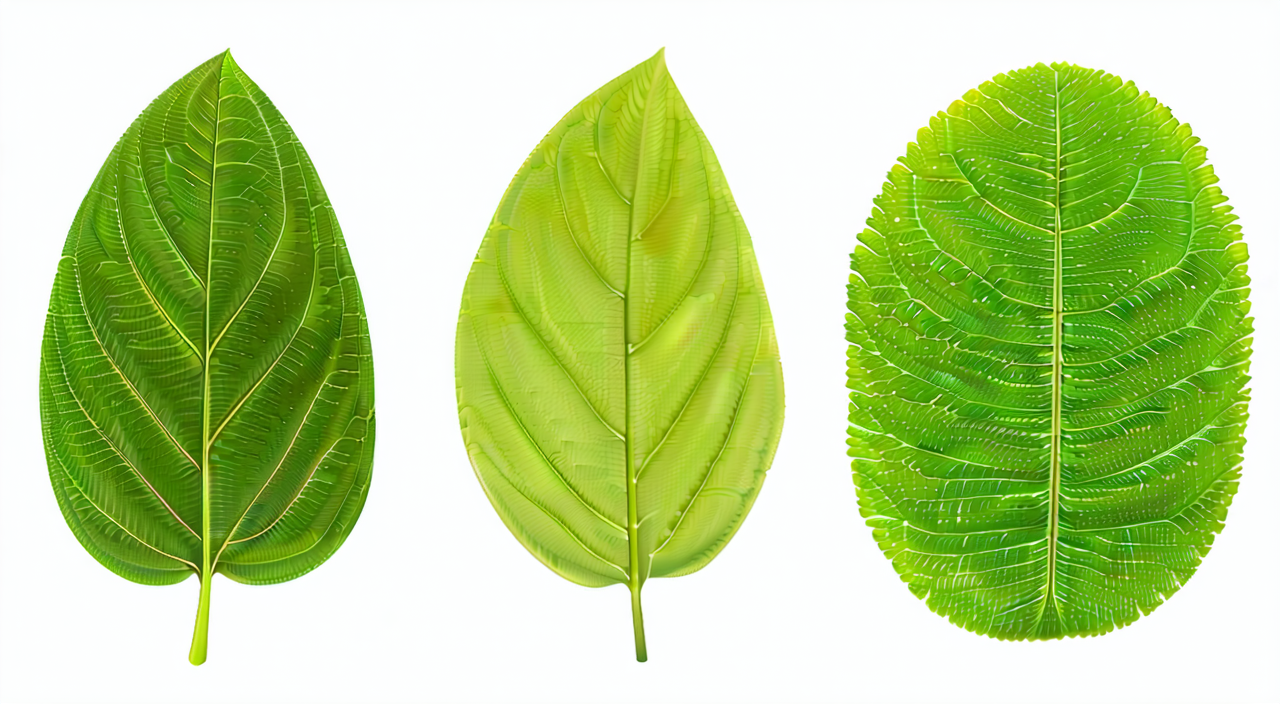
Bu Zha Ye, mulberry leaves, and lotus leaves may all appear as dried leaves, but their appearance and traditional uses are different. Bu Zha Ye leaves are generally ovate or elliptical, with pointed tips, serrated margins, and clearly visible three-way veins at the base. The underside often has fine hairs, and the overall color tends to be grayish green or yellowish green.
Mulberry leaves are usually ovate, broadly ovate, or irregularly lobed, with relatively distinct serrations along the margins and clearly visible veins on the surface. Some leaves have a heart-shaped or nearly heart-shaped base. The size and shape of mulberry leaves can vary considerably depending on the variety and the maturity of the leaf, so it is not reliable to draw a conclusion from the outline of a single leaf.
Lotus leaves are round or nearly round, with the petiole extending from the center or near the center of the leaf. Their veins radiate outward, and the leaves are usually larger than Bu Zha Ye and mulberry leaves. Dried lotus leaves are often curled or broken, but the central petiole and radiating vein pattern may still remain. The three materials differ in leaf shape, veins, margins, size, and the texture of the underside, but once they have been cut into small pieces and mixed together, accurate identification by sight becomes more difficult.
Which Formulas or Teas Contain Bu Zha Ye?
Bu Zha Ye is commonly found in Guangdong-style cooling-tea formulas and some formulas traditionally associated with clearing heat and reducing food stagnation. It is usually combined with other herbs rather than used alone as a fixed regimen. Formulas may vary considerably by region, brand, and product, and cooling teas with similar names do not necessarily contain exactly the same medicinal ingredients.
In the context of food and beverages, Bu Zha Ye tea can be understood as a traditional herbal drink made with Bu Zha Ye or a formula containing it. Herbal beverages and formulas used as medicines or in healthcare institutions differ in regulatory status, dosage, and intended use. Follow the brewing or consumption instructions on the package, and do not increase the concentration on your own or treat the beverage as a plan for managing a specific disease.
If Chinese herbal slices, compound preparations, or proprietary Chinese medicines are involved, decisions should take into account individual constitution, current symptoms, product instructions, and professional advice. People who are taking other medicines, have chronic diseases, or need long-term management of a particular symptom should be especially cautious about combining multiple cooling teas or herbal products without guidance.
What Precautions Should Be Taken When Using Bu Zha Ye?
First, people with a weak and cold digestive system, a tendency to diarrhea, sensitivity to cold in the abdomen, or discomfort after consuming cold foods and beverages should observe caution before using teas based on a cooling approach. If necessary, consult a practitioner of traditional Chinese medicine or a doctor. Children, pregnant people, and breastfeeding individuals should not independently consume cooling teas containing multiple herbs over a long period. Older adults and people with chronic diseases should also first review the formula and consider their personal circumstances.
Second, treating cooling tea as a daily substitute for water over the long term may cause people to overlook diet, sleep, daily routines, and underlying health problems. Bu Zha Ye and related formulas cannot replace examination and treatment for digestive, liver, or biliary diseases. If jaundice, noticeably dark urine, persistent abdominal pain, recurrent vomiting, black stools, significant unexplained weight loss, or recurring symptoms occur, consult a doctor or other qualified professional promptly.
Third, pay attention to the source of the herbal material, processing hygiene, and issues such as pesticide residues. Choose products from reputable sources and check the ingredient list, production information, expiration date, and storage requirements. Loose herbal materials from unknown sources, with an unusual odor, or showing possible mold should not be used. If a rash, gastrointestinal discomfort, palpitations, or any other unusual reaction occurs after consumption, discontinue use and seek professional help as appropriate.
Summary
Bu Zha Ye is the dried leaf of Microcos paniculata. Its common characteristics include ovate or elliptical leaves, serrated margins, three-way veins at the base, and a hairy underside. Traditionally, it is often used in Lingnan cooling teas and in combinations associated with clearing heat, reducing food stagnation, and promoting the removal of dampness. It differs from mulberry and lotus leaves in leaf shape, veins, and size, although fragmented herbal materials still require proper identification. This article is intended for general educational reference only. Specific use should be assessed according to product instructions, individual circumstances, and professional advice.