
What Is Tsaoko? Medicinal Parts, Identification, and Common Formulas
What is tsaoko? For readers who are just beginning to learn about traditional Chinese medicinal materials, tsaoko is often confused with ginger-family fruits such as white cardamom and black cardamom. It comes from the nearly mature seeds of the tsaoko plant and becomes the medicinal material described in traditional materia medica only after harvesting, removing the fruit shell, and drying. Because its appearance, aroma, and traditional applications are distinctive, understanding its medicinal part and identification methods can help when reading about Chinese medicinal materials and related formulas. This article is intended for general educational purposes. Specific use should still be considered in light of individual circumstances and professional advice.
What Does Tsaoko Look Like? How Can It Be Identified?
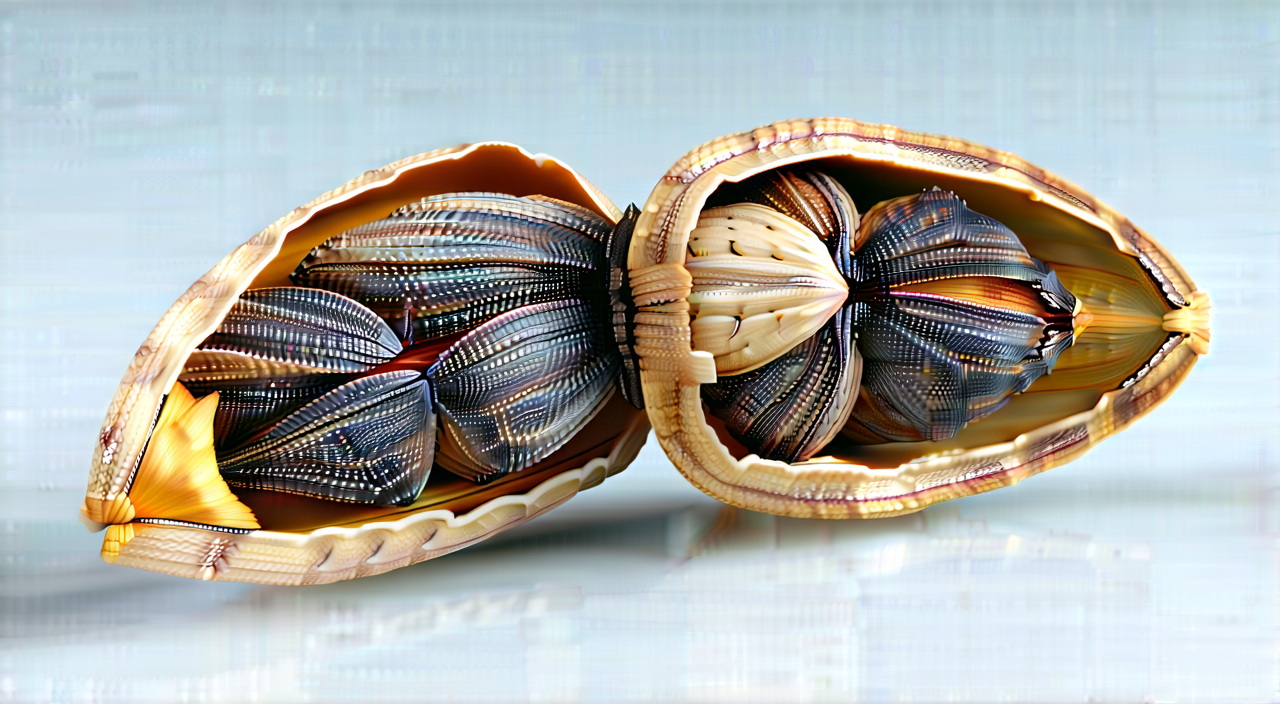
Tsaoko is a seed-type medicinal material derived from the fruit of a ginger-family plant. The intact fruit is usually roughly spherical, oval, or slightly angular. Its surface color may range from yellowish brown to grayish brown depending on its maturity and degree of drying. In traditional medicinal-material products, the commonly seen form is the seed cluster with the fruit shell removed, so identification should focus on the internal structure rather than only the outer shell.
After the shell is opened, the seed cluster is generally nearly spherical and grayish brown or brownish gray in color. Three compartments can be seen inside. Each compartment contains numerous seeds, which are usually irregularly polygonal, with a slightly wrinkled surface and sometimes faint markings. The overall texture is relatively hard. When the material is broken or opened, it releases a distinct and intense spicy aroma, one of the more characteristic sensory features used to identify tsaoko.
When examining it, four features can be considered: first, whether the seed cluster is nearly spherical; second, whether the interior has three compartments; third, whether the seeds are polygonal and densely arranged; and fourth, whether the aroma is notably spicy and fragrant. Color alone cannot provide a complete determination, as differences in place of origin, harvesting time, processing, and storage conditions may all affect its appearance. If the source needs to be authenticated, consult reliable medicinal-material information or seek help from a qualified professional.
What Is the Medicinal Part of Tsaoko?
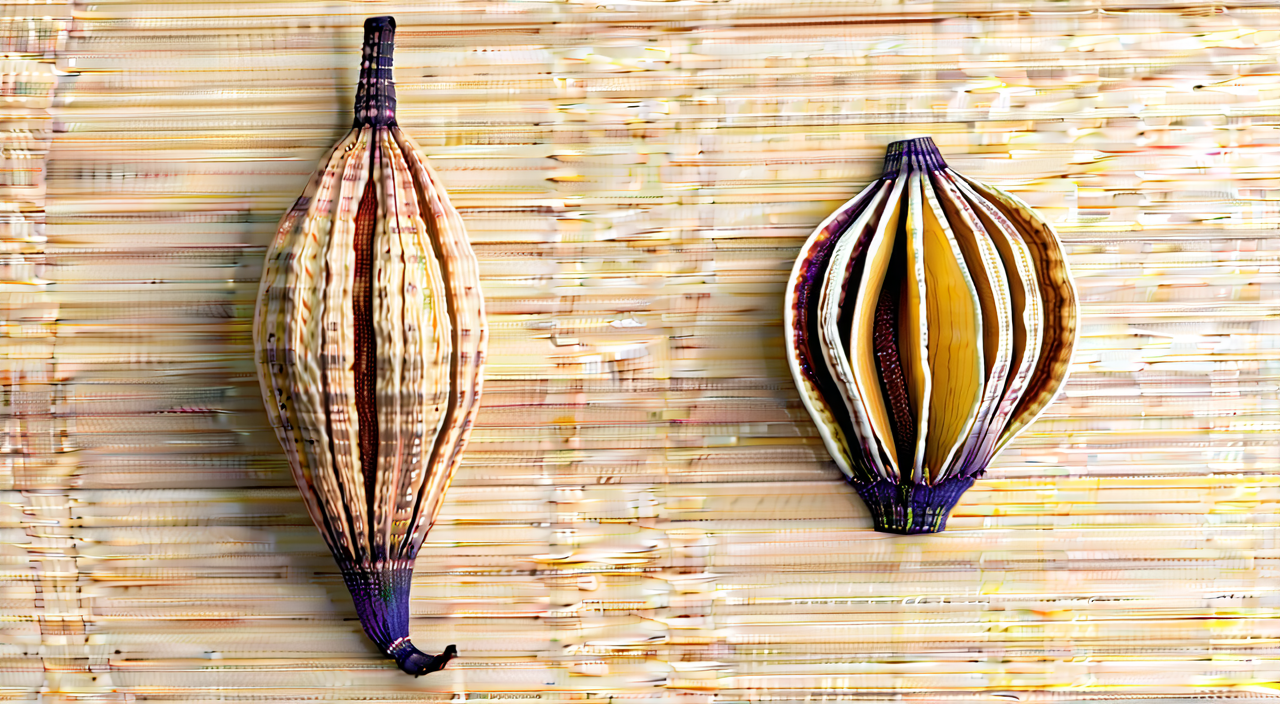
The medicinal part of tsaoko is primarily the seed cluster from the nearly mature fruit. It is harvested before the fruit is fully mature, after which the fruit shell is removed and the remaining material is dried. The key medicinal part is the seed cluster, not the leaves, roots, or intact fruit shell of the tsaoko plant. Harvesting at the nearly mature stage helps preserve the aroma and internal structure traditionally valued in the medicinal material, although specific harvesting and processing methods may vary according to the place of origin and applicable standards.
Dried tsaoko seed clusters should generally be sealed, protected from light, and stored in a dry place to reduce moisture absorption, mold growth, and loss of aroma. Because its fragrance and volatile constituents are relatively prominent, the aroma may gradually weaken if it is stored for too long or packaged improperly. When purchasing or identifying the material, check whether its appearance is intact, whether there are signs of insect damage or mold, and whether the aroma is abnormal.
It is important to note that tsaoko seed clusters, white cardamom, and black cardamom fruits are all commonly used aromatic medicinal materials from the ginger family, but their source plants, morphological structures, and traditional applications differ. They should not be considered fully interchangeable simply because their names contain similar terms or their appearances are somewhat alike.
How Does Traditional Chinese Medicine Understand Tsaoko?
Traditional Chinese medicine commonly understands tsaoko from the perspectives of aromaticity, pungency, warmth, drying dampness, and promoting qi movement. In related materia medica and formula concepts, it is often included in combinations directed toward cold-damp patterns, dampness obstructing the middle burner, epigastric and abdominal fullness, poor appetite, or nausea and vomiting associated with cold-dampness. These descriptions belong to traditional theory and usage experience and do not constitute a diagnosis of a specific disease or individual symptom.
From the perspective of herbal combinations, the spicy aroma of tsaoko means that it is often used with medicinal materials traditionally associated with regulating qi, drying dampness, and warming the middle burner. Traditional formulas generally do not determine suitability based on a single medicinal ingredient. Instead, they consider cold and heat, deficiency and excess, the severity of dampness, the condition of the spleen and stomach, and the overall symptom pattern. Therefore, the same symptom, such as abdominal fullness or nausea, may correspond to different pattern-identification approaches depending on a person’s constitution and underlying cause.
If symptoms persist for a long time, recur frequently, or are accompanied by significant abdominal pain, persistent vomiting, black stools, unexplained weight loss, fever, or other concerning signs, do not rely on tsaoko or related formulas for self-treatment. Consult a doctor or qualified professional promptly.
How Can Modern Research Be Viewed?
Modern research commonly focuses on the volatile oil, volatile constituents, and other chemical components of tsaoko. Through compositional analysis, in vitro experiments, or animal studies, researchers observe its possible biological activities. Such studies can help clarify the composition of the medicinal material and its traditional areas of use, but experimental findings cannot be directly equated with effects in humans and cannot replace appropriate clinical judgment.
The aroma and stimulating qualities of tsaoko are associated with its volatile constituents. The place of origin, maturity at harvest, drying method, and storage environment may all influence the proportions of these constituents. For general consumers, modern research should be read with attention to the experimental stage, study subjects, and actual use setting. A person should not increase the dosage or extend the duration of use solely on the basis of a single research conclusion.
What Is the Difference Between Tsaoko, White Cardamom, and Black Cardamom?
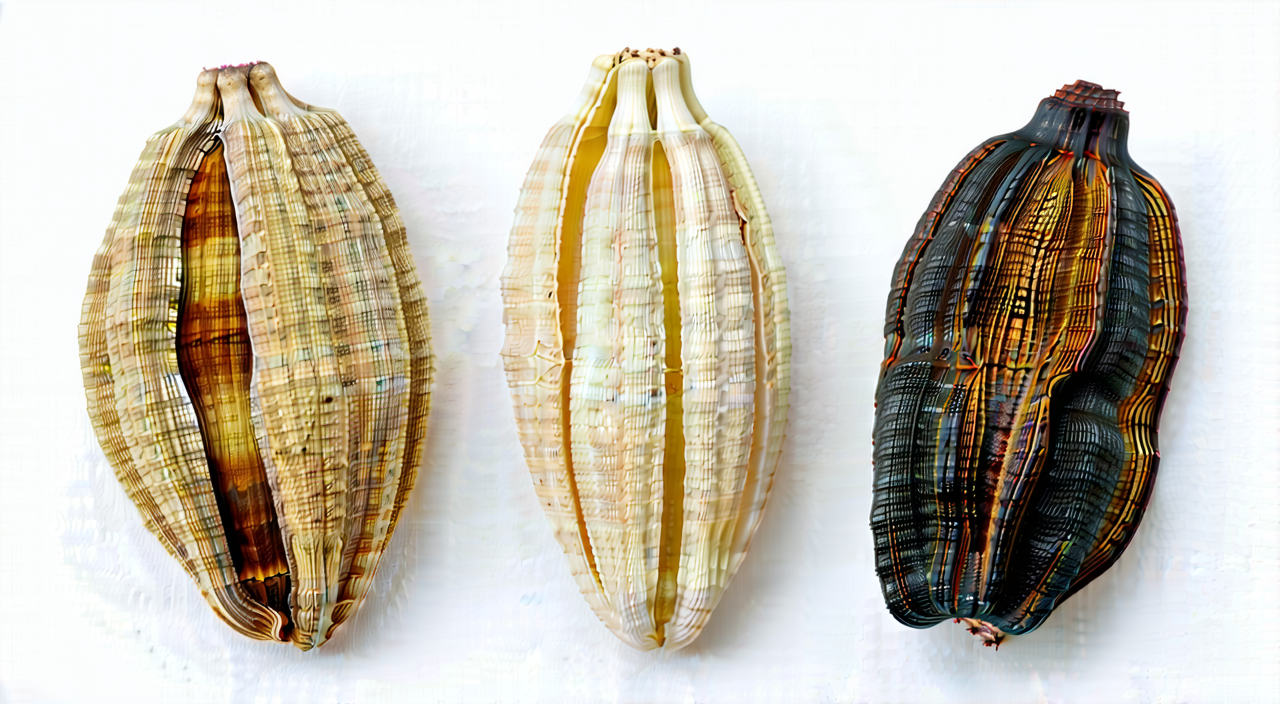
Tsaoko, white cardamom, and black cardamom are all aromatic fruits or seed-based medicinal materials from the ginger family, but they can be preliminarily distinguished by their source, appearance, and aroma.
- Tsaoko: The traditional medicinal part generally refers to the seed cluster inside the nearly mature fruit. After the shell is removed, a nearly spherical structure with three compartments can be seen. The seeds are mostly irregularly polygonal, grayish brown to brownish gray, and have a relatively strong spicy aroma.
- White cardamom: The outer shell is usually lighter in color, and the fruit is generally roughly spherical. The internal seed cluster also has compartments, but the overall color is usually yellowish white, milky white, or light brown, with a fresh and distinctly aromatic fragrance. Its exact appearance may vary according to the condition of the medicinal material.
- Black cardamom: The fruit is usually larger and generally brownish brown on the outside, with relatively prominent longitudinal ridges or wrinkles. It also contains an internal seed cluster and has a spicy, aromatic, and comparatively heavier fragrance. The size and shell characteristics of the intact fruit are often easier to observe than those of tsaoko.
These characteristics are suitable only for preliminary educational identification and cannot replace authentication of the botanical source. Loose medicinal materials, cut materials, and powders are particularly difficult to distinguish accurately with the naked eye. Before use, pay attention to the product name, source, specifications, and quality information.
Which Traditional Formulas Contain Tsaoko?
In traditional formula references, tsaoko commonly appears as an ingredient used in combinations directed toward warming the middle burner, drying dampness, and promoting qi movement. The following are common traditional examples containing tsaoko. They are provided to explain classical combination principles and should not be regarded directly as personal treatment plans.
Houpo Wenzhong Decoction
Houpo Wenzhong Decoction is traditionally formulated to warm the middle burner, promote qi movement, dry dampness, and relieve fullness. It has traditionally been used for patterns involving cold-dampness and qi stagnation, with epigastric or abdominal fullness, pain, or discomfort. In the formula, tsaoko is combined with herbs such as magnolia bark and tangerine peel, reflecting the traditional approach of using aromatic warming substances to regulate qi and transform dampness. Whether it is suitable in a specific case requires consideration of symptoms, constitution, and professional pattern identification.
Tsaoko Pill
Tsaoko Pill includes tsaoko as one of its principal ingredients. Its traditional combination strategy generally centers on warming the middle burner, drying dampness, promoting qi movement, and harmonizing the stomach. Different classical sources, preparation methods, and modern products may vary, so the formula’s name alone cannot determine its appropriate uses. When considering a related patent medicine, also review the product information, ingredients, directions, dosage, and contraindication warnings.
Tsaoko Powder
Tsaoko Powder is a traditional formula name referring to a combination of tsaoko with other medicinal materials. Its exact ingredients may vary according to the medical text, school of practice, or product version. When learning about this type of formula, first confirm its specific source and ingredients, then consider individual circumstances. Different versions should not be treated as the same preparation without verification.
What Precautions Should Be Taken When Using Tsaoko?
Tsaoko is traditionally characterized as pungent, warm, aromatic, and drying. It is not necessarily suitable for long-term or indiscriminate use in every constitution. According to traditional theory, people with yin deficiency and blood dryness, a tendency toward dry mouth and throat, or hot flashes and night sweats should be especially cautious before using it. Those with a tendency toward stomach fire, recurrent mouth or tongue sores, or a burning sensation in the stomach should also exercise caution. If there is noticeable stomach discomfort, do not repeatedly increase the amount without professional guidance.
People who are pregnant or breastfeeding, children, older adults, and those taking other medications should consult a doctor, traditional Chinese medicine practitioner, or pharmacist before using tsaoko, related decoctions, or patent medicines. Because tsaoko contains notable volatile constituents, the risk assessment for direct use of highly concentrated volatile oils, essential oils, or concentrated extracts cannot simply be equated with ordinary culinary use or traditional decoction. Follow the product instructions and professional advice carefully.
If persistent stomach irritation, skin discomfort, worsening nausea, or any other unusual reaction occurs after use, stop experimenting on your own and seek professional advice. For severe, long-lasting, or recurrent symptoms—especially when accompanied by marked anxiety, depression, palpitations, chest tightness, abnormal breathing, severe abdominal pain, persistent vomiting, black stools, or weight loss—seek medical attention promptly. Do not use tsaoko or related formulas as a substitute for diagnosis or treatment.
Summary
Tsaoko primarily refers to the seed cluster inside the nearly mature fruit of the tsaoko plant. After the fruit shell is removed and the material is dried, it is grayish brown and nearly spherical, with three internal compartments and mostly polygonal seeds that give off a strong spicy aroma. It differs from white cardamom and black cardamom in fruit size, color, structure, and aroma. In traditional formulas, it is commonly used in approaches directed toward warming the middle burner, drying dampness, and promoting qi movement. Specific use should be determined according to constitution, symptoms, product information, and professional advice. This article is for educational reference only and cannot replace professional diagnosis or treatment advice.