
What Is Chi Xiao Dou? Medicinal Part, Identification Methods, and Common Formulas
Rather than saying “Chi Xiao Dou” directly, many overseas friends are more familiar with the “red beans” in supermarkets. Those plump, round red beans used for porridge, bean paste, and zongzi are common pantry staples. But in Chinese herbal medicine, Chi Xiao Dou and the everyday red bean are not quite the same thing. When seeking to use Chi Xiao Dou to address water retention, dampness, or skin problems, a common confusion is: which bean should you choose? What does it look like? Which part is used medicinally? And how do you tell it apart from red beans and even the poisonous jequirity bean? This article addresses these questions by clarifying the basic characteristics, traditional uses, and common formulas of Chi Xiao Dou.
What Does Chi Xiao Dou Look Like? How to Identify It
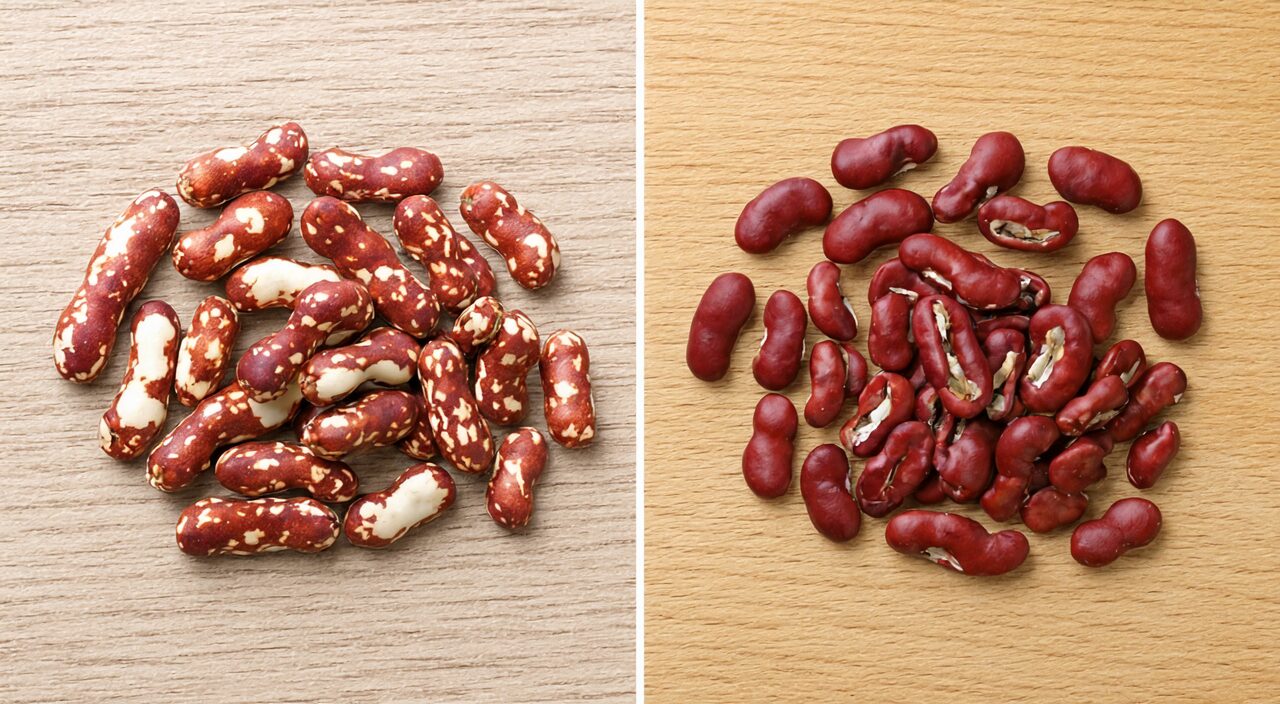
To identify Chi Xiao Dou, you cannot rely solely on the impression of a “small red bean.” Chi Xiao Dou usually comes from the mature seeds of the legume plants Vigna umbellata (rice bean) or Vigna angularis (adzuki bean). All are reddish-brown or dark red, but the shape and details differ.
Appearance of Two Common Sources
On the market, Chi Xiao Dou mainly falls into two categories: one is the true rice bean, with seeds that are oblong or cylindrical, slightly flattened, about 5–8 mm long and 2–4 mm in diameter, with a smooth, slightly glossy dark reddish-brown or purplish-red surface. The other is the adzuki bean, with seeds closer to a rectangular-round shape, sometimes called “rice adzuki bean,” which are slightly larger and plumper.
The Most Crucial Identifying Feature: The White Hilum
Regardless of the source, Chi Xiao Dou has a very distinctive mark—a white, linear hilum. Observe the side of the bean carefully: you will see a slightly raised, linear white scar that does not quite reach the ends of the seed, located roughly in the middle. This feature helps distinguish it from ordinary red adzuki beans and is one of the key points checked during herbal material inspection.
Texture and Cross-Section
Dried Chi Xiao Dou is hard in texture and not easily crushed between the fingers. When cut open, the cross-section reveals a white endosperm and two cotyledons. It has no obvious odor, and chewing yields a beany taste. If the beans in your hand crumble easily or have an abnormal cross-section color, you should be cautious.
What Is the Medicinal Part of Chi Xiao Dou?
The medicinal part of Chi Xiao Dou is precisely the mature seed. In summer and autumn, when the pods turn yellow and the seeds are ripe, the plants are harvested—either the above-ground parts are cut, or the whole plants are pulled up. They are dried in the sun, the seeds are threshed, impurities are removed, and the seeds are further dried to a suitable moisture content to become Chi Xiao Dou medicinal material ready for storage.
Key Points on Harvesting and Processing
Traditionally, harvesting time affects the plumpness and constituents of the seeds. Harvesting too early results in insufficiently firm seeds, while harvesting too late leads to pod splitting and seed loss in the field. After harvesting, prompt drying is required to prevent mold. In distribution, Chi Xiao Dou is often used directly as cleaned, dried seeds, or it can be crushed or ground as needed.
It is worth noting that although the red adzuki beans used in everyday soups are also seeds of leguminous plants, their medicinal positioning is not fully equivalent to Chi Xiao Dou. In most standard prescriptions, when “Chi Xiao Dou” is written, the pharmacy will dispense the oblong or cylindrical variety described above, not the round, plump red adzuki bean.
How Does Chinese Medicine Understand Chi Xiao Dou?
From the perspective of Chinese medicine, Chi Xiao Dou is not simply a herb to “reduce edema”; there is a complete framework of thought behind it.
Promoting Urination and Reducing Swelling, Mainly Acting on the Lower Burner
Traditional Chinese medicine considers Chi Xiao Dou sweet, sour, and neutral in nature, entering the Heart and Small Intestine meridians. Its water-draining action is often used for water-dampness lodged in the lower burner or flooding the skin, manifesting as edema, difficult urination, or leg Qi swelling. In many strategies for improving water-sodium retention, Chi Xiao Dou is used to expel water-dampness through urination. However, this “promoting urination” is not simple dehydration; it suits conditions with excessive water-dampness and scanty, short urination, but is not suitable for all types of edema.
Resolving Toxins and Discharging Pus, with Additional Skin Benefits
Another characteristic of Chi Xiao Dou is its ability to “resolve toxins and discharge pus.” In the traditional external medicine direction, for early-stage abscesses, sores, redness, swelling, heat, and pain, Chi Xiao Dou is sometimes ground into powder and applied topically, or taken internally in combination with other medicinals to drive out pathogens. For some damp-heat related skin issues, such as recurrent eczema or lingering damp-turbidity after herpes zoster, a physician may also add Chi Xiao Dou to a formula based on pattern differentiation.
Relationship with the Heart and Small Intestine
Because Chi Xiao Dou enters the Heart and Small Intestine meridians, Chinese medicine often understands it from the concept of “the Heart transferring heat to the Small Intestine.” When heat from the Heart meridian is transmitted to the Small Intestine, causing scanty, dark urine or painful, rough urination, Chi Xiao Dou can clear Heart fire and promote urination, guiding heat out through the urine. However, this approach must be used within a complete pattern differentiation framework. For any recurring symptoms, it is advisable to consult a doctor.
What Are the Differences Between Chi Xiao Dou, Red Adzuki Beans, and Jequirity Beans?
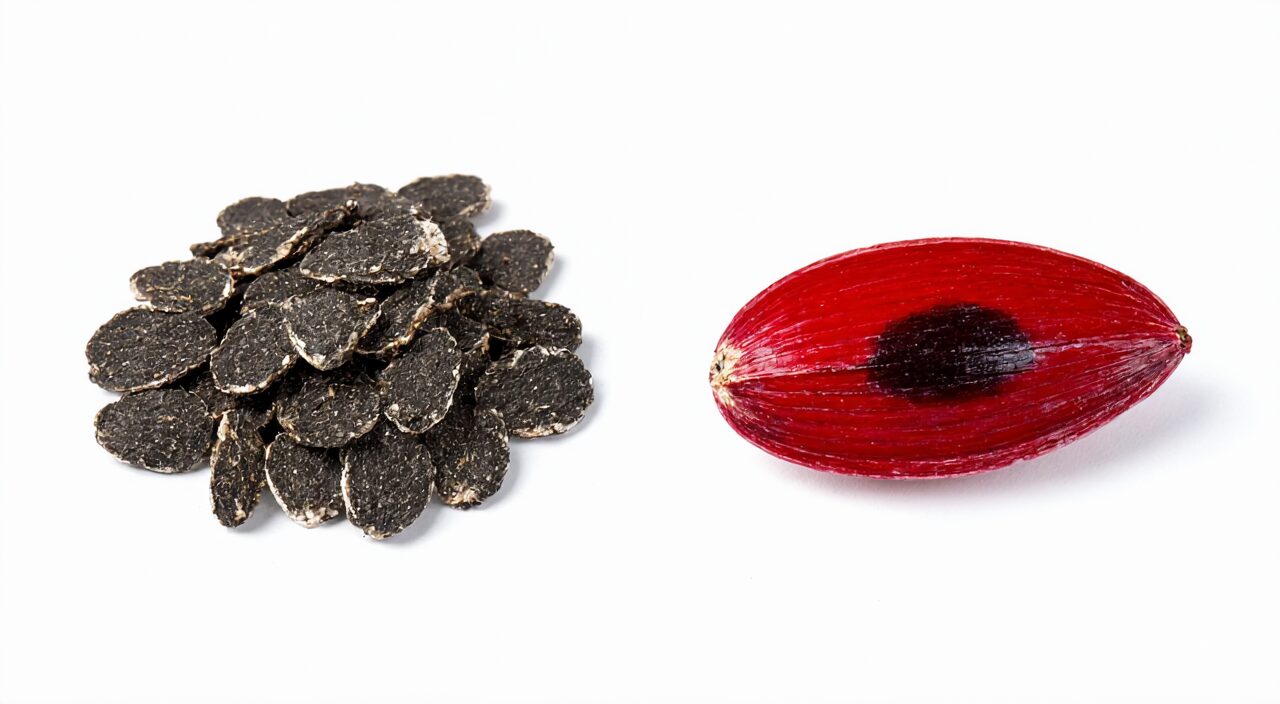
This topic may be one of the easiest pitfalls in practical use.
Chi Xiao Dou vs. Red Adzuki Beans: Different Roles as Medicine and Food
Red adzuki beans generally refer to elliptical or nearly round edible red beans with a bright red or light red surface, a less conspicuous hilum, and a slightly looser texture than Chi Xiao Dou, making them easier to cook until soft. From traditional experience, Chi Xiao Dou has more concentrated power to promote urination and drain dampness, while red adzuki beans lean toward nourishing blood and benefiting the spleen and are more often used as food. For simple daily dietary therapy, occasionally substituting red adzuki beans may not have a large impact; however, in contexts requiring clear water-draining and swelling-reducing effects, Chi Xiao Dou should be selected.
Chi Xiao Dou vs. Jequirity Bean: A Deadly Confusion
The most critical warning is about the jequirity bean (Abrus precatorius). Commonly called “love pea” or “rosary pea,” it is not the same as Chi Xiao Dou. The jequirity bean is elliptical, mostly bright red, but about one-third is black, with a black patch around the hilum, giving it a striking appearance. The jequirity bean contains the highly toxic protein abrin; even a single seed can cause severe poisoning and be life-threatening. It must never be used as Chi Xiao Dou or consumed as a tea or food. Every year, there are poisoning cases due to mistaken identification. If you have “red beans” of unknown origin, especially those with black coloration, discard them immediately; do not attempt to identify and then consume them.
Which Formulas Use Chi Xiao Dou?
Chi Xiao Dou frequently appears in classic formulas as an assistant or guiding herb, playing roles in promoting urination, resolving toxins, or directing the action of other herbs. Below are three common formulas as examples to understand its use.
Ma Huang Lian Yao Chi Xiao Dou Tang (Ephedra, Forsythia, and Rice Bean Decoction)
In the Treatise on Cold Damage (Shang Han Lun), this formula is primarily used to address exterior pathogens not resolved and damp-heat smoldering internally, leading to signs such as body yellowing and fever. The formula uses Ma Huang (ephedra), Lian Yao (forsythia fruit or root), together with Chi Xiao Dou, with the intention of opening the exterior, venting heat, and draining dampness to abate jaundice. In modern times, some modified applications of this approach appear in the management of chronic urticaria and acute glomerulonephritis with edema, but whether it is suitable must be determined by a physician based on tongue coating, pulse, and constitution.
Chi Xiao Dou Dang Gui San (Rice Bean and Chinese Angelica Powder)
This is a relatively simple formula consisting of only Chi Xiao Dou and Dang Gui (Chinese angelica). Traditionally, it is often used for damp-heat pouring downward and blood stasis internal obstruction causing bloody stools, hemorrhoid bleeding, or increased eye discharge. Here, Chi Xiao Dou can drain dampness while also resolving toxins and discharging pus, while Dang Gui invigorates and nourishes the blood. It is necessary to remind that when bloody stools or rectal bleeding occur repeatedly, gastrointestinal lesions must be ruled out first, and one should not self-treat solely with this formula.
Gua Di San (Melon Stalk Powder)
Gua Di San, with melon stalk (Gua Di) as the chief herb, combined with Chi Xiao Dou and fermented soybeans (Dou Chi), belongs to the emetic category. Traditionally, it is used for acute conditions such as phlegm-drool congestion and undigested food stagnating in the upper epigastrium, causing chest stuffiness and rigidity, rebellious Qi, and the urge to vomit. Chi Xiao Dou in this context serves to promote urination and downward action while protecting the middle Qi. This formula has a narrow application range and high emetic risk; it must be used under strict supervision by an experienced physician, and non-professionals should never attempt it on their own.
The formulas mentioned above are only records from traditional literature. Whether they suit an individual’s situation requires comprehensive judgment based on current constitution, symptom presentation, and product instructions, under the guidance of a professional.
What Precautions Should Be Taken When Using Chi Xiao Dou?
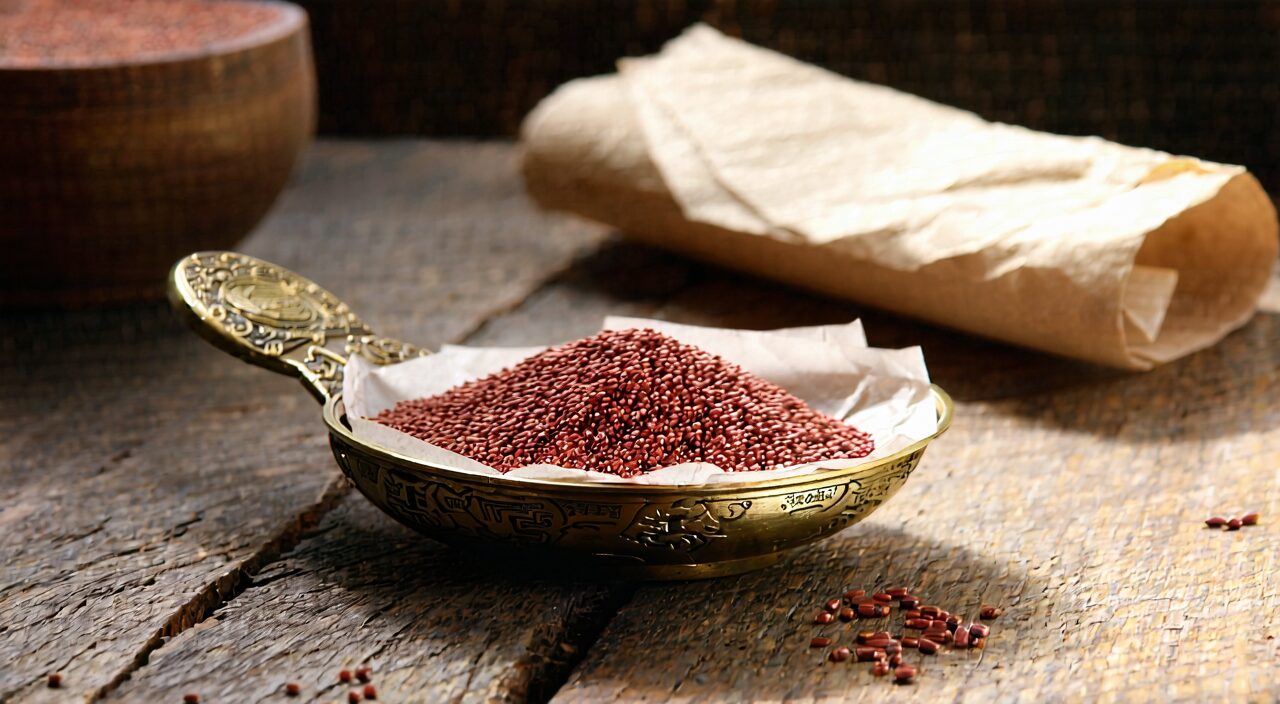
Although Chi Xiao Dou is one of the medicinal substances considered both food and medicine, and is commonly used in everyday soups, there are still several points that require special care during use.
Use with Caution in Fluid Deficiency and Dry Constitution
Chi Xiao Dou has a pronounced water-draining effect; therefore, people with underlying Yin-blood deficiency and insufficient thin fluids, such as those who often experience dry mouth and throat, dry skin, dry and hard stools, or who are thin and prone to rising deficiency heat, are not recommended to consume it in large amounts or over a long term. Excessive water drainage may aggravate the preexisting dryness condition.
Do Not Lightly Trust Weight Management Claims
Some health promotions present Chi Xiao Dou and coix seed water as a miracle weight-loss remedy. In reality, Chi Xiao Dou reduces the water component of body weight by decreasing water-dampness retention; it does not truly consume fat. Solely relying on draining water does not lead to healthy weight management, and long-term, large-quantity consumption may cause electrolyte imbalances in the body.
Alert for Those with Legume Allergies
Chi Xiao Dou belongs to the Fabaceae (legume) family. Individuals with known severe allergies to soybeans, peanuts, or other legumes may experience cross-reactions from contact with or consumption of Chi Xiao Dou. Extra caution should be exercised before use, and it is advisable to consult an allergy specialist when necessary.
Strictly Guard Against Confusion with Jequirity Beans
This is the most important safety reminder. Never self-collect beans resembling Chi Xiao Dou from unknown sources for medicinal use or cooking. Especially, any seed with a mix of red and black should be immediately excluded. Please purchase clearly labeled Chi Xiao Dou medicinal material or food products through formal channels; do not use wild-collected beans.
Summary
As a traditional diuretic and dampness-draining medicinal, Chi Xiao Dou cannot be identified by color alone. The white, linear hilum and the elongated shape are the key characteristics that distinguish it from everyday red adzuki beans, while confusing it with the toxic jequirity bean can cause serious risks. Its medicinal action revolves around promoting urination, reducing swelling, resolving toxins, and discharging pus, and it works within the context of specific formulas and constitutional patterns. It is not suitable for everyone; individuals with fluid deficiency or legume allergies need to be particularly vigilant. The use of any medicinal substance, including Chi Xiao Dou, should be based on accurate information and professional judgment.