
What Is a Pangolin? Medicinal Parts, Identification Methods, and Traditional Formulas
What is a pangolin? In the minds of many overseas Chinese-speaking users, it is both a wild animal covered in scales and a medicinal ingredient that once appeared in the history of traditional Chinese medicine. Because pangolins are now strictly protected endangered wild animals, questions often arise about their medicinal sources, traditional uses, and regulatory changes. This article introduces the basic concept of pangolin as a traditional medicinal material, its medicinal parts, traditional formulas, and the legal protection background from a historical and educational perspective, helping readers build a compliant and objective understanding.
1. What Does Pangolin Refer to in Traditional Chinese Medicine?
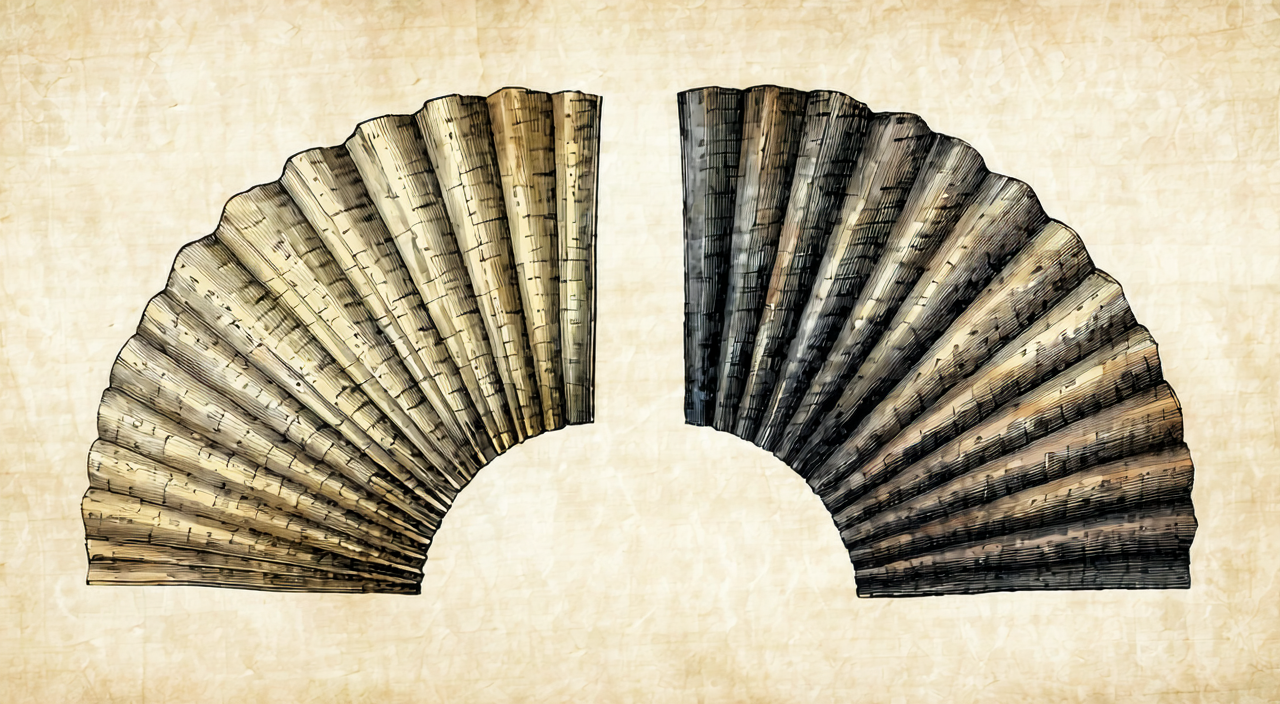
In traditional Chinese medicine, the term “pangolin” historically did not refer to the whole animal, but more often to the scales of the pangolin, an animal of the family Manidae. Ancient literature also contains names such as “ling li jia,” “shan jia,” and “chuan shan jia.” In traditional medicinal form, pangolin scales are mostly slightly irregular fan-shaped, triangular, or diamond-shaped, with longitudinal striations on the outer surface and a hard texture. After traditional processing, the scales may puff up, become crispy, and change color. It should be noted that these are only morphological descriptions of a historical medicinal concept and should not be regarded as a basis for modern identification, purchase, or processing. As protection status has changed, any pangolin products from illegal sources can no longer be purchased or used as ordinary medicinal materials.
2. What Was the Traditional Medicinal Part?
From the perspective of traditional Chinese medicine, the main medicinal part of pangolin was its scales. The “pangolin” circulated in historical medicinal markets mostly referred to processed scales. Among them, “pao shan jia” was a common traditional processing name. The relationship between pangolin and pao shan jia can be understood this way: pangolin refers more to the animal name or the concept of the raw medicinal material, while pao shan jia emphasizes the prepared form created through traditional processing such as sand-frying and vinegar-quenching. Historically, there were also terms such as “pao jia zhu” and “cu shan jia,” but they all centered on scale processing. Today, these names are mainly historical concepts in literature and formula research and cannot serve as a legal basis for ordinary medicinal use or collection.
3. How Did Ancient Chinese Medicine Texts Understand Pangolin?

Ancient Chinese medicine texts often describe pangolin from the perspectives of activating blood and resolving masses, promoting menstruation and lactation, and reducing swelling and draining pus. Traditional physicians believed its nature was highly mobile, and it might be considered in conditions related to blood stasis obstruction, poor milk flow, sores, and toxic swellings. For example, in the traditional understanding of postpartum lactation failure, pangolin was sometimes used with herbs such as ricepaper pith and vaccaria seed; in the direction of sores and toxic swellings, it might also be combined with heat-clearing and nodule-dispersing medicinals. However, these are empirical summaries in a historical context and do not represent modern usage recommendations. Modern medicine has more systematic ways of evaluating and intervening on related presentations. Whether a particular Chinese medicine or formula is appropriate needs to be based on individual constitution, symptom presentation, and professional judgment, and should not be chosen solely on the basis of ancient records.
4. Why Must Protection and Regulations Be Taken Seriously Now?
The protection status of pangolins has undergone a fundamental change. Currently, all pangolin species are listed in Appendix I of the Convention on International Trade in Endangered Species of Wild Fauna and Flora (CITES), and international trade is strictly restricted or prohibited. In China, pangolins are classified as national first-class protected wild animals. More importantly, in 2020 pangolins were removed from the Chinese Pharmacopoeia and are no longer included as legal medicinal raw materials. This means that their traditional medicinal identity has given way to endangered species protection. Illegally hunting, killing, purchasing, transporting, or selling pangolins and their products may violate the law. For overseas users, even if so-called “pangolin scales” or related products are seen in certain regions, their legality and ethical risks should be treated with great caution.
5. What Is the Difference Between Pangolin and Legally Approved Alternatives?
In traditional formulas, pangolin was once used for activating blood, promoting menstruation, and reducing swelling. In modern clinical practice, when related pathological states are encountered, physicians or pharmacists will choose other legal medicines as substitutes based on the characteristics of the condition, constitution, and current pharmacopoeia standards. This substitution is not a simple “one-to-one” replacement, but a reformulation from the level of therapeutic approach. For example, treatment ideas such as activating blood and unblocking collaterals or promoting menstruation and lactation may have multiple legal Chinese medicines or formulas to choose from, but the specific choice and combination require professional judgment. This article does not designate any self-substituted medicinal material, nor does it recommend that readers purchase substitutes on their own based on online information. Legally approved prescriptions, formal medical institutions, and plans provided by licensed professionals are the direction to follow.
6. Which Traditional Formulas Historically Used Pangolin?
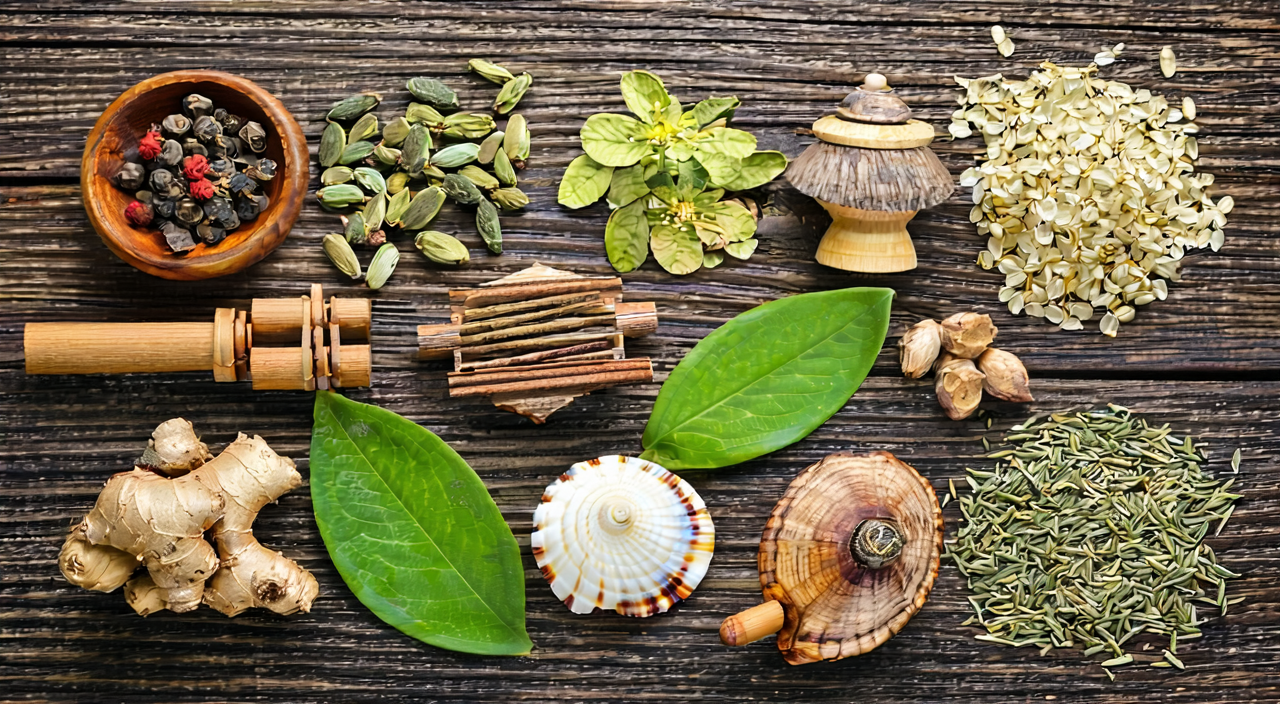
Historically, some traditional formulas did use pangolin in certain versions. The following is a brief introduction from the perspective of formula history and does not represent modern application recommendations.
Xian Fang Huo Ming Yin (Historical Formula)
Xian Fang Huo Ming Yin is a commonly used traditional formula in external medicine. Historical versions often include honeysuckle flower, Angelica dahurica root, fritillaria bulb, trichosanthes root, frankincense, and myrrh, and some formula books also record pangolin as an ingredient. Traditionally, it was used for early-stage sores and toxic swellings, redness, heat, and pain, emphasizing clearing heat, resolving toxins, reducing swelling, and breaking hardness. Current preparations should follow legally approved prescriptions.
Fu Yuan Huo Xue Tang (Historical Formula)
Fu Yuan Huo Xue Tang was traditionally used to regulate conditions in the direction of traumatic injuries and blood stasis retention. Its historical composition often included bupleurum root, Chinese angelica root, peach kernel, safflower, and others, and some ancient versions also included pangolin. Its approach leaned toward activating blood and dispelling stasis, soothing the liver, and unblocking collaterals. Whether to use it or how to modify it in modern times should be decided by professionals based on the condition.
Bie Jia Jian Wan (Historical Formula)
Bie Jia Jian Wan was traditionally used for historical disease patterns such as abdominal masses, accumulations, and lumps below the ribs. In this formula, soft-shelled turtle shell was the main medicinal ingredient, and some historical versions also used pangolin. Because formulas of this type involve complex conditions, they must never be used on one’s own according to ancient texts.
Chuan Shan Jia San (Historical Formula)
Chuan Shan Jia San is not a formula with a fixed composition, and different ancient texts may contain different versions. Its name directly includes “pangolin,” showing that this medicinal once held an important place in the formula. Traditionally it may have been used for blood stasis, abdominal masses, or sores and swellings, but its specific composition and usage varied greatly, so it can only be understood as a subject of literature.
7. What Should Be Noted?
For readers, the most important point is that this article does not provide any advice on purchasing, possessing, transporting, or using pangolins or their products, nor does it direct traffic to wildlife products. If you see the word “pangolin” in Chinese patent medicines, health products, or folk remedies, you should first confirm its legality. Modern legitimate Chinese medicine products should not contain pangolin ingredients. If long-term, recurrent, or serious health problems occur, especially accompanied by obvious anxiety, depression, palpitations, chest tightness, pain, abnormal breathing, severe abdominal pain, persistent vomiting, black stools, or significant weight loss, you should consult a doctor or professional promptly rather than seeking historical medicinal materials of unknown origin on your own.
Summary
As a traditional medicinal concept, pangolin mainly refers to the historical use of its scales after processing, but modern protection regulations have already removed it from the field of legal medicinal materials. Although traditional formulas such as Xian Fang Huo Ming Yin, Fu Yuan Huo Xue Tang, Bie Jia Jian Wan, and Chuan Shan Jia San have historical records, they can only be understood as subjects of literature, and current preparations should follow legally approved prescriptions. This article is for educational reference only, cannot replace professional diagnosis or treatment advice, and should not be used as a basis for purchasing or using any pangolin products.