
What Is Kochia Fruit? Medicinal Parts, Identification, and Common Formulas
Many people interested in Chinese herbal medicine often face a few common questions when they first encounter Kochia fruit (Difuzi): What does Kochia fruit actually look like? Which part of the plant is used? How is it different from similarly named herbs like Cnidium seed (Shechuangzi) and Plantago seed (Cheqianzi)? This article starts from these practical questions and organizes information about the source, identification points, traditional understanding, and usage precautions of Kochia fruit, aiming to provide a clearer reference for understanding and selection.
What does Kochia fruit look like? How to identify it
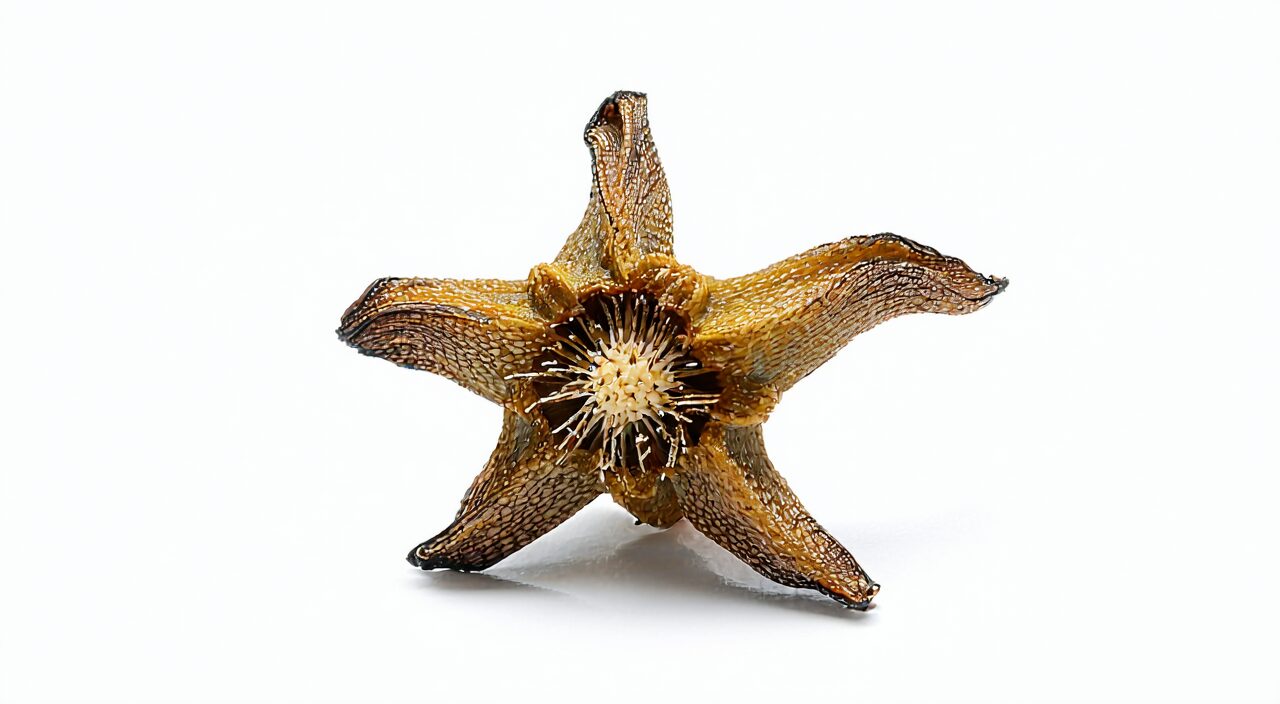
Kochia fruit is the dried ripe fruit of the plant Kochia scoparia, belonging to the Amaranthaceae family. The intact fruit is oblate-spherical, about 1.5 to 3 mm in diameter. Upon careful observation, you will notice it has a five-angled shape, resembling a tiny flattened five-pointed star. The surface color is mostly grayish-green, light brown, or pale yellowish-brown. Under a magnifying glass, you can see the persistent perianth still enclosing the fruit, with the perianth tip split into five lobes surrounding the central fruit.
When identifying Kochia fruit, focus on three key points: First, the overall shape is oblate-spherical and five-angled, not a perfect sphere. Second, the surface color tends to be grayish-green or light brown, without overly vivid hues. Third, the persistent perianth closely adheres to the central fruit and does not easily detach on its own. If the fruit is crushed, it reveals a black seed, which can be helpful in distinguishing whole from broken grains. What you mostly see on the market is the dried processed product, which is light and brittle in texture, with a faint odor and a slightly bitter taste.
What is the medicinal part of Kochia fruit?
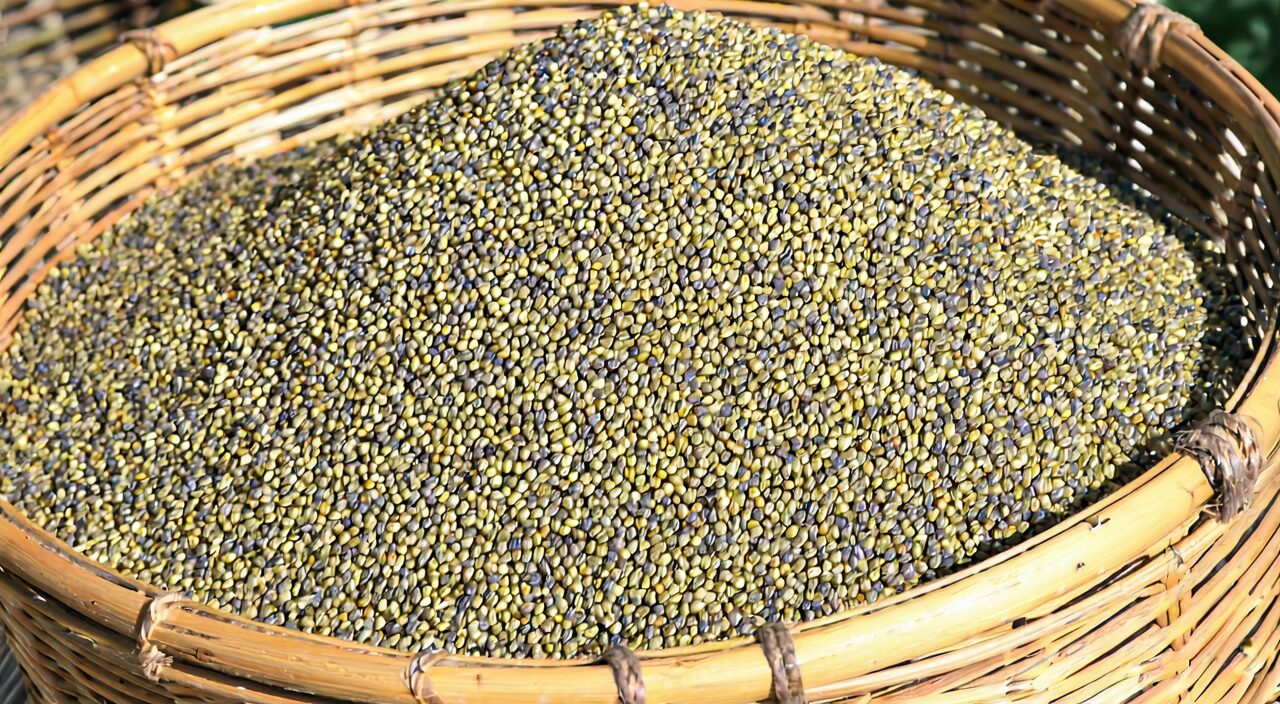
The medicinal part of Kochia fruit is the ripe fruit of Kochia scoparia, not the whole plant, root, stem, or seed. In summer and autumn, when the fruit turns from green to yellow, the entire plant is harvested or the fruiting spikes are collected directly. The fruits are then threshed, cleaned of impurities, and dried in the sun to become the medicinal material. In some regions, the harvested plants are first dried and then threshed.
In commercial trade, superior Kochia fruit is characterized by plump grains, a grayish-green color, and freedom from sand, soil, and other impurities. Since the fruits are very small, stem and leaf fragments or dirt can easily mix in during packaging and transportation, so paying attention to cleanliness when purchasing is advisable. The processing method is mainly use in its raw form, without special preparation, simply using the dried fruit as medicine.
How does Traditional Chinese Medicine understand Kochia fruit?
Traditional Chinese medicine (TCM) mainly understands the action of Kochia fruit from the perspective of clearing heat, draining dampness, dispelling wind, and relieving itching. Kochia fruit is cold in nature, acrid and bitter in flavor, and enters the Bladder meridian. It is commonly used to address conditions caused by damp-heat pouring downward or wind-heat attacking the skin surface.
In dermatological applications, Kochia fruit is often combined with herbs such as Dictamnus root bark (Baixianpi), Sophora root (Kushen), and Phellodendron bark (Huangbo) for external washing or internal use to treat recurrent skin itching, eczema, and wheals. The traditional focus is on its ability to clear damp-heat and alleviate discomfort on the skin surface. For the urinary system, Kochia fruit is also commonly seen in cases of difficult urination, painful dribbling, and abnormal vaginal discharge. It is frequently used together with herbs like Plantago seed (Cheqianzi), Talc (Huashi), and Polygonum aviculare (Bianxu) to help improve the sensation of obstructed urination caused by damp-heat pouring downward.
These application ideas originate from the accumulated experience in historical herbal classics and formula books. They do not imply that a single herb can directly change a specific indicator; rather, the herbs are used in combination based on overall pattern differentiation. Whether an individual case is suitable requires comprehensive assessment of constitution, symptom presentation, and professional diagnosis.
What does modern research focus on?
Modern research mainly centers on the chemical constituents and in vitro activities of Kochia fruit. It has been found to contain compounds such as triterpenoid saponins, flavonoids, and steroids. Some experiments show that Kochia fruit extracts exhibit certain activities in anti-inflammatory, anti-allergic, and anti-pathogenic microbial aspects, which may provide partial observational grounds for traditional uses.
However, most current research remains at the laboratory stage, and high-quality clinical evidence directly related to the human body is relatively limited. These research findings can serve as a window into how modern science views Kochia fruit, but they cannot be simply equated with definite effects after ingestion. When facing serious skin problems or urinary system abnormalities, it is still more reliable to base decisions on modern medical diagnosis.
What are the differences between Kochia fruit, Cnidium seed, and Plantago seed?
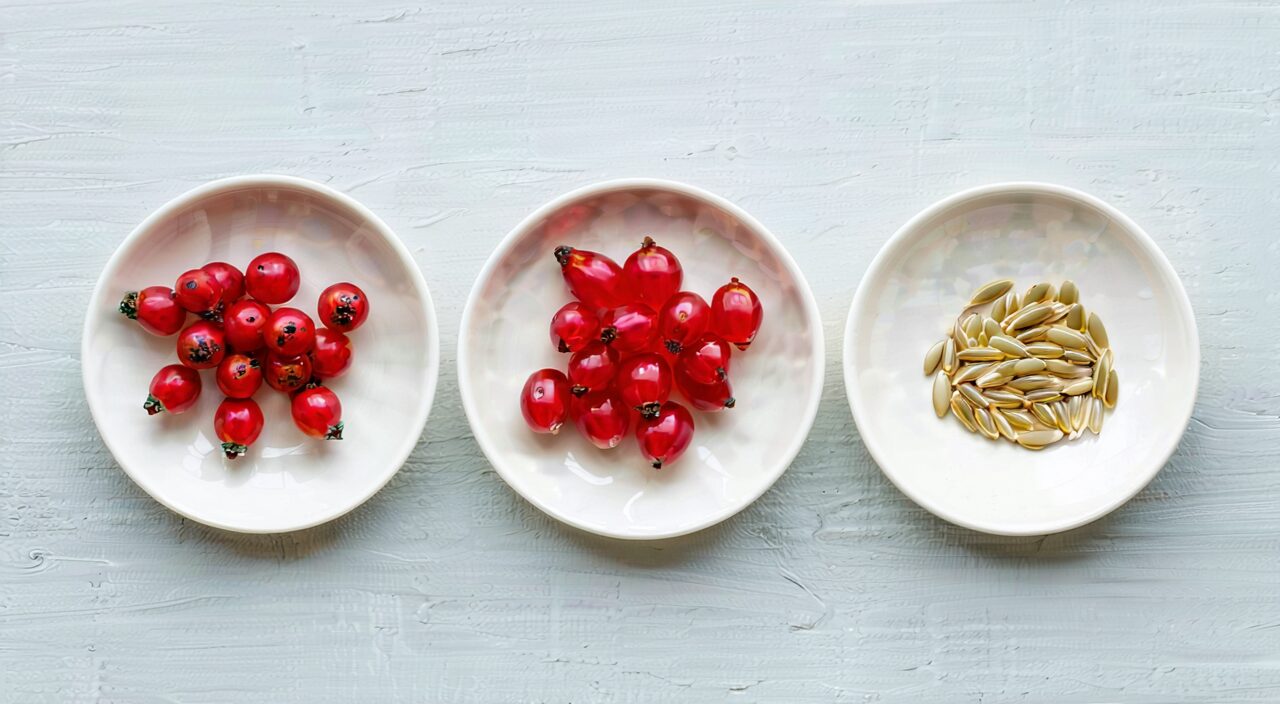
Kochia fruit (Difuzi), Cnidium seed (Shechuangzi), and Plantago seed (Cheqianzi) all have the character “zi” (meaning seed) in their Chinese names, but their plant sources and traditional applications vary greatly, which can be confusing for beginners.
In terms of appearance, Kochia fruit is oblate-spherical and five-angled, grayish-green or light brown; Cnidium seed is elliptical, yellowish-green or grayish-yellow on the surface, slightly pointed at one end, and feels relatively smaller; Plantago seed is irregularly elongated or triangular-elongated, brownish-black or yellowish-brown on the surface, and becomes swollen and mucilaginous when exposed to water. Regarding smell and taste, Kochia fruit has a faint odor and slightly bitter taste; Cnidium seed has a distinctive aromatic odor and a pungent, cool taste; Plantago seed has a faint odor and a bland taste.
In traditional application, each has its own emphasis. Kochia fruit mainly clears heat, drains dampness, dispels wind, and relieves itching, commonly used for skin itching and urination difficulty caused by damp-heat pouring downward. Cnidium seed is mostly used externally to dry dampness, kill parasites, and warm the kidneys and strengthen yang; it is frequently seen in traditional washes. Plantago seed leans toward clearing heat, promoting diuresis, percolating dampness, and stopping diarrhea, more often used for edema, strangury, and diarrhea. Clarifying these three differences helps in making more accurate judgments when consulting formulas and products.
Which formulas contain Kochia fruit?
Kochia fruit appears as an adjunctive herb in some classic formulas, often combined with other herbs that clear heat, drain dampness, or dispel wind and relieve itching. The following formulas can serve as directional examples:
Xiaofeng San (Wind-Dispersing Powder) is one of the famous formulas for treating skin disorders. It contains Schizonepeta (Jingjie), Saposhnikovia (Fangfeng), Arctium fruit (Niubangzi), Cicada slough (Chantui), Sophora root (Kushen), and others. In some modifications, Kochia fruit is added to enhance the strength of clearing damp-heat and stopping itching. Theoretically, this formula is more suitable for presentations where wind-heat-dampness pathogens stagnate in the skin, causing red papules, wheals, and marked itching.
Kushen Tang (Sophora Decoction) has Sophora root as the chief herb and is often combined with Kochia fruit, Phellodendron bark, Cnidium seed, etc., for decoction and external washing. Traditionally, it is used for damp-heat pouring downward or damp sores with itching, especially recurrent eczema and itching in the lower limbs and perineal area. Since this formula tends to be bitter and cold, it is mainly used externally; internal use requires cautious syndrome differentiation.
Difuzi Tang (Kochia Fruit Decoction) is a formula directly named after Kochia fruit. Different versions have slightly different compositions. Common combinations include Kochia fruit, Polyporus (Zhuling), Tetrapanax (Tongcao), Anemarrhena (Zhimu), and Dianthus (Qumai), focusing on clearing heat, draining dampness, and freeing strangury. It is suitable for conditions of bladder damp-heat causing painful urination and difficult dribbling.
The above formulas are only examples of traditional approaches. Actual application must be modified based on symptoms and constitution. Self-prescribing and using these formulas is not recommended. Whether a specific formula is suitable needs to be determined by combining product instructions, individual conditions, and advice from professionals.
What precautions should be taken when using Kochia fruit?
Although Kochia fruit is a common medicinal herb, it is not suitable for everyone. The following situations require special attention:
Use with caution in cases of spleen-stomach deficiency cold. Kochia fruit is cold in nature. Long-term or large-dose use may aggravate symptoms like cold abdominal pain and loose stools, especially for those who tend to feel cold easily, have poor appetite, or experience a cold sensation in the abdomen. Before use, an assessment of body constitution should be made.
Do not rely blindly on it when the cause of skin symptoms is unclear. Skin itching, redness, and scaling can have various causes. If self-treatment with Kochia fruit washes has not improved after about a week, or if there is marked exudation, ulceration, or fever, it is advisable to consult a professional promptly rather than continuing self-management.
Be aware of allergic reactions even with external use. Decoctions of Kochia fruit for external washing are relatively safe, but some sensitive skin types may experience irritation or allergy aggravation after use. When using for the first time, it is recommended to test on a small localized area of skin and observe for any abnormalities before expanding the area of application.
The issue of source confusion cannot be ignored. Sometimes, fruits from other plants of the Amaranthaceae family are mixed and circulated as Kochia fruit on the market. Those that resemble Cnidium seed or Plantago seed in appearance require particular attention. When purchasing, try to obtain from reliable channels and carefully observe the oblate-spherical, five-angled shape and grayish-green hue to reduce the risk of misuse.
Summary
Kochia fruit is a traditional herb for clearing heat, draining dampness, dispelling wind, and relieving itching. When identifying it, focus on its oblate-spherical, five-angled shape and grayish-green to light brown color, and confirm that the mature fruit, not the whole plant, is used. It has clear differences in appearance and use from Cnidium seed and Plantago seed. In practice, it is commonly seen in formulas such as Xiaofeng San, Kushen Tang, and Difuzi Tang, primarily in traditional regulatory approaches for skin and urination discomfort related to damp-heat and wind pathogens. The content of this article is for informational reference only and cannot replace professional diagnosis or treatment advice. Please consult a professional based on your own situation before use.