
What Is Dilong? Medicinal Parts, Identification Methods, and Common Formulas
When learning about traditional Chinese medicine, many people come across the medicinal material known as “Dilong.” It is not a part of a dragon, but actually comes from the familiar earthworm. For users living overseas, because the forms of medicinal materials and cultural backgrounds differ, hearing the name Dilong for the first time often raises many questions: What exactly is Dilong? What does it look like? How do you tell it apart from an ordinary earthworm? This article will focus on the origin of Dilong, its identification methods, medicinal parts, differences between common commercial specifications, and its application in traditional formulas, helping you form a relatively complete understanding.
What does Dilong look like? How to identify it?
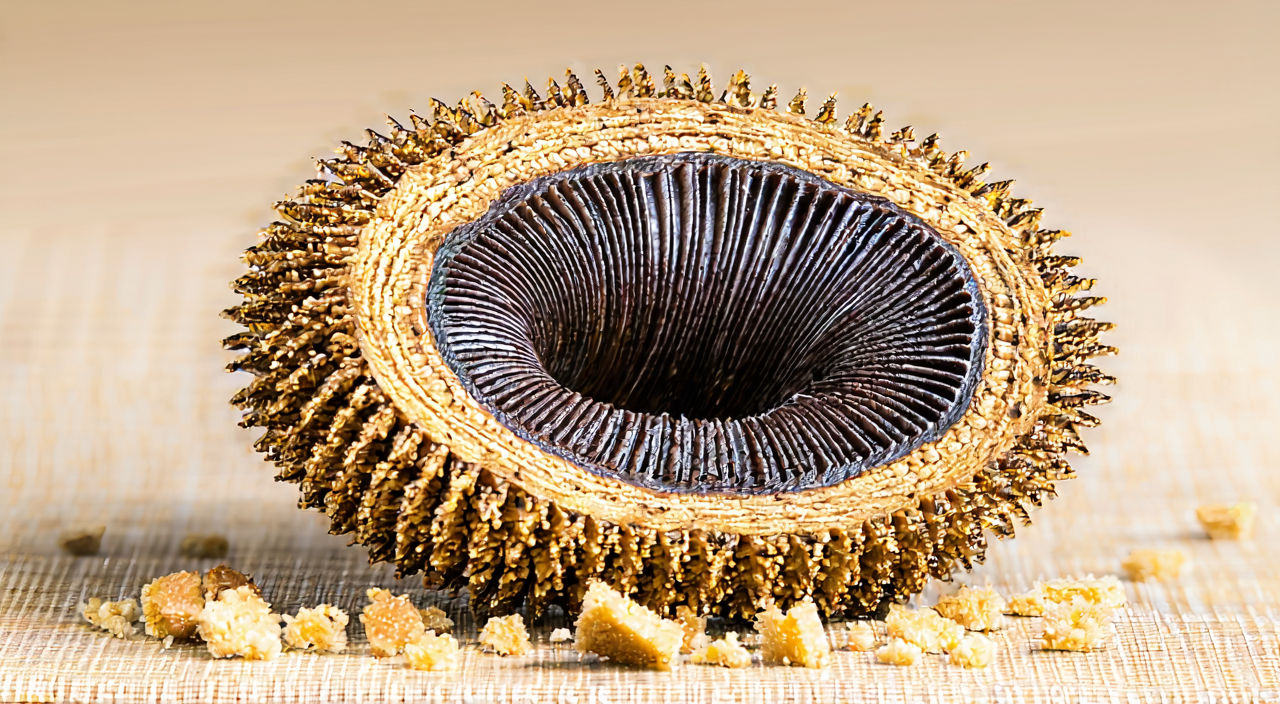
Understanding the appearance of Dilong is the first step in distinguishing it from other similar animal-based medicines. Commercially available Dilong medicinal material does not look like a living earthworm, but is the dried whole body after processing.
In overall shape, Dilong usually appears as a long, thin, flattened strip or a slightly twisted cylindrical form. It becomes brittle after drying and breaks easily. Clear segments can be seen on the body surface, which is an important characteristic of the Pheretima genus. The back is mostly brown or grayish-brown, while the abdomen is relatively lighter, presenting a yellowish-brown or light gray color. Upon closer inspection, fine setae can be observed in a ring around the body surface; this is a natural structure of the earthworm that remains visible on the dried medicinal material.
Regarding odor, Dilong has a distinctive fishy smell with a slightly earthy note. If the smell is pungent, putrid, or has an unnatural sourness, it is likely poorly stored or of inferior quality. In terms of texture, dried Dilong is brittle, and its fracture surface often appears earthy or horny. Through these intuitive features of shape, color, segments, setae, and odor, you can form an initial impression for identifying Dilong medicinal material.
What is the medicinal part of Dilong?
The medicinal part of Dilong is the complete animal body, but it is not simply taken from the soil and used immediately; rather, it undergoes specialized processing.
After harvesting, earthworms typically have their internal organs and mud removed first. In particular, the body must be cut open and the soil and digestive tract contents carefully cleaned out. This step is very important for ensuring the cleanliness and safety of the medicinal material. After thorough washing, they are dried into the corresponding commercial form. In other words, the Dilong we see in medicinal materials is the cleaned, dried whole body after dissection, not the original state of being directly sun-dried with soil still attached.
Traditionally, the processing of Dilong pays attention to the local climate and drying methods, and processing habits in different regions can also affect the final appearance of the product. These differences will be further reflected later when comparing Guang Dilong and Hu Dilong.
How does Traditional Chinese Medicine understand Dilong?
In traditional Chinese medicine theory, Dilong has certain directional properties and is often classified as a medicinal substance that clears heat, extinguishes wind, and unblocks collaterals. It is cold in nature and salty in taste, and in most classifications enters the liver, spleen, and bladder meridians.
From the perspective of functional approaches, Dilong is commonly used in several directions: First, clearing heat and calming fright. For conditions traditionally attributed to intense heat stirring wind, such as high fever convulsions and epileptic seizures, Dilong is sometimes used in combination in classical formulas. Second, unblocking collaterals and invigorating channels, that is, targeting situations where the meridians are not flowing smoothly, especially in certain bi-syndromes or difficulties of body movement after stroke; Dilong is often combined with plant-based herbs to enhance the effect of searching out wind and unblocking collaterals. Third, calming wheezing and promoting urination. Some traditional formulas for cough and wheezing include Dilong to help pacify rebellious qi, and when there is edema or inhibited urination, its mobile and penetrating nature is used to promote the circulation of fluids.
These understandings are based on summaries of traditional experience and are not conclusions from modern pharmacological experiments. Individual constitutions and symptom presentations vary greatly, and whether a formula containing Dilong is suitable still needs to be assessed in light of personal circumstances and professional judgment.
What observational perspectives does modern research provide?
In recent years, some modern studies have observed Dilong from a chemical composition perspective, finding that it contains lumbrokinase, various amino acids, trace elements, and some proteins with bioactive properties. Some in vitro experiments and animal studies have shown that Dilong extracts may have some influence on hemorheological parameters and the fibrinolytic system, providing some observational clues for the traditional “unblocking collaterals” concept.
However, most of these studies are still at a preliminary stage and are some distance from forming unified clinical medication consensus. Moreover, as an animal-based medicinal material, Dilong has complex components. The composition content can vary among different species, habitats, and processing methods. Therefore, this information is more suitable as background knowledge and cannot be directly used to derive specific effects or to replace professional medical advice.
What are the differences between Guang Dilong, Hu Dilong, and ordinary earthworms?
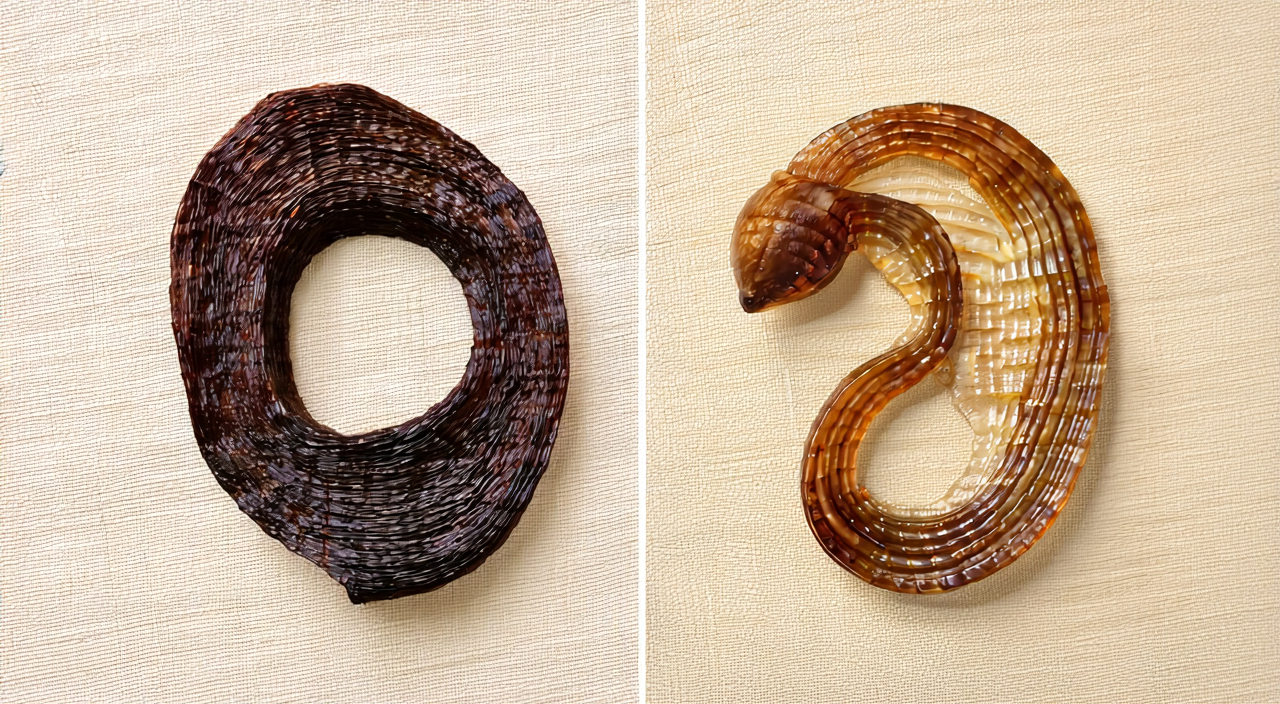
Common Dilong products on the market are primarily divided into Guang Dilong and Hu Dilong. They differ in their source animals and appearance. Understanding these differences helps build clearer recognition of the medicinal material.
The main source of Guang Dilong is Pheretima aspergillum of the Megascolecidae family, mostly produced in Guangdong, Guangxi, and other regions. Its individuals are usually larger, and after processing, the texture is thicker. The back color tends to be brownish, the abdomen is lighter in color, the segments are relatively distinct, and the cut surface is in the form of long flakes. Traditionally, Guang Dilong is considered to be of better quality.
Hu Dilong is mostly sourced from Pheretima vulgaris, Pheretima guillelmi, or Pheretima pectinifera, with production areas including Shanghai, Jiangsu, and Zhejiang. The body of Hu Dilong is relatively slender, becoming hard after drying and sometimes having a certain luster. The segments are also prominent, but the overall appearance differs from that of Guang Dilong.
As for ordinary earthworms, although they are also a type of earthworm, they cannot be arbitrarily substituted for medicinal use. Chinese medicinal materials have clear requirements for the original animal, harvesting season, and processing methods. Not any earthworm casually dug out from a garden or farmland can be used as “Dilong.” Self-collection and processing by ordinary individuals are very unlikely to ensure safety and cannot avoid the problems of contamination and parasites. Therefore, even if they look similar in appearance, there is an essential difference between ordinary earthworms and standard-compliant Dilong medicinal material.
Which formulas use Dilong?
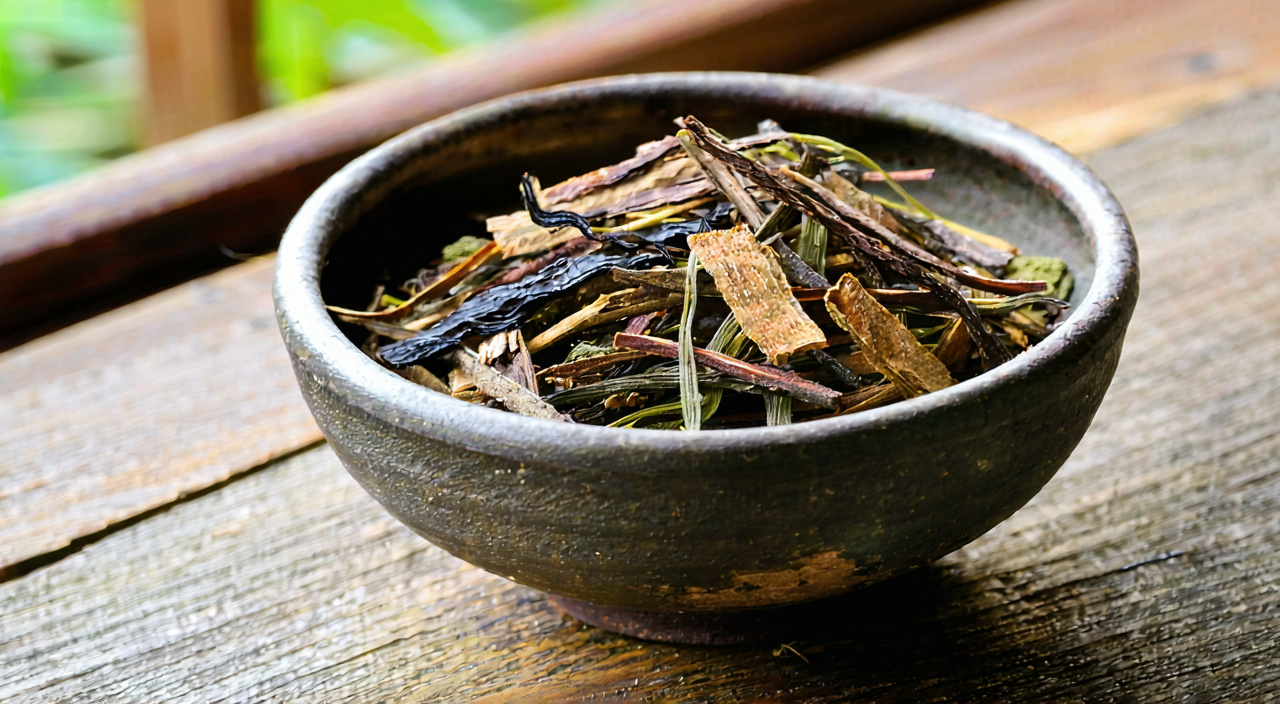
In many traditional formulas, Dilong is not the main ingredient, but it often plays the role of searching out wind, unblocking collaterals, or clearing heat and calming fright. Below are a few relatively common and representative formulas for your reference.
Buyang Huanwu Tang is a renowned formula created by Wang Qingren during the Qing Dynasty. In this formula, Huangqi (Astragalus) is the sovereign herb, focusing on supplementing qi and unblocking collaterals, paired with blood-invigorating and stasis-dispelling herbs such as Danggui (Angelica sinensis), Chishao (Paeonia rubra), and Chuanxiong (Ligusticum wallichii). Dilong within it serves to unblock meridians and invigorate collaterals. In traditional use, this formula is often associated with sequelae of stroke like hemiplegia and facial deviation, but whether it is suitable must be determined based on the overall pattern differentiation of qi deficiency and blood stasis.
Xiao Huoluo Dan emphasizes dispelling wind and dampness, resolving phlegm, and unblocking collaterals. The formula contains Chuanwu (Aconitum carmichaeli) and Caowu (Aconitum kusnezoffii) to warm the meridians and disperse cold, while Dilong, combined with Ruxiang (Frankincense) and Moyao (Myrrh), strengthens the action of unblocking collaterals and relieving pain. Traditionally, it is often used for wind-cold-damp bi-syndrome with obvious joint pain. It is important to note that formulas like this contain toxic substances and must only be used under professional guidance; self-administration should never be attempted.
Dilong San is one of the formulas with Dilong as the main herb, highlighting its specialties of clearing heat, extinguishing wind, and unblocking collaterals. It is commonly seen in situations where intense heat stirs wind or bi-syndrome pain is severe. Different versions of Dilong San may have slight variations in composition, but the proportion of Dilong is usually relatively high.
Daqinjiao Tang is a formula that dispels wind, clears heat, nourishes blood, and unblocks collaterals. Dilong acts as one of the adjuvant herbs, playing a role in assisting the unblocking of meridians. This formula has a relatively broad coverage in traditional applications and is often associated with wind-stroke patterns with meridian emptiness showing heat signs.
The traditional usage directions corresponding to the above formulas are all derived from specific pattern differentiation systems. Whether they are suitable for a particular individual depends not only on symptom presentation but also on a comprehensive assessment of constitution, drug contraindications, and the current physical condition. The same applies to formulas containing Dilong. It is recommended to understand them under professional guidance and to carefully read product instructions.
What should be noted when using Dilong?
Although Dilong is an animal-based medicine, there are several particularly important points to note when using it.
First, allergy risk is a point that requires high attention. Dilong contains animal proteins, and some people may have allergic reactions to it, ranging from skin rashes and itching to severe reactions like laryngeal edema and breathing difficulties. Individuals allergic to seafood such as shrimp, crab, and shellfish should be especially cautious when using animal-based medicines. If you have a known history of allergies or are trying it for the first time, it is advisable to start with a low dose in a controlled environment, observe, and promptly consult relevant professionals.
Second, Dilong has some influence on blood conditions. Traditionally, it is considered to have the properties of invigorating blood and unblocking collaterals, and modern research also suggests that certain components in it may affect the fibrinolytic system. Therefore, for people using anticoagulant medications, those with bleeding tendencies or about to undergo surgery, as well as those with heavy menstrual bleeding, special caution is needed when using Dilong, and blind addition must be avoided.
Third, contamination and parasite control are common issues for animal-derived medicinal materials. Dilong medicinal material obtained through proper channels undergoes rigorous quality testing and processing to reduce the risk of microbial contamination and parasite eggs. However, self-collected and casually processed earthworms have no such safety assurance whatsoever and can easily carry bacteria, parasites, or heavy metal residues. It is absolutely not recommended to collect and dry them by yourself for use.
Furthermore, pregnancy is a stage that requires special avoidance. Dilong is cold in nature and has a strong mobile and collateral-unblocking property, and traditionally it is considered that pregnant women should avoid using such medicines. Breastfeeding women, infants and young children, and those with severe gastrointestinal diseases also need to approach it with caution.
In summary, Dilong is not an ordinary food item that can be taken casually or self-combined. It needs to be considered as part of an entire formula under clear pattern differentiation and standardized quality control.
Summary
As an animal medicinal material derived from earthworms, Dilong requires attention to its long, thin, strip-shaped dried body, distinct segments, and special fishy odor during identification. Its medicinal part is the cleaned and processed whole body, not ordinary live earthworms. Guang Dilong and Hu Dilong differ in origin and morphology, and ordinary earthworms cannot be casually substituted for the medicinal material. Although formulas containing Dilong, such as Buyang Huanwu Tang and Xiao Huoluo Dan, have certain traditional application bases, special attention must be paid to allergy risk, bleeding tendency, and quality safety before use. It cannot be self-processed or taken at will. This article is for scientific reference only and cannot replace professional diagnosis or treatment advice.