
What Is Dong Kui Guo? Medicinal Parts, Identification, and Common Formulas
In traditional herbal formulas and overseas Chinese medicine shops, names like “Dong Kui Guo” or “Dong Kui Zi” are not uncommon. Yet many people still feel unclear about what it looks like, which part is used, and whether it is the same as Qing Ma Zi. This article focuses on what Dong Kui Guo is, how to identify it, and which formulas commonly use it, organizing a relatively complete reference to help interested readers gain a clearer understanding.
What Does Dong Kui Guo Look Like? How to Identify It?
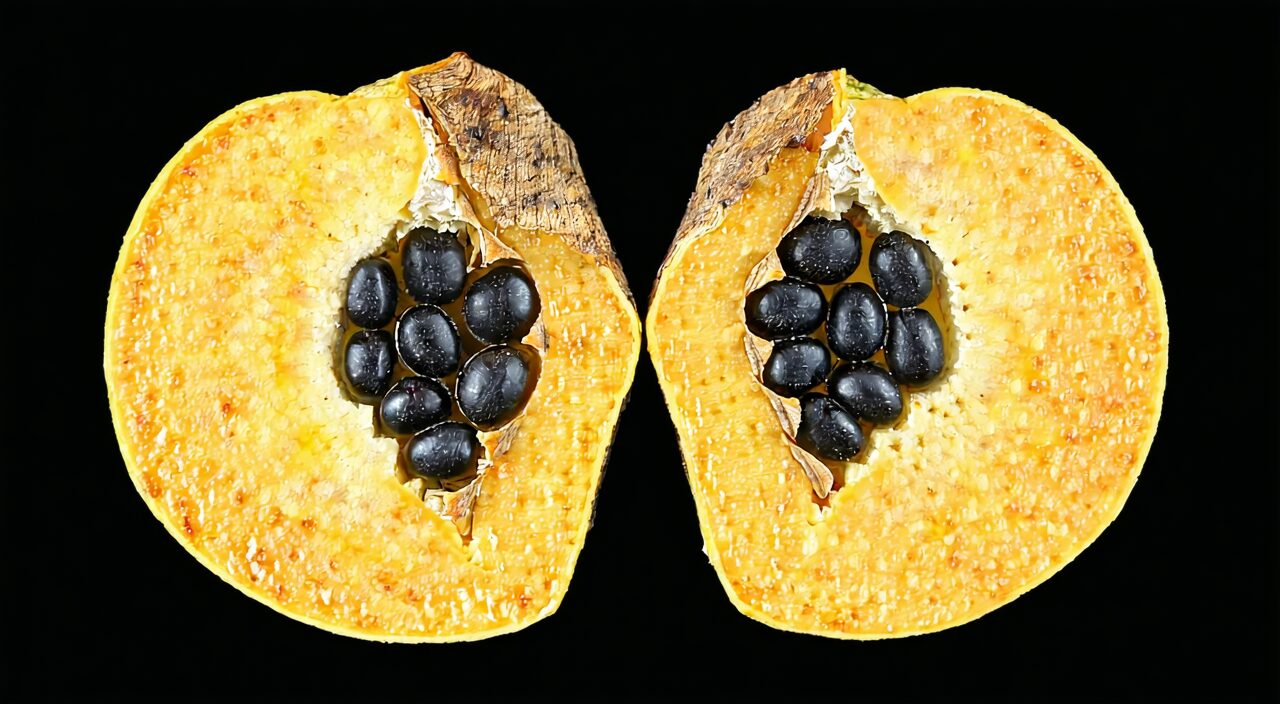
The fruit of Dong Kui Guo is a schizocarp, generally flattened-spherical in shape, with a diameter usually around five to six millimeters to one centimeter. The exterior is composed of about ten mericarps arranged in a ring, resembling a miniature wheel or an overlapping small dried flower. Each mericarp is slightly pointed at the top, with a fine reticulate pattern on the surface.
After drying, Dong Kui Guo fruits are mostly yellowish-white or yellowish-brown, some with a hint of grayish-brown. When pressed gently, they feel rather light and brittle. Upon opening the mericarps, one finds individual kidney-shaped or nearly round seeds inside, with a dark brown seed coat and a slightly oily kernel. Many experienced herbalists rely on these key points—“flattened-spherical shape, ring-like mericarps, yellowish-white background”—to make an initial identification.
If you wish to observe it yourself overseas, it is advisable to choose medicinal materials from reputable sources, checking whether there are insect holes or mold on the surface, whether the mericarps are intact, and whether the odor is natural. This makes it easier to capture the typical identifying features.
What Is the Medicinal Part of Dong Kui Guo?
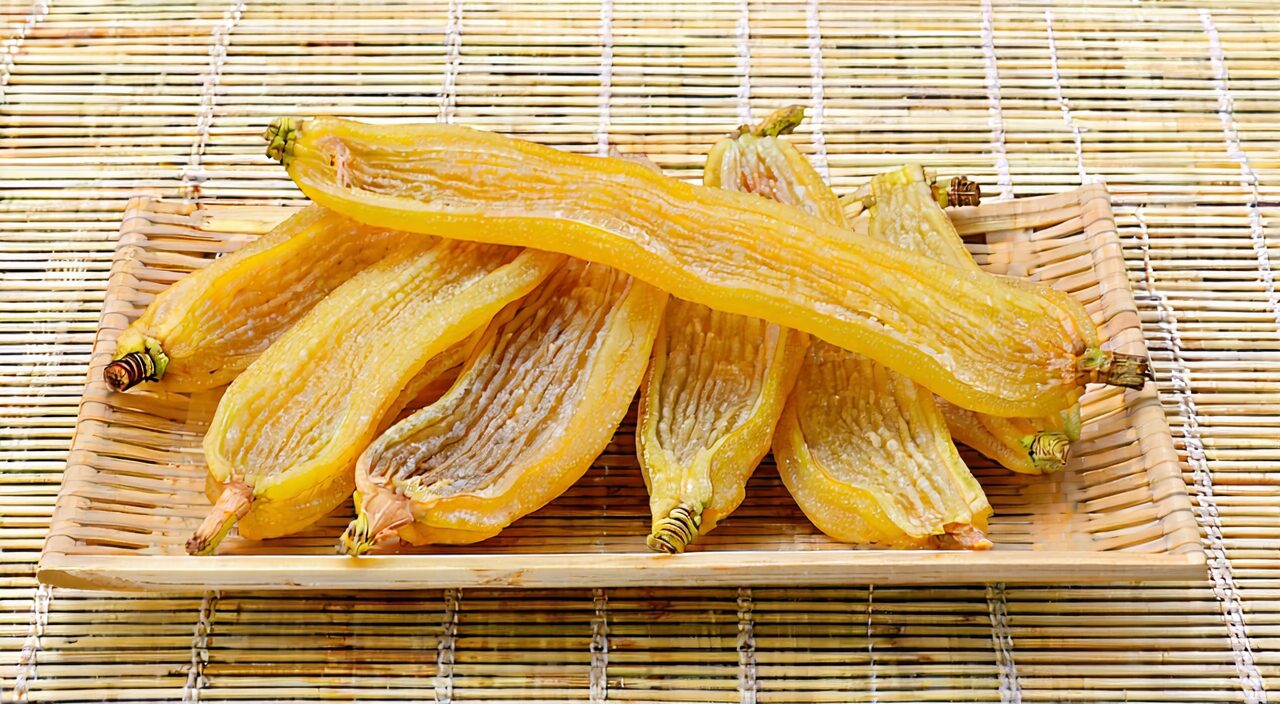
The medicinal part used for Dong Kui Guo is the ripe fruit of Malva verticillata (family Malvaceae). Generally, the fruits are harvested in autumn when they turn from green to yellow, near maturity but not yet fully split. Impurities and remaining fruit stalks are removed, and they are dried in the sun or at low temperature. Traditionally, fresh fruits are rarely used directly; they are mainly circulated in dried form.
It is worth noting that in some regions the seeds are separated and called “Dong Kui Zi,” but in current standards such as the Chinese Pharmacopoeia, Dong Kui Guo refers to the whole ripe fruit as the medicinal part. This means that the complete product, including pericarp and seeds, is the standard “Dong Kui Guo.” Therefore, when studying related formulas or purchasing it, clarifying whether the fruit or just the seeds are used is more helpful for understanding and application.
How Does Traditional Chinese Medicine View Dong Kui Guo?
In traditional Chinese medicine, the understanding of Dong Kui Guo mostly centers on clearing heat and promoting urination, unblocking lactation, and moistening the intestines. Its nature and flavor are generally recorded as sweet and cold; it can facilitate smooth downward movement. Thus, it is often mentioned in folk remedies and herbal texts for urinary difficulty or painful, dribbling urination due to damp-heat, as well as for hindered milk flow after childbirth.
In terms of meridian entry, Dong Kui Guo mainly acts on the bladder, large intestine, and small intestine meridians. In ancient times, when dealing with strangury and edema, practitioners often used its property of smoothing the orifices and promoting free flow to help the body expel excess water-dampness. In cases of postpartum breast distension, hardness, and obstructed milk flow, it might be combined with Tong Cao (Tetrapanacis Medulla) and Wang Bu Liu Xing (Vaccariae Semen) as one reference approach. However, because its nature tends to be lubricating and downward-moving, traditional practice generally advises caution for people with a cold-deficient constitution or a tendency to diarrhea.
These understandings reflect a traditional line of thinking based on long-term experience. Whether it suits an individual still needs to be assessed in light of their constitution and specific current conditions, and cannot be generalized.
What Do Modern Studies Suggest?
Modern research on Dong Kui Guo is relatively limited, but some experiments suggest that its water or alcohol extracts may have certain diuretic and anti-inflammatory effects, and that it contains compounds such as flavonoids, polysaccharides, and fatty acids. These findings provide some support from another angle for the traditional concept of “clearing and promoting free flow.”
However, most of these studies remain at the laboratory stage or involve small-scale observations; they cannot yet be directly equated with clinical efficacy, let alone serve as the sole basis for choosing to use it or for self-treatment. For those interested, modern research can be taken as background information to broaden understanding, rather than a substitute for professional judgment.
What Are the Differences Between Dong Kui Guo, Dong Kui Zi, and Qing Ma Zi?
These three names are easily confused. To put it simply, Dong Kui Guo refers to the ripe fruit of Malva verticillata, including pericarp and seeds, while Dong Kui Zi traditionally refers to the seeds alone. Historically, many formulas recorded “Dong Kui Zi,” but in actual practice, what was used often varied by region and era—some used seeds, others used the whole fruit—leading to inconsistencies in understanding the texts.
Even more noteworthy is Qing Ma Zi (Abutili Semen). Qing Ma is a different plant from Dong Kui, belonging to the genus Abutilon in the Malvaceae family. In some regions, Qing Ma Zi has long been circulated as a substitute or adulterant for “Dong Kui Zi.” Visually, Qing Ma Zi seeds are triangular or ovate-oblong, with sparse short white hairs on the surface, clearly different from the kidney-shaped, dark brown seeds of Dong Kui. Although it is also said to have some dampness-draining and milk-promoting effects, traditional understanding differs, and substitution is not recommended. Therefore, when examining ancient formulas containing “Dong Kui Zi,” it is essential to first clarify whether the reference is to Dong Kui fruit, Dong Kui seeds, or Qing Ma Zi, as this greatly affects the assessment of the formula’s scope of application.
Which Formulas Include Dong Kui Guo?
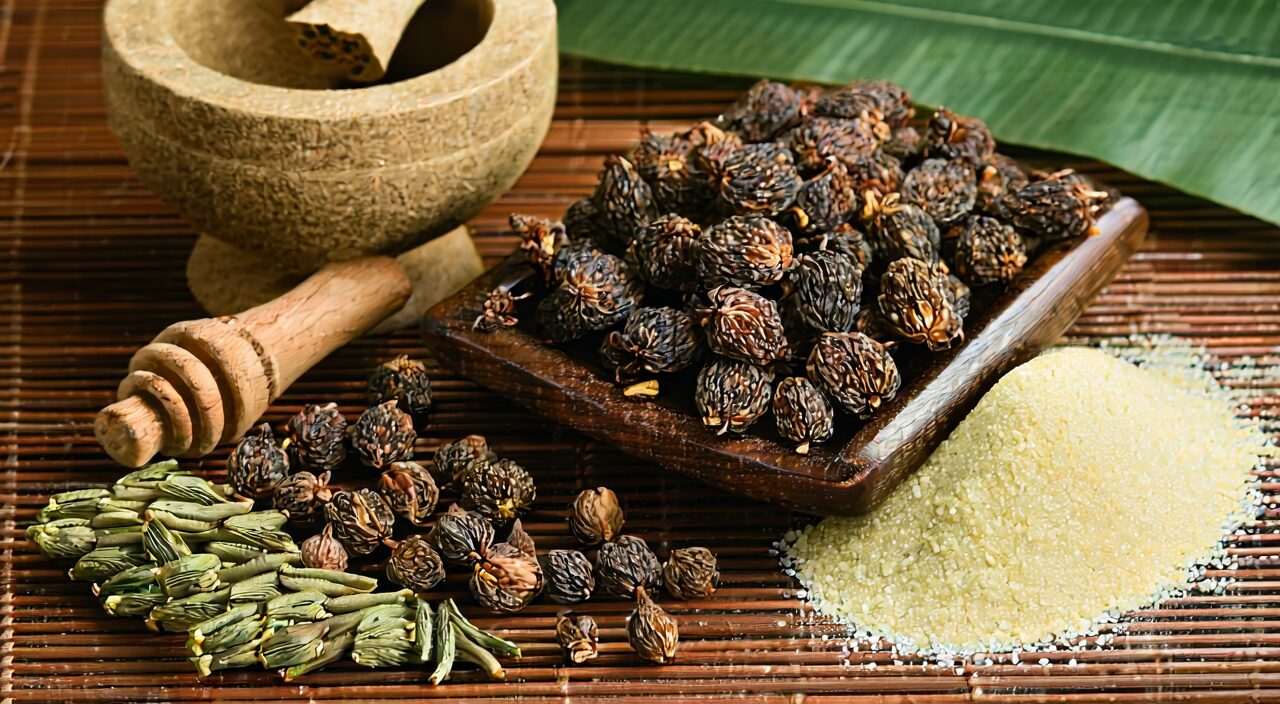
Many traditional formulas feature Dong Kui Guo or its seeds. Here are three common reference directions.
Shi Wei San (Pyrrosia Powder) in its classic composition includes Dong Kui Zi, combined with Shi Wei (Pyrrosiae Folium), Hua Shi (Talcum), and others, traditionally used for regulating damp-heat strangury and difficult urination. Kui Zi Fu Ling San (Malva Seed and Poria Powder) comes from the Jin Gui Yao Lue (Essentials from the Golden Cabinet) and pairs Dong Kui Zi with Fu Ling (Poria); it is sometimes used as an adjunct approach for gestational edema and difficult urination, but due to the pregnancy context, extra caution is required. Dong Kui Zi Tang (Malva Seed Decoction) often centers on Dong Kui Zi or Dong Kui Guo, combined with other diuretic and channel-unblocking herbs, for postpartum scanty milk or difficult urination.
As part of traditional experience, these formulas more so illustrate a line of thinking and principles of combination rather than representing something to be directly applied to individuals. Whether they are suitable and how they should be modified still needs to be determined by an experienced TCM professional based on specific constitution and symptoms.
What Precautions Should Be Taken When Using Dong Kui Guo?
Although Dong Kui Guo is commonly seen, there are indeed several aspects that require special attention when using it.
Firstly, pregnancy is generally regarded as a period of caution or contraindication. Because Dong Kui Guo is lubricating and downward-moving, it is traditionally believed that it may affect fetal stability. Therefore, at any stage of pregnancy, it is advisable to avoid self-administration of herbs or formulas containing Dong Kui Guo. Secondly, people with diarrhea or a spleen-stomach deficient-cold constitution already tend to have accelerated bowel movements and loose stools; Dong Kui Guo’s intestine-moistening and lubricating nature may worsen such discomfort, so it is not suitable to be taken casually.
Regarding postpartum insufficient lactation, the key is to first identify the underlying cause. If the milk shortage is due to qi and blood deficiency, simply using unblocking and purgative substances may not address the condition and could even deplete qi and blood. Thus, one should not blindly use it upon seeing the words “promotes lactation”; instead, an overall assessment is necessary.
Furthermore, the importance of source identification cannot be overemphasized. Make sure to confirm that you are using Dong Kui Guo that meets specifications, not Qing Ma Zi or other fruits with a similar appearance. When purchasing, try to choose channels with traceable origins and clear variety labeling to reduce the risk of misuse. If persistent discomfort occurs—especially when accompanied by abnormal urination, severe abdominal pain, weight loss, or prolonged postpartum milk deficiency—be sure to consult a doctor or relevant healthcare professional promptly, and do not make decisions based solely on online information.
Summary
As a traditional medicinal herb with distinctive visual features, Dong Kui Guo’s flattened-spherical schizocarp structure, yellowish-white color, and ring-arranged mericarps provide intuitive clues for identification. In TCM tradition, it is commonly applied in directions such as clearing heat and promoting urination, unblocking lactation, and moistening the intestines, with formulas like Shi Wei San and Kui Zi Fu Ling San serving as reference examples. However, these understandings need to be assessed in conjunction with individual constitution and specific circumstances, particularly exercising caution during pregnancy, in cases of diarrhea, or when the cause of reduced lactation is unclear. This article is for general informational reference only and cannot replace professional diagnosis or treatment advice.