
What Is Dong Ling Cao? Medicinal Parts, Identification, and Common Preparations
What is Dong Ling Cao? This is a common question among overseas Chinese-language users learning about traditional Chinese medicinal materials and preparations traditionally used for heat-clearing and throat-soothing purposes. Dong Ling Cao is not a general name for a winter herb. It usually refers to the dried aerial parts of Rabdosia rubescens, a plant in the mint family and the Isodon genus. Traditionally, it has been used in relation to heat-clearing, throat-soothing, and pain-management approaches. Common standardized preparations include Dong Ling Cao tablets, Dong Ling Cao syrup, and Dong Ling Cao lozenges, although the formulas, specifications, and intended uses may vary between products. The sections below introduce its appearance, medicinal parts, traditional understanding, and appropriate limits of use.
What Does Dong Ling Cao Look Like? How Can It Be Identified?
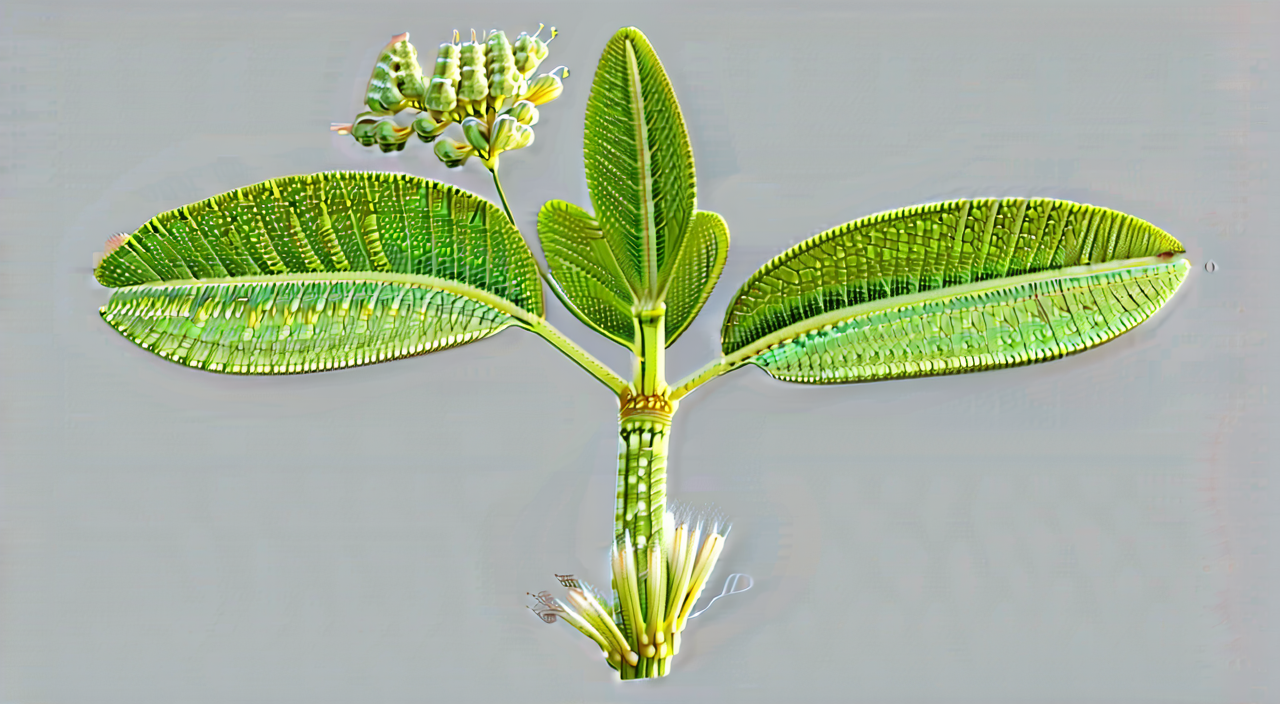
The original Dong Ling Cao plant is generally a perennial herb or subshrub that grows in mountainous areas, along forest edges, or in shrublands. When identifying it, observe the stems, leaves, inflorescences, and overall aroma. However, identification based only on online images or one or two characteristics cannot replace formal medicinal-material authentication.
Main Appearance Characteristics
The stems of Dong Ling Cao are usually square in cross-section, one of the more representative features of plants in the mint family. The stem surface may have fine, short hairs, and its color can range from green and yellow-green to slightly purplish. The leaves are generally opposite and are commonly described as ovate or long-ovate. Their surfaces are relatively rough, with clearly visible veins; serrated margins and noticeable petioles may also be observed. Differences in growth stage and place of origin can affect leaf size, color, and the density of the hairs.
During the flowering period, Dong Ling Cao may develop terminal or nearly terminal panicles. The flowers are usually white, pale purple, or tinged with yellow-green, and the corolla has the characteristic structure commonly seen in plants of the mint family. After harvesting, drying, and cutting, the intact flowers, leaves, and stems are often difficult to identify. The material more commonly seen on the market consists of yellow-green, gray-green, or brown-green fragments mixed with leaves, fine stems, and a small amount of inflorescence. The aroma is generally a fresh botanical fragrance, although the specific sensory characteristics are also affected by the degree of drying and storage conditions.
What Parts of Dong Ling Cao Are Used Medicinally?
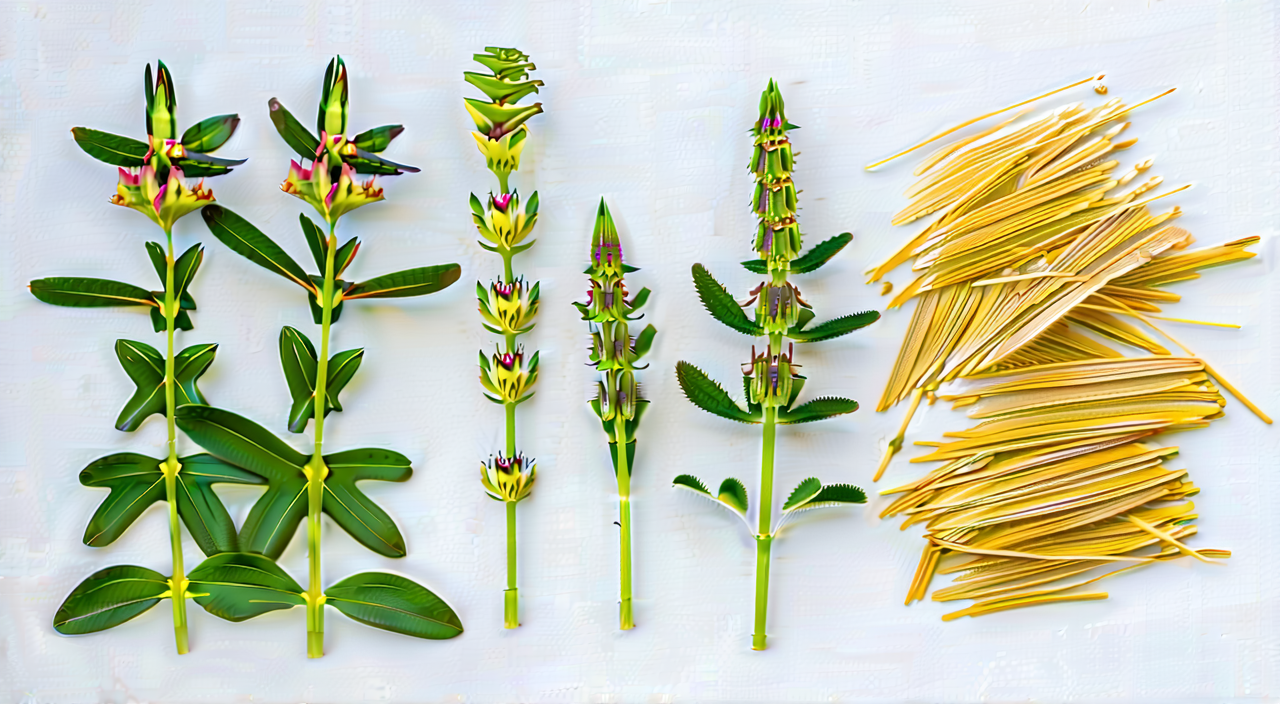
The medicinal parts of Dong Ling Cao are mainly its aerial parts, meaning the stems, leaves, inflorescences, and other portions above the soil, rather than the roots or fruits alone. Traditional medicinal-material references commonly describe harvesting it around the period before or during flowering. The material is then cleared of impurities and dried, and may be cut into sections or processed into decoction pieces when necessary. Differences in origin, harvesting time, and processing methods may affect its appearance, aroma, and chemical profile.
When purchasing or identifying the dried material, observe whether it mainly consists of stem and leaf fragments, whether the color appears natural, and whether it contains excessive sand, coarse lignified branches, or remnants of other plants. Bright color, a strong aroma, or the size of the fragments alone cannot determine quality. Materials intended for medicinal use or preparation as decoction pieces should preferably come from a traceable source, have complete packaging information, and meet local regulations and quality requirements.
How Does Traditional Chinese Medicine Understand Dong Ling Cao?
Traditional Chinese medicine and local herbal-use experience commonly understand Dong Ling Cao from the perspectives of clearing heat, resolving toxins, soothing the throat, and promoting circulation to relieve pain. Within these traditional approaches, it has often been used for throat discomfort, difficulty using the mouth and tongue, or localized pain. However, these descriptions belong to traditional theory and empirical practice and do not represent modern medical diagnoses or conclusions about efficacy for specific diseases.
Throat discomfort can have many causes, including common upper respiratory infections, allergies, gastroesophageal reflux, environmental irritation, excessive voice use, and other conditions. Even if a preparation contains Dong Ling Cao as its main ingredient, this does not mean it is suitable for every case of sore throat, hoarseness, or oral discomfort. Suitability should be assessed by considering the duration of symptoms, accompanying signs, individual constitution, current medications, and the product instructions.
How Does Modern Research View Dong Ling Cao?
Modern research has examined various chemical constituents in Dong Ling Cao, including oridonin, which has received considerable attention in cell and animal studies. These experiments can help researchers understand possible pathways, cellular responses, or pharmacological directions associated with particular constituents. However, laboratory findings are not equivalent to actual effects in humans.
Several concepts need to be distinguished: in vitro studies of a single constituent, animal research, studies of standardized preparations, and high-quality human clinical research do not have the same level of evidence or scope of application. Even if an experiment observes a particular change in cells, this cannot be used to conclude that Dong Ling Cao can prevent or treat cancer. Nor can it replace cancer screening, pathological assessment, evaluation for infection, or evidence-based treatment. For issues involving serious diseases, decisions should be based on an assessment by a physician or another qualified healthcare professional.
How Does Dong Ling Cao Differ from Xihuangcao and Sarcandra?
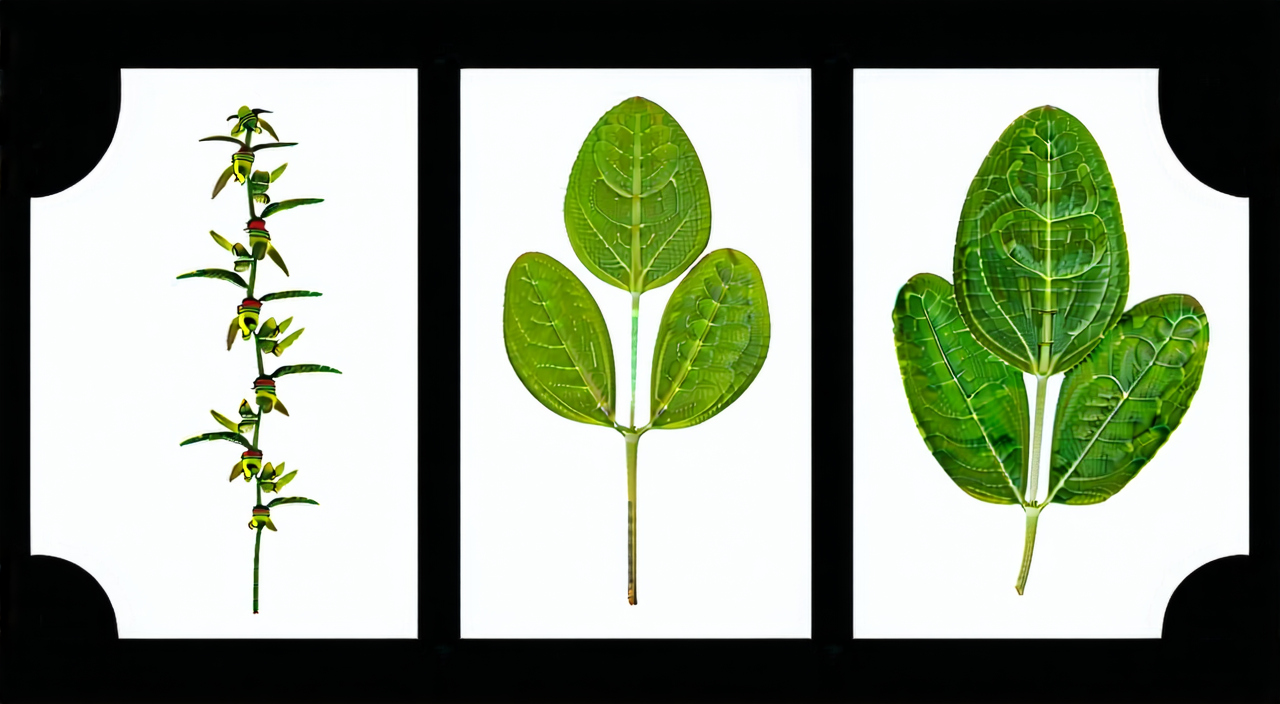
Dong Ling Cao, Xihuangcao, and Sarcandra may all appear in traditional Chinese medicine or herbal references, but they are not the same plant. Their botanical sources, appearances, and traditional applications differ. They should not be substituted for one another simply because their names are similar or because they are all used in certain traditional heat-clearing contexts.
Dong Ling Cao usually refers to Rabdosia rubescens. It has characteristically square stems, mostly opposite ovate leaves, serrated margins, and panicle-like inflorescences. Xihuangcao generally refers to other plants in the Isodon genus of the mint family. Common names and regional usage can be complex, and its leaf shape, leaf texture, stem characteristics, and inflorescences may differ from those of Dong Ling Cao. Not every plant in the Isodon genus should be treated as Dong Ling Cao. Sarcandra comes from a different plant source and is commonly associated with Sarcandra glabra, a plant in the Chloranthaceae family. Its stem nodes and leaf arrangement show clear differences from Dong Ling Cao.
After drying, all three may become fragments of varying shades, making them difficult to distinguish from a small number of cut pieces alone. Identification should combine complete plant specimens, medicinal-material characteristics, microscopic features, and necessary testing information. Self-identification based on online images is not recommended as a substitute for formal medicinal-material authentication.
What Are the Common Dong Ling Cao Preparations?
Dong Ling Cao Tablets
Dong Ling Cao tablets are usually made from Dong Ling Cao extracts or medicinal material and are traditionally associated with throat discomfort, hoarseness, and related uses. The raw-material processing, excipients, specifications, and package-insert information may vary between manufacturers. Follow the specific packaging and instructions rather than judging the intended users or directions for use solely by the product name.
Dong Ling Cao Syrup
Dong Ling Cao syrup is a liquid preparation. Some people choose this dosage form because of how it is swallowed or because of its taste. Syrups may contain sugars or other excipients, so the formula information should be checked. People who need to control their sugar intake, children, pregnant individuals, and those taking other medications should consult a healthcare professional first.
Dong Ling Cao Lozenges
Dong Ling Cao lozenges dissolve in the mouth and are commonly chosen as a traditional herbal preparation for local throat discomfort. A lozenge does not determine the cause of throat symptoms and cannot replace necessary examinations. Follow the package instructions regarding age restrictions, how to dissolve the lozenge, daily dosage, and possible adverse reactions.
What Precautions Should Be Observed When Using Dong Ling Cao?
Whether Dong Ling Cao medicinal materials or preparations are appropriate for an individual depends on their constitution, symptoms, product instructions, and professional advice. Herbs or preparations traditionally associated with heat-clearing may cause discomfort in people with a cold-sensitive digestive system, a tendency toward diarrhea, or a sensitive stomach. These individuals should monitor their response carefully and avoid prolonged continuous self-use.
People who are pregnant or breastfeeding, children, older adults, and those taking anticoagulants, immune-related medications, or other prescription drugs should consult a doctor or pharmacist before use. People with liver or kidney disease should not determine dosage or duration solely from the name of an herbal ingredient. If a rash, nausea, diarrhea, abdominal discomfort, or any other unusual reaction occurs, stop self-use and seek professional advice.
If a sore throat recurs or persists for an extended period, or if it is accompanied by high fever, abnormal breathing, significant difficulty swallowing, chest tightness, weight loss, a neck lump, persistent hoarseness, or other concerning symptoms, seek medical evaluation promptly. Dong Ling Cao tablets, syrup, and lozenges cannot replace appropriate diagnosis and treatment for infections, allergies, reflux, cancer, or other conditions. Serious or long-lasting symptoms require identification of the underlying cause rather than repeated self-use of the same preparation.
Summary
Dong Ling Cao usually comes from the dried aerial parts of Rabdosia rubescens. When identifying the plant, look for square stems, opposite ovate leaves, serrated margins, and panicle-like inflorescences; after drying, it commonly appears as yellow-green fragments. Traditionally, it is associated with heat-clearing and throat-soothing applications, while modern constituent research must be distinguished from evidence in humans. The specific use of Dong Ling Cao tablets, syrup, and lozenges should follow the product instructions. Pregnant individuals, people with a cold-sensitive digestive system or liver or kidney disease, and those with persistent or recurrent throat discomfort should consult a healthcare professional first. This article is for general educational reference only and does not replace diagnosis or treatment advice.