
What Is Eucommia? Medicinal Parts, Identification, and Common Formulas
In the ingredient lists of many tonic-based Chinese patent medicines or traditional decoctions, people often come across the name “eucommia.” For Chinese speakers living overseas, it may not be clear at first what eucommia actually is, which part of the plant is used, and exactly what role it plays in formulas. These basic pieces of information are precisely the first step in understanding eucommia.
What does eucommia look like? How is it identified?
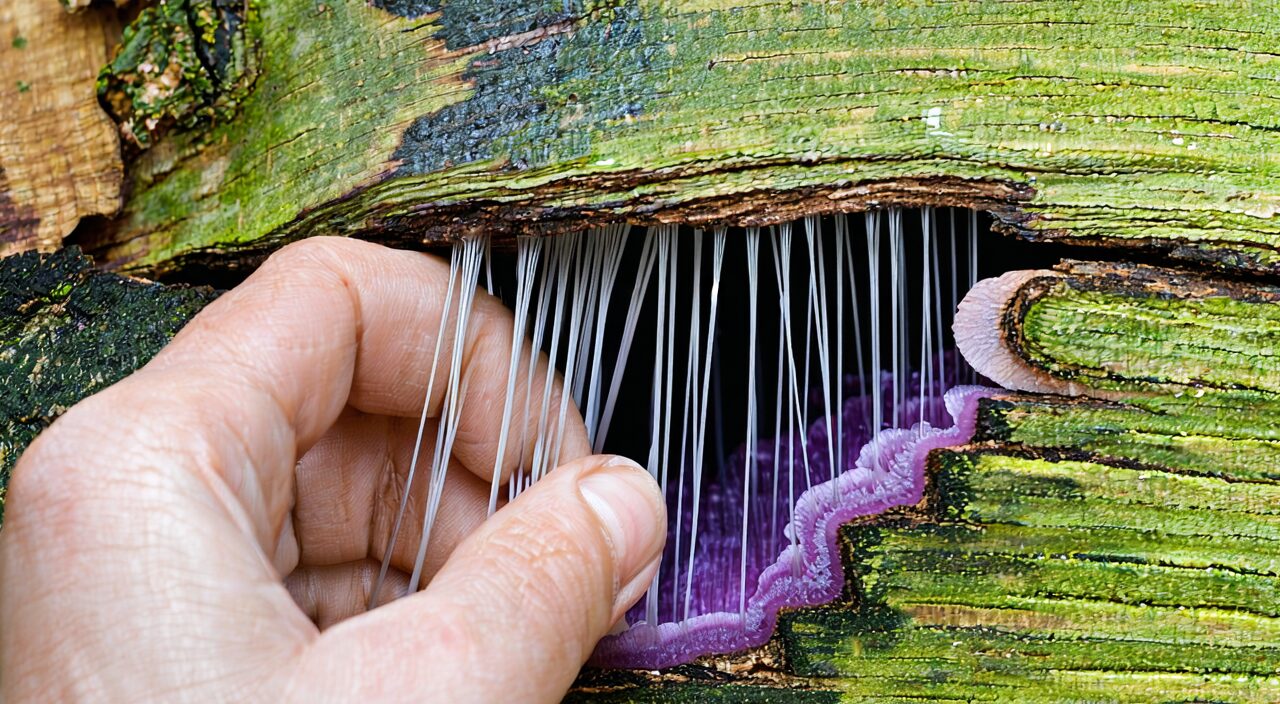
The most common form of eucommia medicinal material is flat, plate-like or curled sheets of bark, varying somewhat in size and thickness. The outer surface is generally grayish-brown or light brown, with obvious longitudinal fissures and lenticel marks, and sometimes light-colored patches left after part of the rough outer bark has been scraped away.
The inner surface is one of the important features for identifying eucommia. When scraped or when observing processed slices, the inner surface appears dark purple or purple-brown, relatively smooth, with fine longitudinal striations. More critically, when dry eucommia bark is broken, the fractured edge pulls out fine, silvery-white, elastic rubbery threads that can be stretched to a certain length without breaking. These silvery-white threads are a striking characteristic that distinguishes eucommia from other tree bark medicinal materials, and this is a commonly used method for daily identification.
Prepared slices are often cut into small square pieces or wide strips, and the fractured edges still show silvery-white threads. Pulling gently under good light makes these threads even more obvious. Whether in intact plate form or after slicing, as long as one notes the grayish-brown outer bark, purple-brown inner bark, and the silvery threads upon breaking, eucommia can generally be reliably recognized.
What is the medicinal part of eucommia?
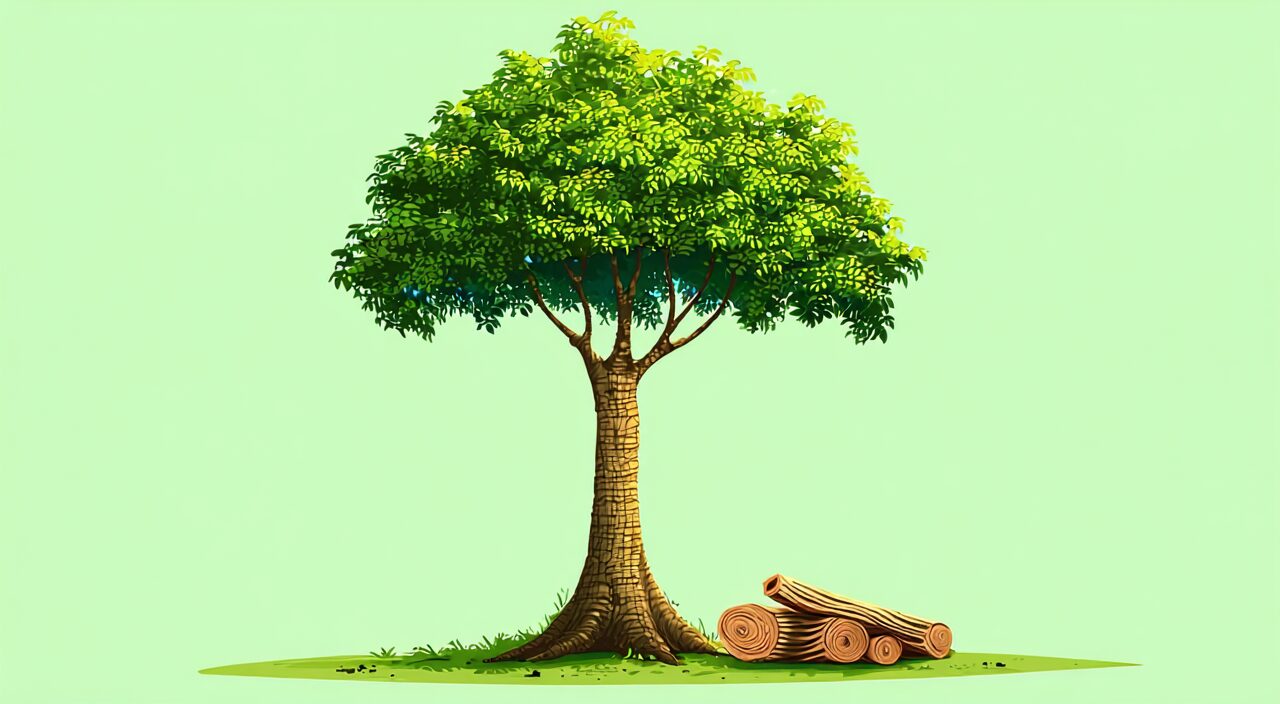
The medicinal part of eucommia is the dried bark. Generally, the bark is stripped in spring and summer; after removing the rough outer layer, it is piled up and allowed to “sweat,” and then dried in the sun once the inner bark turns purple-brown. This “sweating” process helps develop eucommia’s characteristic color and properties.
Eucommia material commonly seen on the market is mostly in flat, plate-like pieces, some retaining part of the grayish-brown outer bark, others scraped clean. Prepared slices are usually further processed into small pieces or thin strips for convenient formula combining and decocting. Salt-fried eucommia, which is processed by stir-frying with salt water, is also occasionally encountered. Traditionally, salt-processing is believed to guide the herb to the kidney channel and better exert its effects of tonifying the liver and kidneys and strengthening sinews and bones.
No matter which form, the core part is the bark of the eucommia tree, not the branches, leaves, fruits, or roots. This is a point where many people can easily get confused when first encountering the herb.
How does traditional Chinese medicine understand eucommia?
In the understanding of traditional Chinese medicine, eucommia is sweet in flavor and warm in nature, mainly entering the liver and kidney channels. Therefore, perception of it mostly revolves around the idea that “the liver governs the sinews and the kidneys govern the bones.” Eucommia is commonly used to tonify the liver and kidneys and strengthen sinews and bones. In traditional healthcare, when a person experiences soreness and weakness of the lower back and knees, lack of strength in the lower limbs, or weakness of sinews and bones, eucommia often appears as one of the important medicinal ingredients in formulas.
In addition, eucommia also has an application direction of calming the fetus in traditional practice. Especially for pregnancy-related lower back soreness and threatened miscarriage due to liver and kidney insufficiency, it has been regarded by successive generations of physicians as one of the herbs for support. However, this does not mean eucommia is suitable for all kinds of discomfort during pregnancy; it still needs to be viewed in the context of the whole body condition.
In summary, in TCM the understanding of eucommia centers on the two directions of “tonifying” and “stabilizing”—tonifying the liver and kidneys, and stabilizing sinews, bones, and the fetal origin. This understanding has provided a basic framework for later formula composition, but in practical use, additions and subtractions often need to be made according to specific constitution and syndrome patterns.
What components and effects of eucommia does modern research focus on?
Modern phytochemical research has isolated various constituents from eucommia, among which the more noted ones include chlorogenic acid, aucubin, geniposidic acid, and eucommia rubber (gutta-percha). Among them, eucommia rubber is the main substance that forms the silvery-white rubbery threads, belonging to a type of natural high polymer.
Some experimental studies have observed that eucommia extracts show certain tendencies in bone metabolism and blood pressure regulation in cell or animal models. For example, some research has noticed that certain constituents in eucommia may affect osteoblast activity or have some action on angiotensin-converting enzyme. However, these are mostly in vitro experiments or animal studies, and high-quality clinical human evidence is still limited. One cannot directly equate laboratory findings to effects in the human body.
Therefore, these modern research pieces of information can serve as supplementary background for understanding eucommia, but when it comes to specific use, one should still primarily rely on traditional application experience and individualized assessment, rather than using laboratory results on single components as the sole basis for selection.
What are the differences between eucommia and similar herbs?
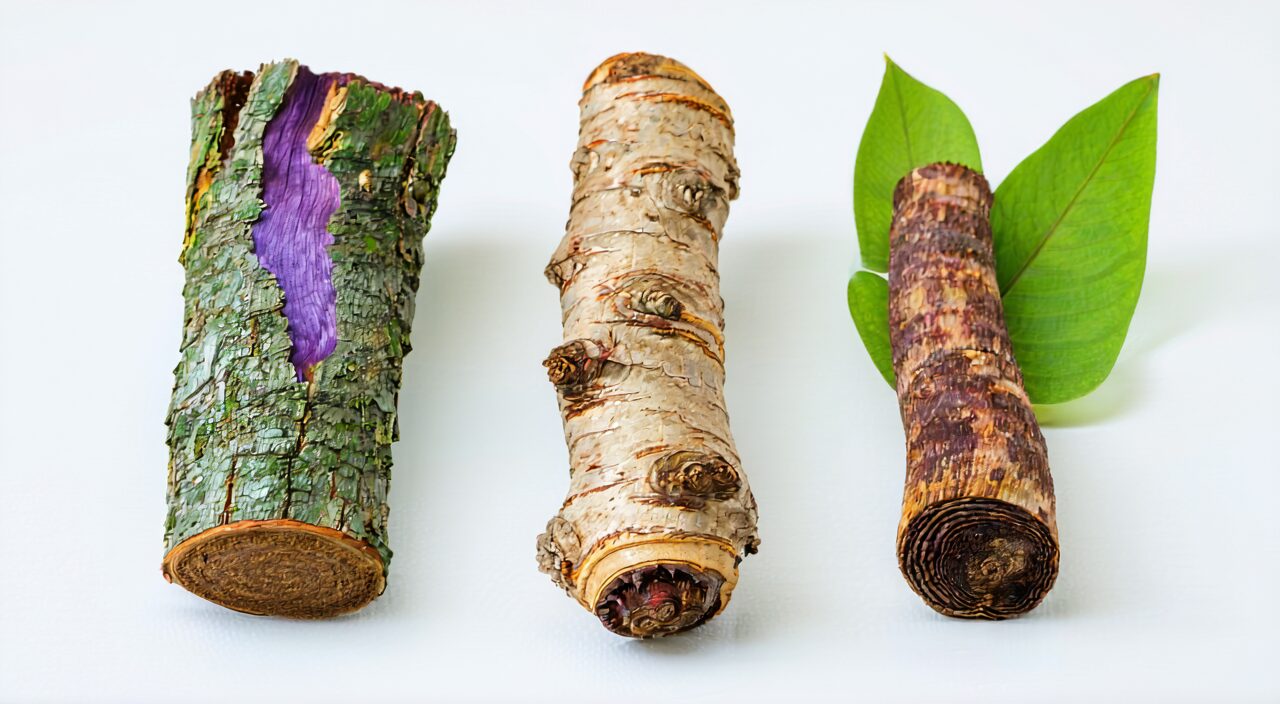
Eucommia is often compared with teasel root (Dipsaci Radix) and mistletoe (Taxilli Herba) because these three sometimes appear together in traditional formulas and are all related in some way to sinews and bones, the lower back and knees, and calming the fetus. But from the perspectives of origin and characteristics, there are clear differences among the three.
Teasel root is the dried root of Dipsacus asper (family Dipsacaceae). It is long-cylindrical in shape, with a grayish-brown or yellowish-brown surface, relatively soft texture, and its fracture surface does not produce the silvery-white rubbery threads like eucommia. Traditionally, teasel root is more inclined to reconnect sinews and bones and regulate blood vessels, and is more often applied in situations like traumatic injuries and bone fractures. One might say that eucommia leans toward tonifying the liver and kidneys to strengthen sinews and bones, while teasel root focuses more on “reconnecting.”
Mistletoe is the dried leafy stem and branch of Taxillus chinensis (family Loranthaceae). The stems are cylindrical, with a reddish-brown or grayish-brown surface, bearing leaves, and the fracture surface also lacks the rubbery threads of eucommia. Mistletoe is traditionally emphasized for nourishing blood, dispelling wind-dampness, and calming the fetus, and is more commonly used for wind-damp painful obstruction combined with blood deficiency or liver and kidney insufficiency. Compared with eucommia, the characteristic of dispelling wind-dampness is more prominent in mistletoe.
In terms of appearance, remembering “bark, flat plate, silver threads” will essentially prevent confusing eucommia with other herbs; in terms of medicinal part, eucommia is bark, teasel root is root, and mistletoe is a leafy stem and branch. Once these differences are understood, one can better appreciate the roles of different herbs when studying formula compositions.
Which formulas use eucommia?
Eucommia appears in quite a number of classic formulas. Here we only introduce several common formulas from the perspective of traditional combination ideas, not as treatment recommendations.
Duhuo Jisheng Tang originates from “Important Formulas Worth a Thousand Gold Pieces for Emergencies.” In this formula, eucommia is used together with herbs such as Duhuo (Angelica pubescens), mistletoe, Achyranthes root, and Asarum. The traditional pattern it is suitable to reference is a situation of liver and kidney insufficiency, qi and blood deficiency, combined with wind-cold-damp obstruction, often manifesting as cold pain in the lower back and knees and difficulty bending or stretching the legs. In this formula, eucommia mainly aims to tonify the liver and kidneys and strengthen the lower back and knees, providing a foundation for the other wind-damp-dispelling herbs.
Tianma Gouteng Yin is a formula commonly used to address liver yang hyperactivity, in which eucommia is combined with Tianma (Gastrodia), Gouteng (Uncaria), Achyranthes root, and others. The traditional application direction is related to dizziness, vertigo, tinnitus, and insomnia. Eucommia’s role here leans toward tonifying the liver and kidneys and subduing yang, working together with the other herbs to regulate the overall state of the body.
Eucommia Pill (Duzhong Wan) comes from “The Revised Fine Formulas for Women.” It combines eucommia with teasel root and others and is traditionally used for support in cases of lower back soreness and threatened miscarriage during pregnancy due to liver and kidney insufficiency. This formula quite typically reflects the miscarriage-calming aspect of eucommia, but the specific suitability must be comprehensively assessed by a professional based on the pregnant woman’s constitution and symptoms.
Qing’e Pill is a traditional formula for tonifying the kidneys and strengthening the lower back, mainly composed of eucommia, Psoralea fruit, and walnut kernels. The direction suitable for understanding is kidney-deficiency lower back pain and soreness and weakness of the legs and knees, especially biased toward lower back discomfort that worsens with fatigue. Eucommia serves as one of the core herbs for tonifying the liver and kidneys and strengthening sinews and bones in this formula.
These formulas respectively reflect the different combination roles of eucommia in various directions. Whether they are suitable needs to be comprehensively judged based on individual constitution, symptoms, and professional advice.
What precautions should be taken when using eucommia?
Although eucommia is often regarded as a relatively mild herb, there are still some points worth noting. First, if an individual has a constitution of yin deficiency with fire effulgence, often presenting with heat sensation in the palms and soles, dry mouth and throat, red tongue with little coating, or easy irritability, caution is needed when using eucommia. Because eucommia is warm in nature, it may aggravate the pre-existing “heat signs” in the body.
Second, for those who are taking antihypertensive medications, since eucommia is traditionally considered to have a direction of regulating blood pressure, before combining eucommia on one’s own, one needs to pay attention to changes in blood pressure and avoid unnecessary hypotensive reactions caused by additive effects. It is advisable for such individuals to communicate with a physician or pharmacist beforehand, rather than deciding solely based on traditional experience.
Also, like with any medicinal substance, when encountering eucommia for the first time, one can start with a short observation period and note the body’s responses. If original discomfort does not improve over a relatively long period, or if new abnormal signs appear, one should seek professional medical help in a timely manner, rather than continuing to rely on a single herb alone.
Summary
As a traditional medicinal material that uses the bark, eucommia’s most intuitive identification features are its plate-like shape and the silvery-white rubbery threads pulled when broken. TCM mainly understands it from the angles of tonifying the liver and kidneys, strengthening sinews and bones, and calming the fetus. It commonly appears in formulas such as Duhuo Jisheng Tang, Tianma Gouteng Yin, Eucommia Pill, and Qing’e Pill, playing different combination roles. When using eucommia, one needs to pay attention to individual constitutional tendencies, especially those with yin deficiency fire effulgence and those on blood-pressure-lowering medications should be more cautious and consult a professional when necessary. This article is for general informational reference only and cannot replace professional diagnosis or treatment advice.