
What Is Senna Leaf? Medicinal Parts, Identification, and Common Formulas
When some people need to regulate bowel function or relieve occasional constipation, they may hear the name “senna leaf,” but they may not know exactly which part of the plant it is, what it looks like, or how it differs from the more familiar rhubarb. This article will cover visual identification, the medicinal part used, traditional Chinese medicine (TCM) understanding, modern research insights, comparison with rhubarb, common preparations, and usage precautions, providing a foundational reference suitable for overseas Chinese readers.
What Does Senna Leaf Look Like? How to Identify It
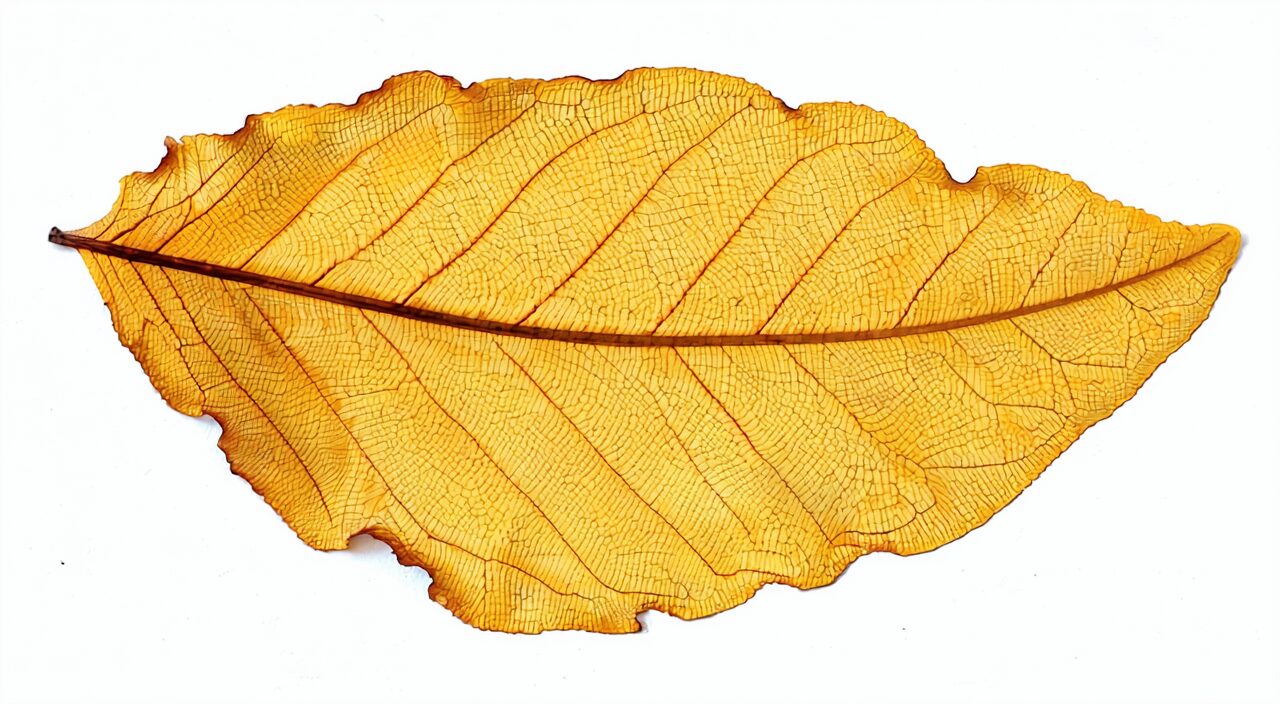
Commercial senna leaf is usually found as broken leaf fragments. Intact leaflets are mostly oblong-ovate or ovate-lanceolate, generally 2–6 cm long and about 0.4–1.5 cm wide. The leaf apex is pointed, the base is slightly asymmetrical, and the margin is entire (smooth, without serrations).
In terms of color, the upper surface is mostly yellowish-green or grayish-green, while the lower surface is paler. When held up to light, clear veins are visible; the midrib is slightly raised on the underside, and the lateral veins branch off from the midrib at a wide angle, then curve upward near the leaf margin, forming a noticeable vein network. The petiole is short, and the leaf texture is thin and brittle, easily crumbled when pinched; if damp, it becomes soft.
On the market, senna leaf may sometimes be mixed with small pod fragments or rachis pieces. When identifying, pay attention to the asymmetrical leaf base, an important feature that distinguishes it from other similar leaves.
What Is the Medicinal Part of Senna Leaf?
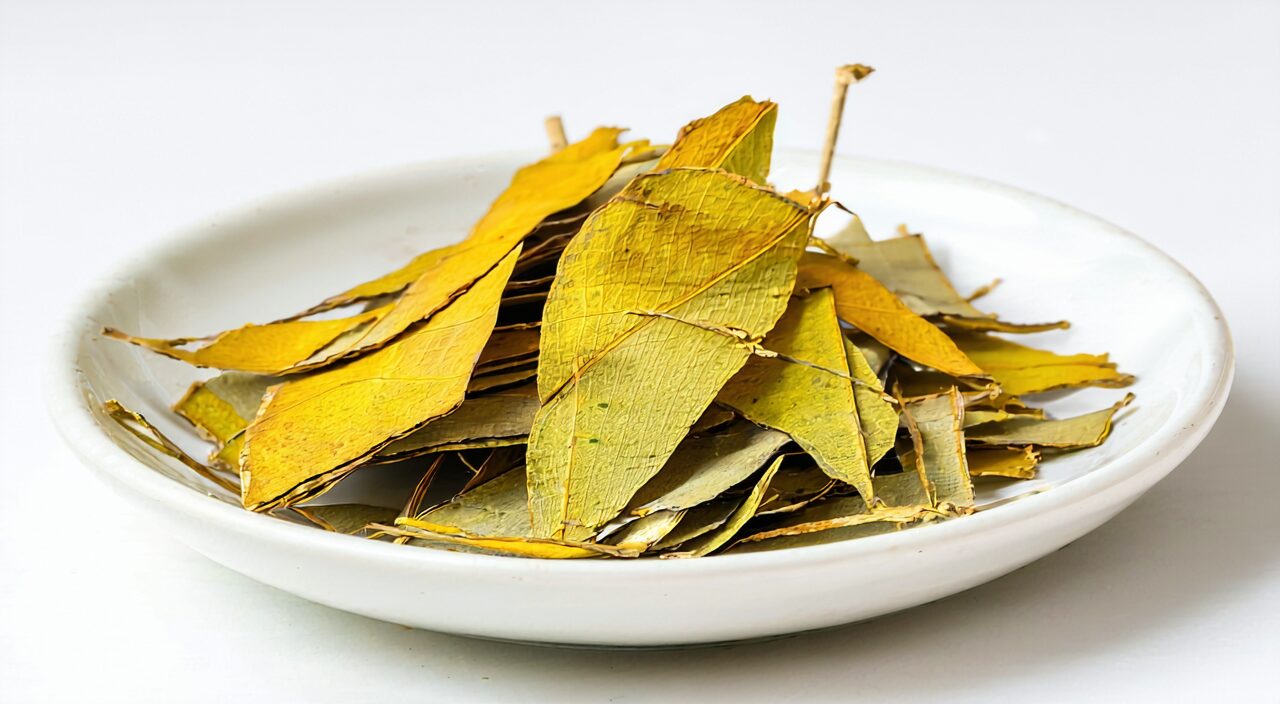
The medicinal part of senna leaf is the dried leaflet, typically using the small leaves of Cassia angustifolia or Cassia acutifolia. Harvesting usually occurs when the leaves are fully grown but not yet turning yellow. After picking, they are dried in the shade or at low temperature, avoiding direct sunlight to prevent excessive degradation of active compounds. For medicinal use, the dried leaflets are often infused directly or made into preparations; the petioles and stems are generally not used.
How Does TCM View Senna Leaf?
From a traditional Chinese medicine perspective, senna leaf is usually recorded as sweet and bitter in flavor, cold in nature, and entering the Large Intestine meridian. Its applications often revolve around “purging heat and moving stagnation,” “promoting bowel movements,” and “promoting urination.”
For manifestations such as hard stools and abdominal distension caused by internal heat accumulation and obstructed intestinal qi, senna leaf may be considered as a short-term option to stimulate the bowels. However, because its nature is cold and its action is relatively drastic, it is traditionally not recommended as a routine mild tonic but rather as a short-term, targeted use in specific situations. Whether it is suitable still requires comprehensive evaluation based on individual constitution, cold/heat patterns, and other accompanying symptoms.
How Does Modern Research Explain Senna Leaf’s Effects?
Modern research has focused mainly on the anthraquinone glycosides contained in senna leaf, with sennoside A and sennoside B being the most typical. After oral administration, most of these anthraquinone glycosides are not absorbed in the upper digestive tract. When they reach the large intestine, they are broken down by gut bacteria into active metabolites that stimulate the intestinal mucosa and myenteric plexus, promoting peristalsis. At the same time, they inhibit water absorption in the colon, increasing the volume of intestinal contents and softening them, thereby producing a laxative effect.
This process is a stimulant laxative mechanism and usually takes effect relatively quickly. However, this also means that the duration of use should not be extended arbitrarily to avoid over-stimulating the intestines.
What Are the Differences Between Senna Leaf and Rhubarb?
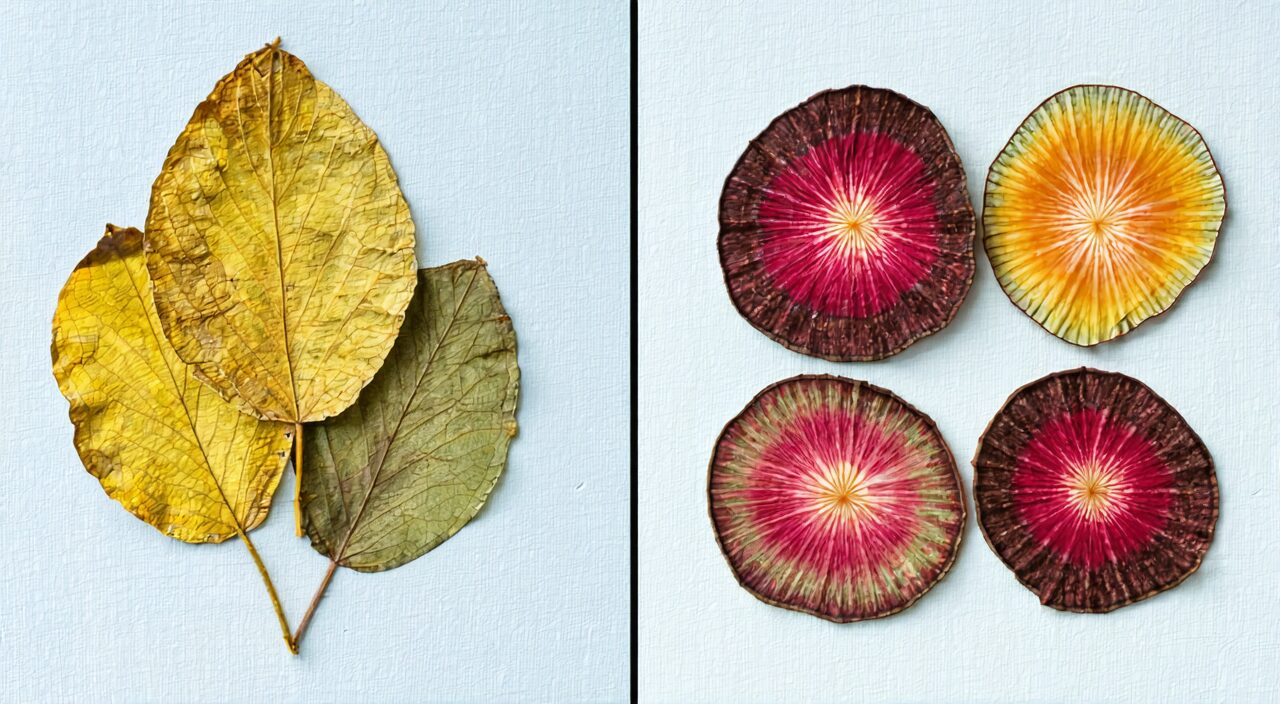
Both senna leaf and rhubarb are commonly used in Chinese medicine to purge and clear intestinal heat and stagnation, but they differ significantly in origin, action characteristics, and traditional application.
Senna leaf comes from the leaves of the plant, while rhubarb is derived from the dried root and rhizome of Rheum palmatum, Rheum tanguticum, or Rheum officinale. In traditional terms, apart from its purgative effect, rhubarb is often associated with clearing heat and cooling blood, invigorating blood, and detoxifying, giving it a broader range of applications. The traditional use of senna leaf, on the other hand, is more focused on promoting bowel movements in the short term and is less commonly used for blood-level or heat-toxin regulation.
In terms of speed and intensity, senna leaf’s stimulant laxative action is usually more direct, while rhubarb, at appropriate doses, has a relatively milder effect. Moreover, depending on the processing method, rhubarb’s indications also vary greatly. Therefore, these two should not be simply substituted for one another. The choice of which to use should be a comprehensive assessment based on specific manifestations, individual constitution, and professional advice.
Which Formulas Use Senna Leaf?
Clinically, senna leaf is not often used as the chief herb in large compound formulas, but it does appear as the main ingredient in some targeted patent medicines or simple preparations.
Senna Leaf Granules (Fan Xie Ye Ke Li) is a relatively common patent medicine that extracts senna leaf into granule form for convenient timed and quantitative use. Tong Bian Ling capsules (a laxative formula) often combine senna leaf with other moistening or qi-moving herbs to address temporary constipation and difficult defecation. As for senna leaf infusions, under certain conditions, some people choose to steep senna leaflets in boiling water for a short time and drink the liquid, but this is a more direct form of single-herb use that requires careful attention to concentration, steeping time, and frequency.
These preparations or formulas are often used as supportive measures for temporary bowel irregularities. However, because individual intestinal responses vary greatly, whether they are suitable still requires a comprehensive judgment based on product instructions, personal circumstances, and professional advice. Self-directed long-term or frequent use should be avoided.
What Precautions Should Be Taken When Using Senna Leaf?
Improper use of senna leaf can easily cause a range of discomforts. The following points deserve special attention.
First, senna leaf can easily cause abdominal cramps and diarrhea. Some people may experience nausea, vomiting, or electrolyte imbalances. Long-term or excessive use can lead to hypokalemia, even affecting muscle function and heart rhythm stability. Second, continuous use may lead to intestinal dependence, meaning that once stopped, bowel movements become even more difficult. Additionally, long-term use of stimulant laxatives containing anthraquinones has been reported to be associated with changes in the intestinal mucosa, such as melanosis coli.
People who are pregnant, breastfeeding, or menstruating are traditionally considered to avoid senna leaf and similar purgative herbs. Children, the elderly or frail, and those with chronic intestinal diseases, heart conditions, or impaired kidney function should also exercise caution under professional guidance.
It is especially important to note that senna leaf is not suitable for long-term use as a weight loss aid. What is lost through purgation is mostly water and electrolytes, not actual fat reduction, and it may bring unnecessary risks to the body. If you experience prolonged difficulty with bowel movements, changes in bowel habits, or accompanying symptoms such as abdominal pain, weight loss, or blood in the stool, you should seek medical attention promptly rather than relying on senna leaf products on your own.
Summary
As a stimulant laxative herb, senna leaf has a traditional basis for short-term relief of heat-type constipation. Modern research has also explained its action mechanism through the conversion of sennosides. However, it differs significantly from rhubarb in origin, scope of application, and action characteristics. Related preparations such as Senna Leaf Granules and Tong Bian Ling capsules are only considered as short-term options in specific situations. Long-term use or casual use for weight loss may carry risks such as intestinal dependence and electrolyte imbalances. The content of this article is for informational reference only and cannot replace professional diagnosis or treatment advice. Any specific use should be combined with individual circumstances and professional judgment.