
What Is Fangji? Medicinal Parts, Identification, and Common Formulas
Fangji is one of the more confusing names in Chinese herbal medicine. Many people hearing “Fangji” for the first time mix it up with names such as Fangfeng and Fangji Huangqi Tang, or they may see “Fenfangji,” “Guangfangji,” and “Mufangji” when purchasing and not know whether these refer to the same thing. Simply put, under current Chinese medicine standards, Fangji usually refers to the dried root of Fenfangji (Stephania tetrandra). Its source is relatively clear, but it must still be strictly distinguished from adulterants and substitutes such as Guangfangji, which carries aristolochic acid risk. Understanding how to identify Fangji, its medicinal part, traditional uses, and precautions helps build a safer and clearer understanding.
What Does Fangji Look Like? How Is It Identified?
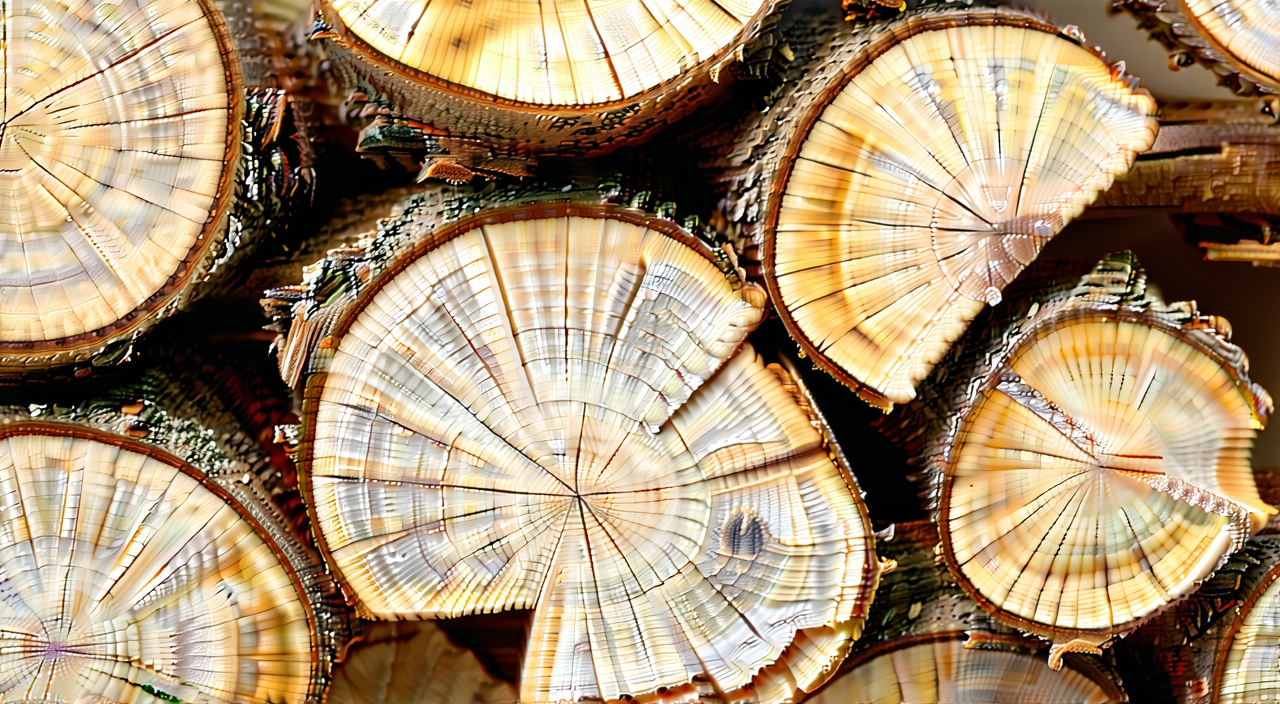
Commonly used Fangji decoction pieces are mostly irregular cylindrical, semicircular, or blocky thick slices. The outer bark is generally grayish-brown or gray-brown, and the surface may have fine longitudinal lines or a rough feel. The cut surface is usually grayish-white or yellowish-white, with relatively obvious starchy texture, especially after drying, when a fine texture can be seen. In traditional experience-based identification, the “wheel pattern” is often mentioned: brown markings radiate from the center to the edges on the cut surface, resembling a wheel. The texture is usually firm and not easily broken; it has a mild odor and a bitter taste.
It is important to note that Fangji decoction pieces from different origins and processing methods can differ somewhat in appearance. For example, slice thickness, how much outer bark remains, and starchy appearance may vary. Judging whether the material is acceptable cannot be based solely on whether the color is grayish-white or the starchy texture is obvious. For ordinary consumers, it is more important to learn the source through traceable channels than to buy based only on visual experience.
What Is the Medicinal Part of Fangji?
The medicinal part of Fangji is the root, specifically the dried root of Stephania tetrandra. Traditionally, harvesting is mostly carried out in autumn, when growth of the above-ground parts has stabilized and the roots have accumulated more fully. After harvest, sediment, rough bark, and fibrous roots are removed; the root is washed, cut into thick slices, and then dried. During processing, slice thickness, drying method, and storage conditions all affect the appearance and quality of the decoction pieces.
The word “root” should be emphasized here, because Fangji is not the whole herb used medicinally. Precisely because dried root slices resemble the roots or rhizomes of some other plants, many regional substitutes and homonyms have appeared historically. Under current standards, if a product is labeled only “Fangji,” it is difficult for consumers to determine its botanical source, so it should be treated with caution.
How Is Fangji Understood in Traditional Chinese Medicine?
Traditional Chinese medicine often understands Fangji from two directions: dispelling wind and relieving pain, and promoting urination and reducing swelling. For presentations such as wind-damp painful obstruction, heaviness of the limbs, restricted joints, edema, and difficult urination, classical formulas may combine Fangji with herbs such as Huangqi (Astragalus root), Baizhu (Atractylodes rhizome), Fuling (Poria), and Guizhi (Cinnamon twig) to regulate dampness and obstructed channels. Here, “relieving pain” is not equivalent to modern analgesics; rather, it is used within a holistic pattern-based approach targeting pathomechanisms such as wind, dampness, and water retention.
Because Fangji is considered bitter and cold in nature, traditional Chinese medicine holds that it is not suitable for everyone. For example, people with deficiency-cold of the spleen and stomach, poor appetite, loose stools, or a weak constitution may actually experience more discomfort when using Fangji. Whether it is appropriate should be judged comprehensively based on one’s constitution, specific symptoms, and professional advice; it should not be self-applied simply because of one symptom.
What Are the Main Focus Areas of Modern Research?
In modern research, the biggest safety issue with Fangji-type medicinal materials is the aristolochic acid risk caused by source confusion. Guangfangji comes from Aristolochia fangchi in the Aristolochiaceae family and contains aristolochic acid, a compound associated with nephrotoxicity risk. For safety reasons, many regions have restricted or banned the medicinal use of Guangfangji. Fenfangji, promoted under current standards, comes from Stephania tetrandra in the Menispermaceae family, a plant source different from Guangfangji, and it is clearly distinguished by name.
In addition, the alkaloid constituents in Fenfangji are one of the main focuses of modern research. Such studies help explain its traditional uses, but information from the research stage cannot be directly equated with a basis for daily health care or self-medication. People with abnormal kidney function, urinary system diseases, or long-term medication use should especially not try Fangji-type products of unknown origin on their own.
What Are the Differences Between Fenfangji, Guangfangji, and Mufangji?
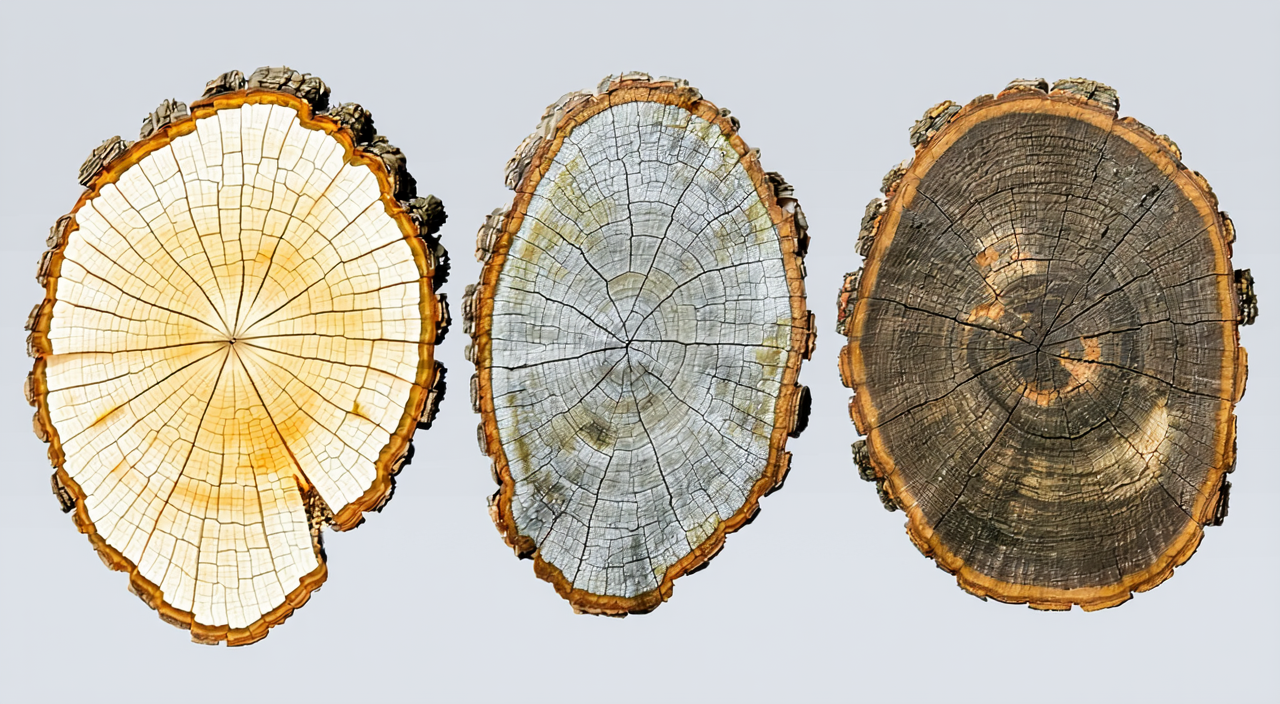
The most fundamental difference among the three lies in their botanical sources. Fenfangji comes from Stephania tetrandra in the Menispermaceae family; Guangfangji comes from Aristolochia fangchi in the Aristolochiaceae family; and Mufangji does not refer to exactly the same plant in all regions. In some cases it is Cocculus orbiculatus in the Menispermaceae family, while in others it is a different plant that has been mixed in by name. Different sources mean different risks.
In terms of decoction piece appearance, Fenfangji has a grayish-white or yellowish-white cut surface, relatively obvious starchy texture, and commonly shows the “wheel pattern.” Guangfangji may show irregular anomalous vascular bundles or cracks on the cut surface, and the color may be more grayish-yellow. Mufangji has complex sources and an even less stable appearance. Ordinary consumers find it difficult to distinguish them accurately by eye alone, so conclusions should not be based only on experience such as whether the starchy texture is enough or whether the pattern is clear.
A more reliable approach is to check whether the product states its botanical source and species, and whether it is labeled “Fenfangji” rather than the vague “Fangji.” If it cannot be determined, it is better not to buy it than to use a medicinal material of unknown origin.
Which Formulas Use Fangji?
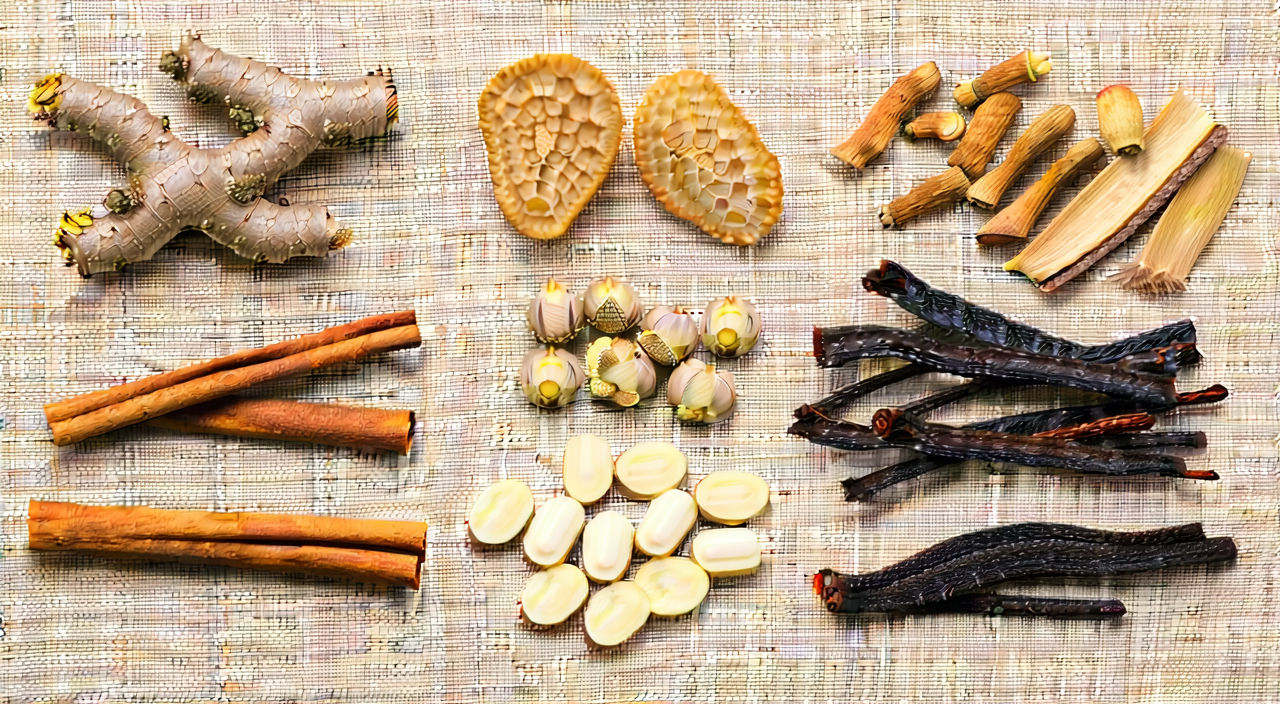
In traditional formulas, Fangji is mostly seen in prescriptions that promote urination and drain dampness, boost qi, and dispel wind. The following formula names are relatively common and are provided for general reference only:
- Fangji Huangqi Tang: traditionally used for patterns such as qi deficiency with heavy dampness, heaviness of the limbs, sweating, and aversion to wind; it is often combined with Huangqi, Baizhu, and Gancao.
- Mufangji Tang: although it contains the name “Mufangji,” greater attention should be paid to the specific botanical origin in modern use; it is not appropriate to self-prescribe simply based on the formula name.
- Fangji Fuling Tang: traditionally used for presentations such as skin edema and swelling of the limbs; it is often combined with Huangqi, Fuling, and Guizhi.
- Xuanbi Tang: traditionally used for damp-heat painful obstruction; it is often combined with Yiyiren (coix seed), Huashi (talcum), and Zhizi (gardenia fruit).
These formulas have different emphases and are not suitable for the same conditions. Whether one is appropriate should be judged comprehensively based on individual constitution, symptoms, tongue and pulse presentation, and professional pattern differentiation. One should not self-apply a formula simply because its name seems relevant.
What Precautions Should Be Taken When Using Fangji?
Before using Fangji, several groups of people need to be especially cautious. First, people with abnormal kidney function, a history of kidney disease, or those using medications that may affect the kidneys should avoid using Fangji-type products on their own. Second, people who are pregnant, breastfeeding, or trying to conceive should not take it on their own when sufficient safety evidence is lacking. Third, people with low blood pressure, deficiency-cold of the spleen and stomach, a tendency to diarrhea, or poor appetite should consult a professional before use. Fourth, when buying any medicinal material whose name contains “Fangji,” choose products with traceable sources and clear labeling, and do not buy raw materials whose package only says “Fangji” without stating the botanical source.
If symptoms such as fatigue, noticeable changes in urine output, swelling, nausea, or reduced appetite occur during use, stop using it and seek medical attention promptly. For long-term, recurrent, or severe joint pain, edema, or abnormal urination, relying on a single medicinal herb is even less advisable.
Summary
Under current standards, Fangji usually refers to the dried root of Fenfangji (Stephania tetrandra). Its traditional uses are mainly in dispelling wind, relieving pain, promoting urination, and reducing swelling, but safe use depends on accurately distinguishing Fenfangji from aristolochic acid-containing substitutes such as Guangfangji. Formulas such as Fangji Huangqi Tang and Fangji Fuling Tang should be understood only as traditional references; whether they are suitable should be judged based on individual circumstances. This article is for general information only and does not replace professional diagnosis or treatment advice.