
What Is Liquidambar Resin? Medicinal Part, Identification Methods, and Common Formulas
What is liquidambar resin? It is not the fruit or leaves of the Chinese sweetgum tree, but rather the resin exuded from the trunk after natural stimulation or injury. After collection, impurities are removed and the resin is appropriately processed before it is used as a traditional Chinese medicinal material. Because the Chinese sweetgum tree also produces another medicinal material known as liquidambar fruits, the two can easily be confused in terms of their source, appearance, and traditional uses.
In traditional Chinese medicine education and herbal identification, understanding what liquidambar resin looks like, which part of the plant it comes from, and how it differs from liquidambar fruits and rosin can help readers develop a more accurate understanding of this resinous medicinal material. The information below focuses mainly on traditional herbal knowledge. Specific use should still be assessed in light of reliable herbal information, individual circumstances, and professional advice.
What Does Liquidambar Resin Look Like and How Is It Identified?
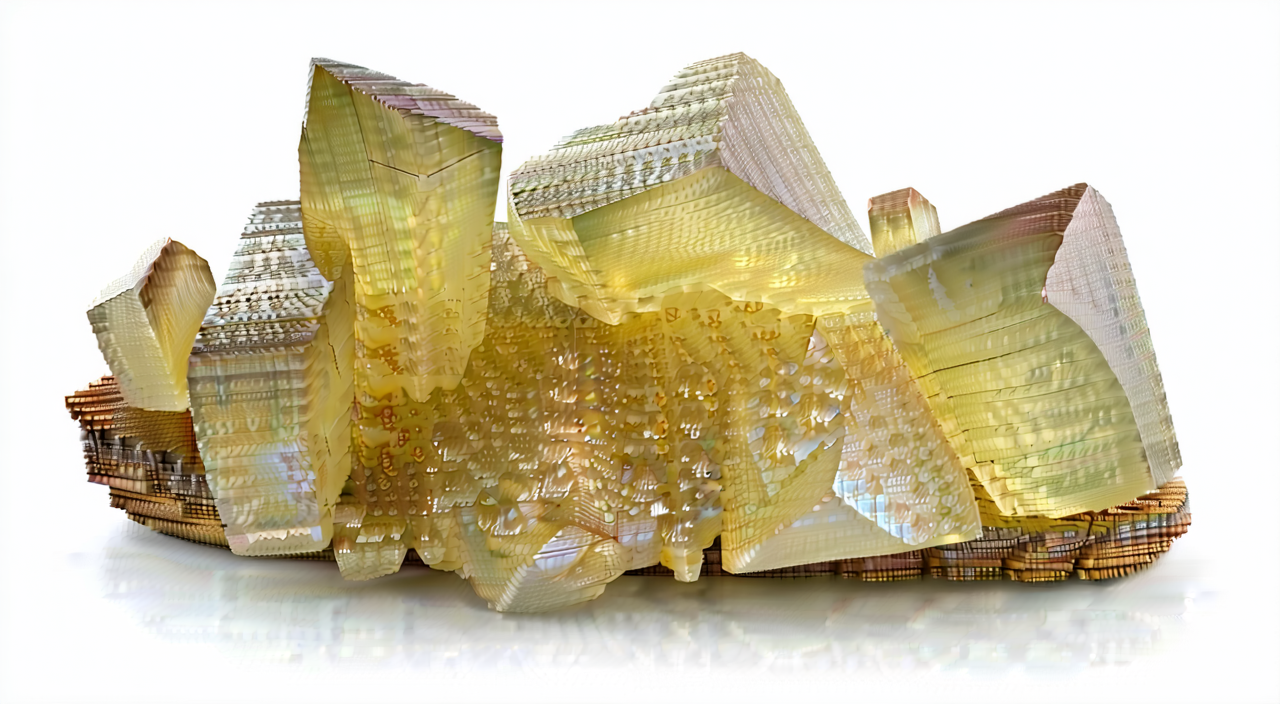
Liquidambar resin is usually found as irregular lumps, broken pieces, or granules, and its size can vary considerably. Its surface color is commonly yellowish-white, pale yellow, or brownish-yellow. Some samples may be darker, with variations related to storage time, impurities, and the degree of resin oxidation. The texture is generally brittle, so it can break easily when pressed or struck. The fractured surface may show a certain degree of translucency and, under good lighting, may have a waxy or glass-like appearance.
Odor is one feature that can be considered when identifying liquidambar resin. Clean liquidambar resin often has a resinous fragrance. Odor is not the sole basis for identification, but samples with an obvious moldy smell, sour or rancid odor, pungent chemical smell, or large amounts of wood debris should be approached with caution regarding their source and storage conditions. Traditional identification generally evaluates color, shape, translucency, brittleness, odor, and impurities together rather than drawing conclusions from a single feature.
Liquidambar resin may soften in high temperatures, and its surface can also change because of friction, heat exposure, or prolonged storage. Samples should therefore be examined under natural light and in a dry environment whenever possible. Resin from an unknown source, with incomplete packaging information, or without proper testing should not be used as a medicinal material without professional verification.
What Is the Medicinal Part of Liquidambar Resin?
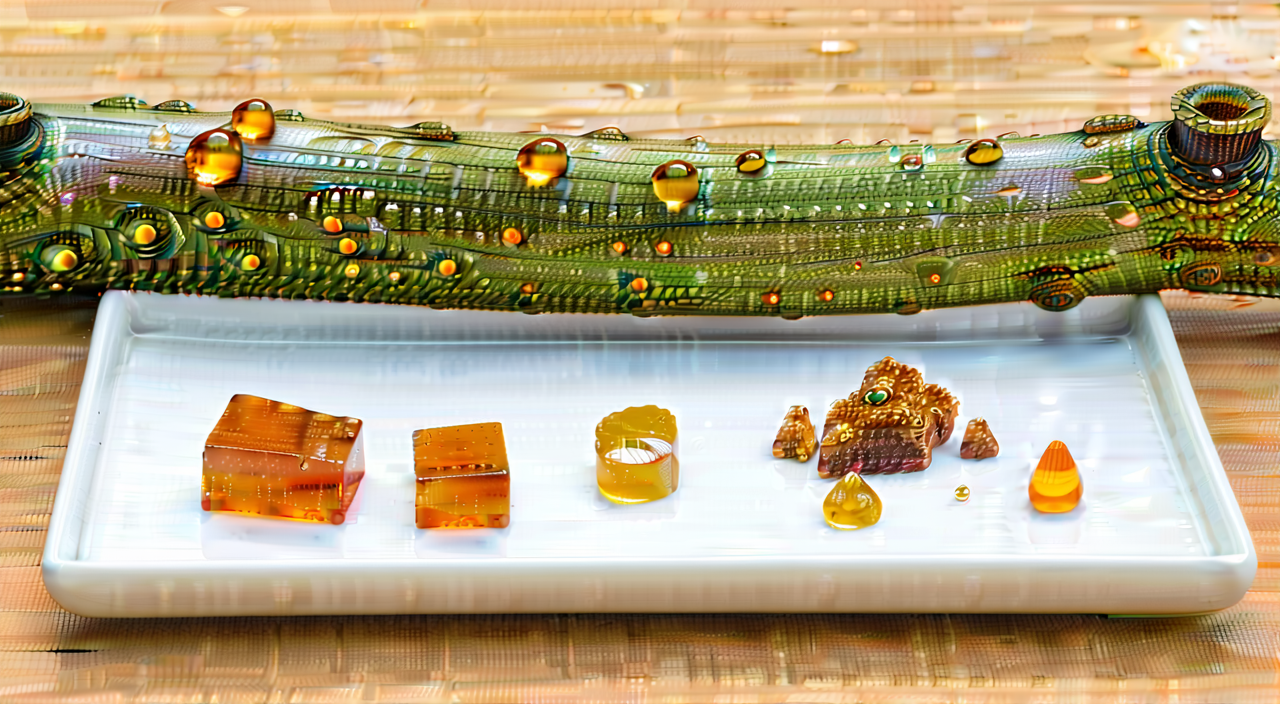
From a botanical perspective, the medicinal part of liquidambar resin is the resin secreted and solidified by the trunk of the Chinese sweetgum tree. The Chinese sweetgum belongs to the witch-hazel family. When the tree is damaged or cracks develop in its bark, resin may seep from the trunk and solidify into lumps. After collection, bark, wood fragments, sand, and other impurities are usually removed, followed by cleaning and drying to facilitate storage and use.
Resinous medicinal materials differ from roots, stems, leaves, flowers, and fruits. Their characteristics can be affected by the harvesting season, the condition of the tree, the time required for solidification, and the processing method. The source of liquidambar resin should be specifically identified as the trunk secretion of the Chinese sweetgum tree, rather than being broadly defined as any sticky or fragrant plant resin. The market may also contain industrial resins, fragrance materials, or other resin products. These materials cannot replace medicinal liquidambar resin merely because they look similar.
When identifying and storing the material, pay attention to its name, botanical source, origin, batch information, and testing marks. It is generally best stored in a dry place away from heat and light, and kept separate from strongly scented items. Specific storage requirements should follow the instructions for the regulated product.
How Does Traditional Chinese Medicine Understand Liquidambar Resin?
Traditional Chinese medicine commonly understands the application of liquidambar resin from perspectives such as promoting blood circulation and relieving pain, stopping bleeding and supporting tissue healing, and resolving toxicity. Traditional records and folk experience have often associated it with bruises and traumatic injuries, pain caused by blood stasis, bleeding from external injuries, and sores or ulcerated wounds. However, these descriptions belong to traditional theories and application concepts and should not be equated directly with treatment conclusions in modern medicine.
In traditional external-use practices, liquidambar resin is regarded as a resinous medicinal material that may be combined with other herbs to prepare powders, ointments, or external formulas. The ingredients, dosage, preparation method, and application site vary between formulas. A person should not reproduce or apply a formula independently simply because it contains a familiar herb. In particular, open, contaminated, or deep wounds require attention to wound cleaning, bleeding control, infection-risk assessment, and, when necessary, tetanus prevention, rather than the self-application of resin powder.
For pain, swelling, bleeding, or damaged skin, whether a traditional external-use approach containing liquidambar resin is appropriate should be determined according to the condition of the wound, any history of allergies, underlying illnesses, and professional advice. If symptoms persist or recur, the underlying cause should be clarified first.
What Can Be Learned from Modern Research on Liquidambar Resin?
Modern research generally examines liquidambar resin in areas including phytochemical constituents, volatile components of the resin, in vitro experiments, and quality control of traditional medicinal materials. Some studies focus on aromatic or resinous constituents and the related activities these compounds demonstrate under experimental conditions. However, laboratory studies and animal research differ from actual human use, so a specific experimental result cannot by itself establish that a particular product is suitable for an individual.
The quality of a medicinal material may also be affected by its botanical origin, harvesting, cleaning, storage, and testing methods. For Chinese-speaking users overseas, checking the botanical source, medicinal part, batch information, and directions on the product label is more reliable than relying solely on online images or other people’s experiences. When using Chinese medicinal materials, formulas, or external preparations, consider the product instructions, individual circumstances, and professional advice together.
What Is the Difference Between Liquidambar Resin, Liquidambar Fruits, and Rosin?
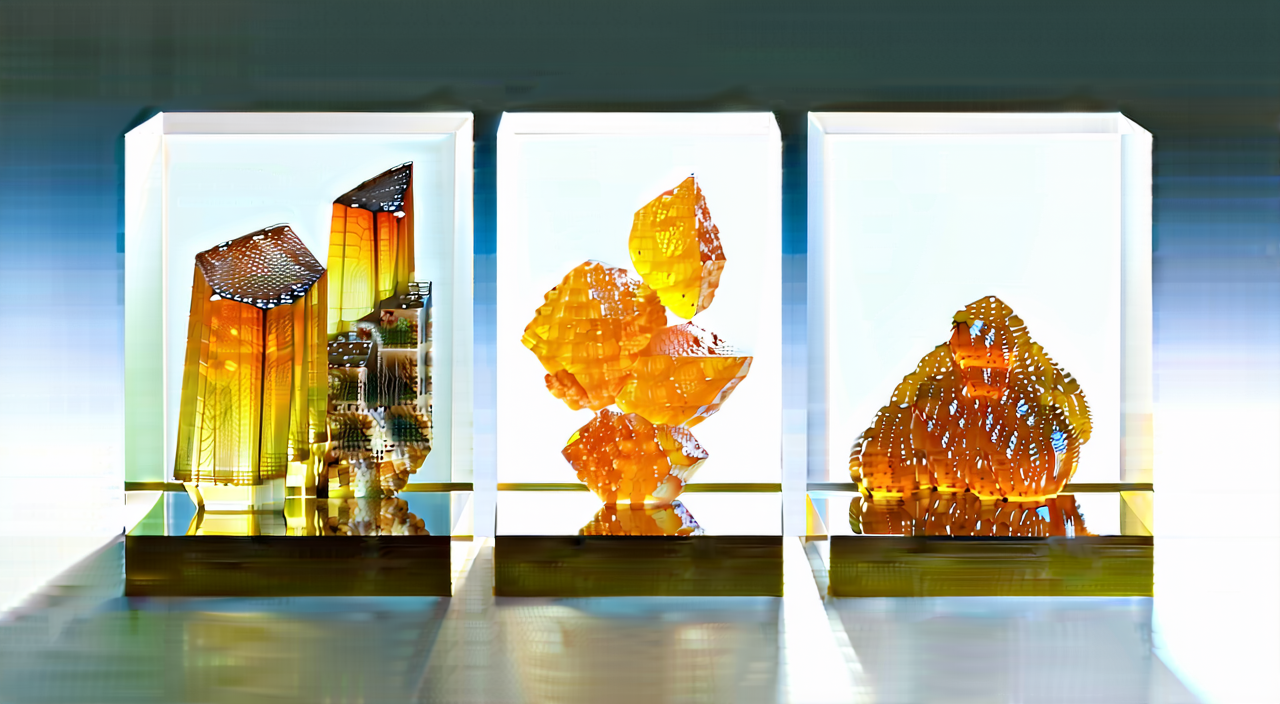
Liquidambar resin and liquidambar fruits are both associated with the Chinese sweetgum tree, but they come from different medicinal parts. Liquidambar resin is the resin exuded and solidified from the trunk. It usually appears as yellowish-white to brownish-yellow lumps or granules, with a brittle texture and resinous fragrance. Liquidambar fruits are the dried mature fruit clusters of the Chinese sweetgum tree. They are generally formed by numerous capsules with openings gathered into a spherical or nearly spherical structure. They are relatively hard and look more like a fruit cluster with a net-like structure than a translucent block of resin.
Their traditional application directions also differ. Liquidambar resin is commonly understood in terms of promoting blood circulation and relieving pain, stopping bleeding and supporting tissue healing, and resolving toxicity, and it has traditionally been used more often in external applications or formulas associated with traumatic wounds. Liquidambar fruits are traditionally understood from perspectives such as dispelling wind, promoting circulation through the meridians, promoting urination, and unblocking the meridians. These distinctions are general descriptions for herbal education and do not mean that a person can select a formula independently based on them.
Rosin comes from plants in the pine family and is another type of resinous medicinal material formed by processing pine resin. Like liquidambar resin, it may appear in lumps, have a fragrance, and be somewhat brittle. However, the botanical sources differ, and their color, odor, fractured surfaces, and traditional medicinal standards are not completely the same. Industrial rosin, soldering rosin, and other industrial resins cannot replace medicinal liquidambar resin. When purchasing or identifying a product, first verify its official name, source, and quality information.
Which Traditional Formulas Contain Liquidambar Resin?
Traditional formulas may include names or combinations such as Liquidambar Resin Powder, certain traditional formulas for traumatic wounds, and external formulas intended to support tissue healing. Liquidambar Resin Powder can be used as an example for understanding the traditional external-use approach associated with liquidambar resin. Traditional formulas for traumatic wounds generally focus on experience related to injuries, bleeding, and wound care, while external tissue-healing formulas may relate to traditional care during the recovery stage of a wound.
It is important to note that formulas with the same name may differ in their ingredients, dosage forms, methods of use, and intended applications across medical texts, regions, or modern products. The name of a formula cannot replace a complete prescription, and simplified recipes circulated online may not be suitable for direct preparation. Before using a formula or external preparation containing liquidambar resin, verify the product instructions and consider constitution, symptoms, wound condition, and professional advice together.
If a wound is deep, its edges are clearly separated, bleeding continues, or the wound results from an animal bite, puncture by a sharp object, or soil contamination, do not rely on traditional powders or resinous materials for self-treatment. Seek medical attention promptly. If the area of redness or swelling expands, or if there is purulent discharge, fever, significant pain, or restricted movement, consult a doctor as soon as possible.
What Precautions Are Needed When Using Liquidambar Resin?
First, be aware of possible resin allergies. Liquidambar resin or external preparations containing it may not be suitable for people sensitive to resins, fragrances, or related plant constituents. Do not apply it over a large area the first time you use it. If itching, burning, redness, blisters, swelling, or breathing difficulties occur, stop contact and seek professional help according to the severity of the symptoms. Do not independently try it around the eyes, in the mouth, on mucous membranes, or over large areas of damaged skin.
Second, deep wounds, severely contaminated wounds, animal bites, burns and scalds, and persistent bleeding require priority evaluation by modern medical professionals. The risk of tetanus should not be overlooked. A doctor should determine whether preventive measures are needed based on the type of wound and the person’s immunization history. Liquidambar resin and traditional external formulas cannot replace wound cleaning, suturing, infection assessment, or other necessary treatment.
People who are pregnant or breastfeeding, children, older adults, and those taking anticoagulants or other long-term medications should consult a professional before using formulas containing liquidambar resin. Industrial rosin, aromatic resins, and resins from unknown sources cannot replace medicinal liquidambar resin. For symptoms that are long-lasting, recurrent, or accompanied by significant pain, unexplained weight loss, or fever, do not rely solely on self-care; seek medical attention promptly.
Summary
Liquidambar resin is the resin exuded from the trunk of the Chinese sweetgum tree. It commonly appears as irregular yellowish-white to brownish-yellow lumps or granules and is characterized by translucency, brittleness, and fragrance. Liquidambar fruits come from the fruit clusters of the same plant, while rosin comes from plants in the pine family; the three should not be substituted for one another based solely on similar appearances. Liquidambar Resin Powder, traditional formulas for traumatic wounds, and external tissue-healing formulas can serve as examples for understanding traditional applications, but specific use requires verification of the product’s source and instructions. This article is for educational reference only and does not replace professional diagnosis or treatment advice.