
What Is Buddha’s Hand? Medicinal Parts, Identification, and Common Formulas
What is Buddha’s hand? Many people first encounter Buddha’s hand in fruit shops, flower markets, or images of Chinese medicinal herbs. Its fruit splits outward like fingers, giving it a distinctive appearance and often a noticeable citrus fragrance. Buddha’s hand has ornamental value and can also be used as a traditional Chinese medicinal herb, but fresh fruit, medicinal slices, and ornamental fruit are not exactly the same in terms of use and processing. The following sections introduce its appearance, medicinal parts, traditional understanding, common formulas, and precautions.
What Does Buddha’s Hand Look Like? How Can It Be Identified?
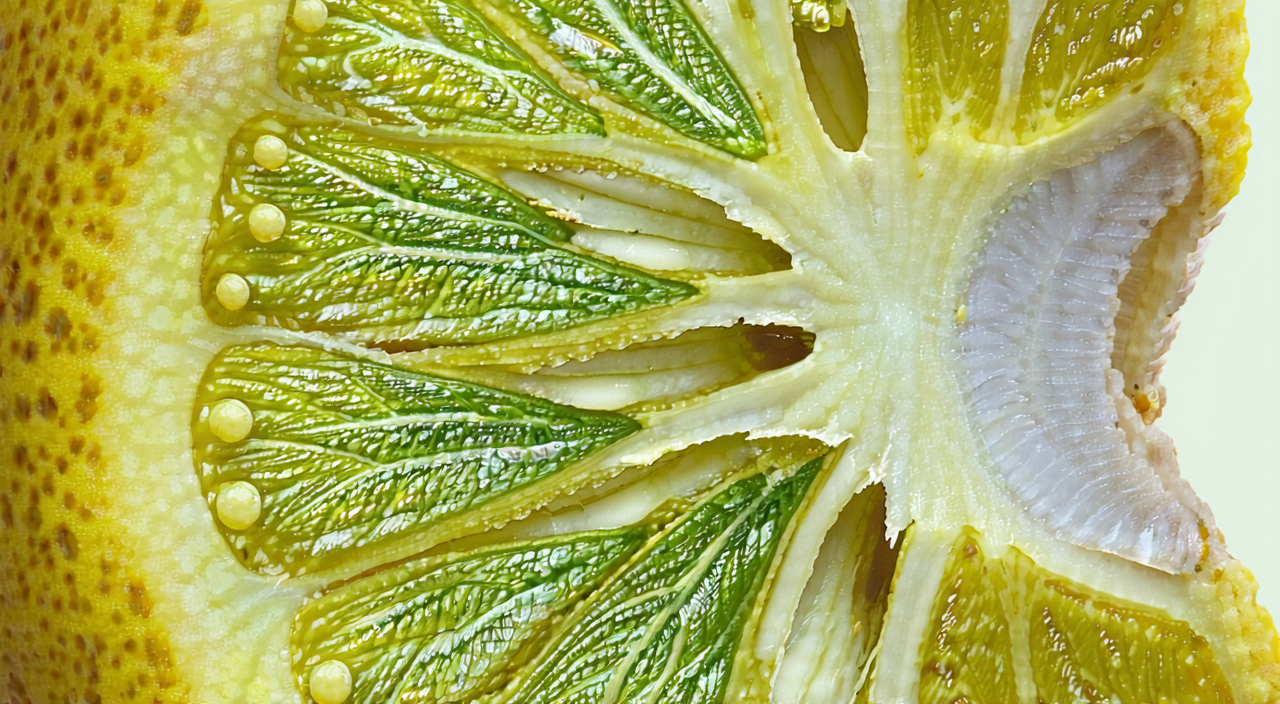
Buddha’s hand is the fruit of a citrus plant in the rue family and typically has clear finger-like divisions. The young fruit is usually yellowish green, while mature fruit generally turns yellow or orange-yellow. Some fruits resemble an open palm, while others look like slender fingers, which is the origin of the name “Buddha’s hand.” The degree of splitting varies according to the cultivar, place of origin, and level of maturity.
Appearance and Fragrance Characteristics
When identifying Buddha’s hand, pay particular attention to the following characteristics:
- The fruit usually has irregular finger-like divisions, with the top often separating into several slender projections;
- The rind gradually changes from yellowish green to yellow, and tiny oil glands may be visible on the surface;
- When cut open, the white, spongy pith is relatively thick, while the flesh and juice are generally less abundant than those of ordinary citrus fruits;
- Fresh Buddha’s hand has a strong, fresh citrus fragrance, and some of its aroma remains after drying;
- The rind is relatively thick and may show natural wrinkling or dry textures.
Ornamental Buddha’s hand is often valued for its complete fruit shape, attractive divisions, and fragrance. Medicinal Buddha’s hand, however, is assessed more by its source, maturity, processing method, and quality as a medicinal slice. Its suitability as a medicinal herb cannot be judged solely by how attractive it looks.
Which Part of Buddha’s Hand Is Used Medicinally?
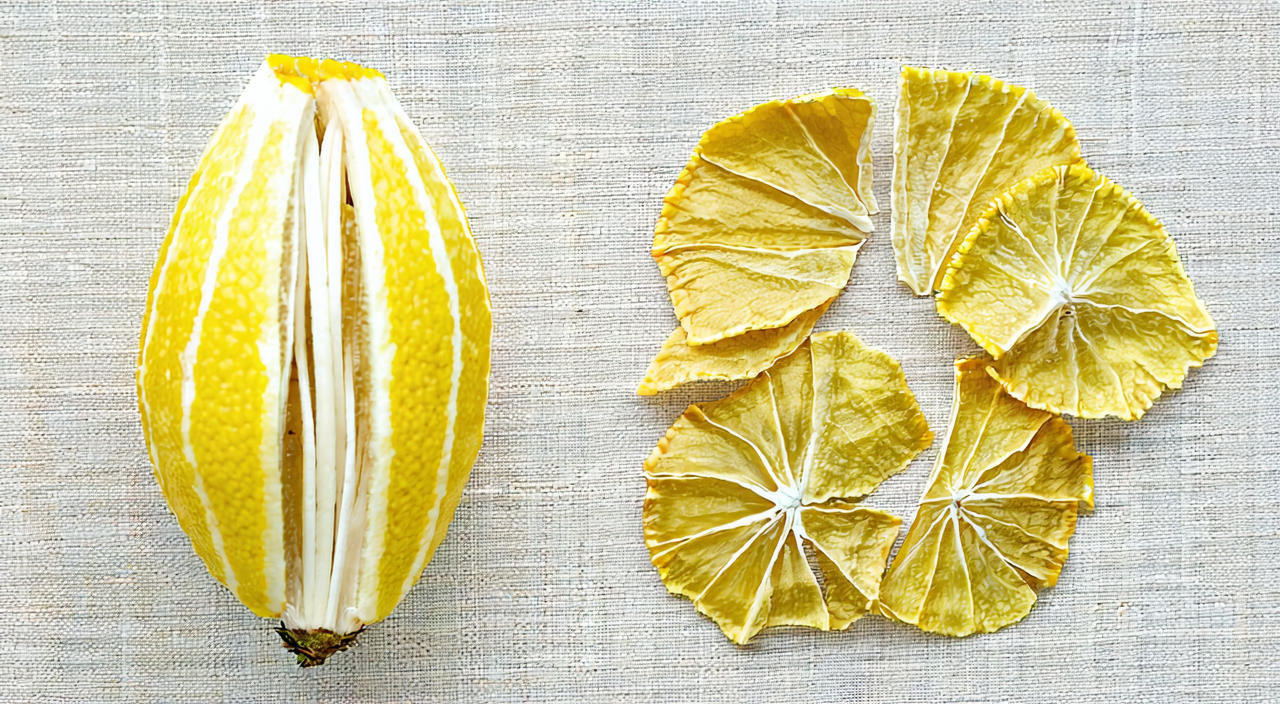
In traditional Chinese medicine, Buddha’s hand mainly refers to the mature fruit of the citrus plant in the rue family. After harvesting, it is usually washed, sliced or cut lengthwise, and then dried to make medicinal slices. The market may also contain whole dried fruit, longitudinal slices, or flat medicinal slices, with their appearance varying according to the processing method.
Differences Between Fresh Fruit, Medicinal Slices, and Ornamental Fruit
Fresh Buddha’s hand contains more water and has a more noticeable fragrance, so it is often used as food or for aromatic purposes. Chinese medicinal slices are cut and dried for easier storage and traditional use. Ornamental Buddha’s hand is mainly used for potted plants, decoration, or seasonal displays. Although these three forms may come from closely related plants, their purposes, processing standards, and methods of use are not the same.
It is important to note that the rind, white pith, and inner tissues may all be present in dried Buddha’s hand slices. Buddha’s hand essential oil, fragrance products, and foods should not be directly equated with Chinese medicinal slices. If it is being used for traditional Chinese medicine-based health management, first confirm the product name, plant part used, processing method, and label information.
How Does Traditional Chinese Medicine Understand Buddha’s Hand?
Traditional Chinese medicine commonly understands Buddha’s hand from the perspectives of “soothing the liver and regulating qi,” “harmonizing the stomach and relieving pain,” and “drying dampness and transforming phlegm.” Here, “regulating qi” is a holistic concept within traditional Chinese medicine. It is often associated with emotional factors, digestive function in the spleen and stomach, and impaired qi movement in the chest and abdomen. It is not equivalent to a disease diagnosis or treatment in modern medicine.
In traditional applications, Buddha’s aromatic fragrance means it is often included in formulas intended to promote the smooth flow of qi. For manifestations such as discomfort in the chest and hypochondrium, epigastric fullness, or belching caused by emotional fluctuations, dietary irregularities, or disharmony of the spleen and stomach, some classical texts and formulas use Buddha’s hand as one of several ingredients. However, whether it is appropriate depends on the duration of symptoms, individual constitution, tongue and pulse signs, and other medications being taken.
Buddha’s hand is also traditionally considered in the context of harmonizing the stomach, transforming phlegm, and addressing spleen- and stomach-related discomfort. It is not a fixed solution for any particular modern disease and should not be self-prescribed based on a single symptom. If discomfort keeps recurring or is accompanied by significant pain, persistent vomiting, black stools, unexplained weight loss, or other concerning signs, consult a doctor or qualified professional promptly.
What Can Modern Research Tell Us?
Modern research commonly examines the volatile constituents, flavonoids, and other phytochemicals in Buddha’s hand, as well as experimental mechanisms related to antioxidant activity, gastrointestinal activity, or inflammation. These studies help researchers understand its chemical composition and potential biological activity, but experimental findings do not establish definite effects in specific populations and cannot replace clinical diagnosis or standard treatment.
Place of origin, cultivar, harvest time, and drying method may all affect the fragrance and chemical profile of Buddha’s hand. When reviewing related research, it is also important to distinguish between cell studies, animal studies, extract research, and the traditional use of medicinal slices. Conclusions from one setting cannot be directly applied to every Buddha’s hand product.
How Does Buddha’s Hand Differ from Finger Citron and Aged Citrus Peel?
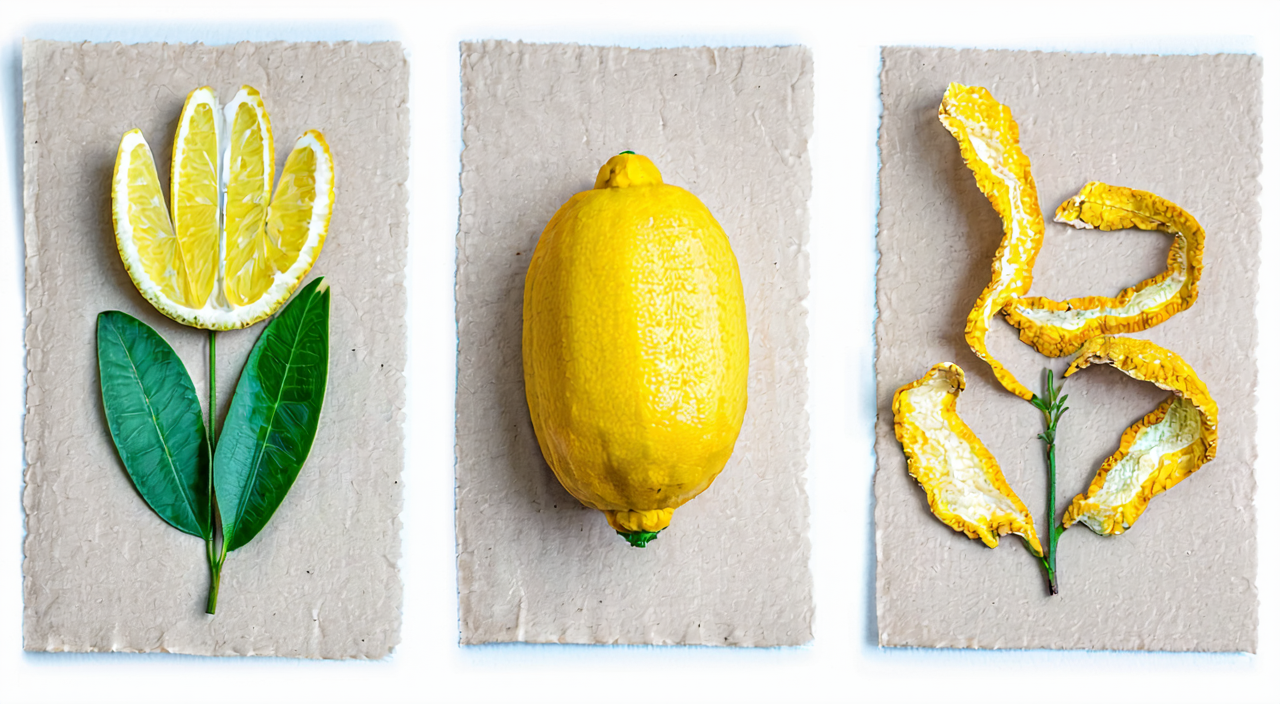
Buddha’s hand, finger citron, and aged citrus peel are all related medicinal materials from the rue family and often have citrus-like fragrances, so they can be confused. However, their botanical sources, fruit shapes, and medicinal parts are not exactly the same.
| Comparison | Buddha’s Hand | Finger Citron | Aged Citrus Peel |
|---|---|---|---|
| Primary source | The mature fruit of Buddha’s hand | The mature fruit of finger citron | The mature peel of mandarins or oranges, aged for a period of time |
| Appearance | The fruit commonly has obvious finger-like divisions | Usually a complete or nearly complete oval or ovate fruit | Usually curled or irregular pieces of fruit peel |
| Rind and pith | Relatively thick rind with prominent white pith | Both the rind and pith are relatively thick, giving the whole fruit a substantial appearance | Mainly fruit peel and generally not the complete fruit |
| Fragrance | Fresh and aromatic, often with a distinctive Buddha’s hand fragrance | Strong citrus fragrance with a fuller, heavier aroma | Milder fragrance that often becomes smoother and more mellow with aging |
In practice, identification should also consider the herb’s source, cut form, aroma, and official labeling. Judging only by color or fragrance can be misleading because storage time, processing, and adulteration may affect these characteristics.
Which Formulas Contain Buddha’s Hand?
Formulas and patent medicines containing Buddha’s hand generally follow traditional principles related to soothing the liver, regulating qi, and harmonizing the stomach. Common names include Buddha’s Hand Pill and some liver-soothing and stomach-harmonizing formulas, but their compositions may differ among regions, manufacturers, and classical medical texts. Therefore, products with the same name should not be assumed to have identical ingredients, dosages, or indications.
About Buddha’s Hand Powder and Buddha’s Hand Pill
“Buddha’s Hand Powder” may refer to different versions and application contexts in traditional formula terminology. Some sources using this name may not necessarily contain Buddha’s hand from the rue family. The same name does not guarantee the same herbal composition. Before use, verify the source, complete prescription, and product instructions rather than relying only on the formula name.
Buddha’s Hand Pill may use Buddha’s hand as a principal herb or combine it with other qi-regulating and stomach-harmonizing herbs to make a pill. The ingredients, dosage, excipients, and intended users may vary among products. Liver-soothing and stomach-harmonizing formulas are also commonly modified according to individual constitution, so no single formula should be treated as a fixed solution for everyone.
If you are taking prescription medication or anticoagulants, or if you have a chronic gastrointestinal condition, hepatobiliary disease, or another long-term health concern, consult a doctor, registered Chinese medicine practitioner, or pharmacist before considering a Buddha’s hand formula. Suitability should be assessed by considering your constitution, symptoms, product instructions, and professional advice together.
What Precautions Should Be Taken When Using Buddha’s Hand?
Buddha’s hand is an aromatic herb traditionally used within a formula and pattern-identification approach. The following situations deserve particular attention:
- Use caution with yin deficiency, dry cough, or a tendency toward internal heat. In traditional theory, Buddha’s hand is associated with regulating qi and drying dampness. People who are prone to dry mouth, dry throat, or dry cough, or who show clear signs of yin deficiency and internal heat, should not use it on their own for a prolonged period and should seek professional advice first.
- Monitor symptoms if you have excess stomach acid or reflux. Aromatic and citrus-related constituents may not suit everyone with a sensitive stomach. If heartburn, acid reflux, or stomach discomfort occurs after eating or using it, stop self-experimentation and consult a qualified professional.
- Use caution if you are allergic to citrus. People allergic to citrus fruits, fruit peels, or related fragrances should watch for rash, itching, lip discomfort, breathing problems, or other reactions. Seek medical attention promptly if significant allergic symptoms occur.
- Essential oil cannot replace Chinese medicinal slices. Buddha’s hand essential oil is highly concentrated, and topical, inhaled, and oral uses each carry their own risks. Its dosage cannot be simply calculated from the dosage of medicinal slices, and aromatic products should not be treated as Chinese herbal medicine.
- Pay attention to sourcing and storage. Choose products with clear labels, reliable sources, and no mold or unusual odors. People who are pregnant or breastfeeding, children, and those currently taking medication should consult a doctor or qualified professional before use.
If symptoms are severe, last for a long time, or recur frequently, especially when accompanied by significant anxiety, depression, palpitations, chest tightness, abnormal breathing, severe abdominal pain, persistent vomiting, black stools, or unexplained weight loss, seek medical evaluation as a priority. Do not rely solely on Buddha’s hand or other herbs for self-treatment.
Summary
Buddha’s hand is a rue-family medicinal herb that uses the mature fruit. Its finger-like divisions, thick rind, white pith, and citrus fragrance are among its most representative identification features. It differs from finger citron and aged citrus peel in botanical source and medicinal parts, and the names and compositions of related formulas may also vary. People with yin deficiency and dry cough, excess stomach acid, citrus allergies, or current medication use should assess its use cautiously. This article is for educational reference only and does not replace professional diagnosis or treatment advice.