
What Is Spikenard? Medicinal Parts, Identification, and Common Formulas
What is spikenard? Among traditional Chinese medicinal herbs, spikenard is often noted for its distinctive and intense aroma, but it can also be confused with qi-regulating herbs such as costus root and cyperus rhizome. In traditional herbal medicine, spikenard comes from the dried roots and rhizomes of Nardostachys jatamansi or Nardostachys chinensis. Its aromatic components are relatively volatile, so its appearance, smell, and storage conditions are all important clues for identifying and understanding it. This article provides an overview of its physical characteristics, medicinal parts, traditional applications, and common formula categories. Actual use should still be assessed according to individual circumstances and professional advice.
What Does Spikenard Look Like? How Can It Be Identified?
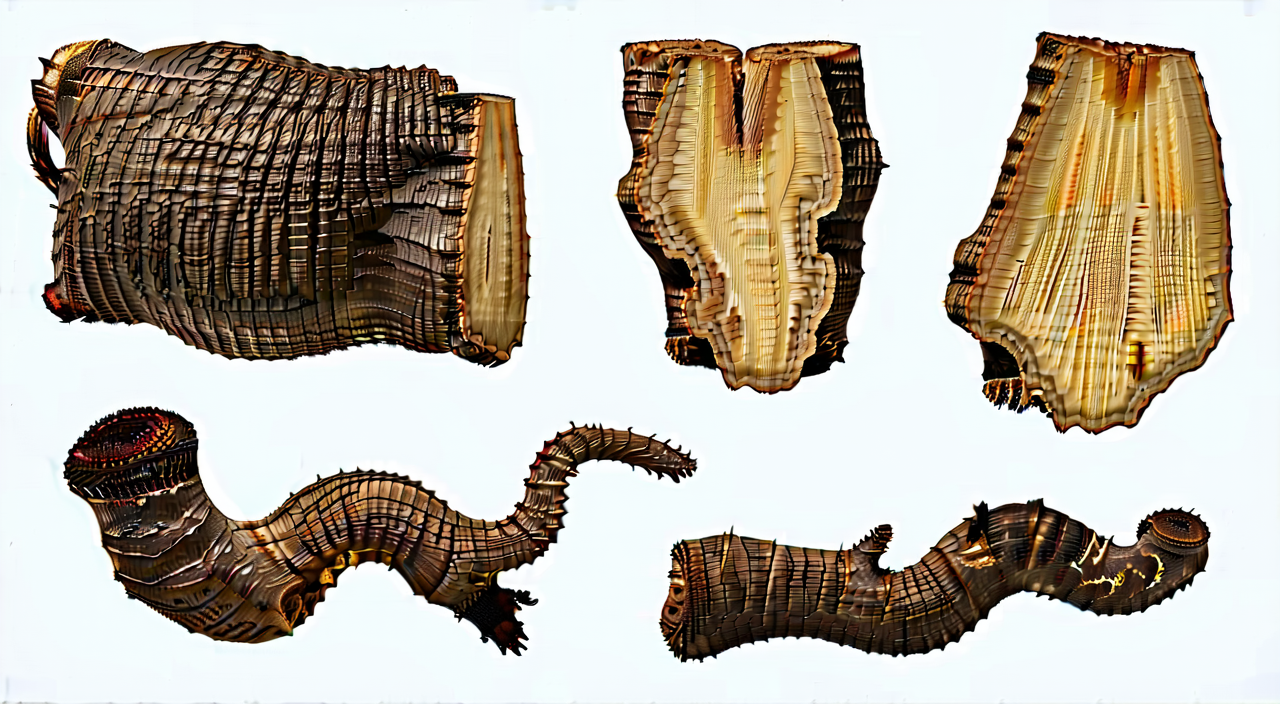
Spikenard usually appears as irregular, short rhizomes. The rhizomes are relatively short, and remnants of root crowns or stem bases may sometimes be visible. The roots are generally slender and curved, with some root strands intertwined. Their length and thickness are not always uniform. The surface of the herb is usually brownish or dark brown, with a somewhat shriveled texture and visible longitudinal lines, root scars, or remnants of fine rootlets. After drying, the material is often relatively light, and its overall form may vary according to harvesting, cutting, and drying methods.
When cut, spikenard usually has a fibrous cross-section, ranging in color from pale yellowish brown to brown. The cut surface of the roots and rhizomes is not necessarily even, and the fibrous structure may be quite apparent. Compared with its appearance, its aroma is one of the more distinctive identifying features of spikenard. The herb commonly has a strong, unusual fragrance that is not simply woody or spicy. If a sample has absorbed moisture, has been stored for too long, or has inadequate packaging, its aroma may weaken or become mixed with storage odors. It should therefore not be identified by smell alone.
When identifying spikenard, it is best to consider its shape, surface color, fibrous cross-section, and aroma together, while also checking whether the material is dry, clean, and free of obvious mold. Samples of unknown origin, unusual color, or an irritating odor should not be confirmed solely by comparing them with online images. It is preferable to have them examined by an experienced pharmacist or other qualified professional.
What Are the Medicinal Parts of Spikenard?
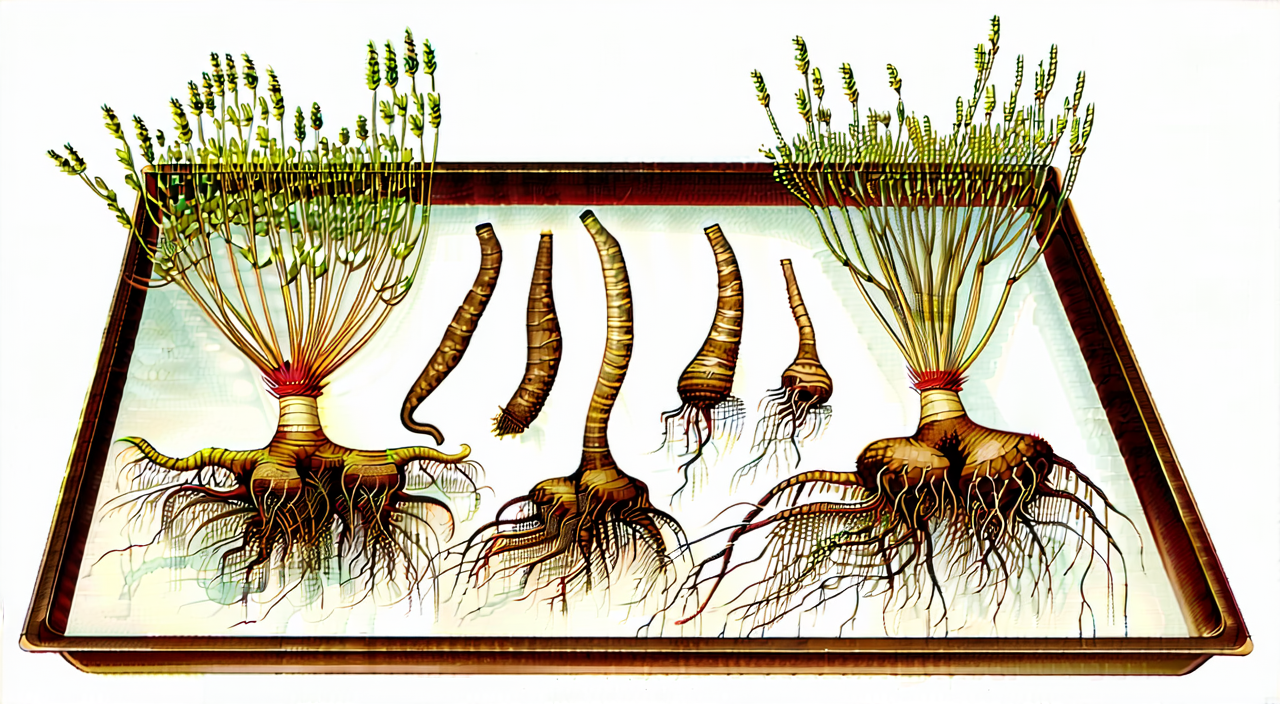
The traditional medicinal parts of spikenard are primarily its roots and rhizomes, rather than its flowers, leaves, or aerial stems. During harvesting, the underground portions of the relevant plants are generally collected, cleaned, freed of impurities, and dried for use as herbal material. Because the roots and rhizomes are often connected, spikenard slices or crude herbs sold in the market may contain both short rhizomes and slender roots.
The roots and rhizomes contain aromatic constituents, and their fragrance may become more noticeable when they are cut or rubbed. However, aromatic compounds are somewhat volatile. Prolonged exposure to air, heat, or humid storage conditions may affect both the aroma and the condition of the herb. For everyday storage, it is generally advisable to keep spikenard sealed, protected from light, and dry, and to store it separately from other strongly scented items. If mold, insect damage, obvious moisture, or an abnormal odor is found, discontinue use and consult a professional.
How Does Traditional Chinese Medicine Understand Spikenard?
Traditional Chinese medicine commonly understands spikenard from the perspectives of regulating qi through its aromatic properties and opening stagnation while supporting the spleen. Traditional materia medica records and historical use often associate spikenard with approaches for addressing constrained qi, epigastric and abdominal fullness, and poor appetite. It may also be included in qi-regulating combinations for presentations involving emotional constraint, chest or epigastric discomfort, and related symptoms. These descriptions belong to traditional Chinese medicine theory and traditional usage patterns; they do not constitute conclusions about modern medical diagnosis or treatment.
In traditional combinations, spikenard is sometimes used with herbs known for regulating qi, harmonizing the stomach, or supporting the spleen, based on a synergistic approach to formulation. Some external applications are traditionally understood in terms of transforming dampness through aromatic properties and reducing swelling. Actual methods of use and appropriate applications depend on the specific preparation, processing method, and professional advice. Similar digestive discomfort can have different causes in different people, so aromatic qi-regulating herbs should not be used long term based solely on symptoms.
How Can Modern Research Help Us Understand Spikenard?
Modern research commonly examines the volatile constituents of spikenard, the composition of its extracts, and their effects in laboratory or experimental models. Such studies can help clarify the herb’s chemical characteristics and potential areas of activity, but experimental findings cannot be directly equated with effects in humans and cannot replace clinical diagnosis, product instructions, or professional guidance on use.
Because the constituents of spikenard may be affected by plant source, growing region, harvesting time, drying method, and storage conditions, differences may also occur between samples. When reading related research or product information, consumers should distinguish between traditional use experience, experimental research, and evidence from human applications. A conclusion from a single study should not be interpreted as a universally applicable health claim.
How Does Spikenard Differ from Costus Root and Cyperus Rhizome?
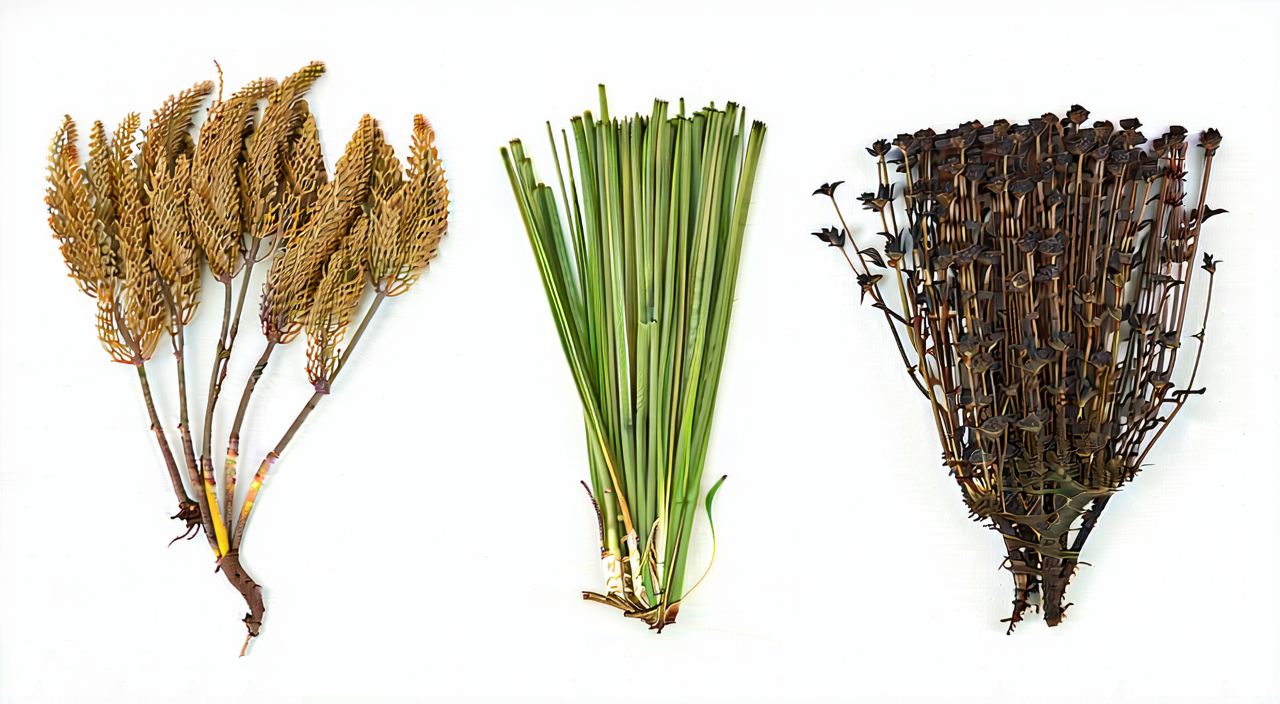
Spikenard, costus root, and cyperus rhizome may all appear in qi-regulating formulas, but their sources and physical forms are different. The medicinal parts of spikenard are its roots and rhizomes. It commonly appears as short rhizomes connected to slender, curved roots, with a brownish surface and a distinctive aromatic odor. Costus root usually consists of the dried roots of plants in the daisy family. The herb often appears cylindrical or as longitudinal slices, has a relatively firm texture, and may show prominent radial markings or oil dots on the cut surface. It also has its own characteristic woody aroma.
Cyperus rhizome primarily consists of the dried rhizomes of plants in the sedge family. It commonly has a spindle-shaped, oval, or irregularly chunky form, with nodes and wrinkled lines visible on the surface, giving it an overall appearance more like a small, compact rhizome. Put simply, spikenard tends to have short rhizomes connected to fine roots, costus root is mainly a root, and cyperus rhizome is primarily a chunky rhizome. Actual herbs may be sliced, processed, or screened, which can change their appearance. Conclusions should therefore not be based on a single feature alone.
Which Traditional Formulas Contain Spikenard?
Traditional formulas with names such as Spikenard Powder and Spikenard Pills may include spikenard, and some qi-regulating and spleen-supporting formulas also use it as a component. Different versions of a formula may vary in ingredients, dosage, dosage form, and method of use. Formulas with the same name do not necessarily represent exactly the same product. Learning about these formulas is mainly intended to help readers understand the place of spikenard in traditional combinations; it does not mean that they can be selected or used to replace diagnosis and treatment on their own.
Traditional formulas such as Spikenard Powder and Spikenard Pills generally follow approaches centered on regulating qi through aromatic properties, supporting the spleen, and harmonizing the stomach. Qi-regulating and spleen-supporting formulas may combine other herbs according to the specific pattern being addressed. Whether a formula is appropriate depends on an individual’s constitution, symptoms, medical history, current medications, and the product instructions. For patent medicines or compound preparations, follow the official label and professional advice rather than adjusting the dosage or frequency based only on the herb’s name or online experiences.
What Precautions Should Be Taken When Using Spikenard?
Traditional herbal practice generally emphasizes pattern differentiation and moderate use. Not everyone is suitable for herbs or preparations containing spikenard. People with qi deficiency or a tendency toward blood heat, or those who commonly experience dry mouth, hot flashes, or a tendency to bleed, should consult a Chinese medicine practitioner or physician before deciding whether it is appropriate. Pregnant or breastfeeding individuals, children, older adults, and people with chronic conditions or those taking multiple medications should also consider its use only under professional guidance.
Spikenard has distinctive aromatic properties, but essential oil or high-concentration extracts are not equivalent to ordinary herbal slices. Essential oils are highly concentrated and should not be taken internally or applied extensively in the same way as ordinary herbal material. Sensitive individuals who develop skin discomfort after contact should stop using the product promptly and seek advice. During storage, protect it from moisture, keep it sealed, and avoid high temperatures to reduce changes in aroma and quality caused by the evaporation of aromatic constituents.
If stomach pain, abdominal bloating, nausea, or similar symptoms persist or recur, or if they are accompanied by marked anxiety, depression, palpitations, chest tightness, abnormal breathing, severe abdominal pain, persistent vomiting, black stools, unexplained weight loss, or other concerning signs, consult a physician first to determine the cause before considering any self-care approach. This article is provided for general educational reference about Chinese medicinal herbs and cannot replace professional diagnosis or treatment advice.
Summary
What is spikenard? It can be understood through three key points. First, it comes from the dried roots and rhizomes of Nardostachys jatamansi or Nardostachys chinensis. It commonly has short rhizomes, slender curved roots, a brownish surface, a fibrous cross-section, and a distinctive aroma. Second, traditional Chinese medicine generally understands it from the perspectives of regulating qi, relieving pain, opening stagnation, supporting the spleen, and, for external use, transforming dampness and reducing swelling. Third, it differs from costus root and cyperus rhizome in both its medicinal parts and physical form. Whether related formulas or preparations are suitable for an individual still depends on their constitution, symptoms, product instructions, and professional advice.