
What Is Galangal? Medicinal Parts, Identification, and Common Formulas
When mentioning ginger, many people immediately think of the fresh ginger in the kitchen, or seasonings like shallots or galangal (Alpinia galanga). Although galangal (Alpinia officinarum) also has the word “ginger” in its name, it is not the same as the fresh ginger or greater galangal we use daily. It comes from the dried rhizome of the ginger family plant Alpinia officinarum. In traditional Chinese medicine, it is often used for warming the stomach, dispelling cold, stopping vomiting, and relieving pain. For those who often experience cold pain in the stomach area and tend to vomit clear water, understanding what galangal is, how to identify it, how it differs from dried ginger, and which formulas use it can help distinguish one’s condition more clearly and reduce confusion.
What Does Galangal Look Like? How to Identify It?
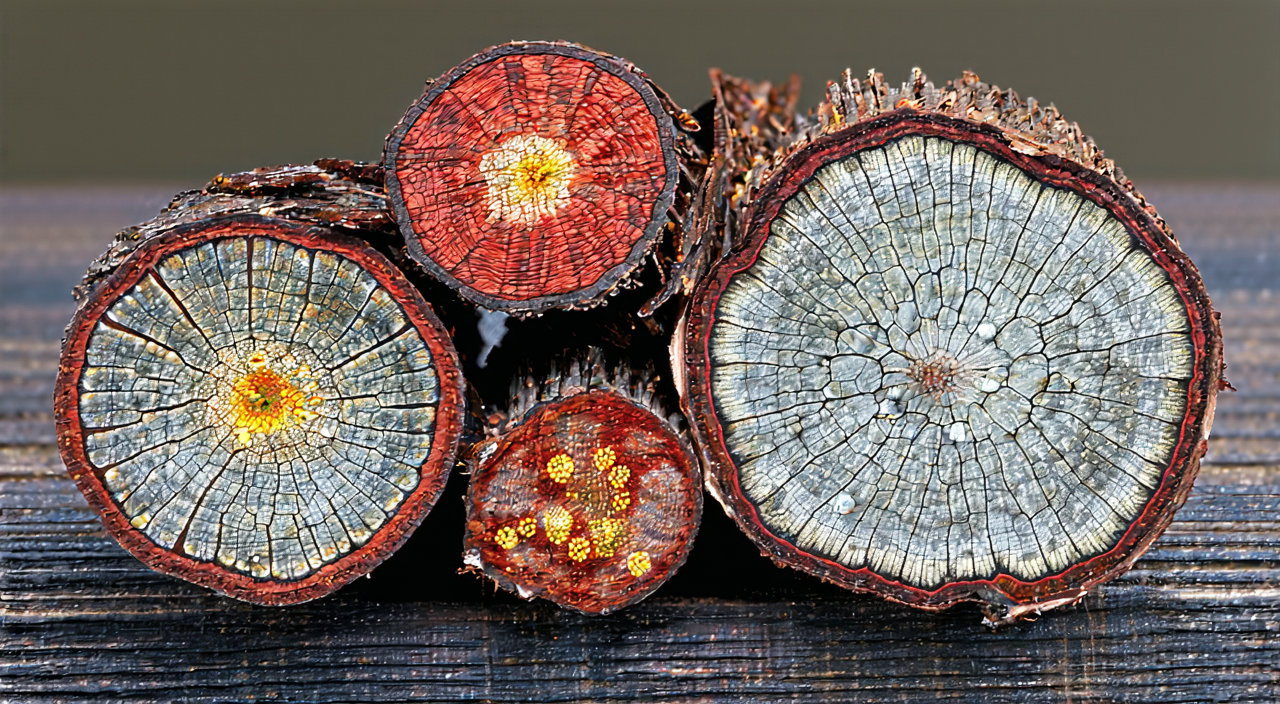
The morphology of galangal as a medicinal substance is quite distinctive. Once familiar with a few key details, identification is not difficult. The whole dried rhizome is often cylindrical, usually with obvious bends and branches, generally 5 to 10 centimeters in length and about 1 to 1.5 centimeters in diameter. The surface color is mainly reddish-brown to dark red, appearing more reddish-brown than dried ginger. Upon close observation, longitudinal wrinkles and relatively dense annular nodes can be seen. These nodes are slightly raised, and sometimes grayish-white rootlet scars remain on them, which is a typical feature of rhizome-based medicinal materials.
The cross-section is a very important identification point. After cutting, the cross-section appears grayish-brown or reddish-brown, and the texture is relatively tough, not as starchy as dried ginger. Scattered orange-yellow dot-like tissues can be seen on the cut surface, which are formed by oil cells or vascular bundles. In terms of odor, galangal has a strong pungent aromatic smell, more penetrating than dried ginger. After chewing, there is a lasting pungent sensation, but it is not as sharp as chili pepper; rather, it tends to be warmly dispersing.
The easily confused greater galangal is actually a different plant, often used to add fragrance in Southeast Asian cuisines. Its size is larger, its color tends toward pale yellowish-white, and its aroma is mainly fragrant, markedly different from the galangal used in medicine. Mastering these key points—”reddish-brown surface, multiple nodes, grayish-brown cross-section, pungent and aromatic smell”—provides a relatively practical reference for daily identification.
What Is the Medicinal Part of Galangal?
The medicinal part of galangal is very clear: it is its rhizome, not the above-ground stems or leaves, nor the seeds. Harvesting usually takes place in late summer or early autumn, after the vigorous growth period, when the rhizome has accumulated relatively rich active components. After harvesting, the above-ground stems and leaves, fibrous roots, and attached mud and sand are removed, and it is washed repeatedly until clean. It is then cut into thick slices or directly dried in the sun. In some regions, it is customary to cut it into slices while fresh and then dry it, making it easier to dry and store.
After drying, the rhizome’s color deepens, its texture becomes harder, and its pungent aroma becomes more concentrated. Traditionally, galangal of good quality is considered to have uniform size, a reddish-brown color, a strong and rich aroma, and a powerful pungent taste. The dried rhizome processed in this way becomes what is commonly known as “liang jiang” or “gao liang jiang” (galangal) in herbal medicine.
It is worth noting that although the fresh rhizome of Alpinia officinarum also has some pungent aroma, it contains a lot of moisture and is difficult to store. In traditional applications, the dried form is almost always used, not the fresh one. This is quite different from fresh ginger, which is often used fresh, and dried ginger, which is made by drying old fresh ginger.
How Does Traditional Chinese Medicine Understand Galangal?
Traditional Chinese medicine primarily understands galangal through its nature, flavor, and meridian tropism. It is hot in nature, pungent in flavor, and enters the spleen and stomach meridians. Because pungency can disperse and heat can expel cold, it is often classified as an interior-warming herb, used for various discomforts caused by cold pathogen invading the stomach or deficiency-cold of the spleen and stomach.
Common application scenarios involve cold pain in the epigastric region, ranging from mild dull pain to severe cramping and spasmodic pain, which worsens when exposed to cold and is relieved by warmth. This type of pain is often accompanied by a lot of clear drooling, easy vomiting of clear water or undigested food, aversion to cold water, and cold hands and feet. Traditionally, galangal is believed to not only warmly disperse stomach cold but also relieve pain and stop vomiting. Therefore, it is frequently considered in such stomach issues leaning toward cold patterns.
It should be noted that galangal’s warming and hot properties are quite strong. It is not suitable for burning pain, bitter taste in the mouth, dry mouth, or swollen and painful gums caused by stomach heat, as misuse may actually worsen the discomfort. If it is difficult to distinguish cold from heat, or if the pain recurs repeatedly over a long period, one should consult a Chinese medicine professional for comprehensive differentiation based on tongue appearance, pulse conditions, and other signs.
What Directions Has Modern Research Provided?
Current research on galangal mainly focuses on its chemical composition and pharmacological activities. Galangal contains diarylheptanoids, flavonoids, volatile oils, and other components. These substances have shown certain anti-inflammatory, antioxidant, and gastrointestinal smooth muscle modulating effects in experimental studies. For example, some experiments have observed that galangal extracts show protective trends in gastric mucosal injury models or can alter the rhythm of gastrointestinal peristalsis.
However, most of these studies are still at the stage of in vitro experiments or animal experiments, and there is still a long way to go before clinical application. They can serve as a modern perspective for understanding this herb, but should not be directly equated to having the same effects in the human body or be used for daily health care. As for the folk belief that galangal can treat various stomach diseases, it is more advisable to remain cautious and distinguish objective research from traditional experience.
What Are the Differences Between Galangal, Dried Ginger, and Fresh Ginger?
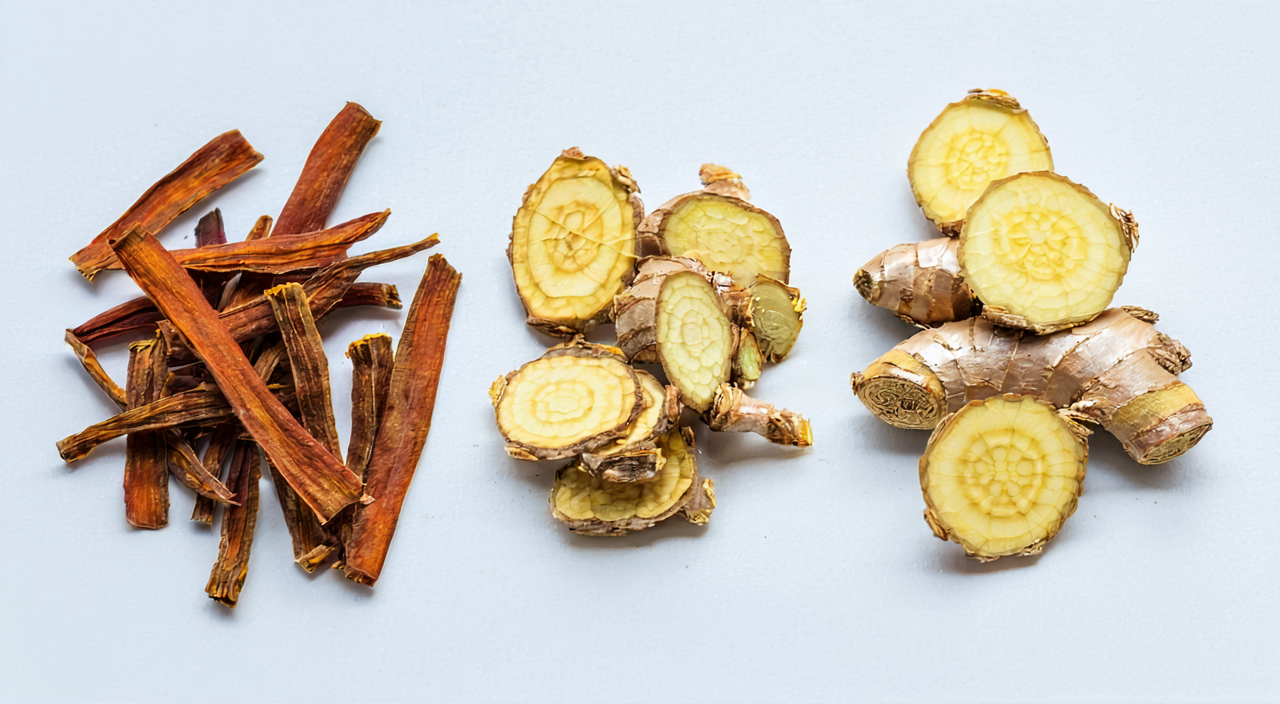
Although galangal, dried ginger, and fresh ginger all belong to the Zingiberaceae plant family, their origins and species differ greatly.
Fresh ginger is the fresh rhizome of Zingiber officinale, the ginger used in daily cooking. Dried ginger is the dried rhizome of the same plant, but typically obtained by drying older ginger. Galangal comes from Alpinia officinarum, which belongs to a different genus within the same family, so their genetic relationship is relatively distant. From the source, they are completely two different medicinal substances.
In terms of appearance, fresh ginger has thick, fleshy, light yellow flesh and a juicy cross-section; dried ginger, after drying, shrinks in volume, has a high starch content, and a grayish-yellow or light brown surface; galangal is more slender and branched, with a reddish-brown surface, dense nodes, a darker cross-section, more distinct oil dots, and a pungent taste with aromatic notes.
Traditional application directions also have their own emphases. Fresh ginger tends to disperse externally and is often used for externally contracted wind-cold and stomach-cold vomiting; it is known as the “holy herb for vomiting” and its medicinal nature is relatively mild. Dried ginger tends to warm the interior and restore yang, often appearing in more severe interior, deficiency, and cold conditions, such as yang collapse syndrome or severe spleen-stomach deficiency cold. Galangal’s strong area is more concentrated and mainly acts on the stomach, focusing on warming the stomach and dispelling cold, relieving pain, and stopping vomiting. It is more specifically indicated for cold pain in the epigastric region and vomiting of clear water. Simply put: fresh ginger acts on both exterior and interior; dried ginger tends toward the interior and is heavier; galangal specifically targets the stomach, with a more pronounced effect on cold pain and stopping vomiting.
Which Formulas Use Galangal?
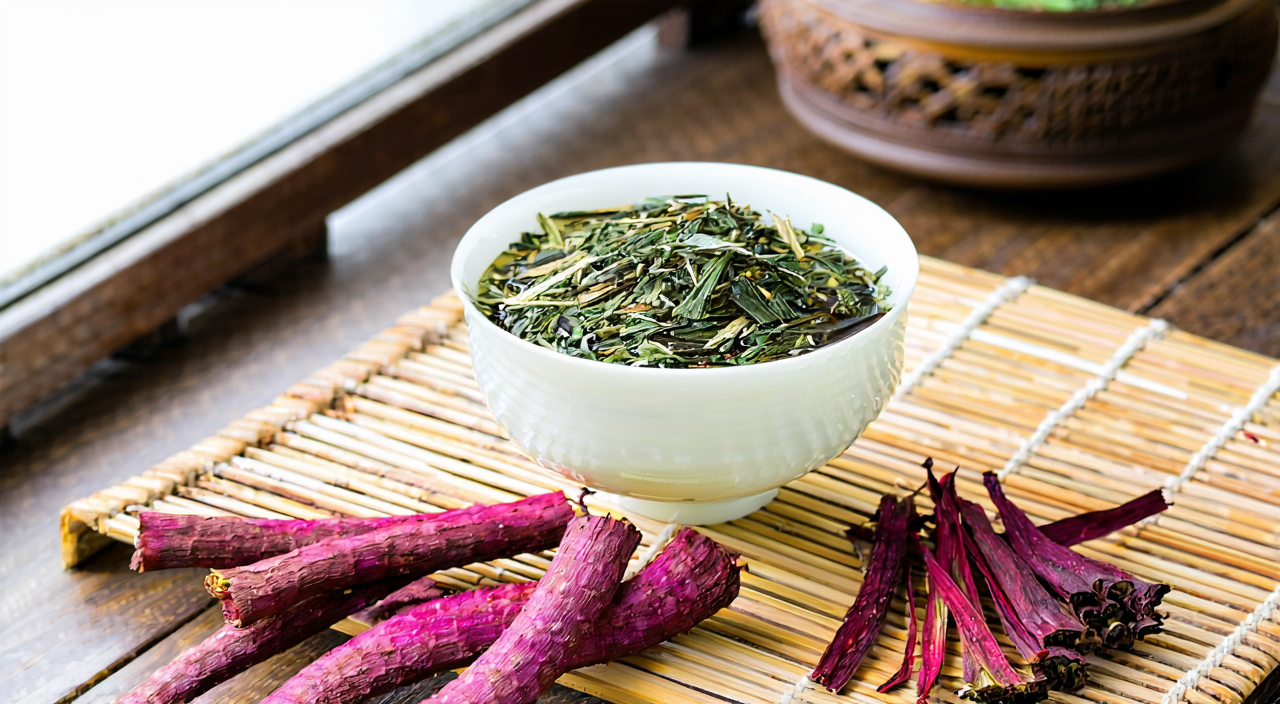
Galangal is relatively common in some traditional formulas for dispersing cold and relieving pain, often combined with qi-moving and interior-warming herbs. Understanding the direction of these formulas helps determine whether one’s condition falls into the relevant category, but whether a specific formula is suitable still needs careful consideration based on individual differences.
Liangfu Wan is a combination many people notice. It consists of two ingredients: galangal and nutgrass galingale rhizome. Galangal warms the stomach and disperses cold, while nutgrass galingale rhizome moves qi and soothes the liver. Traditionally, it is often used for epigastric pain due to cold congealing and qi stagnation, where the pain is not fixed in location and often radiates to the chest and rib area, worsening with cold exposure or emotional upset. This combination addresses both cold and qi stagnation, and the formula is relatively small.
Gaoliangjiang Decoction comes from ancient formula books. Besides galangal, it often includes herbs like magnolia bark and cassia bark to warm the interior and move qi. It is used for situations where cold-dampness accumulates in the stomach, causing abdominal distension, cold pain, vomiting, and inability to eat. Er Jiang Wan combines galangal and dried ginger; both are warming and hot herbs. Together, their power to warm the interior and dispel cold is stronger. It is traditionally used for severe deficiency cold in the middle jiao with cold qi attacking and causing abdominal pain.
Additionally, in some modern Chinese patent medicines or empirical formulas aimed at warming the stomach and dispersing cold, galangal also appears as an auxiliary ingredient or in combination. It must be emphasized that these formulas all have clear biases, targeting excess patterns of cold congealing or deficiency-cold patterns, and are not suitable for stomach yin deficiency, stomach fire exuberance, and similar patterns. Before use, one should carefully read product instructions, or have a Chinese medicine practitioner adjust the formula based on specific presentations and constitution differentiation.
What Precautions Should Be Taken When Using Galangal?
Galangal is pungent and hot in nature, and improper use can easily cause discomfort. Caution is especially needed in the following situations.
People with yin deficiency and fire hyperactivity should not use it. If one usually experiences hot palms and soles, dry mouth and throat, dry stools, and a red tongue with little coating, these are manifestations of insufficient yin fluids and deficient fire flaring up. Using the pungent-hot galangal will only further consume yin fluids and worsen dryness-heat.
Caution is needed for stomach heat pain and active stages of peptic ulcers. Manifestations such as burning epigastric pain, acid reflux, heartburn, bitter taste, and foul mouth odor mostly belong to heat patterns or heat stagnation with depression, which are opposite to the suitable direction of galangal. For patients already diagnosed with gastric ulcer or duodenal ulcer, especially when there is a tendency to bleeding, pungent and warm herbs may irritate the ulcer surface, hindering healing, so self-use is not recommended.
The risk is greater when large doses are used long-term as a seasoning or health supplement. Although some regions have the habit of using it as a spice in cooking, the concentration and dosage of galangal as a medicinal substance are much higher than those used in daily seasoning. Long-term intake of large amounts of pungent and warm substances can damage stomach yin and even cause gastrointestinal dysfunction. Pregnant and breastfeeding women, as well as children, due to their special conditions, should especially avoid arbitrary use and must consult a professional.
In summary, galangal is a herb with relatively strong properties. “Targeting the right pattern” and “moderation” are crucial, and one must not simply add or take it because of stomach discomfort.
Summary
Galangal is a traditional pungent-hot medicinal substance, using its dried rhizome. Its reddish-brown outer skin, distinct nodes, grayish-brown cross-section, and aromatic pungent scent are key identifying features. It specifically focuses on warming the stomach, dispersing cold, and relieving pain. It has clear differences from fresh ginger and dried ginger in terms of origin, appearance, and application direction. Formulas like Liangfu Wan make use of its warmly dispersing nature. Precisely because its bias is relatively strong, it is even more necessary to distinguish between cold and heat, deficiency and excess before use. Those with yin deficiency and fire hyperactivity, stomach heat, ulcers, or bleeding tendencies should not take it on their own. For safety, it is recommended to make a comprehensive judgment based on individual constitution and professional advice.