
What Is Kudzu Root? Medicinal Parts, Identification, and Common Formulas
Many overseas friends who come into contact with traditional wellness or Asian ingredients may hear the name “kudzu root” (ge gen). It is both a frequently used Chinese medicinal in formulas and a food processed into kudzu powder for daily consumption. So what exactly does kudzu root refer to? What plant does it come from? What does it look like? And how does it differ from sweet kudzu? This article introduces its medicinal parts, identification points, traditional Chinese medicine understanding, and commonly used formulas.
What does kudzu root look like? How to identify it?
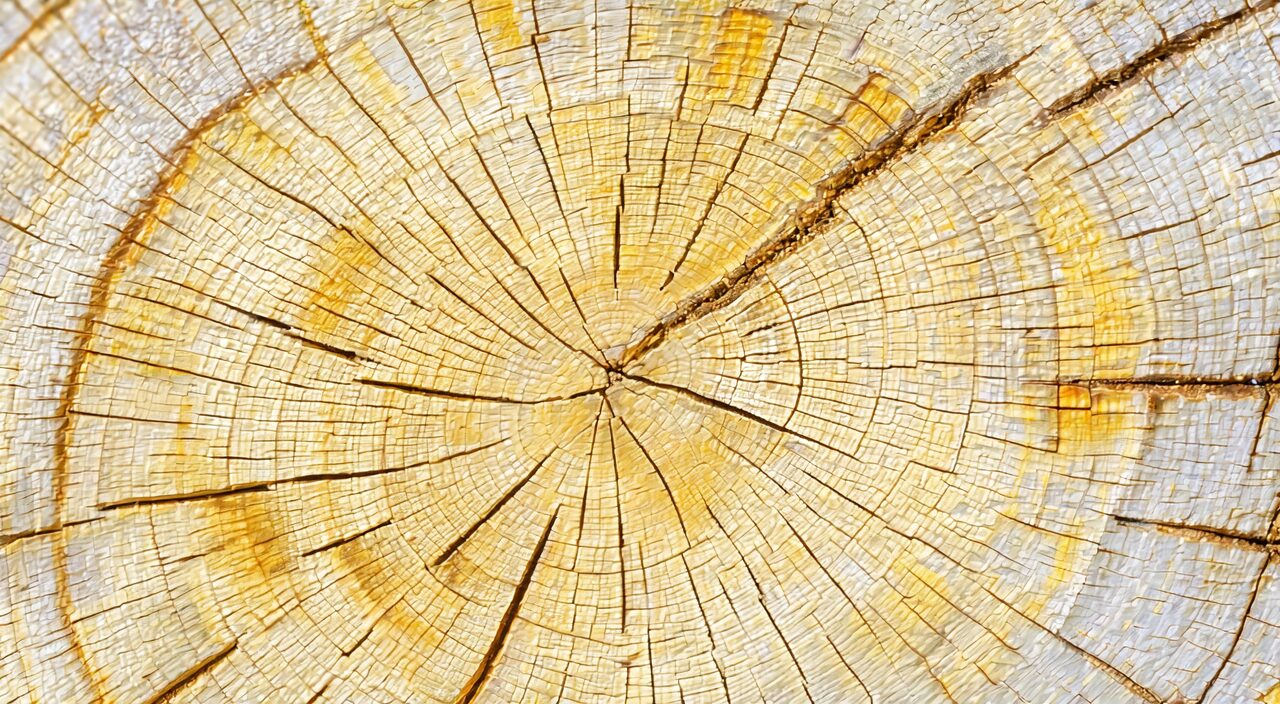
The Chinese medicinal decoction pieces of kudzu root are usually dried, longitudinally cut thick slices or irregular chunks. When observing, several aspects can be noted: In shape, the thick slices are oblong or strip-like, and the edges sometimes have rough outer skin. The color is mainly yellowish-white or light yellowish-brown, and the cut surface shows longitudinal fiber texture and some small dots formed by vessel pores. In terms of texture, high-quality kudzu root cross-sections tend to be starchy—gently scraping with a fingernail reveals fine powder—while wild kudzu with stronger fiber has a rougher texture. The odor is mild, and a taste test gives a slightly sweet sensation. The very white, fine kudzu powder on the market is a starch extract, different from the decoction piece form. Identifying kudzu root decoction pieces mainly relies on checking whether the cross-section is yellowish-white, whether there are fiber textures, and the degree of starchiness.
What is the medicinal part of kudzu root?
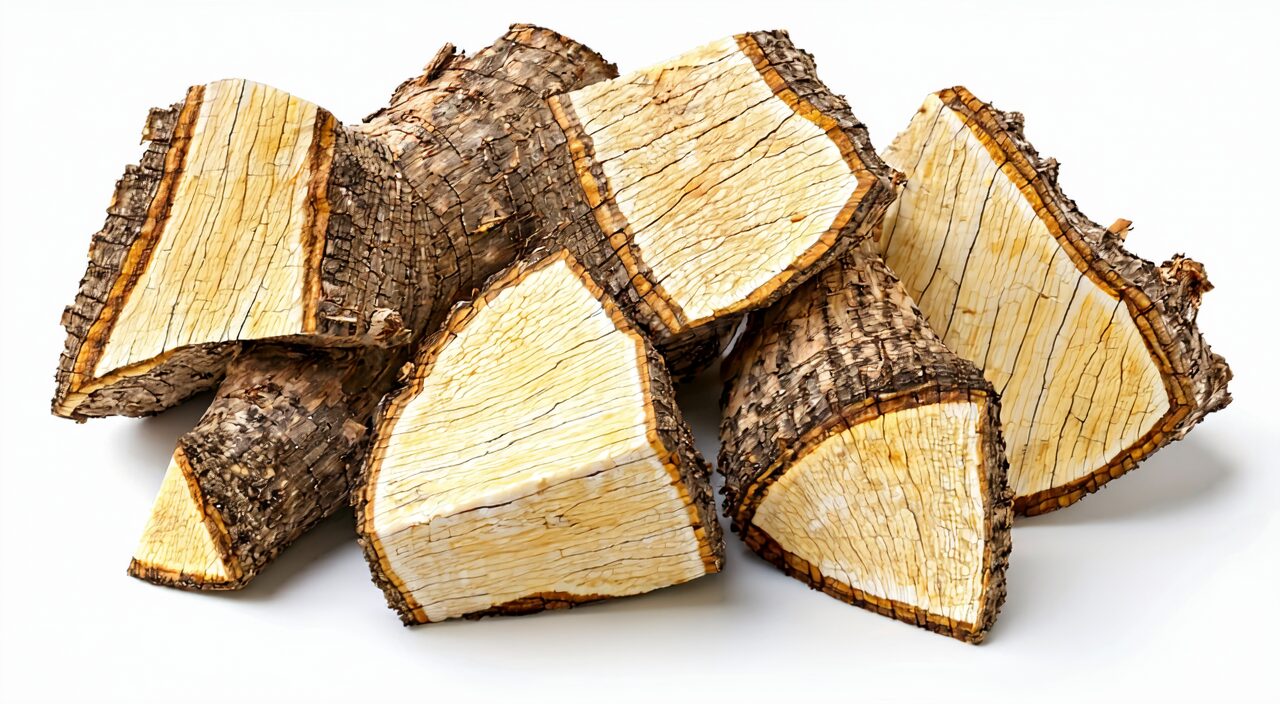
The medicinal part of kudzu root is the root. According to the Chinese Pharmacopoeia, kudzu root is the dried root of the legume plants Pueraria lobata (wild kudzu) or Pueraria thomsonii (sweet kudzu), with the root of Pueraria thomsonii often circulated as “fen ge” (sweet kudzu). Harvesting and processing generally take place in autumn and winter: the roots are dug up, outer skin is removed, and then they are cut into thick slices or chunks and dried in the sun or by baking. Wild kudzu decoction pieces have more noticeable fiber and a rough cross-section; sweet kudzu has a high starch content, with a cross-section that is more powdery white and strongly starchy. In traditional usage, kudzu root (ge gen) mostly refers to the root of wild kudzu, while sweet kudzu leans more toward food use. For general readers, it is enough to know that the medicinal part is the root and that there are two common commercial forms: wild kudzu and sweet kudzu.
How does traditional Chinese medicine understand kudzu root?
Kudzu root was listed as a middle-grade herb in the Shen Nong Ben Cao Jing (Divine Farmer’s Materia Medica). Its nature and flavor are sweet and acrid, cool, and it enters the spleen, stomach, and lung meridians. Traditional Chinese medicine understands it mainly in several directions: First, it releases the muscles and clears heat, often used for externally-contracted exterior syndromes accompanied by stiffness of the neck and back, fever, and absence of sweating, helping to disperse pathogens from the muscle layer. Second, it promotes the eruption of measles, historically used in the early stages of measles when the rash does not come out smoothly—however, modern measles has standardized prevention and treatment, so one should not apply this indiscriminately. Third, it generates fluids and quenches thirst by raising clear yang qi to promote the upward distribution of fluids, relieving thirst and dry throat caused by heat damaging fluids or failure of fluids to ascend. Fourth, it raises yang and stops diarrhea; for diarrhea due to spleen deficiency with sinking qi or damp-heat diarrhea, kudzu root can lift the spleen and stomach’s clear yang, often paired with herbs that clear heat and dry dampness. These understandings come from traditional experience, and actual use requires consideration of individual conditions and professional analysis.
What does modern research say about kudzu root?
Modern research mainly focuses on the isoflavone components in kudzu root, such as puerarin, daidzin, and others. In laboratory studies, these components have shown effects on vasodilation and microcirculation and have been used in the development of cardiovascular and cerebrovascular products. In addition, kudzu root contains relatively high starch and a small amount of dietary fiber. It should be noted that these studies are mostly basic research or experiments on specific extracts, and this does not mean that consuming kudzu powder daily will deliver the same effects. This article is for informational purposes only and does not make any efficacy claims.
What is the difference between kudzu root (ge gen) and sweet kudzu (fen ge)?
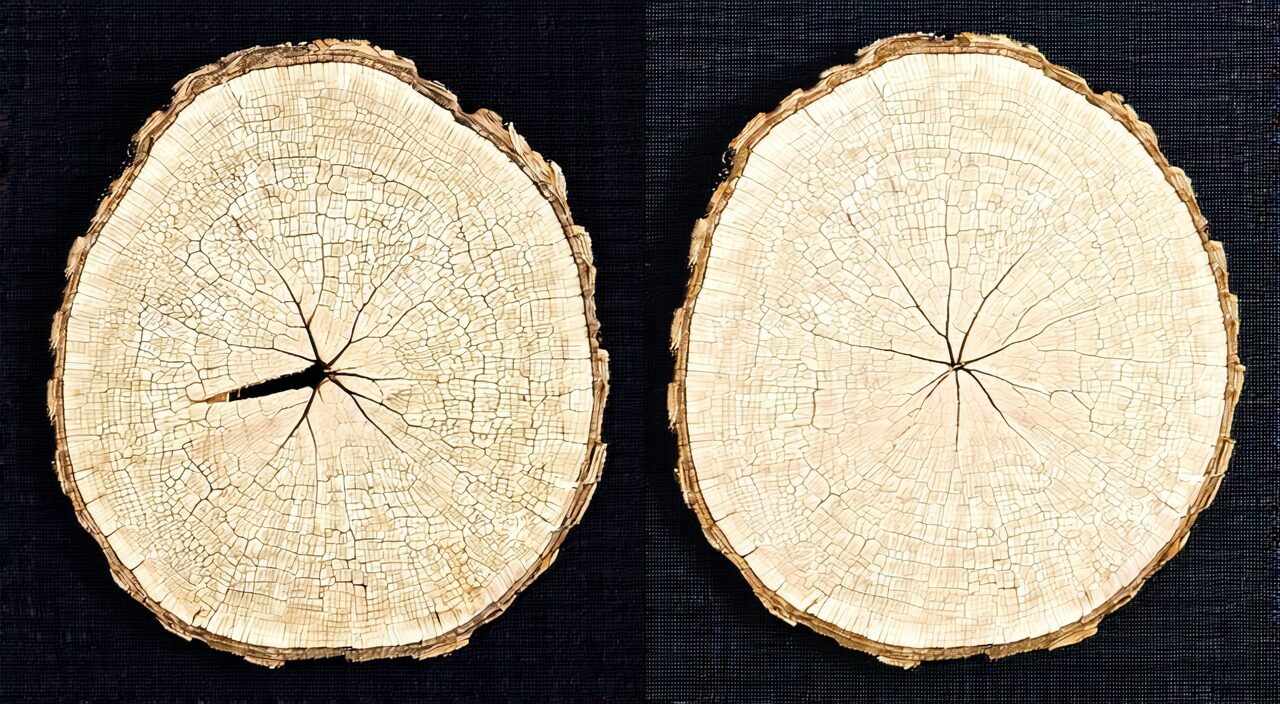
Kudzu root and sweet kudzu are both related and distinct. The pharmacopoeia designates the root of Pueraria lobata as ge gen (kudzu root) and the root of Pueraria thomsonii as fen ge (sweet kudzu). Wild kudzu has strong fiber, a rough cross-section, and a heavier texture; sweet kudzu has high starch content, is very starchy, has a delicate, pale cross-section, and tastes soft and powdery after cooking. In the Lingnan region, it is commonly used in soup or processed into kudzu powder for food. Kudzu root in traditional formulas mostly refers to wild kudzu, while sweet kudzu is more oriented toward fluid generation and moistening dryness and is more widely used as food. One cannot simply say which is better; the choice depends on the intended use. Overseas families who simply make soup or prepare kudzu paste are usually dealing with sweet kudzu or kudzu powder; those who want to understand kudzu root in formulas need to ascertain the specific origin.
Which formulas use kudzu root?
The following are several traditional formulas that commonly contain kudzu root, offered only as knowledge and should not be self-prescribed. Ge Gen Tang (Kudzu Decoction) consists of kudzu root, ephedra, cinnamon twig, peony, and others. It is often used for wind-cold exterior patterns accompanied by neck and back stiffness, where kudzu root helps release muscles and raise fluids. Ge Gen Qin Lian Tang (Kudzu, Scutellaria, and Coptis Decoction) contains kudzu root, scutellaria, coptis, and licorice. It is traditionally used for damp-heat diarrhea, with kudzu root playing a role in raising yang to stop diarrhea while also clearing heat. Sheng Ma Ge Gen Tang (Cimicifuga and Kudzu Decoction) contains cimicifuga, kudzu root, peony, and licorice; historically used for sluggish measles eruption and similar conditions, but in modern times it should not be used without guidance. Yu Ye Tang (Jade Fluid Decoction) is a relatively later formula composed of Chinese yam, astragalus, anemarrhena, kudzu root, trichosanthes root, and others. It is traditionally used for thirst and excessive drinking caused by deficiency of both qi and yin, with kudzu root assisting in generating fluids and raising the clear. Each of these formulas has its own indications and contraindications and must be selected under professional judgment.
What precautions should be taken when using kudzu root?
Although kudzu root is common, its use still requires caution. People with stomach cold or tendency to diarrhea may experience aggravated discomfort because kudzu root is cool in nature. Individuals with low blood pressure should note that kudzu root has a vasodilating effect, and excessive use may cause dizziness or fatigue; extra caution is needed if they are already taking antihypertensive medications. Kudzu root contains phytoestrogen-like components; women with estrogen-sensitive conditions or breast or uterine-related diseases, as well as pregnant and breastfeeding women and children, should consult a doctor before use. In addition, kudzu root may interact with anticoagulant drugs, hypoglycemic drugs, and others. If you are taking prescription medications, consult a professional physician or pharmacist before adding kudzu root products. If long-term discomfort or severe symptoms arise, seek medical attention promptly; a single medicinal herb cannot replace standard medical treatment.
Summary
This article has introduced the source, visual identification, medicinal parts of kudzu root, as well as the traditional Chinese medicine understanding of it, and listed several representative formulas that contain kudzu root. Kudzu root is widely applied for releasing muscles to clear heat, generating fluids, and stopping diarrhea. Sweet kudzu, due to its high starchiness, is more commonly used as food. Whether identifying medicinal materials or using them for daily reference, it is important to distinguish between wild kudzu and sweet kudzu and to pay attention to the usage risks arising from individual differences. The content of this article is for educational reference only and cannot replace professional diagnosis or treatment advice.