
What Is Gu Jing Cao? Its Medicinal Parts, Identification, and Common Formulas
Gu Jing Cao commonly appears in traditional formulas for improving eyesight and in discussions of medicinal herbs. However, people unfamiliar with Chinese herbal medicines may not know which part of the plant the term “Gu Jing Cao” actually refers to. Simply put, Gu Jing Cao comes from the dried capitula with flower stalks of the Gu Jing Cao plant in the family Eriocaulaceae. Traditionally, it is mainly discussed in connection with dispersing wind-heat, improving eyesight, and reducing visual obstructions. The following sections introduce its appearance, medicinal parts, differences from similar herbs, and common formulas.
What Does Gu Jing Cao Look Like? How Can It Be Identified?
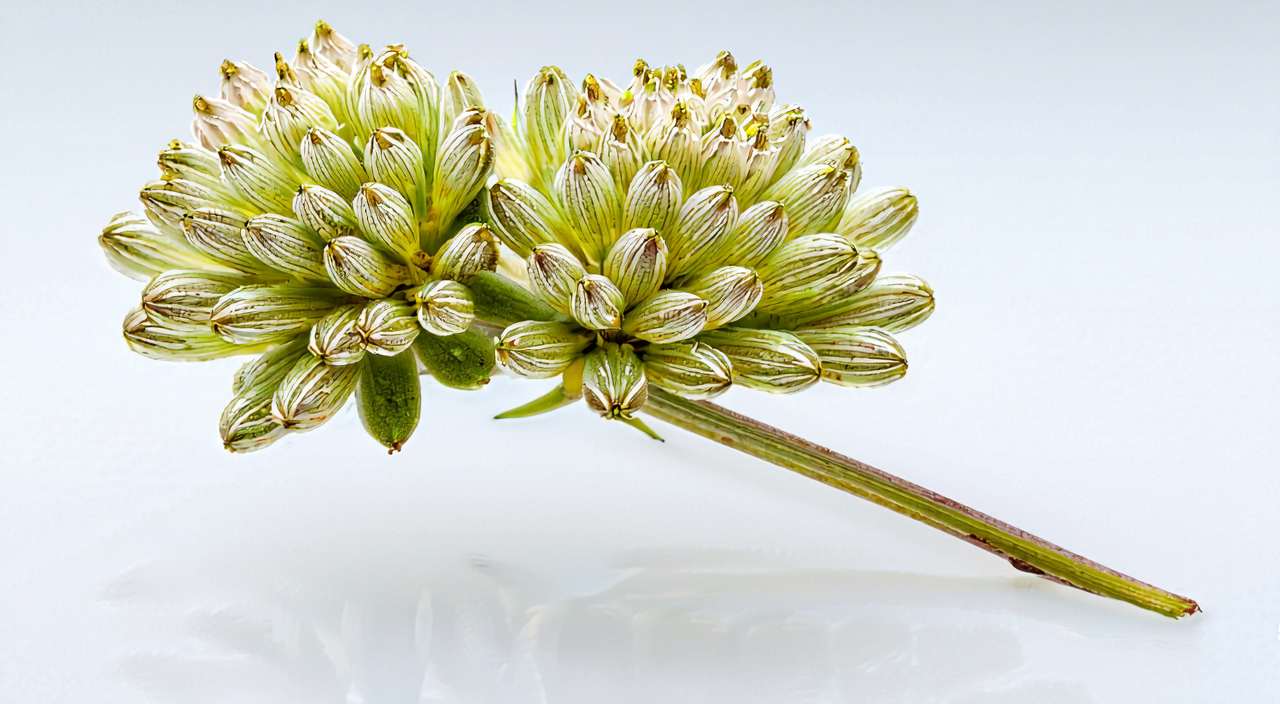
The most distinctive feature of Gu Jing Cao is its relatively small capitulum, which is usually nearly spherical or hemispherical and generally only a few millimeters in diameter. The top of the capitulum is commonly grayish-white or pale yellow. Several layers of overlapping bracts appear at the base, making the whole structure look like a small grayish-white or pale-yellow ball. Connected to the capitulum is a slender flower stalk, which is often delicate, longitudinally ridged, and sometimes slightly twisted. Its length may vary depending on the batch and place of origin. After drying, the portion consisting of the flower stalk and capitulum is usually lightweight, with a soft capitulum rather than a hard one. Its odor and taste are both mild.
When identifying it, the combination of a small spherical capitulum, a slender flower stalk, and grayish-white or pale-yellow florets, together with its light and relatively soft texture, can provide a preliminary impression. However, confusion with other plant sources can occasionally occur in the wild or in markets. It is not advisable to collect or identify the herb independently based on only one or two photographs.
What Is the Medicinal Part of Gu Jing Cao?
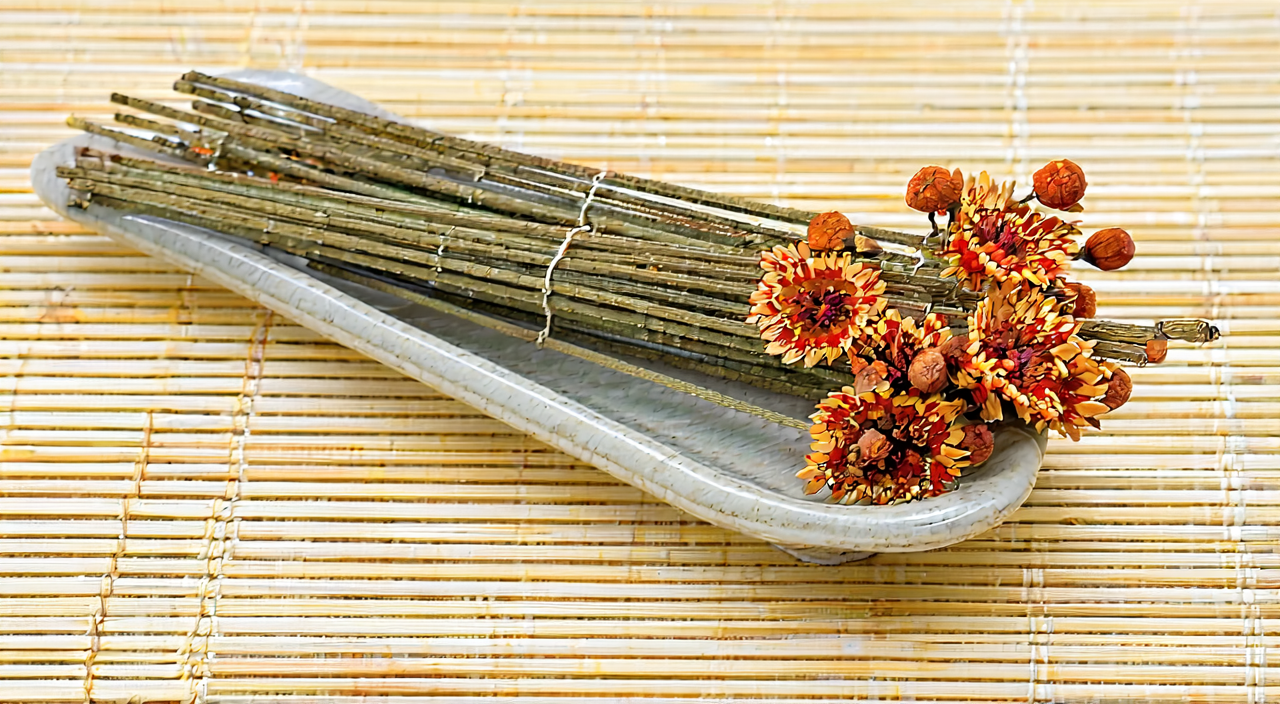
The medicinal part of Gu Jing Cao is the dried capitulum with its flower stalk. In other words, the key medicinal portion is not the root, leaves, or capitulum alone, but the flower stalk together with the capitulum. During autumn harvesting, the capitula with flower stalks are commonly cut while the flower stalks have not completely withered and the capitula still retain their color. They are then cleaned of impurities and dried in the sun.
After drying, the capitulum generally retains its relatively compact spherical or hemispherical shape, while the flower stalk remains slender and flexible. Understanding the “medicinal part of Gu Jing Cao” helps explain why decoction pieces often contain a slender flower stalk connected to a small capitulum, rather than simply loose flowers or the entire herb. When purchasing or identifying it, check for excessive sand, powder, or admixture with non-medicinal plant parts.
How Does Traditional Chinese Medicine Understand Gu Jing Cao?
Traditional Chinese medicine generally understands Gu Jing Cao in terms of its nature, flavor, meridian affiliation, and therapeutic direction. It is generally considered pungent and sweet in flavor, neutral in nature, and associated with the Liver and Stomach meridians. Classical texts discussing Gu Jing Cao mainly describe it in terms of dispersing wind-heat, improving eyesight, and reducing visual obstructions. In traditional practice, when wind-heat-related eye discomfort occurs in the upper body—such as red eyes, sensitivity to light, tearing, or an obstructive membrane over the eye—Gu Jing Cao may be combined with other herbs as part of an approach to clear and disperse wind-heat in the head and face and relieve an uncomfortable sensation in the eyes.
It does not correspond exclusively to any single modern eye disease, but is instead used within an overall pattern-based approach. Whether it is appropriate depends on a person’s constitution, symptoms, and professional assessment. The presence of the term “improving eyesight” does not mean it should be used independently or for an extended period.
What Areas Do Modern Studies Mainly Focus On?
Modern research on Gu Jing Cao has mainly focused on its chemical constituents and extracts, including compounds such as flavonoids and phenolic substances. Some in vitro experiments have examined its potential antioxidant activity or possible effects on certain inflammation-related pathways. However, most of this research remains at a basic stage and cannot yet be directly equated with clinical effects.
When traditional applications and modern research are considered together, Gu Jing Cao may provide a direction for further study, but it cannot replace standardized medical diagnosis and treatment. In particular, persistent eye redness, declining vision, significant pain, or increased discharge should first be assessed by a qualified medical professional.
What Are the Differences Between Gu Jing Cao, Buddleja Flower, and Chrysanthemum?
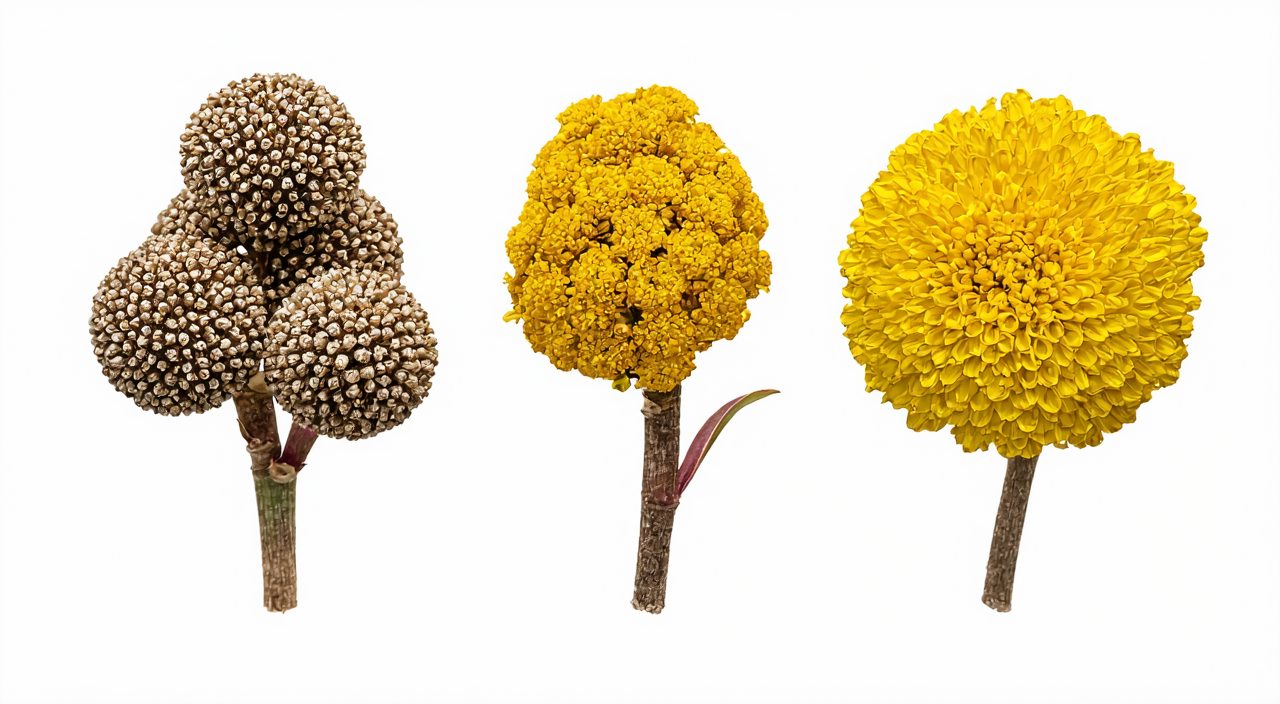
Gu Jing Cao, Buddleja flower, and chrysanthemum all commonly appear in traditional formulas for improving eyesight, but their sources, appearances, and traditional applications differ. Gu Jing Cao consists of the capitula with flower stalks from the Gu Jing Cao plant. Its capitula are small and dense, grayish-white or pale yellow, and attached to slender flower stalks. Traditionally, it is associated with dispersing wind-heat, improving eyesight, and reducing visual obstructions.
Buddleja flower comes from the flower buds and inflorescences of Buddleja officinalis, a member of the Loganiaceae family. It commonly appears as irregular clusters with a grayish-yellow or brownish-yellow surface densely covered in short hairs. Traditionally, it is more often associated with clearing heat, nourishing the Liver, improving eyesight, and reducing visual obstructions. Chrysanthemum comes from the capitula of Chrysanthemum morifolium, a member of the Asteraceae family. Its flowers are generally larger and commonly yellow or white, and it is often used traditionally to disperse wind-heat, calm the Liver, and improve eyesight.
These three herbs may appear in different combinations depending on the underlying pattern and should not be substituted for one another casually. When identifying them from photographs, it is best to consider the size of the capitulum, whether the surface is hairy, and whether the flower stalk is slender, among other features.
Which Traditional Formulas Contain Gu Jing Cao?
Among traditional formulas containing Gu Jing Cao, Gu Jing Cao Decoction and Gu Jing Powder are frequently mentioned. Gu Jing Cao Decoction is generally combined with herbs such as chrysanthemum, cassia seeds, and horsetail to clear and disperse or improve eyesight. Traditionally, it is used in approaches for red eyes, sensitivity to light, and visual obstructions caused by wind-heat affecting the upper body. Gu Jing Powder may be combined with cicada slough, horsetail, and Tribulus fruit, with a traditional emphasis on reducing visual obstructions and improving eyesight.
Some other formulas for improving eyesight and reducing visual obstructions may also include Gu Jing Cao according to the underlying pattern, with the aim of enhancing the combined effects of clearing and dispersing wind-heat and relieving eye discomfort. It is important to note that the specific ingredients and dosages of a formula may vary according to its source, version, and the individual’s constitution. The formulas mentioned here are provided only as general points of reference and should not be prepared or taken independently for an extended period. Before use, consider the product instructions, your individual circumstances, and advice from a qualified professional.
What Precautions Should Be Taken When Using Gu Jing Cao?
First, according to traditional understanding, Gu Jing Cao should not be used alone or in excessive amounts for dry eyes or blurred vision caused by Yin deficiency and blood deficiency, because it is mainly dispersing in nature and may need to be combined with herbs that nourish Yin and blood. Second, if an eye problem involves sudden eye pain, an abrupt change in vision, pronounced redness or swelling, persistent symptoms, or recurrent episodes, do not rely solely on a single herb. Seek medical attention as soon as possible.
In addition, people who are sensitive to pollen or plants in the Asteraceae or Eriocaulaceae families should be aware of the possibility of an allergic reaction. Finally, confusion involving similar plant sources and misuse based solely on the concept of “improving eyesight” can occur in the market. General users should not collect and use fresh plants independently. Pregnant or breastfeeding individuals, children, and people with chronic diseases should consult a doctor or pharmacist before use.
Summary
Gu Jing Cao is a traditional Chinese medicinal herb whose medicinal part is the capitulum with its flower stalk. Key identification features include its small spherical capitulum, slender flower stalk, and grayish-white or pale-yellow appearance. Traditionally, it is mainly used within approaches for dispersing wind-heat, improving eyesight, and reducing visual obstructions. Its source and traditional emphasis differ from those of Buddleja flower and chrysanthemum. Formulas containing Gu Jing Cao, such as Gu Jing Cao Decoction and Gu Jing Powder, should not be used without professional guidance. Before use, consider your individual circumstances and seek appropriate advice. This article is for educational reference only and cannot replace professional diagnosis or treatment advice.